


You eat a solid breakfast and feel hungry again before 10am. You pack a high-protein lunch and still hit a wall by 3pm. The problem is often not how much protein you eat, but which protein source you choose and what you pair it with.
Protein is the most satiating macronutrient, but its hunger-suppressing power varies by food. Some sources trigger a strong satiety response for three to five hours. Others deliver the same grams of protein but leave you reaching for snacks within two. This comparison covers five practical, affordable protein sources for satiety: eggs, beans and lentils, Greek yogurt, cottage cheese, and tofu. Each is ranked by how well it holds hunger, what it costs per serving, and how easily it rotates into a real daily routine.

What Makes Protein Filling in the First Place
Protein increases satiety partly by stimulating hormones that signal fullness, including GLP-1 and peptide YY, while suppressing ghrelin, the hormone associated with hunger. Research published in the American Journal of Clinical Nutrition suggests that higher-protein meals may reduce overall calorie intake across the day without conscious restriction.
But protein content alone does not explain everything. Fiber, water content, digestion speed, and how a food is prepared all shape how long fullness lasts. A whole egg digested alongside fiber-rich vegetables behaves differently in your body than a fast-digested whey shake. That context matters when comparing protein sources for satiety.

Eggs: Versatile, Quick, and Genuinely Filling
Satiety rating: high
Approximate cost per serving (2 large eggs): $0.50-$1.00
Eggs consistently perform well in satiety research. A study in the journal Nutrients found that an egg-based breakfast reduced hunger and calorie intake at lunch compared to a cereal-based breakfast with equal calories. The protein in eggs is highly bioavailable, meaning your body uses almost all of it, and the fat content supports a slower gastric emptying rate that prolongs fullness.
Two eggs deliver roughly 12-13 grams of protein. Paired with fiber-rich vegetables or whole-grain toast, they can hold hunger for three to four hours. They are also among the most affordable animal proteins available, and they cook in under ten minutes in dozens of formats.
The practical limit: eggs alone may not satisfy if you have high energy needs or a very active morning. Scaling to three eggs or pairing with cottage cheese addresses this without much extra cost or effort. If you want ideas for building a breakfast that genuinely survives until noon, Building a High-Protein Breakfast That Survives Until Lunch walks through pairing strategies in detail.
Beans and Lentils: Slow, Steady, and Surprisingly Effective
Satiety rating: high (especially long-lasting)
Approximate cost per serving (half cup cooked): $0.20-$0.40
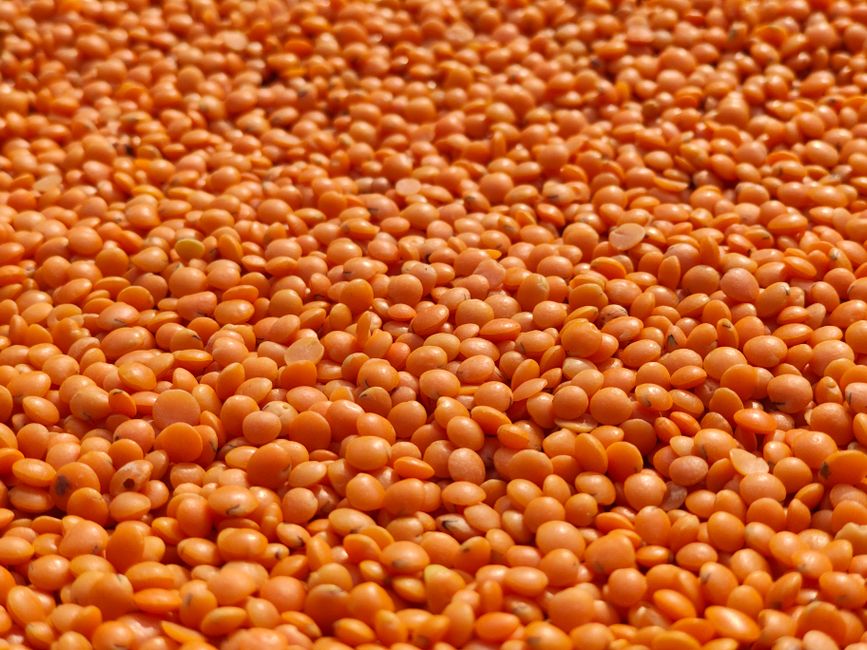
Legumes are arguably the most underrated protein sources for satiety. A half cup of cooked lentils provides about 9 grams of protein and 8 grams of fiber, and that fiber combination is the key. Fiber slows digestion and feeds beneficial gut bacteria, which may contribute to a sustained fullness signal that outlasts many higher-protein but lower-fiber foods.
A meta-analysis in Obesity found that eating one serving of legumes per day was associated with greater feelings of fullness compared to control meals, even when protein content was matched. Their satiety window often extends four to six hours, particularly when combined with a small amount of fat or a whole grain.
The trade-off is digestive adjustment. If legumes are new to your diet, starting with canned lentils (which are lower in certain fermentable fibers than whole dried beans) can reduce bloating as your gut adapts. For more on this topic, Five Reasons You Feel Bloated After Healthy Meals covers practical solutions.
For budget-focused eating, legumes are unmatched. A full week of daily legume servings costs less than a single dozen eggs in most markets.

Greek Yogurt: Fast Protein With a Shorter Window
Satiety rating: moderate to high
Approximate cost per serving (170g plain, full-fat): $1.00-$1.80
Greek yogurt delivers 15-18 grams of protein per serving, which is impressive for a snack-friendly food. Plain, full-fat versions also provide a small amount of fat that slows digestion. Research published in Appetite found that high-protein dairy snacks reduced hunger and evening snacking in young women.
The satiety window is typically two to three hours, shorter than eggs or legumes eaten as a full meal. Greek yogurt works best as a mid-morning or afternoon anchor, especially when you add fiber in the form of berries or ground flaxseed. It is also one of the easier dairy sources to pair with smoothies. For building a smoothie that keeps hunger away, Smoothie Ingredients That Keep You Full explains how to sequence protein, fat, and fiber for maximum staying power.
Cottage Cheese: Slow-Digesting and Budget-Friendly Dairy
Satiety rating: high
Approximate cost per serving (half cup): $0.70-$1.20
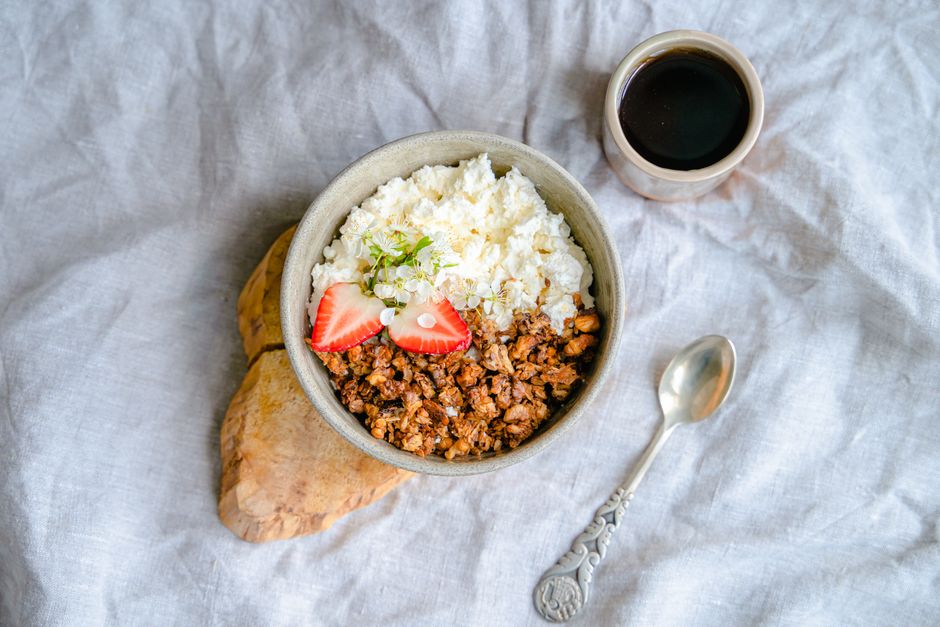
Cottage cheese contains primarily casein protein, which gels in the stomach and digests slowly, providing a hunger-relief window closer to three to four hours. A half cup provides roughly 13-14 grams of protein. Its texture makes it versatile: eat it savory with tomatoes and herbs, sweet with fruit, or blend it into a smoothie bowl.
Compared to Greek yogurt, cottage cheese tends to cost less per gram of protein and digest more slowly due to casein’s structure. It is a practical daily rotation food that often gets overlooked in favor of trendier options.

Tofu: The Plant-Based Middle Ground
Satiety rating: moderate
Approximate cost per serving (100g firm tofu): $0.50-$0.90
Firm tofu provides about 8-10 grams of protein per 100g serving and contains all essential amino acids, making it a complete plant protein. It is lower in fiber than legumes and lower in fat than eggs or full-fat dairy, so its satiety window tends to run two to three hours unless you pair it strategically with fiber and healthy fat.
Tofu shines in daily rotation for plant-based eaters because it absorbs flavors easily and works across breakfast scrambles, stir-fries, and grain bowls. For ideas on building complete plant-based meals, Plant-Based Protein Sources Ranked by Satiety, Cost, and Real-Life Ease offers a detailed comparison.

Side-by-Side Summary
| Protein Source | Protein per Serving | Satiety Window | Approx. Cost/Serving |
|---|---|---|---|
| Eggs (2 large) | 12-13g | 3-4 hours | $0.50-$1.00 |
| Beans/Lentils (1/2 cup cooked) | 8-9g | 4-6 hours | $0.20-$0.40 |
| Greek Yogurt (170g) | 15-18g | 2-3 hours | $1.00-$1.80 |
| Cottage Cheese (1/2 cup) | 13-14g | 3-4 hours | $0.70-$1.20 |
| Firm Tofu (100g) | 8-10g | 2-3 hours | $0.50-$0.90 |
Which Combination Actually Works Day to Day
No single protein source wins for every meal or every person. The most effective approach for sustained satiety and budget management is rotation, not loyalty to one food.
A practical weekly pattern might look like this: eggs and vegetables at breakfast two to three mornings, lentils or black beans in a lunch bowl mid-week (see Building a High-Protein Lunch Bowl That Keeps You Full Until 6pm for layering ideas), Greek yogurt as an afternoon anchor on busy days, and tofu or cottage cheese at dinner for slower overnight satiety.
If budget is a primary constraint, beans and lentils deliver the most fullness per dollar of any food on this list, and the evidence supports them as a daily staple rather than an occasional side. If convenience matters most, eggs and Greek yogurt need minimal preparation and work in almost any kitchen setup.
Choose one swap this week: replace a snack that leaves you hungry quickly with one of the higher-satiety options above and notice how your hunger pattern shifts over a few days. Small, consistent changes in protein choices tend to compound into noticeably better energy and fewer cravings across the week.
This article is for general educational and informational purposes only and is not a substitute for medical advice, diagnosis, or treatment. Health needs vary by individual. Consult a qualified healthcare professional before making significant changes to your diet, exercise routine, supplements, medication, or treatment plan, especially if you have a medical condition, are pregnant or breastfeeding, take medication, or have concerns about your symptoms.

Sources
- Leidy HJ et al. “The role of protein in weight loss and maintenance.” American Journal of Clinical Nutrition, 2015.
- Vander Wal JS et al. “Short-term effect of eggs on satiety in overweight and obese subjects.” Journal of the American College of Nutrition, 2005.
- Li SS et al. “Dietary pulses, satiety and food intake.” Obesity, 2014 (meta-analysis cited).
- Douglas SM et al. “Low, moderate, or high protein yogurt snacks on appetite control.” Appetite, 2013.
- Paddon-Jones D et al. “Protein and healthy aging.” American Journal of Clinical Nutrition, 2015 (protein and GLP-1/PYY context).


