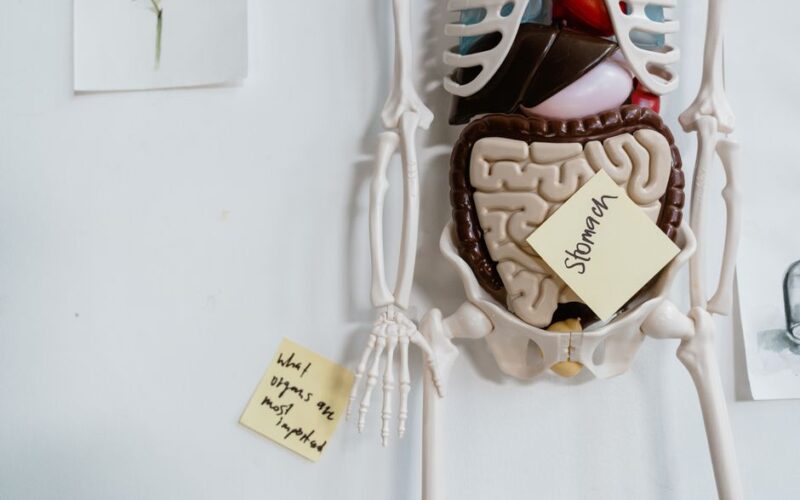


You ate breakfast. A decent one, probably. Maybe eggs, maybe yogurt, maybe a protein shake. And yet by 10am your stomach is sending signals you cannot ignore. If that pattern sounds familiar, the missing piece is likely not the total grams of protein on your plate. It is the source of that protein and the order in which your body encounters it.
Research published by the American Journal of Clinical Nutrition suggests that protein is the most satiating macronutrient, partly because it raises levels of appetite-suppressing hormones like GLP-1 and PYY while reducing ghrelin, the hunger signal (Leidy et al., 2015). But not all protein sources trigger those signals equally, and layering fiber, fat, or simple carbohydrates before your protein source can blunt the effect significantly.
The seven combinations below are built around that principle. Each one aims to deliver high-protein breakfast satiety that actually lasts. For more on why eating order shapes hunger signals throughout the day, Protein Order at Breakfast Changes Your Hunger Signals All Day: The Science Behind Eating Eggs or Beans First is worth reading alongside this guide.
Why Pairing Order Is the Hidden Variable
Eating fiber and protein together before simple carbohydrates slows gastric emptying, the rate at which food leaves your stomach. A slower exit means a more gradual glucose curve and a longer-lasting fullness signal. Starting with a sugary carbohydrate does the opposite: blood glucose rises quickly, then drops, and hunger follows that drop down.
Protein source also matters because different proteins digest at different speeds. Casein (found in dairy) digests slowly. Whey absorbs quickly. Eggs provide a balanced amino acid profile and moderate digestion speed. Legumes add fiber alongside protein, extending satiety further. Choosing the right source for your morning window is one of the simplest high-protein breakfast satiety upgrades you can make.
7 Breakfast Combinations That Hold Hunger Until Lunch
1. Scrambled Eggs on a Fiber-First Base
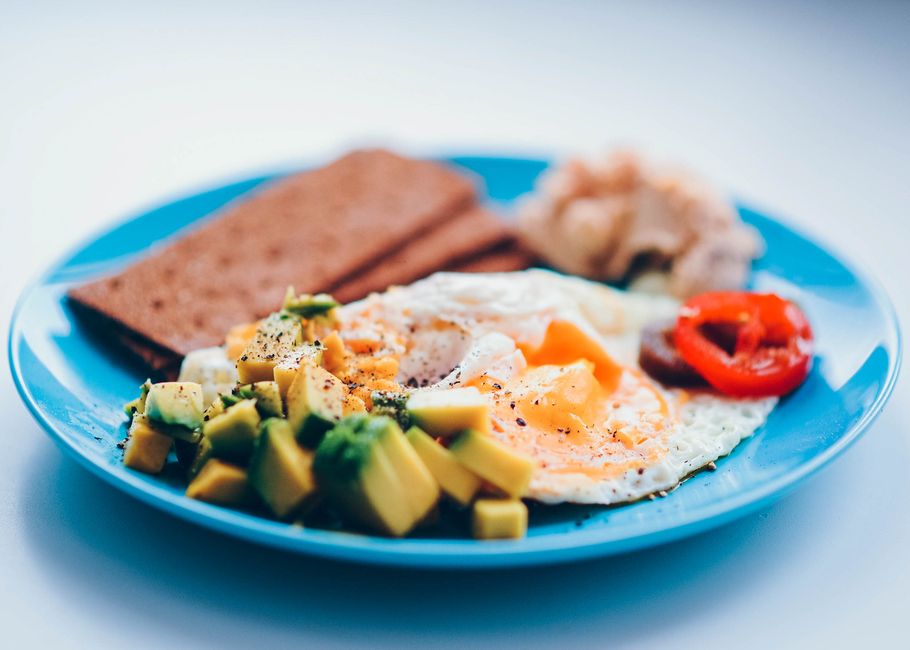
Two scrambled eggs deliver roughly 12g of protein with a favorable amino acid profile. The key here is the base: start with a handful of sauteed spinach or sliced avocado before you eat the eggs. Fiber and fat eaten first slow digestion and reduce the post-meal glucose spike. Add one slice of whole-grain toast last, not first, to keep the glucose curve gradual.
2. Full-Fat Greek Yogurt With Seeds and Berries, Eaten in Layers
Plain full-fat Greek yogurt provides 15-18g of protein per cup, mostly casein, which digests slowly over three to four hours. Layer chia seeds and flaxseed into the yogurt before adding berries on top. The seeds add soluble fiber that thickens in the stomach and extends fullness. Eating this layered rather than mixed preserves that slower release.
3. Black Bean and Egg Breakfast Bowl
Half a cup of cooked black beans alongside two eggs gives you roughly 21g of combined protein plus about 8g of fiber. Beans are a rare pairing because they contribute both protein and resistant starch, which ferments slowly in the gut and supports satiety hormones. Season simply and eat the beans first, then the eggs. This combination regularly outperforms egg-only breakfasts for mid-morning fullness.
If you want to compare this approach to other protein sources by type, High-Protein Breakfast Options for Stable Morning Energy: Eggs, Legumes, Dairy, and Whole Grains Compared lays out the differences clearly.
4. Cottage Cheese With Nut Butter and Apple Slices
One cup of low-fat cottage cheese provides about 25g of protein, mostly casein, at a low calorie cost. Stir in one tablespoon of almond or peanut butter for healthy fat before eating the apple slices. The fat and protein combination triggers cholecystokinin (CCK), a satiety hormone released from the small intestine. Eating fruit last rather than first prevents the quick-sugar-then-crash pattern that makes mid-morning hunger arrive early.
5. Smoked Salmon and Avocado on Rye With a Soft-Boiled Egg
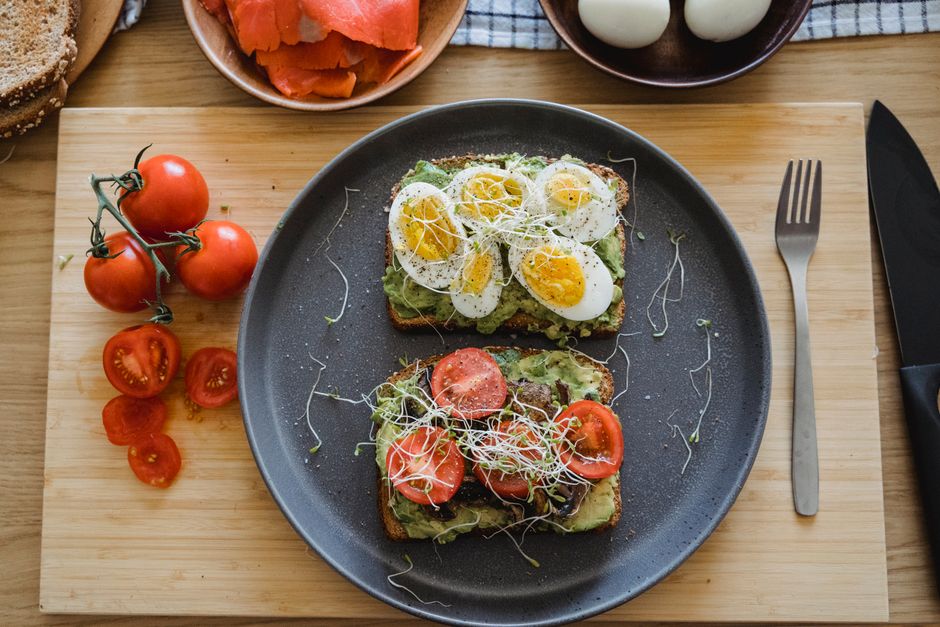
Smoked salmon is a high-protein, omega-3-rich option that many people overlook at breakfast. A 3oz serving provides around 16g of protein. Pair it with a quarter avocado on a slice of rye or pumpernickel bread, then add a soft-boiled egg. Eat the salmon and avocado first and the bread last. Rye has a lower glycemic response than wheat bread, contributing to more stable blood glucose through mid-morning.
6. Tofu Scramble With Nutritional Yeast and Sauteed Vegetables
Firm tofu scrambled with turmeric, nutritional yeast, and a mix of peppers and zucchini offers roughly 18-20g of plant-based protein per serving. This is one of the more effective high-protein breakfast satiety options for people eating mostly plant-based, because tofu digests at a moderate rate and nutritional yeast adds B vitamins alongside a small protein boost. Eat the vegetable base first, scramble on top, no toast required.
7. Overnight Oats With Hemp Seeds, Greek Yogurt, and Nut Butter
Oats prepared overnight become partially fermented, increasing their resistant starch content. When you combine half a cup of rolled oats with half a cup of Greek yogurt and two tablespoons of hemp seeds, you land near 22-25g of protein with substantial soluble fiber. Stir in a tablespoon of almond butter for fat. This combination earns its reputation for sustained energy because you are stacking slow-digesting carbohydrate, slow-digesting casein protein, and healthy fat in one bowl.
If you like the bowl format and want to explore it further, How to Build a Balanced Breakfast Bowl With Whole Grains, Protein, and Healthy Fats walks you through the layering logic in detail.
One Pattern to Stop Immediately
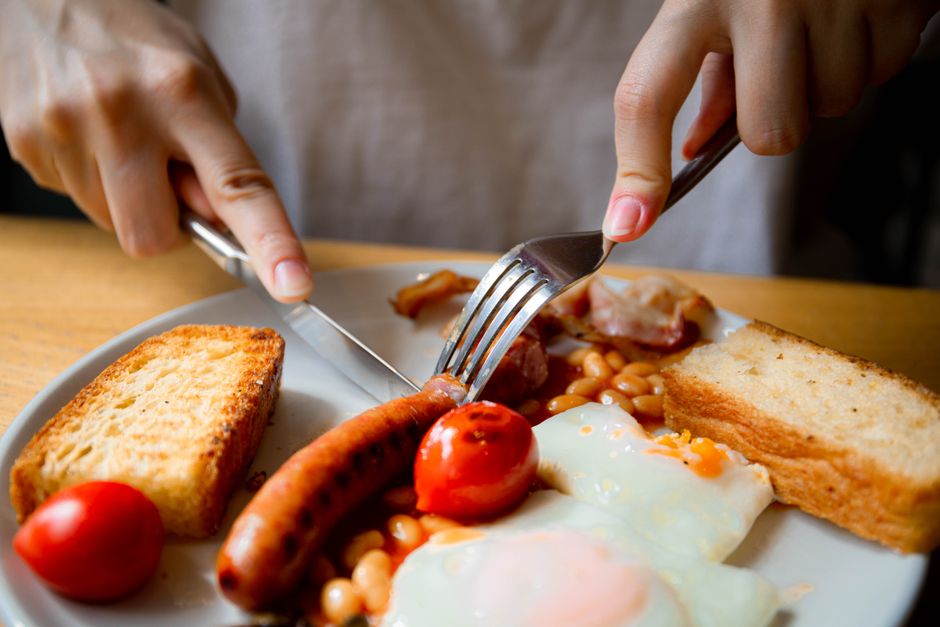
Eating simple carbohydrates first, whether that means juice, white toast, sweetened cereal, or a flavored coffee drink, sets off a blood glucose rise that the rest of your breakfast cannot fully counteract. Even a genuinely high-protein breakfast can feel unsatisfying if hunger-spiking carbohydrates hit your system before protein and fiber do. The fix costs nothing: just reorder what you eat first.
For a deeper look at why 9am hunger shows up even after a decent breakfast, Five Unexpected Reasons Your Breakfast Leaves You Hungry by 9am (And What Actually Fixes It) covers the most common reasons and practical solutions.

A Simple Starting Point
You do not need to overhaul every meal this week. Choose one combination from this list that fits your schedule and practice it for five to seven days. Notice whether mid-morning hunger arrives later or feels less urgent. Small, consistent changes in breakfast structure tend to have a ripple effect on how much you eat the rest of the day, which matters for sustainable weight management without relying on restriction.
If you find the protein pairing idea helpful, the Clean Body Mentor newsletter shares practical weekly guidance like this across meals, movement, and everyday habits.
Disclaimer: This article is for general educational and informational purposes only and is not a substitute for medical advice, diagnosis, or treatment. Health needs vary by individual. Consult a qualified healthcare professional before making significant changes to your diet, exercise routine, supplements, medication, or treatment plan, especially if you have a medical condition, are pregnant or breastfeeding, take medication, or have concerns about your symptoms.

Sources
- Leidy HJ, et al. “The role of protein in weight loss and maintenance.” American Journal of Clinical Nutrition, 2015. (National Institutes of Health, PubMed)
- Jakubowicz D, et al. Research on protein at breakfast and satiety hormones, published via Diabetes Care and related journals.
- U.S. Department of Agriculture FoodData Central for macronutrient estimates used in combination descriptions (USDA FoodData Central).
- Bowen J, et al. Research on protein type and satiety-related hormones including CCK and GLP-1, published in European Journal of Clinical Nutrition.