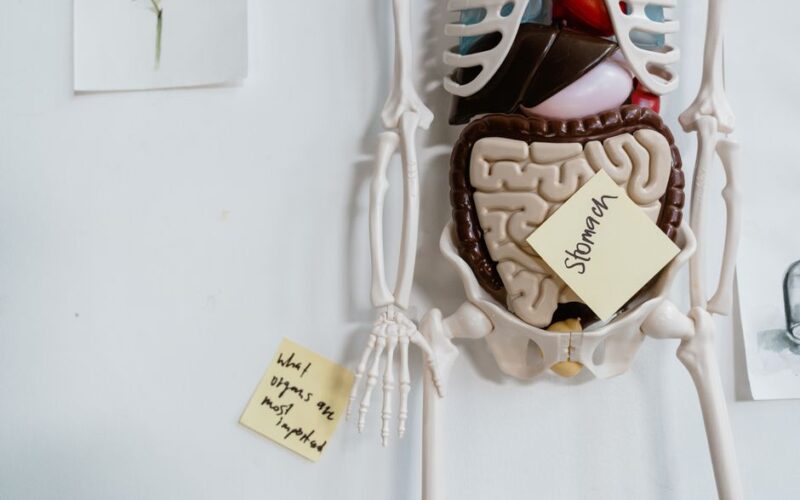


You ate. You sat down, had something that seemed reasonable, maybe even something with protein. And yet by 9am your stomach is already signaling for more. If this sounds familiar, you are not alone, and the reason is rarely as simple as “eat more.”
Understanding why you get hungry after breakfast often comes down to details most people overlook: the order you eat in, what you drink alongside your food, how fast digestion moves for your particular body, and whether your meal actually hits the right combination of nutrients. None of these require a dramatic overhaul. They just require a closer look.
Here are five overlooked reasons your breakfast may not be holding you through the morning, plus specific changes you can test this week.

1. You Are Eating Carbohydrates Before Protein
The sequence in which you eat nutrients at a meal is not just a quirky biohacking tip. A 2023 study published in Nutrients found that eating protein and vegetables before carbohydrates produced lower post-meal glucose spikes and more sustained satiety compared to eating carbohydrates first.
For breakfast, this plays out in a very recognizable way. If you start with toast, fruit, or oatmeal before getting to eggs, Greek yogurt, or another protein source, you may trigger a quicker blood sugar rise followed by a faster drop, which the body reads as a hunger signal.
The fix is low-effort: eat the protein on your plate first, then move to carbohydrates. This small reordering may help blunt that early crash without changing what you eat at all. For a deeper look at how this works, Protein Order at Breakfast Changes Your Hunger Signals All Day: The Science Behind Eating Eggs or Beans First walks through the research in practical terms.
2. Your Breakfast Is High in Protein but Low in Fiber and Fat
Protein is genuinely important for satiety, but it works best when it has backup. Fiber slows gastric emptying, meaning food lingers in your digestive system longer and fullness signals stay active. Dietary fat signals the release of hormones like cholecystokinin (CCK), which tells your brain the meal is substantial.
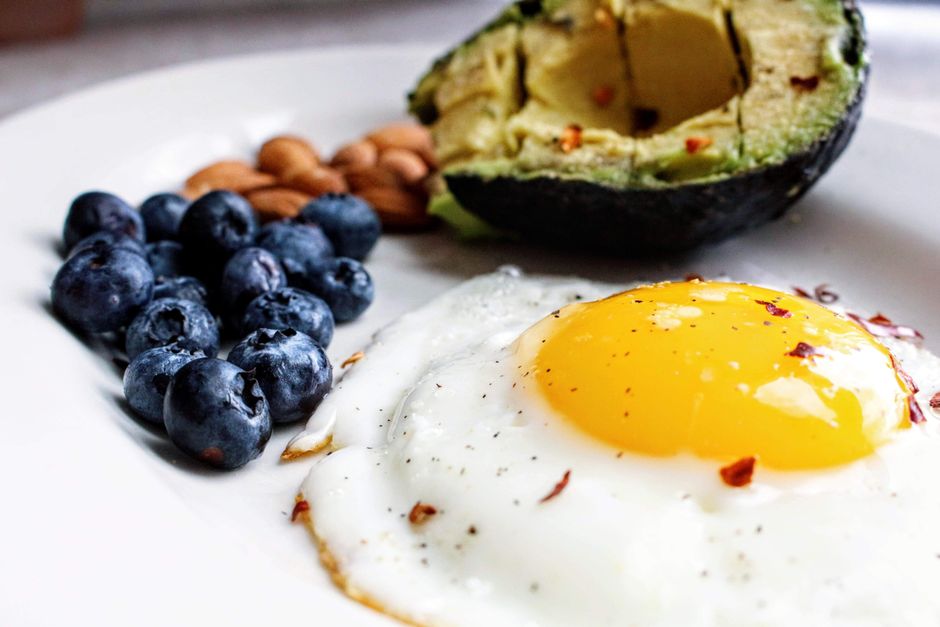
A breakfast of egg whites and a protein shake may deliver 30 grams of protein and almost no fiber or fat. That meal can clear your stomach relatively quickly, leaving you hungry well before lunch.
More effective combinations pair protein with slow-digesting fiber and a moderate amount of healthy fat. Think: two eggs with half an avocado and a slice of whole-grain toast, or Greek yogurt with chia seeds, berries, and a tablespoon of almond butter. How to Build a Balanced Breakfast Bowl With Whole Grains, Protein, and Healthy Fats has specific templates for exactly this kind of combination.

3. You Are Drinking Too Much Liquid During the Meal
This one catches people off guard. Drinking a large glass of water, a big cup of coffee, or a smoothie alongside a solid meal can dilute gastric acid and physically move food through your stomach faster than it would otherwise travel.
If you find yourself drinking 16 or more ounces of liquid during your meal, try scaling back to a smaller amount and spacing out the rest of your fluid intake around the meal instead of during it. Some people notice a genuine difference in how long their breakfast holds them. This is individual, so it is worth testing for a few days rather than assuming it applies to you.
Speaking of smoothies specifically, liquid meals present a separate challenge: they tend to clear the stomach faster than solid food. If a smoothie is your usual breakfast, Five Unexpected Reasons Your Smoothie Leaves You Hungry an Hour Later: Ingredient Order, Timing, and Satiety Fixes addresses this directly with ingredient-level adjustments.
4. Your Meal Is Too Small for Your Actual Energy Output
Calorie needs vary considerably based on body size, activity level, sleep quality, and stress. If you woke up earlier than usual, had a poor night of sleep, or exercised in the morning, your body’s demand for fuel is higher than it would be on a quiet, well-rested morning.
Research published by the National Sleep Foundation and the National Institutes of Health (NIH) consistently links poor sleep with elevated ghrelin (the hunger hormone) and reduced leptin (the fullness hormone). In other words, when you are tired, biological hunger signals run louder regardless of what you eat.
Rather than eating the same fixed breakfast every day, consider calibrating the portion to the morning. On days after poor sleep or with a workout before noon, a slightly larger breakfast with an extra source of protein or fat can reduce the likelihood of a 9am hunger spike. Seven High-Protein Breakfast Combos That Stop Morning Hunger by 10am offers structured combinations for different energy demands.

5. Your Individual Digestion Speed Is Faster Than Average
Gastric emptying time varies between people. Some individuals naturally process meals more quickly, and this is influenced by genetics, gut microbiome composition, hormones, and even the temperature of the food (warmer foods tend to move through faster than cold ones).
If you consistently get hungry after breakfast faster than others who eat the same meal, faster digestion may be a factor for you. Signs that this is relevant include feeling full immediately after eating but hungry again within 60 to 90 minutes, and finding that cold or room-temperature meals seem to satisfy you longer than warm ones.
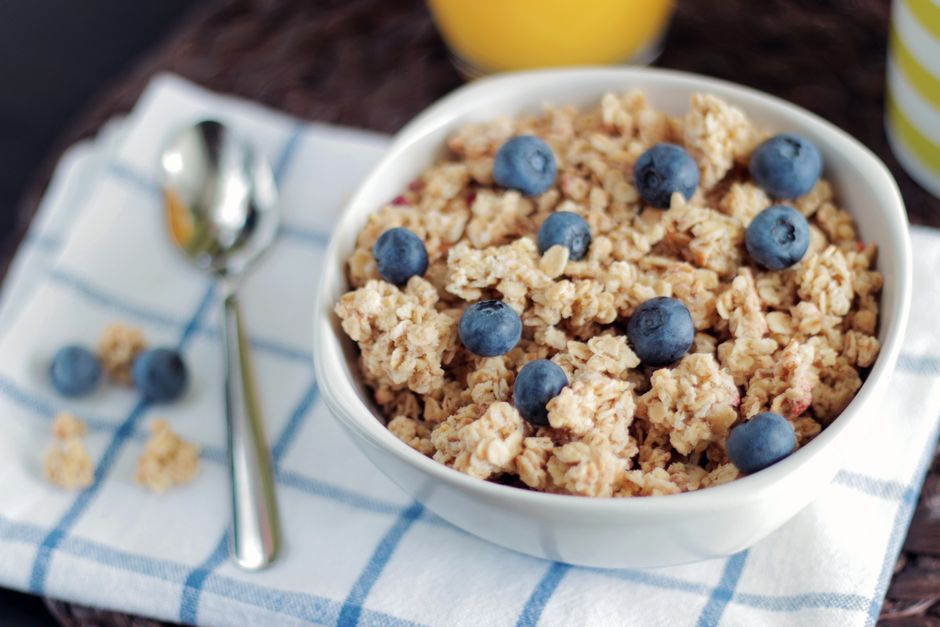
For faster digesters, adding foods with higher viscosity (think overnight oats, chia pudding, or legume-based dishes) can slow the process. Viscous fiber absorbs water and forms a gel-like consistency in the gut, which measurably slows gastric emptying according to a review in The Journal of Nutrition. If you also experience digestive discomfort or unpredictability alongside the early hunger, Five Unexpected Reasons Your Digestion Feels Heavy in the Afternoon (And How to Fix It) may help you identify other contributing patterns.

One Thing to Try First
You do not need to test all five changes at once. Pick the one that sounds most familiar and try it for three to five days in a row. Most people find one or two of these factors account for most of their early morning hunger, and a targeted adjustment makes a noticeable difference.
If you want more practical breakfast guidance, browse the Clean Body Mentor newsletter for weekly evidence-informed tips on nutrition, movement, and sustainable habits delivered without the noise.

Sources
- Shukla AP, et al. “Food Order Has a Significant Impact on Postprandial Glucose and Insulin Levels.” Diabetes Care, 2015. Published by the American Diabetes Association.
- Jakubowicz D, et al. Nutrient sequence and postprandial glucose effects. Nutrients, 2023.
- National Institutes of Health (NIH): Sleep deprivation and appetite-regulating hormones (ghrelin and leptin). National Heart, Lung, and Blood Institute resources.
- Dikeman CL, Fahey GC. “Viscosity as Related to Dietary Fiber: A Review.” Critical Reviews in Food Science and Nutrition, 2006.
- Liddle RA. “Cholecystokinin cells.” Annual Review of Physiology, 1997. (CCK and satiety signaling.)
This article is for general educational and informational purposes only and is not a substitute for medical advice, diagnosis, or treatment. Health needs vary by individual. Consult a qualified healthcare professional before making significant changes to your diet, exercise routine, supplements, medication, or treatment plan, especially if you have a medical condition, are pregnant or breastfeeding, take medication, or have concerns about your symptoms.