
You ate lunch. A decent lunch, even. But by 3pm your stomach is already sending signals, and you find yourself standing in front of the pantry looking for something, anything, to push through until dinner. Sound familiar?
The problem usually is not willpower or portion size. It is the composition of what you ate. A high-protein lunch for satiety is not just about adding a chicken breast to a salad. It is about combining the right amount of protein with fiber and healthy fat, arranging those components so digestion is steady, and choosing ingredients that actually work for your schedule and preferences.
This guide breaks down the math, the layering logic, and five complete bowl combinations you can rotate through the week.
Why Most Lunches Fail the Afternoon Test
Satiety is influenced by three things working together: protein, fiber, and fat. Research published in the American Journal of Clinical Nutrition (NIH PubMed) consistently shows that protein is the most satiating macronutrient, partly because it stimulates gut hormones like GLP-1 and peptide YY that signal fullness to the brain. Fiber slows gastric emptying, meaning food stays in your stomach longer. Healthy fats help absorb fat-soluble nutrients and add staying power.
When lunch is carbohydrate-heavy with minimal protein or fiber, blood glucose rises quickly and then drops, often triggering hunger or low energy by early afternoon. Pairing your carbohydrates with protein and fiber blunts that curve considerably. If you want more on why refined carbs specifically undermine afternoon clarity, Lunch Carbs and Afternoon Clarity: Why Refined vs. Whole-Grain Timing Changes Your 2pm Focus covers this in useful detail.
The Macro Target That Actually Works
You do not need to count every gram to benefit from this approach, but understanding rough targets helps you make better choices quickly.
For a lunch designed to carry you through to 6pm, aim for:
- Protein: 30 to 40 grams. Research suggests this range is sufficient to activate satiety signaling for most adults. The USDA Dietary Guidelines note that most Americans fall short of this at the midday meal.
- Fiber: 8 to 12 grams. A mix of soluble fiber (like beans or oats) and insoluble fiber (like leafy greens or seeds) is more effective than one type alone.
- Healthy fat: 15 to 20 grams. Think olive oil, avocado, nuts, or seeds rather than refined oils.
- Carbohydrates: 40 to 55 grams from whole-food sources. Whole grains, legumes, and starchy vegetables contribute fiber alongside energy.
These are general targets for a moderately active adult. Individual needs vary, so treat this as a useful starting point rather than a strict prescription.
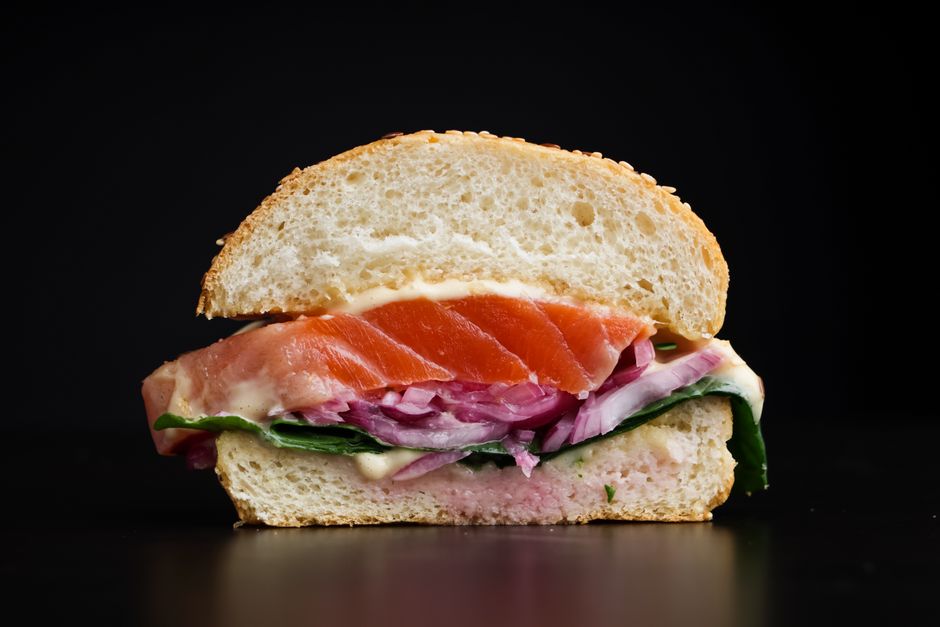
The Layering Order That Changes Everything
How you build a bowl matters beyond ingredient selection. A practical layering sequence:
- Base first (fiber and complex carbs): Leafy greens, cooked whole grains, or a combination.
- Bulk second (more fiber and volume): Roasted or raw vegetables.
- Protein third: Cooked beans, chicken, eggs, tofu, fish, or cottage cheese.
- Fat layer last: Avocado slices, a drizzle of tahini or olive oil, or a small handful of seeds.
Eating protein before simple carbohydrates at a meal has been shown in small clinical studies (cited in a Diabetes Care research letter, 2015) to reduce post-meal glucose spikes. If you are also curious how eating order affects digestion comfort specifically, Why Your Stomach Feels Heavy After Lunch and How Eating Order Actually Fixes It is worth reading alongside this guide.
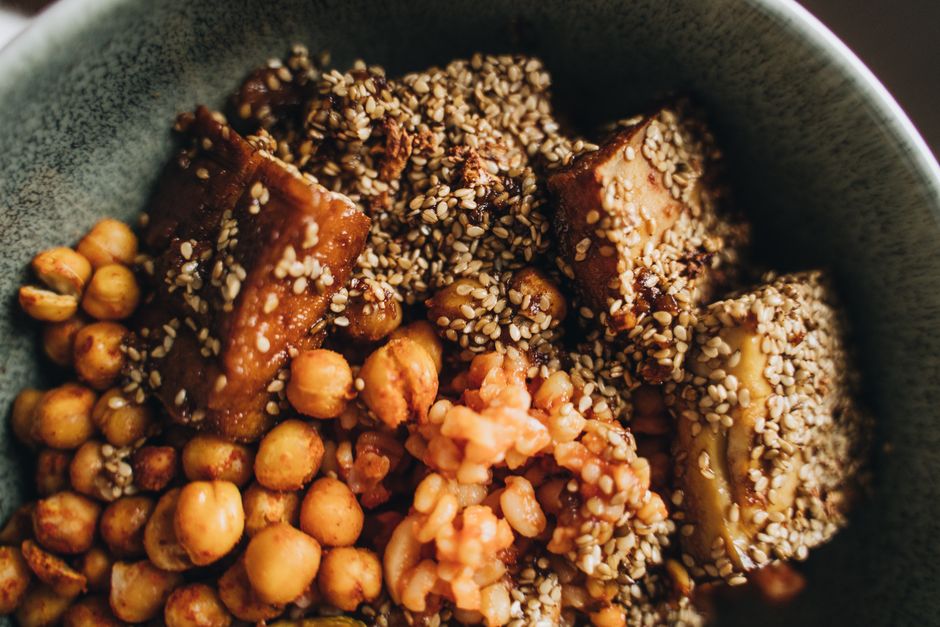
Five High-Protein Lunch Bowl Combinations
Each combination below hits close to the macro targets above. Swaps are noted for different dietary preferences.
Bowl 1: The Mediterranean Chickpea Base
- 1 cup cooked quinoa
- 1 cup canned chickpeas (rinsed)
- 1 cup chopped cucumber, tomato, and red onion
- 2 tablespoons hummus
- 1/4 avocado, sliced
- Squeeze of lemon, fresh parsley
Why it works: Chickpeas deliver about 15g protein plus 12g fiber per cup. Quinoa adds another 8g complete protein. The avocado and hummus cover your fat portion without a heavy dressing. Total estimated protein: 32 to 35g.
Swap: Replace quinoa with cauliflower rice for fewer carbohydrates, or add a soft-boiled egg for an extra 6g protein.
Bowl 2: The Lean Poultry and Grain Bowl
- 4 oz grilled chicken breast, sliced
- 3/4 cup cooked farro or brown rice
- 2 cups mixed greens
- 1/2 cup roasted sweet potato cubes
- 1 tablespoon olive oil and apple cider vinegar dressing
- 1 tablespoon pumpkin seeds
Why it works: Chicken breast is a lean, high-density protein source at approximately 35g per 4 oz cooked. Farro contributes more fiber than white rice and has a lower glycemic impact. Pumpkin seeds add zinc and a satisfying crunch without excess calories.
Swap: Use canned tuna or baked tofu for different protein sources.
Bowl 3: The Greek Yogurt Power Bowl (Savory)
- 3/4 cup plain full-fat Greek yogurt as a base
- 1/2 cup cooked lentils
- 1 cup roasted zucchini and bell peppers
- 1 tablespoon tahini drizzled on top
- Fresh dill and a pinch of cumin
Why it works: Greek yogurt provides roughly 18g protein per 3/4 cup and beneficial probiotics. Lentils add 9g more protein plus significant soluble fiber. This combination is quick to assemble if lentils are prepped in advance.
Swap: Use dairy-free coconut yogurt and increase lentils to one full cup for a plant-based version.
Bowl 4: The Salmon and Green Bowl
- 3 oz baked or canned salmon
- 1 cup cooked edamame
- 2 cups spinach, lightly sauteed or raw
- 1/2 cup shredded carrots
- 1 tablespoon sesame oil and rice vinegar dressing
- 1 tablespoon sesame seeds
Why it works: Salmon provides omega-3 fatty acids alongside approximately 20g protein per 3 oz. Edamame adds another 17g protein and meaningful fiber. This bowl requires minimal prep if you keep canned salmon and frozen edamame on hand.
Swap: Swap salmon for tempeh for a fully plant-based version that maintains protein density.
Bowl 5: The Black Bean and Egg Fiesta Bowl
- 2 large eggs, scrambled or fried
- 3/4 cup black beans (canned, rinsed)
- 1/2 cup cooked brown rice
- 1 cup chopped romaine and salsa
- 1/4 avocado
- A pinch of cumin and lime juice
Why it works: Black beans contribute fiber and plant protein. Eggs add complete protein and leucine, an amino acid involved in muscle protein synthesis (noted by the American Journal of Clinical Nutrition). This is a fast, budget-friendly option ideal for meal prep.
Swap: Use tofu scramble in place of eggs for a vegan version.
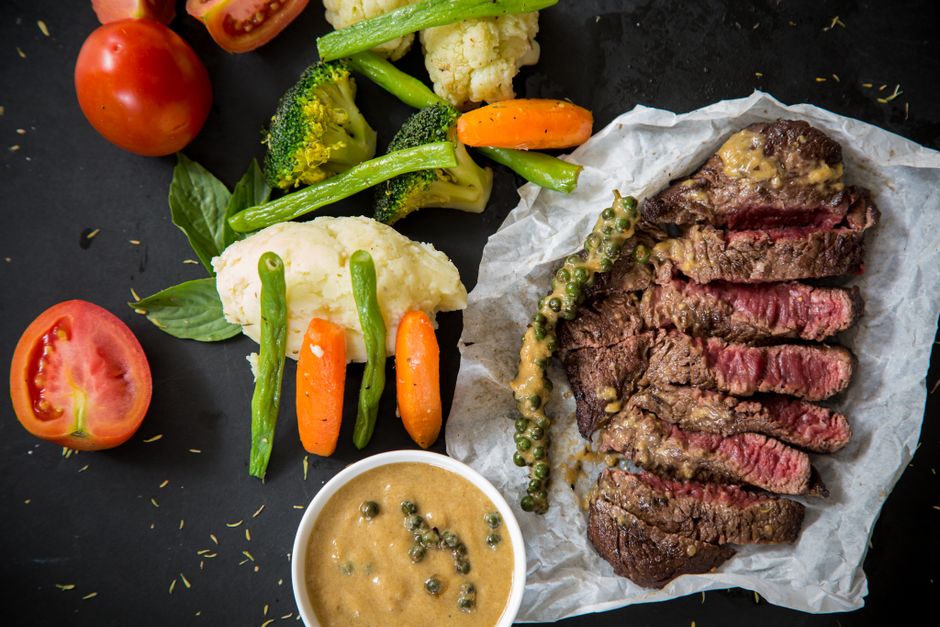
Practical Tips for Making This Stick
Building a satisfying high-protein lunch for satiety on a regular basis does not require cooking every day. A few habits that help:
- Batch cook your grains and legumes on Sunday. Most keep well refrigerated for four days.
- Keep two or three protein anchors in rotation so you are not making the same bowl every day.
- Pre-chop your vegetables and store them in clear containers at eye level in the refrigerator.
If afternoon hunger still creeps in despite a well-built bowl, it may be worth examining whether you are eating enough total calories or whether stress and thirst are mimicking hunger signals. Five Unexpected Reasons Your Afternoon Hunger Spikes at 3pm and What to Eat to Stop It addresses some of those less obvious contributors.
For days when your lunch does not hold you and you need a bridge snack before dinner, High-Protein Snacks That Actually Keep You Full: Plant-Based and Omnivore Options for Sustainable Afternoon Energy offers quick, real-food options without protein bars.
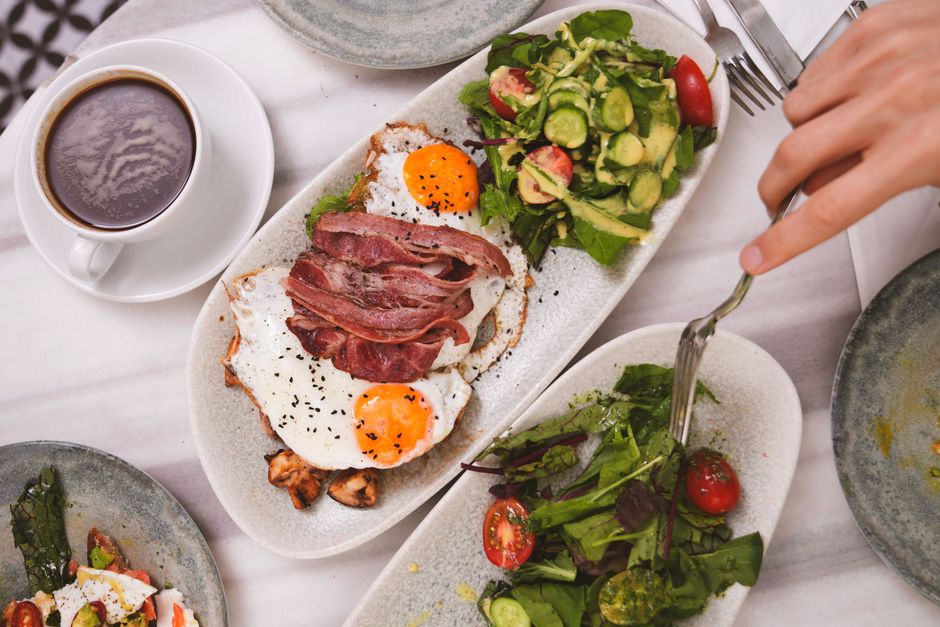
One Action Worth Starting Today
Choose one bowl from this list, note which two ingredients you already have, and build around those. Consistency over novelty is what makes a nutrition habit sustainable. If you want more practical, evidence-informed guidance on fueling your day well, the Clean Body Mentor newsletter covers meal strategies like this each week.
This article is for general educational and informational purposes only and is not a substitute for medical advice, diagnosis, or treatment. Health needs vary by individual. Consult a qualified healthcare professional before making significant changes to your diet, exercise routine, supplements, medication, or treatment plan, especially if you have a medical condition, are pregnant or breastfeeding, take medication, or have concerns about your symptoms.

Sources
- Weigle DS et al. “A high-protein diet induces sustained reductions in appetite.” American Journal of Clinical Nutrition, 2005. Available via NIH PubMed.
- Shukla AP et al. “Food order has a significant impact on postprandial glucose and insulin levels.” Diabetes Care, 2015.
- USDA Dietary Guidelines for Americans, 2020-2025. dietaryguidelines.gov
- Paddon-Jones D et al. “Protein and healthy aging.” American Journal of Clinical Nutrition, 2015. Available via NIH PubMed.