


It is 3pm and you are reaching for something, again. If that snack is mostly carbohydrates or fat without meaningful protein, research suggests hunger will return faster than you expect. The reason has less to do with willpower and more to do with how protein affects hunger hormones.
A review published in the American Journal of Clinical Nutrition found that higher-protein eating patterns increase satiety hormones like GLP-1 and peptide YY while suppressing ghrelin, the hormone that drives hunger. The problem is that most convenient snacks, crackers, granola bars, flavored rice cakes, underdeliver on protein and overdeliver on refined carbohydrates.
This guide reviews whole-food high-protein snacks for satiety across both plant-based and omnivore approaches, comparing each option on protein yield, satiety staying power, cost, and realistic prep time. No powders or bars required.
If your afternoon hunger tends to spiral regardless of what you eat at lunch, it may also help to read about why your afternoon cravings feel impossible to ignore and how protein pairing interrupts the cycle before building your rotation.
Why Whole-Food Protein Beats Most Packaged Snacks for Satiety
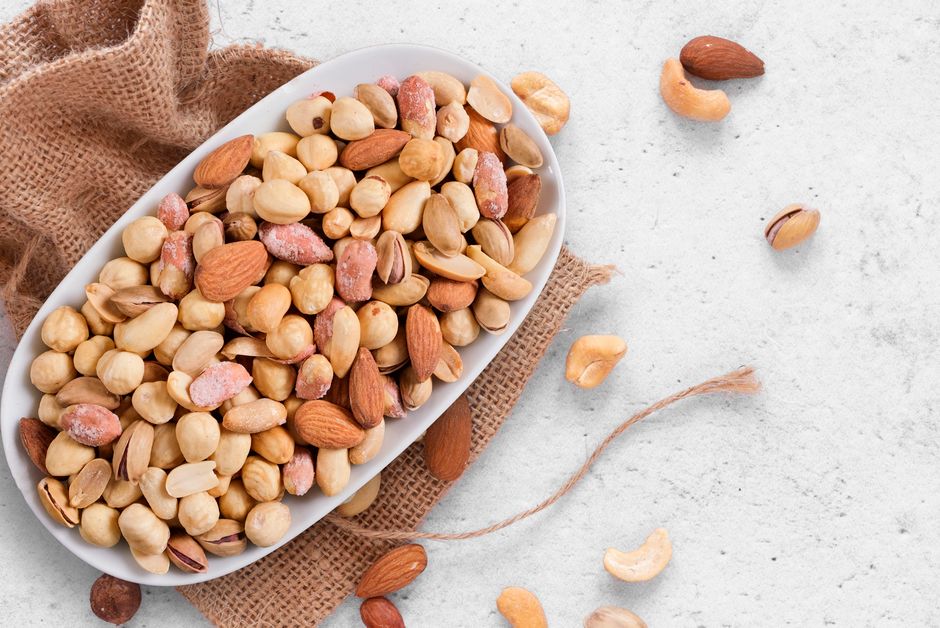
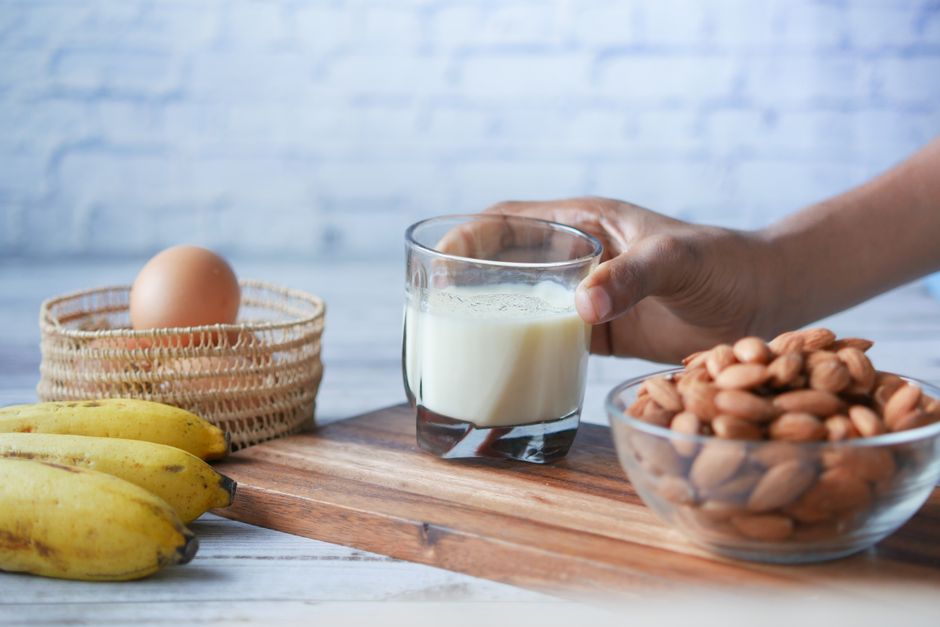
Protein from whole foods tends to come packaged with fiber, healthy fats, and micronutrients that compound satiety. A handful of almonds, for example, delivers protein alongside fiber and monounsaturated fat. That combination slows gastric emptying more than an isolated protein source does.
Packaged bars and protein powders can fill a gap, but many contain enough added sugar or emulsifiers to blunt their satiety advantage. For a sustainable snack rotation, whole foods are worth anchoring to, with bars as a backup rather than a default.
For context on how snack timing fits into your broader day, protein timing across your day covers how distributing protein across meals and snacks shapes hunger and energy better than total daily intake alone.
Plant-Based High-Protein Snacks: What the Options Actually Deliver
Edamame (Shelled, Lightly Salted)
Half a cup of shelled edamame provides roughly 9 grams of complete protein along with fiber and folate. It is one of the few plant foods that contains all nine essential amino acids. Frozen edamame reheats in three minutes, making it a genuinely low-effort option. Cost is low, especially when bought frozen in bulk.
Satiety rating: High. The fiber-protein combination holds hunger well for 2 to 3 hours in most people.
Roasted Chickpeas
A quarter cup of roasted chickpeas delivers around 7 grams of protein with significant fiber. The crunch makes them more satisfying than soft snacks for many people, which matters because texture affects perceived fullness. You can batch-roast a week’s worth in about 30 minutes, or buy pre-roasted varieties.
Satiety rating: Moderate to high. Fiber content is the main satiety driver here, with protein as a secondary factor.
Hemp Seeds or Pumpkin Seeds
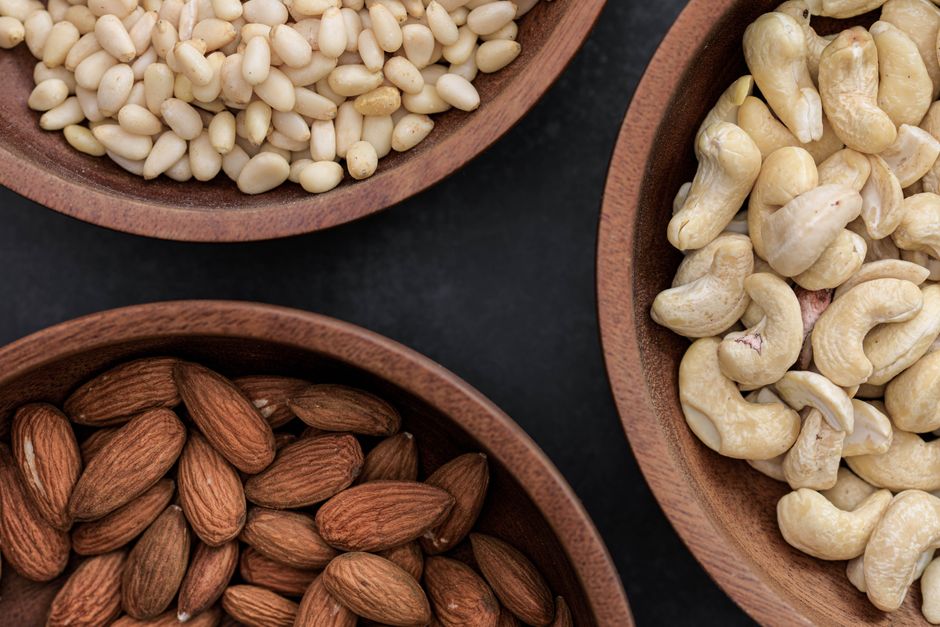
Three tablespoons of hemp seeds provide about 10 grams of protein and healthy fats. Pumpkin seeds offer roughly 9 grams per ounce. Both are shelf-stable, require zero prep, and mix into yogurt, apple slices, or eaten plain. Seeds are calorie-dense, so a small serving goes a long way.
Satiety rating: Moderate to high. Fat content extends fullness, though seeds work best paired with fiber (fruit, vegetables) for strongest effect.
Cottage Cheese or Greek Yogurt (Lacto-Vegetarian Option)
Plain cottage cheese delivers about 14 grams of protein per half cup. Plain Greek yogurt provides 15 to 17 grams per 170-gram serving, depending on brand. Both are affordable, fast, and versatile. Add a tablespoon of hemp seeds and berries and you have a legitimately filling snack with fiber, protein, and fat all present.
Satiety rating: Very high. Casein protein in dairy digests slowly, which research suggests is especially useful for preventing between-meal hunger.
For a deeper look at combining plant proteins strategically, plant-based protein timing for stable energy explains how legumes, grains, and seeds work together throughout the day.
Omnivore High-Protein Snacks: Practical Options Beyond Protein Bars
Hard-Boiled Eggs
Two hard-boiled eggs contain about 12 grams of protein plus choline and fat-soluble vitamins. They can be batch-cooked on Sunday and eaten cold all week, making them one of the most cost-effective high-protein snacks for satiety available. The fat in the yolk contributes to sustained fullness.
Satiety rating: Very high. Studies referenced by the USDA’s dietary guidelines consistently flag eggs as a high-quality, satiating protein source.
Canned Sardines or Tuna
A small tin of sardines provides 17 to 20 grams of protein per serving along with omega-3 fatty acids. Canned light tuna offers similar protein content. The cost per gram of protein is hard to beat. Sardines do require comfort with a stronger flavor, but eaten on whole-grain crackers with mustard or sliced cucumber, they become a satisfying, complete snack.
Satiety rating: Very high. High protein density plus fat content makes this one of the strongest options on this list.
Cost and convenience: Very low cost, no refrigeration needed until opened, minimal prep.
Sliced Turkey or Chicken with Hummus
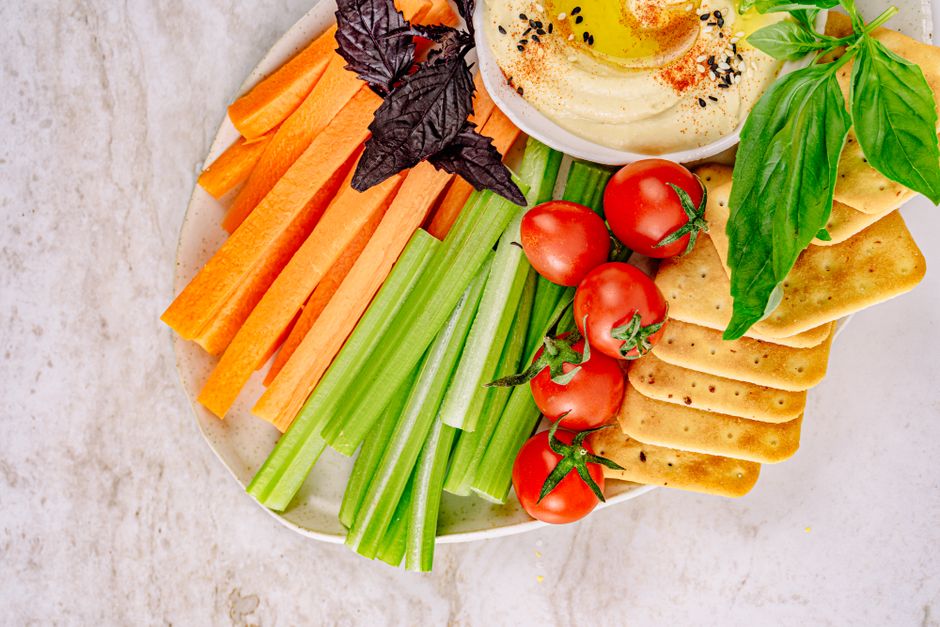
Three ounces of deli turkey provides about 14 grams of protein. Paired with two tablespoons of hummus, you add plant protein, fiber, and healthy fat. This combination hits multiple satiety levers at once. Choose lower-sodium deli options when possible, as sodium intake can mask thirst as hunger.
Satiety rating: High. The protein-fat-fiber combination is effective for most people.
A Practical Snack Rotation You Can Actually Stick To
The goal is not to eat the same snack every day but to have three or four go-to options that match different situations: desk at work, on the road, after a workout, low energy for prep.
- Desk snack (no prep needed): Pumpkin seeds or roasted chickpeas kept in your bag or drawer.
- Fridge snack (2-minute prep): Hard-boiled eggs or cottage cheese with fruit.
- Protein-forward snack after movement: Greek yogurt with hemp seeds, or sardines on whole-grain crackers.
- Budget-friendly batch option: Roasted chickpeas or hard-boiled eggs prepped on Sunday.
For a fuller framework on building variety into your week, how to build a high-protein snack rotation that fits your real life offers a practical structure you can adapt.
Matching Your Snack to Your Afternoon Pattern
If your afternoon hunger tends to spike sharply around 2 to 3pm, the issue may partly be your lunch composition rather than snack choice alone. Building a high-protein lunch for stable afternoon energy addresses the upstream cause, which can reduce how much you depend on snacks to bridge the gap.
The most sustainable approach is choosing one or two options from this list that realistically fit your current schedule, keeping the ingredients accessible, and building the habit gradually rather than overhauling your entire routine at once.
Sources
- Leidy, H.J., et al. (2015). “The role of protein in weight loss and maintenance.” American Journal of Clinical Nutrition. Published by Oxford University Press on behalf of the American Society for Nutrition.
- U.S. Department of Agriculture and U.S. Department of Health and Human Services. Dietary Guidelines for Americans, 2020-2025. Available at dietaryguidelines.gov.
- Westerterp-Plantenga, M.S., et al. (2012). “Dietary protein, weight loss, and weight maintenance.” Annual Review of Nutrition.
This article is for general educational and informational purposes only and is not a substitute for medical advice, diagnosis, or treatment. Health needs vary by individual. Consult a qualified healthcare professional before making significant changes to your diet, exercise routine, supplements, medication, or treatment plan, especially if you have a medical condition, are pregnant or breastfeeding, take medication, or have concerns about your symptoms.