
You started strong. Greek yogurt in the morning, a hard-boiled egg in the afternoon. For about two weeks, it worked. Then boredom set in, life got busy, and suddenly you were grabbing whatever was nearest at 3pm.
This is not a willpower problem. It is a system problem.
Most snacking advice gives you a list of “good” options and leaves the execution entirely up to you. What actually helps is building a rotation: a planned set of 6-8 high-protein snacks that you cycle through intentionally, chosen to fit your real schedule, taste preferences, and budget. When variety is built in from the start, boredom loses its grip and consistency becomes much easier.
Here is how to set that system up.
Step 1: Anchor Around One Protein Target Per Snack
Before you pick snacks, it helps to know what you are aiming for. Research published by the National Institutes of Health suggests that protein helps regulate appetite hormones and supports satiety between meals. A reasonable target for most adults is roughly 10-20 grams of protein per snack, though your specific needs depend on body size, activity level, and overall daily intake.
You do not need to obsess over precise numbers. Instead, use that range as a filter: when you are evaluating a snack option, ask whether it can realistically deliver around that amount without heavy preparation or expense. This keeps your rotation grounded in nutrition rather than just convenience.
For a deeper look at how protein distribution across the day shapes energy and hunger, the Protein Timing Across Your Day guide covers breakfast, lunch, and snack timing in practical detail.
Step 2: Sort Your Snacks by Context
One of the most overlooked snack-planning mistakes is treating all snack moments the same. Your 10am snack at a desk is a completely different situation from your post-workout snack in a gym bag or your evening snack at home.
Split your rotation into three contexts:
- At home or in a kitchen: You have refrigerator access and a few minutes. Options like cottage cheese with fruit, hard-boiled eggs, or edamame work well here.
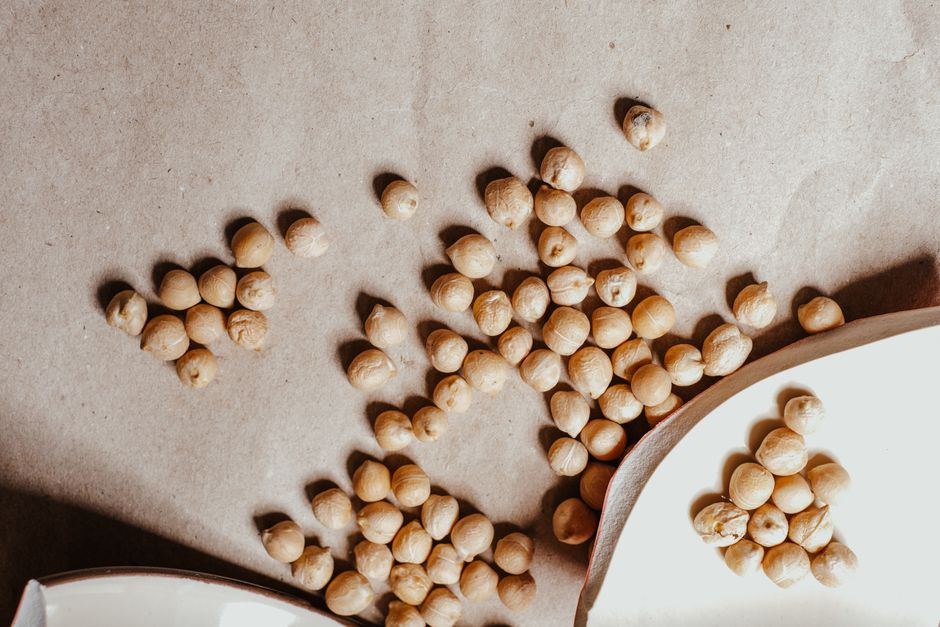
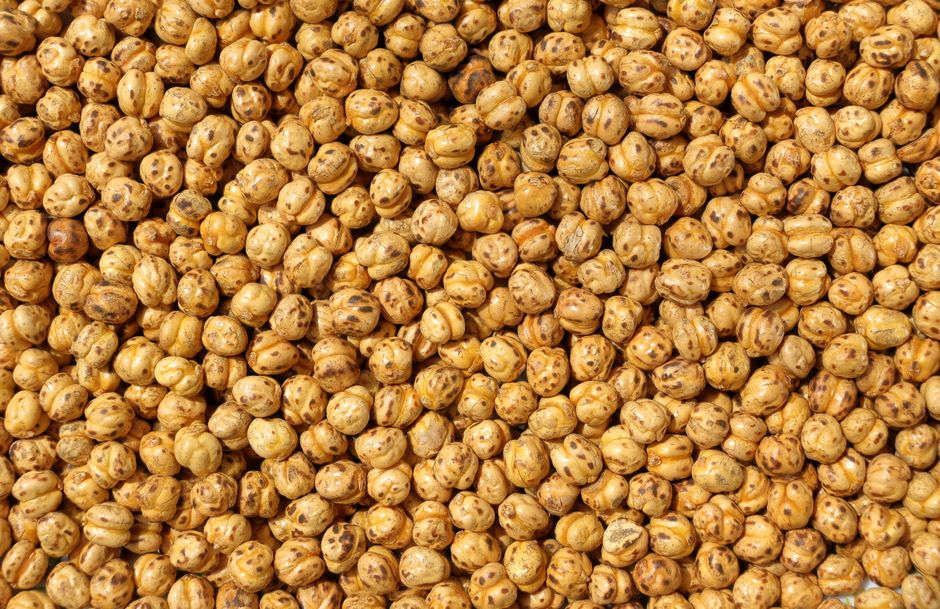
- On the go or at a desk: You need something shelf-stable and no-prep. Think single-serve nut butter packs with apple slices, roasted chickpeas, or individually wrapped cheese sticks.
- Post-workout or high-hunger moments: You want something satisfying with moderate carbs alongside protein. A small smoothie, a rice cake with tuna, or full-fat yogurt with granola fits here.
When you assign snacks to contexts rather than just listing them, you stop relying on in-the-moment decisions. The right snack is already matched to the moment.
If you want whole-food options without relying on bars or powders, the article Seven High-Protein Snacks That Keep You Full Without Bars or Powders is a useful companion read.
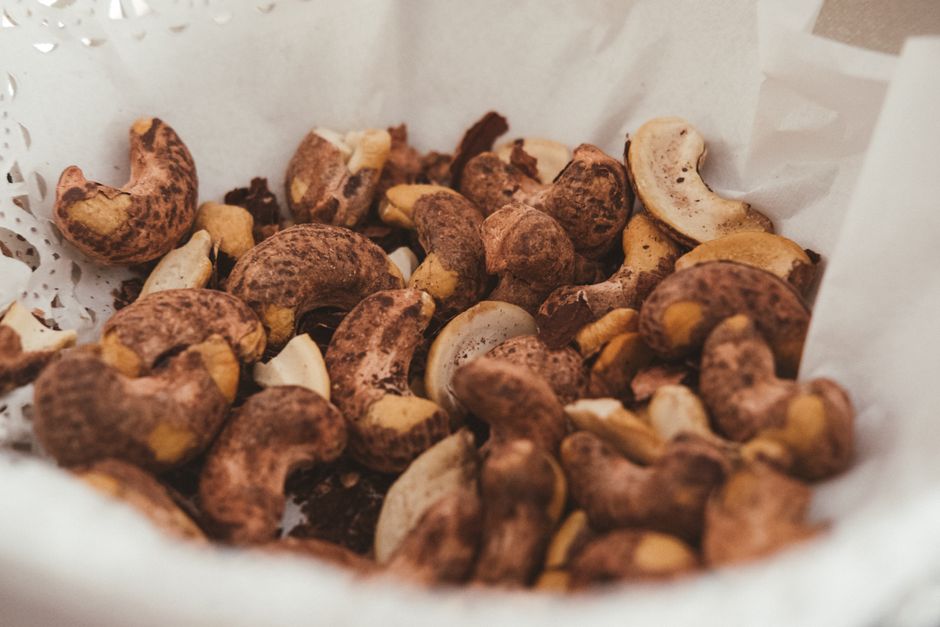
Step 3: Build Your 6-8 Option Rotation
Here is a starter rotation you can customize. Aim for at least two options per context so you always have a backup.
Kitchen-friendly options:
- Greek yogurt (plain, full-fat, topped with berries and a handful of nuts) – roughly 15-20g protein
- Cottage cheese with sliced cucumber and everything bagel seasoning – roughly 14-18g protein
- Two hard-boiled eggs with a small handful of almonds – roughly 14g protein
- Edamame (1 cup, shelled) with sea salt – roughly 17g protein
On-the-go options:
5. String cheese (two sticks) with an apple – roughly 14g protein
6. Roasted chickpeas (single-serve bag, look for 6-9g per serving) paired with a small protein bar if needed
7. Single-serve almond butter packet with rice cakes – roughly 7-8g protein per packet (pair with cottage cheese if you need more)
Post-workout or high-hunger options:
8. Tuna pouch on a whole-grain rice cake with avocado – roughly 20-25g protein
The point is not to follow this list exactly. It is to see how a rotation with built-in variety removes the daily decision fatigue that leads to snack drift.
If afternoon hunger keeps catching you off guard, pairing fiber with protein can extend satiety. The article on Afternoon Hunger and Food Pairing explains which combinations actually help stabilize blood sugar between meals.
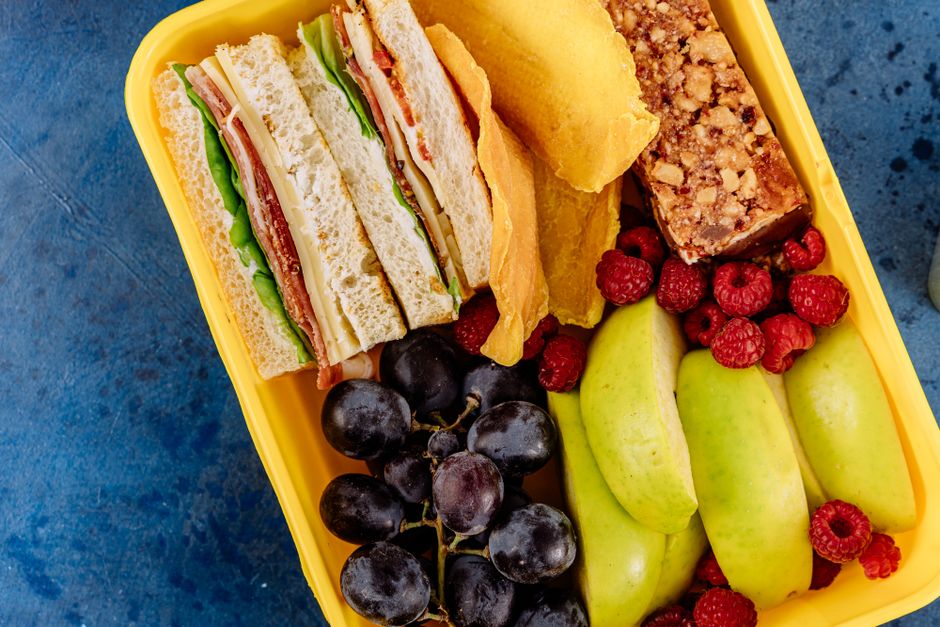
Step 4: Prep Ahead So the Right Choice Is Also the Easy Choice
High-protein snacks that are sustainable are ones that require the least friction at the moment you are hungriest. That means doing a small amount of prep at the start of each week.
A practical Sunday habit:
- Boil a batch of 6-8 eggs and store them in the fridge (they keep 5 days)
- Portion out single servings of nuts into small bags or containers
- Wash and cut fruit so it is grab-ready
- Stock the pantry with two or three shelf-stable options for the work bag
This is not full-scale meal prep. It is a 20-minute setup that removes the barrier between you and a solid snack. If you want to expand this into a broader food prep habit, the Meal Prep for Beginners guide walks through a step-by-step system without assuming you have hours to spare.
Step 5: Rotate Deliberately to Prevent Boredom
Once your rotation is in place, the key to making it sustainable is planned variety rather than accidental variety. This means swapping two or three snacks every two weeks, not overhauling everything at once.
Practical ways to rotate without stress:
- Swap the flavor profile of a familiar base (plain yogurt to vanilla, or switch from almonds to pistachios)
- Rotate seasonal fruit so the pairing stays fresh
- Introduce one new option every two weeks, replacing whatever you are most tired of
- Keep two to three “anchor” snacks that you almost always like, and rotate around those
This gradual rotation approach mirrors what research on habit formation suggests: small, incremental changes are more likely to persist than complete overhauls (per the National Institute of Diabetes and Digestive and Kidney Diseases guidelines on sustainable behavior change).
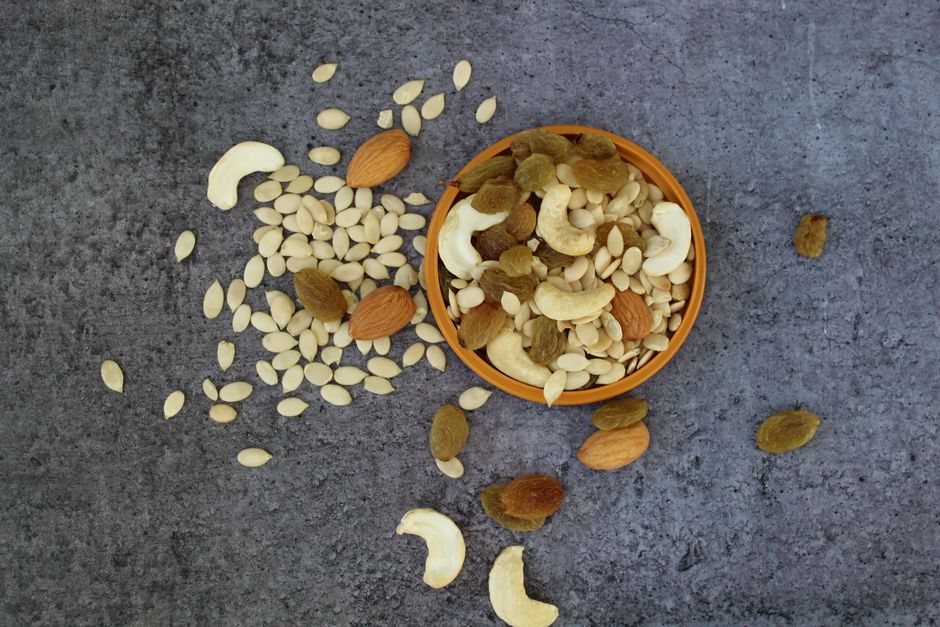
Making It Personal
A snack rotation that is high-protein and sustainable for you is one that fits your food preferences, not a generic template. If dairy bothers you, lean toward edamame, tuna, and nut-based options. If budget is a concern, eggs, canned fish, and legumes offer strong protein at low cost. If you are plant-based, the Building Lean Muscle on Vegetarian Protein Sources article includes practical options worth incorporating.
The goal is a system you return to automatically, not one you white-knuckle through. Start by choosing just one snack from each context above, prep it this week, and notice how much easier the decision becomes when the work is already done.
For practical weekly wellness guidance, the Clean Body Mentor newsletter rounds up tools like this every week. It is a low-pressure way to keep building habits that actually last.
This article is for general educational and informational purposes only and is not a substitute for medical advice, diagnosis, or treatment. Health needs vary by individual. Consult a qualified healthcare professional before making significant changes to your diet, exercise routine, supplements, medication, or treatment plan, especially if you have a medical condition, are pregnant or breastfeeding, take medication, or have concerns about your symptoms.
Sources
- Leidy HJ et al. “The role of protein in weight loss and maintenance.” American Journal of Clinical Nutrition, 2015. Published via NIH/PubMed.
- National Institute of Diabetes and Digestive and Kidney Diseases. “Changing Your Habits for Better Health.” NIDDK.nih.gov.
- Paddon-Jones D, Leidy H. “Dietary protein and muscle in older persons.” Current Opinion in Clinical Nutrition and Metabolic Care, 2014. NIH/PubMed.