
You ate lunch. A full plate. And by 3pm you are staring at the snack drawer like you skipped a meal entirely.
This is one of the most common nutrition frustrations readers share, and it almost never comes down to a lack of discipline. More often, it comes down to how the earlier meals were built. Specifically, whether lunch included the right combination of nutrients to keep your blood sugar steady through the afternoon.
This guide explains why afternoon hunger blood sugar meal combinations matter so much, and gives you practical lunch builds you can use starting today.
Why Blood Sugar Drops Around 3pm
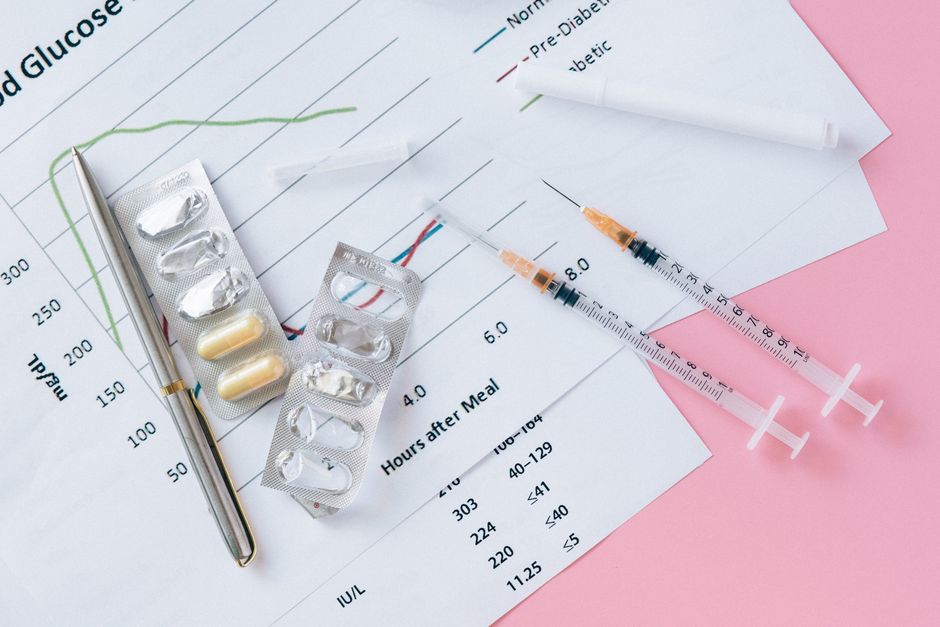
After you eat a meal, your blood sugar rises as carbohydrates are digested and glucose enters the bloodstream. Insulin is released to move that glucose into your cells. The speed and height of this rise and fall depends largely on what you paired together at the meal.
A lunch built mostly from refined carbohydrates (white bread, white rice, sweet sauces, chips alongside a sandwich) produces a faster, steeper glucose spike. Insulin rises to match it. Blood sugar then drops below your pre-meal baseline, a pattern sometimes called a postprandial glucose dip. That dip triggers hunger signals, fatigue, and cravings for something sweet or starchy, because your body reads the drop as a need for quick fuel.
Research published in Nature Metabolism (2021) found that even in healthy adults without diabetes, large postprandial blood sugar dips after lunch were strongly associated with increased hunger, lower energy, and greater caloric intake in the hours following the meal. The dip, not the meal size, predicted afternoon cravings.
If your 3pm slump hits reliably, your lunch composition is almost certainly worth adjusting before you reach for another coffee. Speaking of which, research suggests caffeine timing after 2pm may actually backfire on stable energy in ways that make the cycle worse.
The Three Nutrients That Change the Afternoon Picture
You do not need a complicated formula. Three nutrient categories, eaten together, slow glucose absorption and reduce the height and speed of your blood sugar rise after lunch.
Protein slows gastric emptying and stimulates satiety hormones including GLP-1 and peptide YY. A lunch with at least 25 to 35 grams of protein from whole-food sources is associated with reduced hunger signals in the following three to four hours. Protein at lunch shapes your 3pm energy more reliably than caffeine does.
Fiber slows carbohydrate absorption and feeds gut bacteria that support steady digestion. Soluble fiber in particular forms a gel-like barrier in the intestine that moderates glucose release. Beans, lentils, vegetables, and whole grains all contribute.
Healthy fat further delays gastric emptying and adds satiety without a blood sugar response on its own. Avocado, olive oil, nuts, and seeds are practical lunch additions.
The combination of these three alongside a moderate portion of complex carbohydrates produces a shallower, longer glucose curve rather than a sharp spike and crash.
Four Lunch Combinations That Actually Work
These are not strict recipes. They are structural templates you can adapt to your preferences and schedule.
1. The Grain Bowl With a Protein Anchor
- Base: half a cup of cooked farro, brown rice, or quinoa
- Protein anchor: 4 to 5 ounces of grilled chicken, canned salmon, or baked tofu
- Vegetables: roasted or raw, at least a large handful
- Fat: a quarter avocado or a drizzle of tahini
- Optional fiber boost: a quarter cup of chickpeas or black beans
Why it works: The fiber in the whole grain and legumes slows glucose absorption. The protein and fat anchor satiety hormones through the afternoon without a blood sugar spike.
2. The Big Salad With Enough Protein to Count
A salad that causes afternoon hunger is usually missing adequate protein and fat. This version is different.
- Greens plus raw or roasted vegetables (aim for volume and color)
- 4 ounces of hard-boiled eggs, tuna, chicken, or lentils
- Nuts or seeds for fat and crunch
- Olive oil and vinegar dressing (vinegar may modestly blunt glucose spikes, according to a small study in the European Journal of Clinical Nutrition)
- Whole grain croutons or a slice of whole grain bread on the side if you want carbohydrates
3. The Protein-Vegetable Wrap With Smart Swaps
- Whole grain or high-fiber tortilla (aim for at least 5 grams of fiber per serving)
- Turkey, tuna salad made with Greek yogurt instead of mayonnaise, or hummus and roasted vegetables
- Spinach, sliced cucumber, shredded cabbage
- A smear of avocado or a small handful of nuts on the side
The fiber in the wrap and vegetables softens the carbohydrate load. The protein replaces the missing satiety you would not get from a white flour wrap alone.
4. The Leftovers Strategy (Dinner for Lunch)
If you meal prep for dinners, the best lunch is often last night’s balanced dinner. A piece of fish or chicken with roasted vegetables and a grain already fits the protein-fiber-fat structure perfectly. Meal prep for beginners can help you make this a repeatable weekly habit without extra effort.

Two Small Additions That Make a Measurable Difference
Beyond the meal structure, two habits may help close remaining gaps.
Eat vegetables first. Research on meal order suggests eating vegetables before the carbohydrate portion of a meal reduces postprandial glucose spikes. Starting with a salad or a bowl of soup before your grain or starch is a low-effort adjustment with real downstream effects on afternoon hunger blood sugar meal combinations.
Do not eat lunch too quickly. Rushed eating blunts the satiety hormones that take 15 to 20 minutes to register fullness. Eating pace matters more than most people expect when it comes to how satisfied you feel two hours later.

When Afternoon Hunger May Signal Something Else
If you build balanced lunches consistently and still feel significant hunger or fatigue by early afternoon, it is worth considering a few other factors. Poor sleep increases ghrelin (the hunger hormone) and reduces leptin, which can override even well-built meals. Sleep deprivation and hunger hormones are more connected than most people realize. Chronic stress elevates cortisol, which also disrupts blood sugar regulation independently of food choices.
If the pattern persists despite consistent changes, speaking with a registered dietitian or your healthcare provider is a sensible next step.

One Realistic Starting Point
You do not need to overhaul every meal at once. The most sustainable approach is choosing one lunch combination from the list above and eating it consistently for one to two weeks. Notice whether your 3pm hunger shifts. Small, repeated adjustments create the lasting changes that dramatic resets rarely do.
If you want to go deeper on the nutrition side, the sustained energy nutrition guide on macro combinations is a natural next read. And if you would like practical weekly wellness guidance delivered to your inbox, joining the Clean Body Mentor newsletter is a good way to stay consistent without overthinking it.
This article is for general educational and informational purposes only and is not a substitute for medical advice, diagnosis, or treatment. Health needs vary by individual. Consult a qualified healthcare professional before making significant changes to your diet, exercise routine, supplements, medication, or treatment plan, especially if you have a medical condition, are pregnant or breastfeeding, take medication, or have concerns about your symptoms.
Sources
- Continuous glucose monitoring and postprandial dips linked to hunger and energy: Predict Study data, Nature Metabolism, 2021 (Drs. Berry, Valdes et al., King’s College London and ZOE).
- Vinegar and postprandial glucose: Liljeberg H, Bjorck I. European Journal of Clinical Nutrition, 1998. Evidence on acetic acid and glycemic response.
- Meal order (vegetables first) and blood sugar: Shukla AP et al., Diabetes Care, 2015; and follow-up work by Weill Cornell Medicine.
- Protein and satiety hormones: Paddon-Jones D et al., American Journal of Clinical Nutrition, 2008. Review on protein and satiety regulation.