

You finish lunch at your desk in eight minutes, push the container aside, and thirty minutes later you feel tight, bloated, and vaguely uncomfortable. Your first instinct is to blame the food: too much fiber, too much salt, the wrong combination. But before you cut out another food group, consider a simpler possibility. The way you ate that meal may be doing more harm than what was in it.
Research on digestion and eating speed consistently shows that the rate at which you consume food shapes how well your body processes it, how full you feel, and how much gas and pressure builds in your gut afterward. This article breaks down why that happens and gives you concrete, low-effort strategies to slow down without turning every meal into a mindfulness exercise.
What Actually Happens When You Eat Too Fast
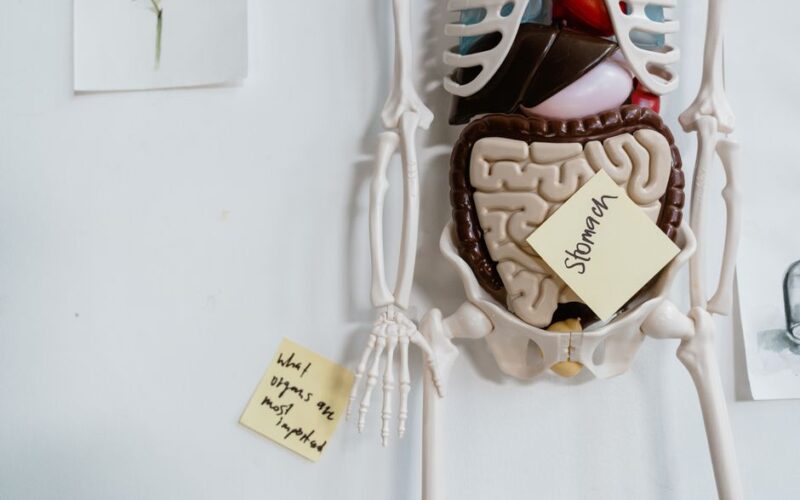
Digestion begins in your mouth. When you chew thoroughly, salivary amylase starts breaking down carbohydrates, and mechanical grinding increases the surface area available for stomach acid and enzymes. Rush past this step and you are sending large, poorly broken-down particles into your stomach and small intestine, which have to work harder to compensate.
Your stomach stretches to accommodate food, and stretch receptors send fullness signals to your brain through the vagus nerve. The catch: this signaling loop takes roughly 15 to 20 minutes to complete, according to research cited by the National Institute of Diabetes and Digestive and Kidney Diseases (NIDDK). If you eat a full meal in seven minutes, you may consume far more than your body needs before that feedback even arrives, and the resulting overload produces pressure, gas, and discomfort.
Swallowed air is another factor. Fast eaters tend to swallow more air with each bite and gulp, which contributes directly to bloating and belching. This is separate from food-related gas and is almost entirely pace-dependent.
A 2017 study published in the Journal of the Academy of Nutrition and Dietetics found that slower eating was associated with greater feelings of fullness and lower calorie intake per meal, suggesting that digestion and eating speed are linked to both comfort and portion regulation.

The Specific Discomforts That Pace Creates
When you consistently eat quickly, you are likely to experience a predictable pattern of symptoms:
- Bloating shortly after eating caused by swallowed air and inadequate mechanical breakdown
- A heavy, overly full feeling from eating past satiety signals
- Acid reflux or heartburn because large food boluses and a distended stomach create upward pressure on the lower esophageal sphincter
- Inconsistent hunger cues over time, as the body’s appetite hormones become harder to read when pace disrupts normal feedback
None of these require a food intolerance to explain. They are physiological responses to mechanical overload.
For a deeper look at how eating patterns affect comfort beyond pace, the guide on Digestive Bloating After Meals: A Practical Guide to Eating Patterns That Reduce Discomfort covers complementary strategies worth pairing with the advice here.

How to Eat More Slowly Without Overthinking It
Slowing down at meals does not require a timer or a formal mindfulness practice. The following approaches are practical and easy to layer into your existing routine.
Set a Minimum Meal Window
Commit to keeping meals at least 15 to 20 minutes long, even if you are not hungry for more food. If you finish early, stay seated and drink water slowly rather than rushing on to the next task. This simple habit allows satiety signals to catch up with what you have already eaten.
Put Down Your Fork Between Bites
It sounds minor, but setting your fork or spoon down after each bite creates a natural pause. You pick it up again, you take another bite, you put it down. The rhythm slows your pace without requiring conscious effort after the first few days of practice.
Chew to a Soft, Even Texture
Aim for 15 to 20 chews per bite for solid foods. You do not need to count every time, but checking in occasionally helps you notice when you are rushing. Food that reaches your stomach already broken down into small particles puts far less mechanical stress on your digestive system.
Remove Screens From Meals When Possible
Eating while watching a video or scrolling through your phone removes your attention from the act of eating. Research suggests that distracted eating increases the speed at which people consume food and reduces meal satisfaction, which can prompt continued snacking afterward. Even removing your phone from the table during one meal per day is a meaningful starting point.
Use Smaller Utensils or Smaller Plates
Smaller bites naturally reduce pace. Using a smaller fork or a smaller serving spoon introduces a mild constraint that nudges you toward more deliberate eating without requiring willpower.
Anchor Your Meal With a Pause Before Eating
Before your first bite, take two or three slow breaths. This activates the parasympathetic nervous system, sometimes called the rest-and-digest state, and prepares your gut for the work ahead. A 2014 review in the journal Appetite noted that parasympathetic activation before meals was associated with improved digestive function. This does not have to be spiritual or ceremonial; it is a 15-second pause.
If you are also curious about how meal timing and spacing affect how your body processes food, the article on Digestive Comfort and Meal Timing: How Food Order and Spacing Affect Your Energy and Wellness offers a complementary perspective.
When Pace Is Not the Only Factor
Slowing down will help most people most of the time, but it is not a solution for every digestive complaint. If you experience persistent pain, blood in stool, unexplained weight loss, or symptoms that do not improve with lifestyle changes, consult a qualified healthcare professional. Conditions such as irritable bowel syndrome, celiac disease, or gastroparesis require proper evaluation, and eating pace is not a substitute for that care.
For readers who suspect that both emotional state and hunger signals are involved in their eating patterns, Mindful Eating Without Restriction: How to Build a Calmer, More Intuitive Relationship with Food explores how internal awareness can support a healthier relationship with meals without adding rules or rigidity.
One Practical Place to Start
Choose one strategy from this list and practice it consistently for one week before adding another. Putting down your fork between bites is often the easiest entry point because it requires no planning and works at any meal. Small, repeatable changes tend to stick better than overhauling everything at once.
If you want more practical guidance on building sustainable eating habits and whole-person wellness, consider joining the Clean Body Mentor newsletter for weekly, evidence-informed ideas you can actually use.
This article is for general educational and informational purposes only and is not a substitute for medical advice, diagnosis, or treatment. Health needs vary by individual. Consult a qualified healthcare professional before making significant changes to your diet, exercise routine, supplements, medication, or treatment plan, especially if you have a medical condition, are pregnant or breastfeeding, take medication, or have concerns about your symptoms.

Sources
- National Institute of Diabetes and Digestive and Kidney Diseases (NIDDK): information on satiety signaling and digestive physiology. niddk.nih.gov
- Andrade, A. M., et al. (2008). Eating slowly led to decreases in energy intake within meals in healthy women. Journal of the American Dietetic Association.
- Zhu, B., et al. (2017). Eating speed, diet quality, and cardiometabolic risk factors. Journal of the Academy of Nutrition and Dietetics.
- Daubenmier, J., et al. (2014). Effects of a mindfulness-based weight loss intervention on measures of eating behavior. Appetite.