
That 3 p.m. hunger wall is real. Your lunch has worn off, your focus is slipping, and the vending machine or a drive-through starts sounding reasonable. Reaching for a packaged protein bar is a common fix, but most bars are expensive, heavily processed, and loaded with sweeteners that spike and then drop your energy right back down.
The good news: high-protein snacks made from whole foods can deliver just as much staying power, often with more nutrients and far less cost per serving. Understanding why protein curbs hunger in the first place is useful context here. Research suggests protein reduces the hunger hormone ghrelin while increasing satiety signals, which is why a protein-paired snack holds you longer than carbohydrates alone. You can read more about the mechanics in this guide to Protein and Satiety in Snacks: Why Some High-Protein Choices Keep You Fuller Longer.
Below are seven practical, whole-food snack options, each with a simple combination, a rough protein count, and a note on what makes it work.
1. Hard-Boiled Eggs and Cherry Tomatoes
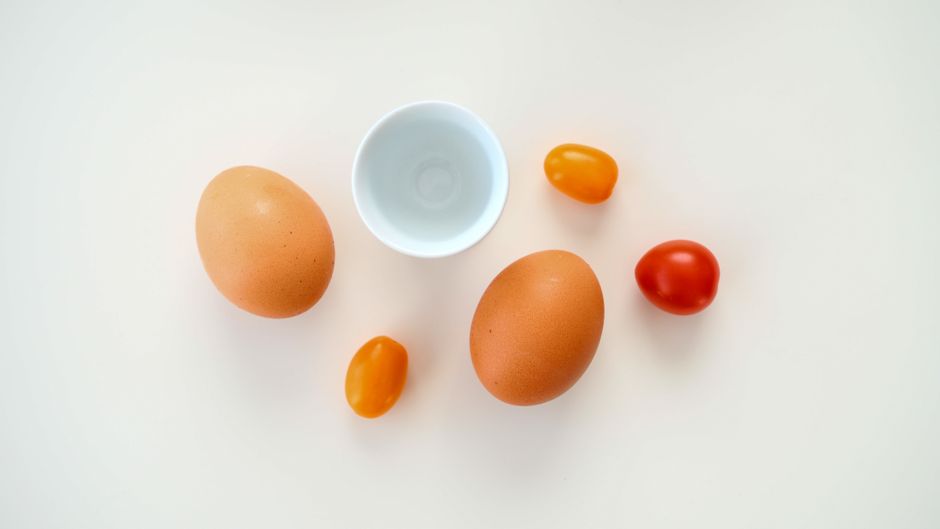
Two large eggs deliver roughly 12 grams of protein along with healthy fats, B vitamins, and choline. Paired with a handful of cherry tomatoes, you add fiber and a small dose of vitamin C without pushing calories high. Hard-boil a batch on Sunday and refrigerate them for the week. No reheating required.
Why it works: The fat and protein in eggs slow gastric emptying, meaning food leaves your stomach more gradually. That physical fullness keeps cravings quiet for two to three hours.
2. Plain Greek Yogurt with Hemp Seeds
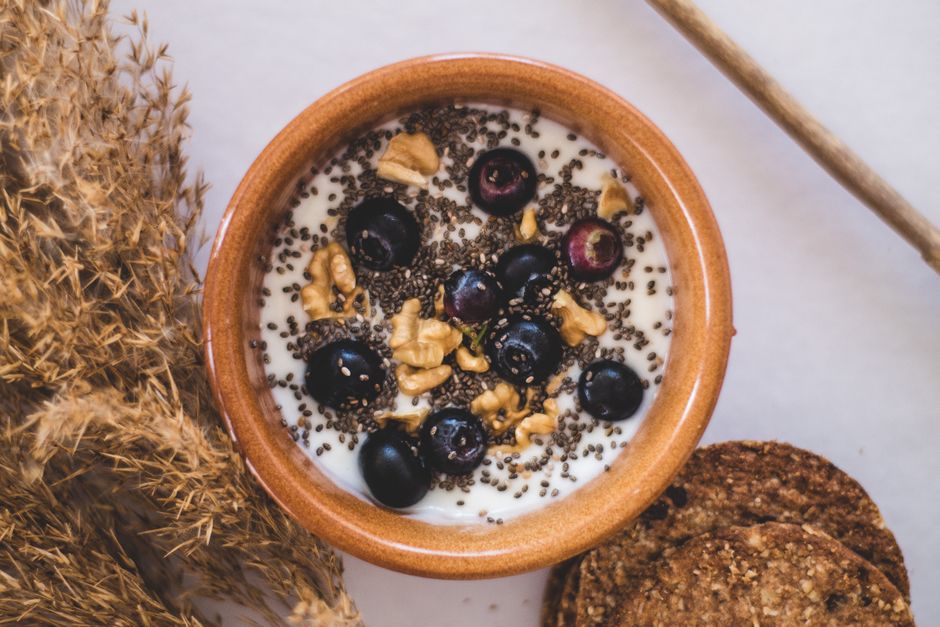
A three-quarter cup serving of plain, full-fat Greek yogurt contains 15 to 18 grams of protein depending on the brand. Stir in two tablespoons of hemp seeds and you add another 6 grams of complete protein plus omega-3 fatty acids. A few fresh berries round it out if you want natural sweetness.
Choose plain yogurt over flavored varieties. Most flavored options contain added sugars that can undermine the sustained energy you are after. If you find plain yogurt too tart, a small drizzle of honey (around a teaspoon) adds minimal sugar compared to pre-sweetened versions.
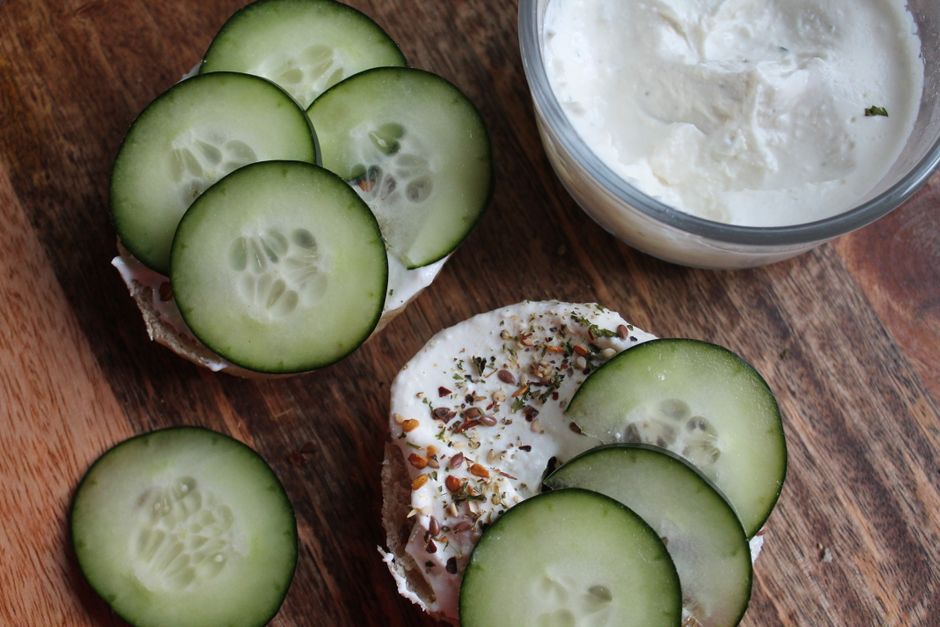
3. Cottage Cheese with Sliced Cucumber and Everything Bagel Seasoning
Half a cup of low-fat cottage cheese provides approximately 14 grams of protein and is one of the most underrated high-protein snacks built from whole foods. It is filling, easy to portion, and pairs well with savory toppings. Sliced cucumber adds crunch and hydration, and everything bagel seasoning turns it into something that genuinely feels like a satisfying mini-meal rather than a diet snack.
For people who do not tolerate dairy well, this one may not be the right fit. Swap in firm tofu seasoned with soy sauce and sesame seeds for a comparable protein hit with a different texture.
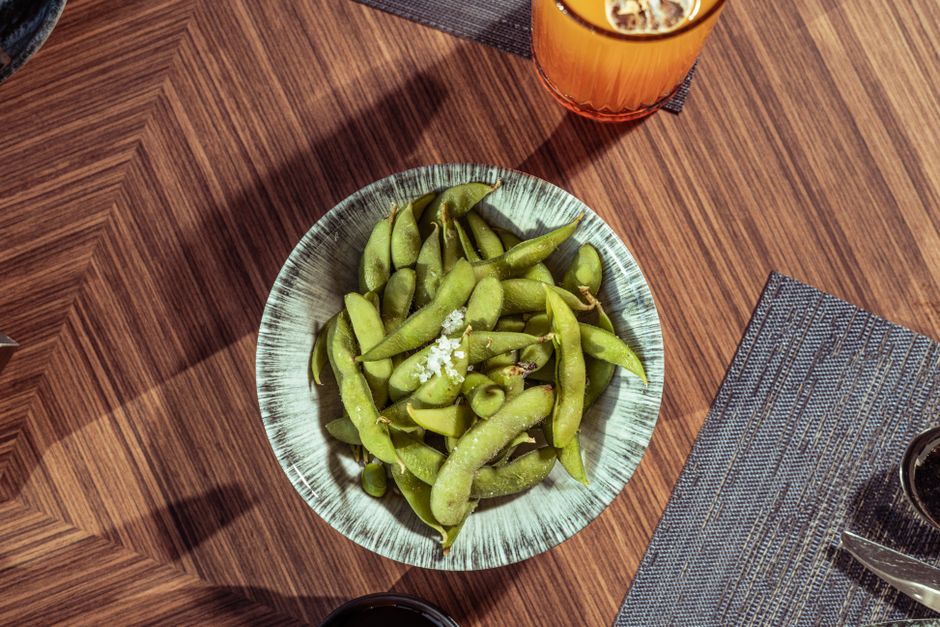
4. Edamame with Sea Salt
A cup of shelled edamame contains roughly 17 grams of complete protein, meaning it provides all nine essential amino acids, which is rare for a plant food. Steam a bag from frozen in about five minutes, season lightly with flaky sea salt, and you have one of the most nutrient-dense high-protein snacks built from whole foods available in any grocery store.
Edamame also brings fiber into the equation, which pairs with its protein to slow digestion. If you want to understand how fiber and protein work together to extend satiety, this article on High-Fiber Snacks That Actually Keep You Full: Choosing and Pairing Foods for Sustained Satiety is worth reading alongside this one.
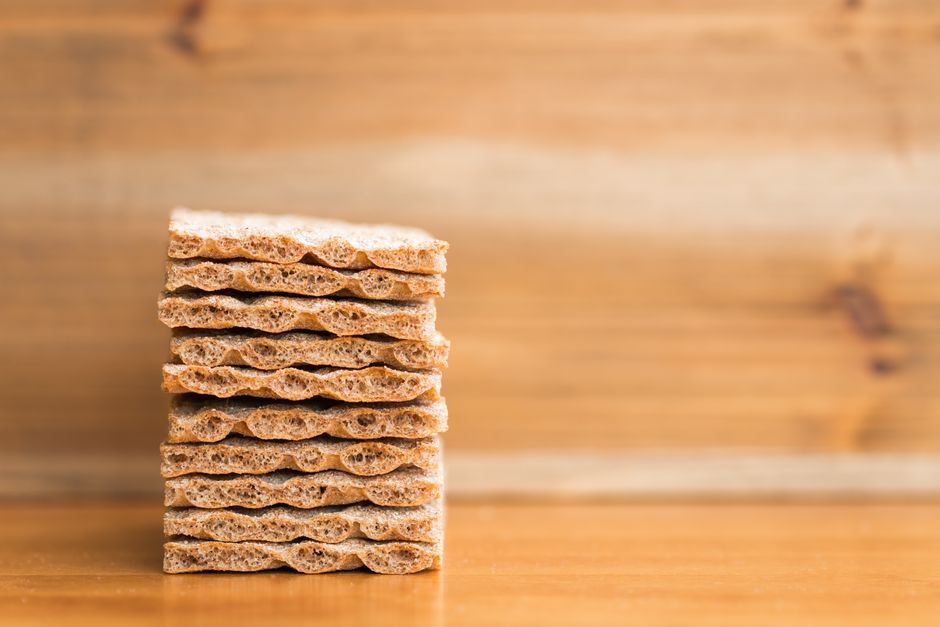
5. Canned Salmon or Tuna on Whole-Grain Crackers
Canned salmon and canned tuna are two of the most affordable, shelf-stable whole-food protein sources available. A half-can of salmon (around 85 grams) delivers approximately 17 grams of protein plus omega-3 fatty acids that support both cardiovascular and brain health, according to the National Institutes of Health Office of Dietary Supplements.
Spread it on four to six whole-grain crackers for complex carbohydrates that slow the absorption of energy. Add a squeeze of lemon and black pepper, or mix with a small amount of plain Greek yogurt instead of mayo for a lighter version. This combination of protein, healthy fat, and fiber from the crackers is close to ideal for afternoon energy stability, a topic covered in depth in Eating for Sustained Energy Without the Afternoon Crash: Macro Combinations That Actually Work.
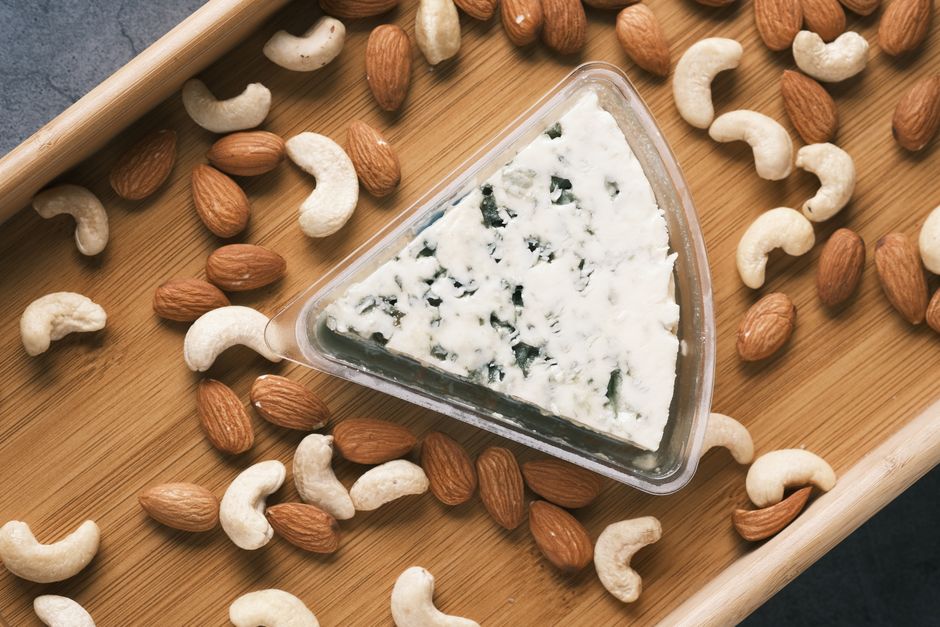
6. A Small Handful of Almonds and String Cheese
This is a grab-and-go pairing that requires zero preparation. One ounce of almonds (about 23 nuts) provides 6 grams of protein plus fiber and healthy monounsaturated fats. One stick of part-skim mozzarella string cheese adds another 6 to 7 grams of protein. Together you get around 12 to 13 grams of protein without any cooking or refrigeration beyond keeping the cheese cold.
Almonds also contain magnesium, which many adults consume below recommended levels. The USDA Dietary Guidelines note that magnesium plays a role in energy production at the cellular level, which makes this a particularly practical snack for people who feel a genuine energy dip rather than just boredom hunger.
7. Lentil Soup or Hummus with Raw Vegetables
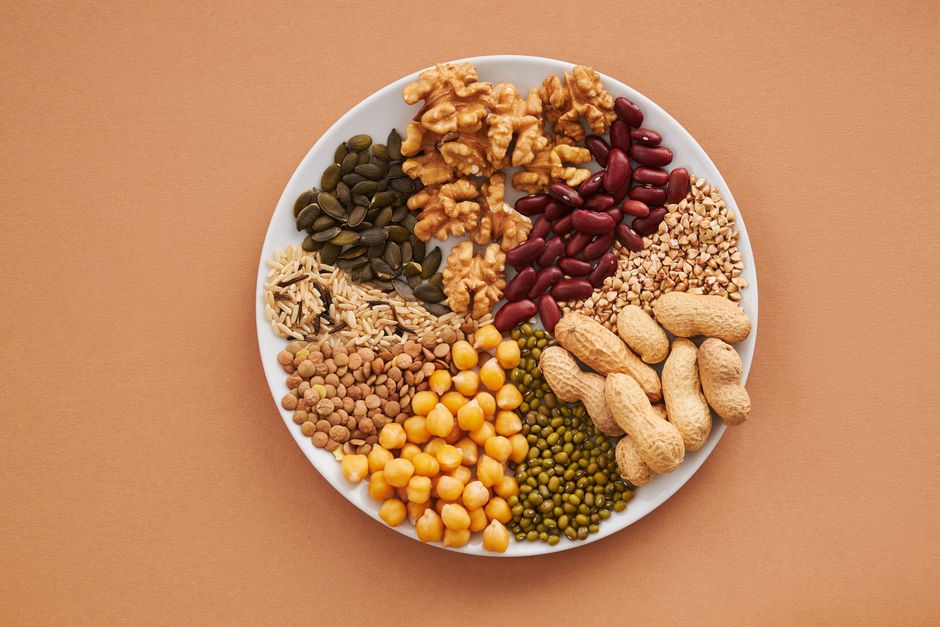
Lentils are a protein and fiber powerhouse. A half-cup serving of cooked lentils provides roughly 9 grams of protein and 8 grams of fiber. If you meal-prep a simple lentil soup on weekends, a small thermos of it makes an easy warm snack for the office or home.
If soup feels like too much effort, store-bought hummus (which is made from chickpeas and sesame tahini) offers about 5 to 6 grams of protein per quarter-cup, paired best with raw vegetables like celery, bell pepper strips, or carrots. The vegetables add crunch, fiber, and micronutrients without much extra calorie load. This is also a snack that fits well into balanced eating patterns for people managing their weight, because the fiber-protein combination is genuinely satisfying without being calorie-dense.
Building a Snack Habit That Actually Sticks
Having options is only useful if the snack is accessible when hunger strikes. A practical approach: stock two or three of these combinations consistently, rotate based on what you enjoy, and keep them visible and ready in your fridge or desk. Timing also matters. Eating a protein-containing snack about two to three hours after lunch tends to stabilize afternoon energy better than waiting until you are already ravenous. For a deeper look at when to snack for the best effect, see Snack Timing for Sustained Energy: When to Eat Between Meals Without Afternoon Crashes.
Pick one of the options above that genuinely sounds good to you, not just the one that seems healthiest on paper, and try it consistently for a week. Small, sustainable changes tend to build momentum far better than overhauling everything at once.
For more practical food and energy guidance, you are also welcome to explore the Clean Body Mentor newsletter, where practical weekly wellness ideas arrive without pressure or perfection.
Sources
- National Institutes of Health, Office of Dietary Supplements. Omega-3 Fatty Acids Fact Sheet. ods.od.nih.gov
- USDA Dietary Guidelines for Americans, 2020-2025. dietaryguidelines.gov
- Leidy HJ et al. “The role of protein in weight loss and maintenance.” American Journal of Clinical Nutrition, 2015. (PubMed abstract)
- Paddon-Jones D et al. “Protein, weight management, and satiety.” American Journal of Clinical Nutrition, 2008. (PubMed abstract)
This article is for general educational and informational purposes only and is not a substitute for medical advice, diagnosis, or treatment. Health needs vary by individual. Consult a qualified healthcare professional before making significant changes to your diet, exercise routine, supplements, medication, or treatment plan, especially if you have a medical condition, are pregnant or breastfeeding, take medication, or have concerns about your symptoms.