
You finish a meal that felt perfectly reasonable, and within the hour your stomach is tight, uncomfortable, and visibly fuller than your plate seemed to justify. You might assume you simply ate too much. But portion size is often the least influential variable at work.
Research and clinical observation increasingly point to how and in what order you eat as stronger drivers of digestive bloating after meals than the total volume of food on your plate. This guide explains which food pairings cause unnecessary fermentation and gas, why the sequence of your bites matters, and how water timing plays a quieter but real role in post-meal comfort.
No foods need to be eliminated. These are structural adjustments, and most of them take effect at your very next meal.
Why Portion Blame Misses the Real Problem
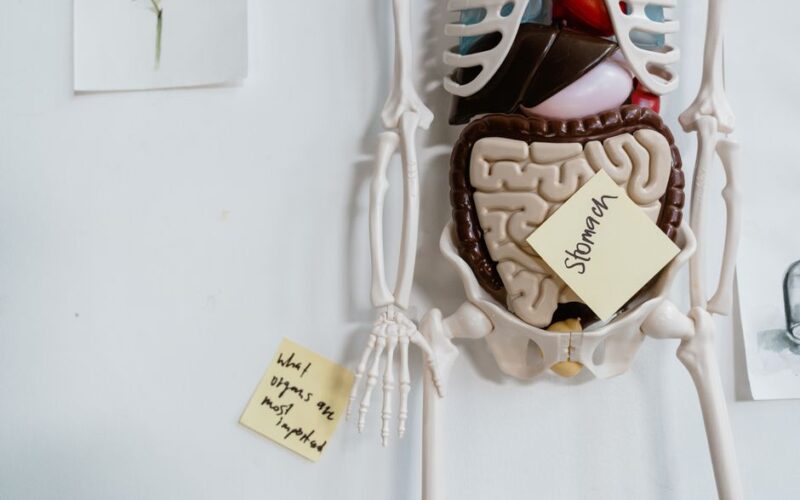
When you experience digestive bloating after meals, the gas causing that pressure comes from one primary source: bacteria in your large intestine fermenting carbohydrates that were not fully digested in the small intestine. The question is what speeds up or slows down that digestion upstream.
Two factors that genuinely influence this are stomach acid production and the pace of gastric emptying. When certain foods arrive together in ways that interfere with each other’s digestion, more undigested material passes into the colon, feeding fermentation. This means a smaller meal composed of poorly paired foods can produce more bloating than a larger, better-sequenced one.
For a deeper look at how meal composition shapes digestive comfort, the guide on Digestive Comfort and Nutrient Absorption: Foods and Timing That Work Together for Energy and Wellness covers the underlying mechanics clearly.

The Food Order Principle: Start With Vegetables
One practical and evidence-informed adjustment is eating vegetables before your protein and carbohydrate-dense foods. A 2022 study published in Nutrients found that eating fiber-rich vegetables first slowed gastric emptying in a way that supported more complete digestion and reduced blood sugar spikes, both of which are linked to reduced fermentation and bloating.
When vegetables arrive in the stomach first, they form a kind of fibrous buffer. Protein follows, which requires a highly acidic environment and benefits from the digestive preparation your stomach undergoes as it processes fiber. Starchy carbohydrates come last, where they meet an already-active digestive environment rather than sitting on top of everything else.
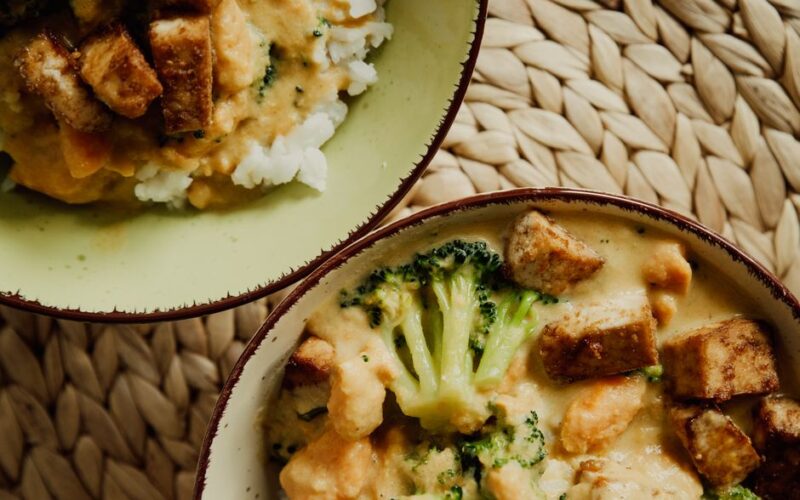
A practical sequence for a mixed dinner plate looks like this:
- Eat your salad, steamed greens, or roasted vegetables first, spending at least two to three minutes here
- Move to your protein source (fish, chicken, legumes, eggs)
- Finish with starchy carbohydrates like rice, bread, or potatoes
This is not about restriction; every food on your plate still gets eaten. The guide on eating vegetables first and how it changes how your body processes dinner expands on this sequence with practical meal examples.
Food Pairings That Commonly Worsen Bloating
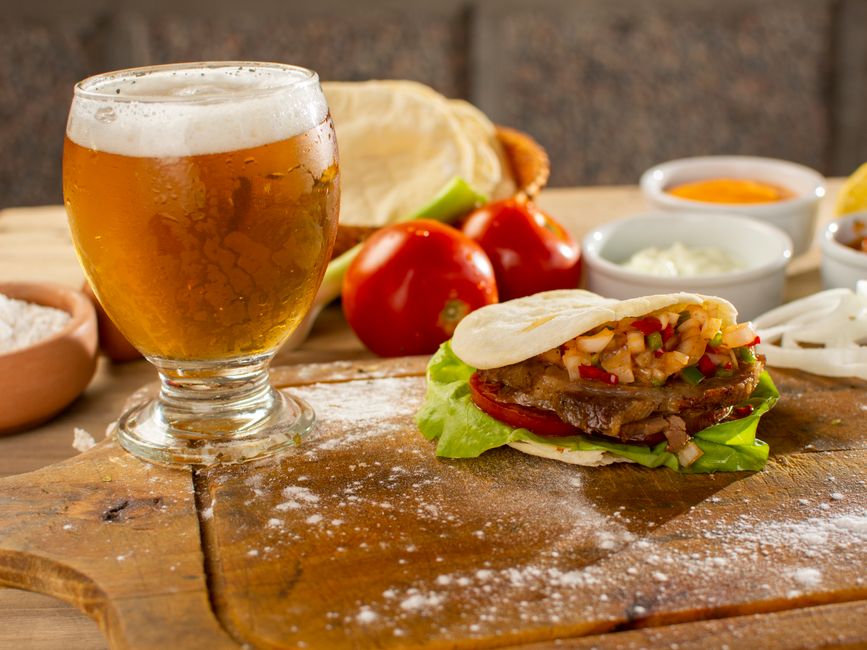
Not every combination is a problem, but a few well-documented pairings consistently create more fermentation and gas for many people.
High-fiber legumes combined with raw cruciferous vegetables. Both are nutritious. Together in large amounts, they deliver a concentrated dose of fermentable carbohydrates (FODMAPs and raffinose) at once. Research published in the American Journal of Gastroenterology suggests that spreading high-FODMAP foods across meals rather than concentrating them in one sitting reduces symptoms significantly for people who are sensitive.
Fruit eaten immediately after a protein-heavy main course. Fruit digests quickly. When it sits on top of slower-digesting protein in a full stomach, it can ferment before it exits. Eating fruit as a starter or as a standalone snack is typically better tolerated.
Carbonated beverages with meals. The bubbles introduce additional gas directly into a digestive system that is already producing some during fermentation. Research suggests that choosing still water or herbal tea with meals is a simple swap with measurable comfort payoff.

Water Timing: The Detail Most People Overlook
There is a persistent myth that drinking water with meals dilutes stomach acid and impairs digestion. The evidence for that specific claim is weak. However, water timing around meals does matter in a different way.
Drinking large amounts of water in the 20-30 minutes just before a meal may create a feeling of premature fullness that causes rushed eating once food arrives. Eating quickly is a well-supported driver of swallowed air (aerophagia) and bloating, as explored in the article on why eating pace matters more than food choices for digestive discomfort.
Sipping water steadily during a meal, rather than gulping large amounts between bites, helps keep swallowing mechanics smooth and pace naturally moderate. The guide on hydration timing around meals covers the absorption side of this equation in more detail.
A reasonable approach:
- Drink 8-12 oz of water in the 45-60 minutes before a meal
- Sip small amounts during the meal rather than large glasses
- Continue hydrating freely after the meal is finished
The Role of Eating Pace in All of This
Food order and pairing both influence digestive bloating after meals, but they work far better when your eating pace allows digestion to keep up. Chewing thoroughly breaks starches down with salivary amylase before they reach the stomach, reducing the fermentable load that reaches your colon.
Aiming for 20-30 chews per bite sounds tedious, but in practice it means pausing between bites, putting your fork down occasionally, and taking at least 15-20 minutes to finish a full meal. This pace also gives the gut-brain satiety signal time to register, which incidentally supports weight management without portion restriction.
One Change to Start With Today
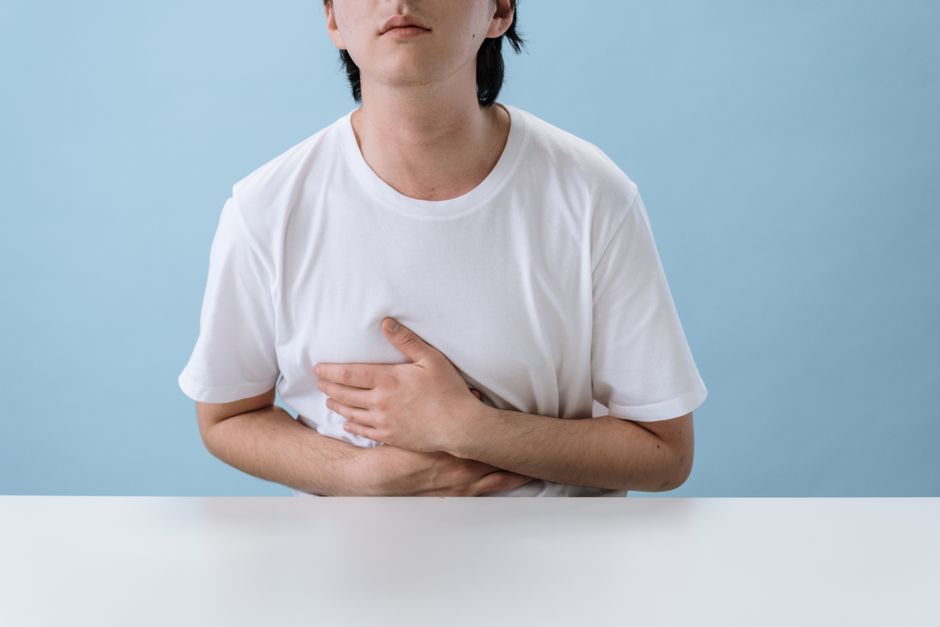
If you are dealing with regular digestive bloating after meals and want to begin with the lowest-effort adjustment, try eating your vegetables first at one meal today. It requires no new foods, no calorie tracking, and no elimination of anything you enjoy.
If you want to build on that, explore how meal timing and digestive comfort connect to sustained energy throughout the day, which gives practical structure for spacing meals as well as sequencing them.
Small structural changes made consistently tend to produce more lasting comfort than dramatic dietary overhauls. Choose one adjustment, practice it for a week, and notice what shifts.
This article is for general educational and informational purposes only and is not a substitute for medical advice, diagnosis, or treatment. Health needs vary by individual. Consult a qualified healthcare professional before making significant changes to your diet, exercise routine, supplements, medication, or treatment plan, especially if you have a medical condition, are pregnant or breastfeeding, take medication, or have concerns about your symptoms.
Sources
- Imai, S. et al. “A protein-rich meal before carbohydrate ingestion reduces postprandial glycemic excretion.” Nutrients, 2022. (National Library of Medicine/PubMed)
- Gibson, P.R. and Shepherd, S.J. “Evidence-based dietary management of functional gastrointestinal symptoms.” Journal of Gastroenterology and Hepatology, 2010.
- American College of Gastroenterology clinical guidelines on functional bowel disorders and bloating management (gi.org)
- Staudacher, H.M. et al. “Fermentable carbohydrate restriction reduces luminal bifidobacteria and gastrointestinal symptoms.” American Journal of Clinical Nutrition, 2012.