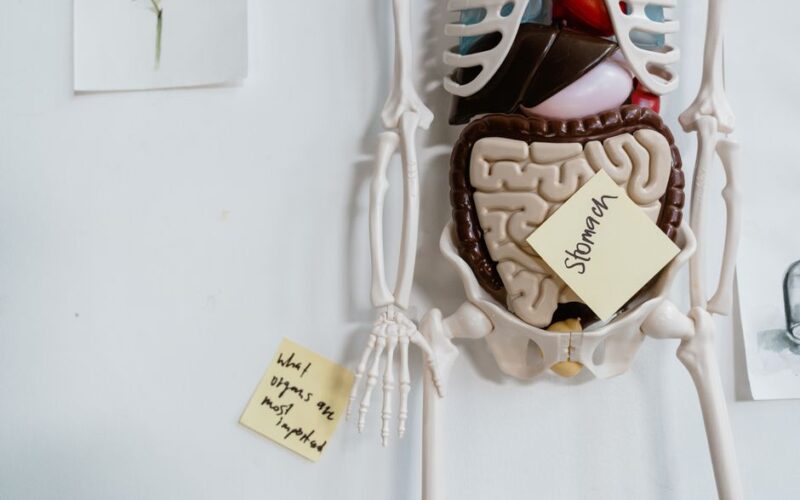

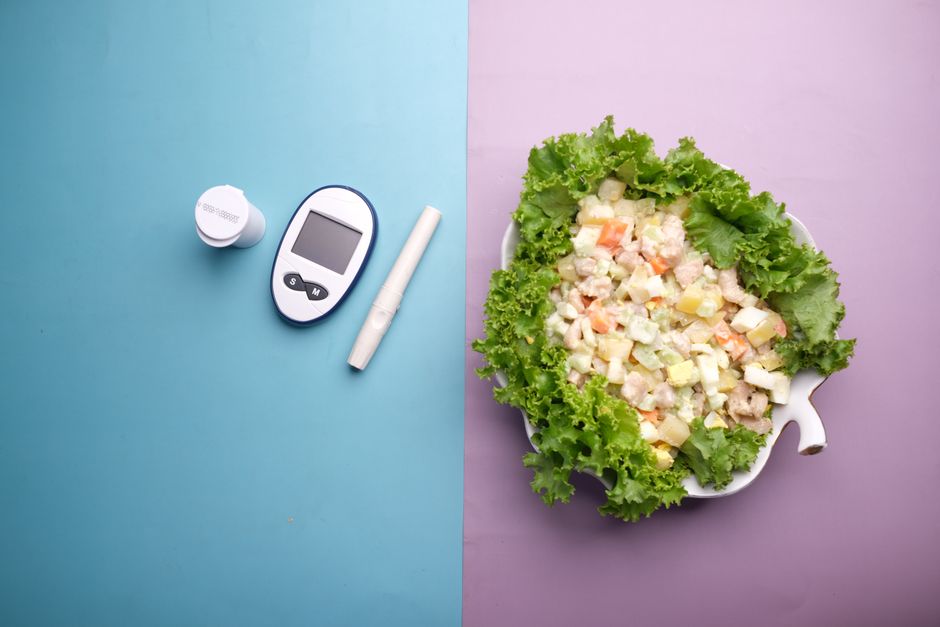
Most people think about what they put on their plate. Far fewer think about when, within a single meal, each component arrives in the stomach. Yet research suggests that the sequence of carbohydrates, protein, fat, and fiber can meaningfully influence blood sugar response and how full you feel afterward.
If you have ever finished a carb-heavy dinner and felt a rush of energy followed quickly by fatigue and renewed hunger, meal order digestion and blood sugar dynamics may be part of the story.
What the Research Actually Shows
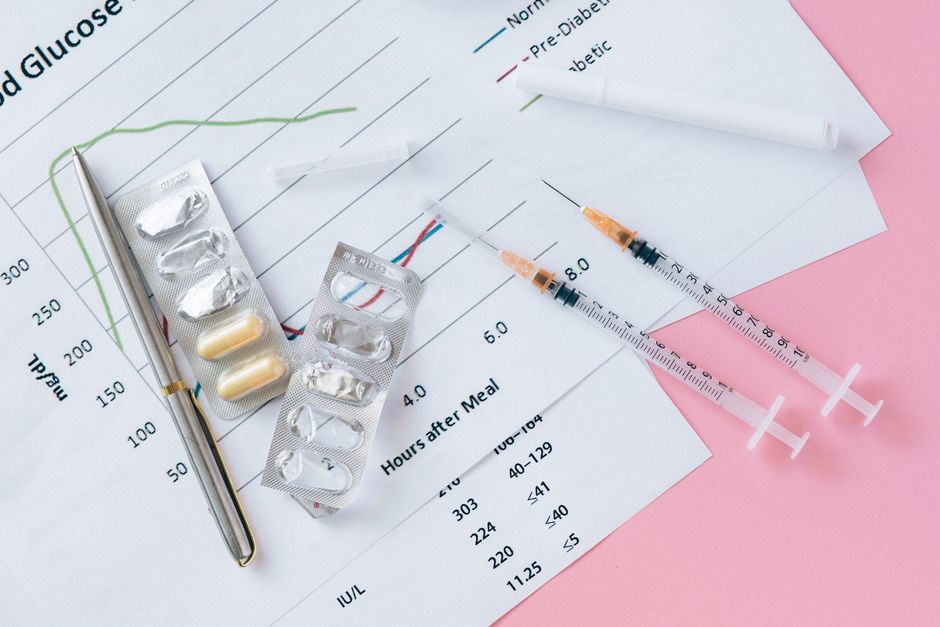
A series of controlled studies led by researchers at Weill Cornell Medicine (published in journals including Diabetes Care and the European Journal of Clinical Nutrition) tested people with type 2 diabetes and insulin resistance who ate the exact same meal components in different sequences. When participants ate vegetables and protein before refined carbohydrates, their post-meal blood glucose levels were significantly lower compared to eating carbs first. In some trials, the glucose reduction reached 30 to 40 percent.
A 2023 study published in Clinical Nutrition extended similar findings to healthy adults without diabetes, suggesting that vegetable-first and protein-first eating patterns may support more stable glucose curves even when insulin function is not impaired.
The mechanism is fairly well understood. Dietary fiber from vegetables slows gastric emptying (the rate at which food leaves the stomach) and reduces how quickly glucose enters the bloodstream. Protein stimulates early release of gut hormones such as GLP-1 and PYY, both of which promote satiety and slow gastric emptying further. When starchy carbohydrates arrive in the gut last, these buffering effects are already in motion.
For a deeper look at how sequencing protein and carbohydrates affects hunger signals, Protein Sequencing: Why the Order You Eat Carbs and Protein Matters for Blood Sugar and Hunger walks through the hormonal side in more detail.
How to Apply the Vegetable-First Approach at Dinner
You do not need to change your recipes or buy different groceries. The shift is structural, not culinary.
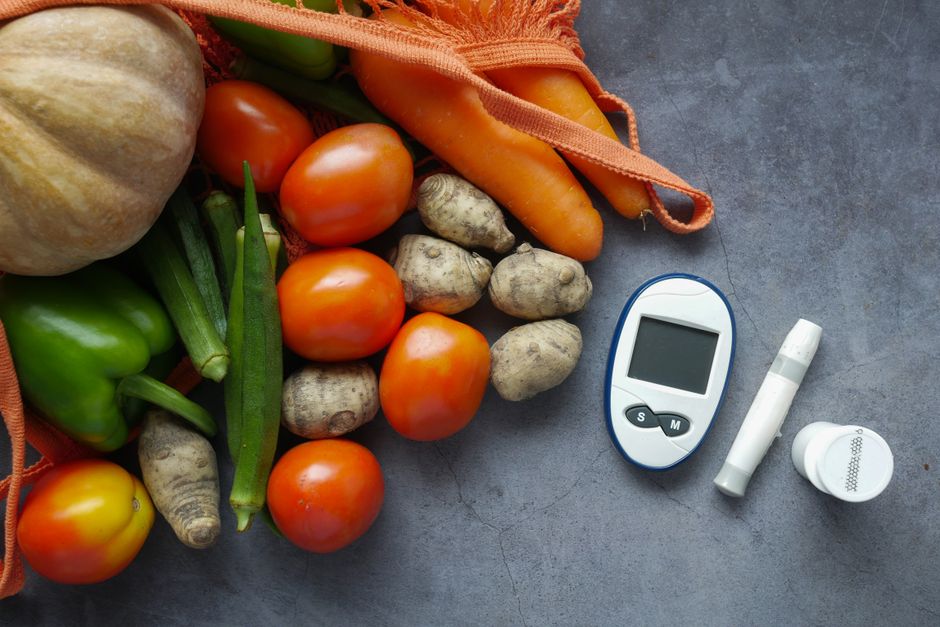
Step 1: Start with a non-starchy vegetable portion (5 to 10 minutes before the rest)
Eat a small salad, steamed broccoli, roasted zucchini, sauteed greens, or sliced raw cucumber before you touch the rice, pasta, bread, or potatoes. You are not eating a separate course in a formal sense, just prioritizing the vegetables on your plate by a few bites or minutes.
Aim for a meaningful portion: at least half a cup of cooked vegetables or a full cup of raw ones. A small side salad with a drizzle of olive oil counts because the fat slows gastric emptying too.
Step 2: Follow with protein and fat
Move on to your main protein source: chicken, fish, eggs, tofu, legumes, or whatever is on the plate. Eating this before the starchy component builds on the satiety signals your gut has already started producing.
Step 3: Eat your carbohydrates last
Finish with the rice, bread, pasta, potato, or grain portion. Because fiber and protein have already slowed digestion and primed your satiety hormones, you may find you naturally eat a smaller carb portion without feeling deprived.
This three-step sequence works with almost any dinner format. A few practical examples:
- Stir-fry night: Start with the bok choy and snap peas before adding the noodles.
- Pasta dinner: Eat a small green salad first, then the protein topping, then the pasta itself.
- Burrito bowl: Begin with the lettuce, peppers, and beans before spooning rice.
- Weeknight chicken and rice: Eat roasted vegetables first, then the chicken, then the rice.
When This Strategy Matters Most
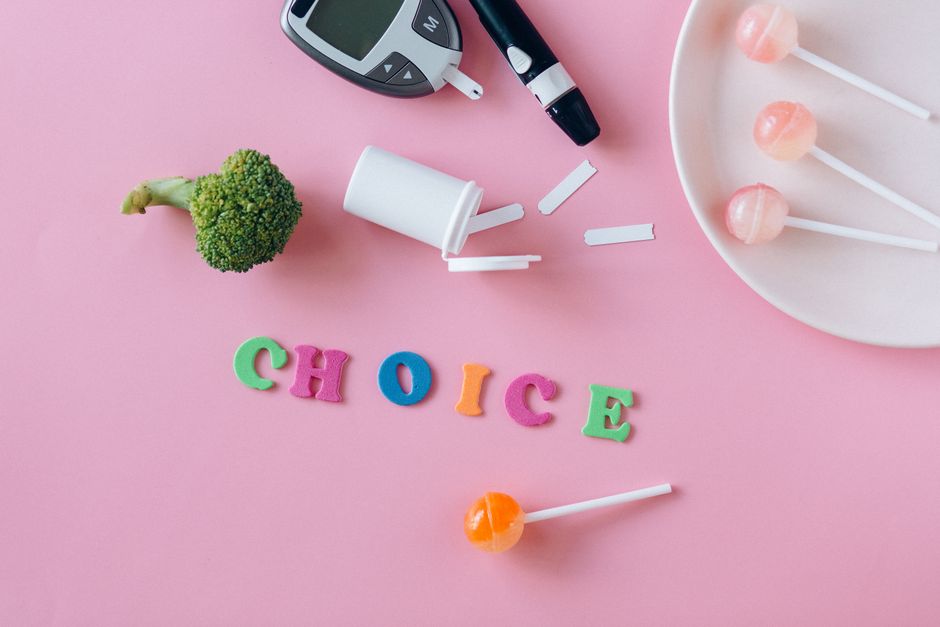
Vegetable-first eating is not a dramatic intervention for everyone. For healthy adults eating balanced, mostly whole-food meals, the blood sugar effect may be modest. However, research suggests the impact is more meaningful in these situations:
- You eat dinner quickly. Rushed eating blunts satiety signaling. Putting vegetables first creates a natural pause and adds fiber before carbs arrive.
- Your dinner is carbohydrate-heavy. Large portions of refined grains on an otherwise empty stomach produce sharper glucose spikes. Fiber-first buffering is more valuable here.
- You manage prediabetes, insulin resistance, or type 2 diabetes. This is where the clinical evidence is strongest. Talk with your healthcare team before making significant dietary changes.
- You frequently feel hungry again within an hour of eating. The satiety hormones stimulated by protein and fiber early in the meal may help extend fullness.
- You are working toward fat loss or weight management. Reducing post-meal glucose spikes may help manage energy balance over time, though meal order is one small piece of a larger picture.
For those navigating metabolic shifts, the article on Menopause and Metabolic Changes: Eating and Moving to Support Your Body During Transition offers relevant context on how hormonal changes can affect glucose regulation.

When It Is a Minor Tweak
If your dinner is already built around whole grains, legumes, lean protein, and generous vegetables, your fiber and protein intake is naturally high enough that strict sequencing provides minimal additional benefit. A lentil soup with crusty bread is nutritionally dense regardless of whether you eat the lentils before the bread.
Meal order digestion strategies also matter less when your total carbohydrate load is modest or when most of your carbs come from fiber-rich whole foods rather than refined starches.
That said, even as a minor tweak, there is little downside to starting with vegetables. You increase vegetable intake overall, improve digestive comfort, and slow the eating pace, all of which support whole-person wellness independent of blood sugar effects.
For more on how spacing and timing interact with digestion, Digestive Comfort and Meal Timing: How to Eat for Better Digestion and Sustained Energy covers the broader picture.
Pairing This With Mindful Eating
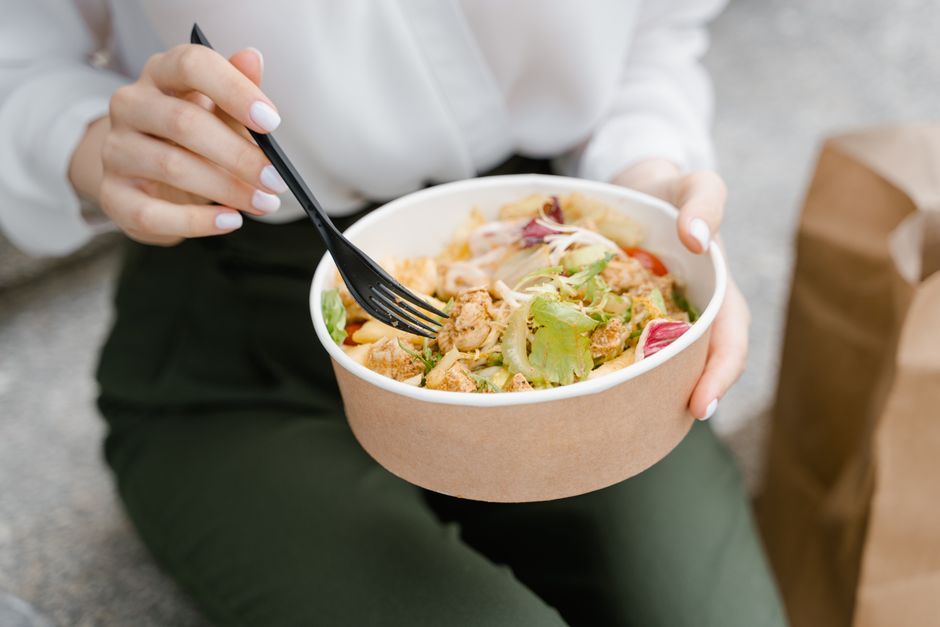
One underrated benefit of the vegetable-first approach is that it naturally encourages slower, more intentional eating. You are creating a small ritual at the start of each meal: tasting the vegetables, chewing thoroughly, giving your gut hormones time to respond.
This connects naturally with Mindful Eating Without Restriction: How to Build a Calmer, More Intuitive Relationship with Food, which explores how attention at meals can improve satisfaction without adding complexity to your diet.
One Small Action
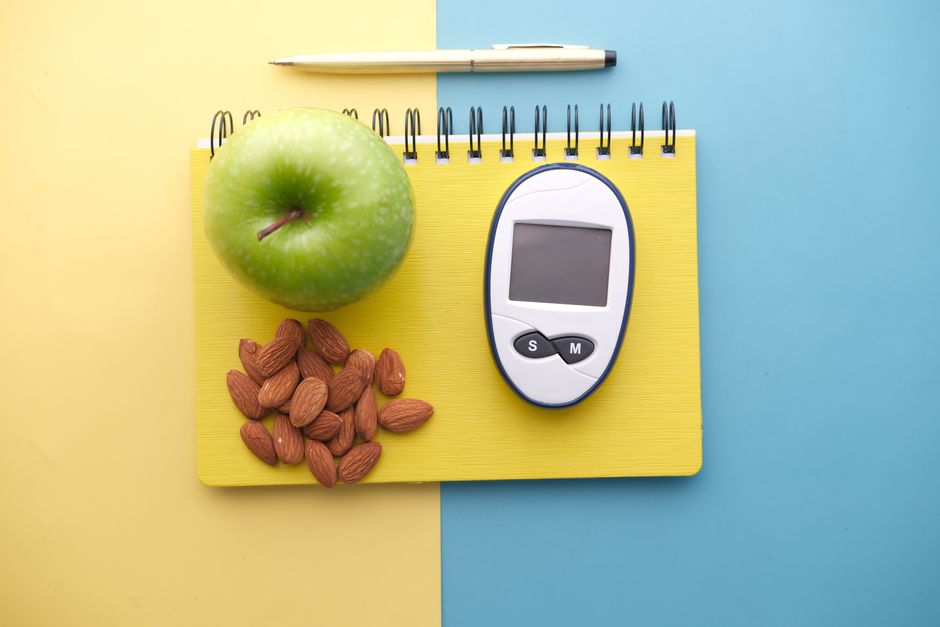
You do not need to overhaul your meal prep or buy special foods. Try this tonight: before eating the starchiest part of your dinner, finish the vegetables on your plate first. Do that for five dinners and notice whether your energy or hunger patterns shift.
If you find this approach helpful and want more practical, evidence-informed guidance, consider joining the Clean Body Mentor newsletter for weekly strategies that fit real life.
This article is for general educational and informational purposes only and is not a substitute for medical advice, diagnosis, or treatment. Health needs vary by individual. Consult a qualified healthcare professional before making significant changes to your diet, exercise routine, supplements, medication, or treatment plan, especially if you have a medical condition, are pregnant or breastfeeding, take medication, or have concerns about your symptoms.
Sources
- Shukla AP, et al. “Food Order Has a Significant Impact on Postprandial Glucose and Insulin Levels.” Diabetes Care, 2015. Published by the American Diabetes Association.
- Shukla AP, et al. “食事の順序” follow-up study. European Journal of Clinical Nutrition, 2017. Weill Cornell Medicine.
- Nishino K, et al. Research on food order and postprandial glucose in healthy adults. Clinical Nutrition, 2023. (Cited organization and journal; verify DOI independently.)
- U.S. National Institute of Diabetes and Digestive and Kidney Diseases (NIDDK): information on insulin resistance and blood glucose regulation. Available at niddk.nih.gov.
- Holst JJ. “The physiology of glucagon-like peptide 1.” Physiological Reviews, 2007. PubMed PMID: 17928588.