


You have probably heard plenty of advice about what to eat. Fewer conversations focus on when within a meal you eat each component, and that detail turns out to matter more than most people expect.
Protein sequencing is the practice of eating protein and fiber-rich vegetables before carbohydrates at the same meal. A small but growing body of research suggests this simple reordering can meaningfully blunt the blood sugar spike that follows eating, help you feel fuller longer, and reduce the energy crashes that make mid-afternoon feel unbearable.
This guide walks you through the science, shows you how to apply it to real meals, and clears up common misconceptions so you can decide whether protein sequencing fits your life.
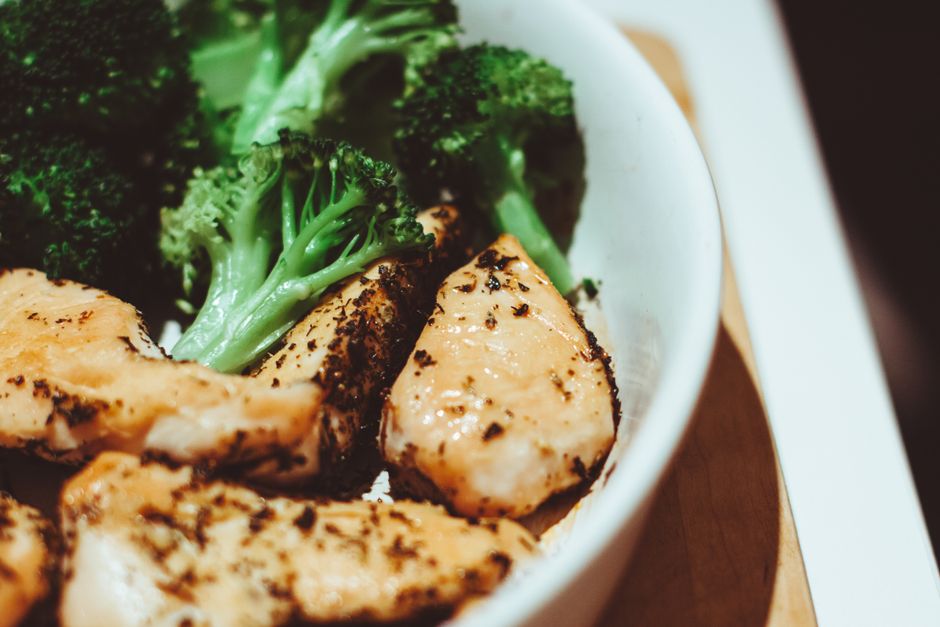
What Is Protein Sequencing and Why Does Meal Order Matter?
When you eat carbohydrates, your digestive system breaks them down into glucose. That glucose enters your bloodstream quickly, raising blood sugar. Your pancreas responds by releasing insulin to shuttle glucose into cells. A large, rapid spike often triggers an equally sharp drop, which can leave you tired, irritable, and hungry again sooner than expected.
Protein, fat, and fiber all slow gastric emptying, meaning food leaves your stomach more gradually. When these nutrients arrive in your digestive tract first, they set up a kind of buffer that moderates how quickly the carbohydrates you eat afterward are absorbed.
Research published in journals such as Diabetes Care and BMJ Open Diabetes Research and Care has found that eating protein and vegetables before carbohydrates at the same meal can reduce post-meal blood sugar peaks by a meaningful percentage compared with eating the same foods in the reverse order. The total calories and macronutrients at the meal stayed identical. Only the sequence changed.
For practical context on how different nutrient combinations affect your energy, see Eating for Stable Energy: Nutrient Combinations That Keep You Full and Focused All Day.
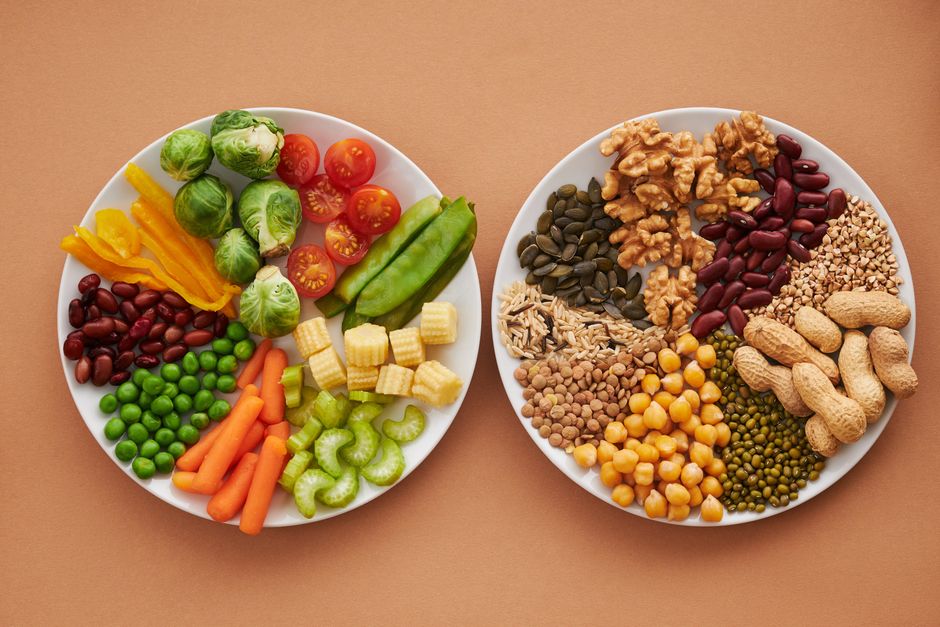
How Protein Sequencing Affects Hunger
GLP-1 and Satiety Signals
Eating protein triggers the release of gut hormones, including glucagon-like peptide-1 (GLP-1) and peptide YY. Both signal the brain to reduce appetite. When protein arrives in your gut early, these hormones are already circulating by the time carbohydrates follow, giving you a stronger fullness signal before the meal is even finished.
This is closely connected to the broader topic of protein timing. Protein Timing and Hunger: When You Eat Protein Matters as Much as How Much explores why the clock and meal structure together shape how satisfied you feel.
The Hunger-Crash Connection
A sharp blood sugar spike followed by a rapid dip is one of the more reliable triggers for sudden hunger, cravings, and low energy. By moderating the spike, protein sequencing may help flatten that rollercoaster. The result is not a dramatic transformation but a quieter, more manageable hunger pattern over the course of your day.
If afternoon energy crashes are a recurring problem for you, Why Your Afternoon Energy Slump Happens and What to Eat to Prevent It pairs well with the sequencing approach covered here.

How to Apply Protein Sequencing to Real Meals
The concept sounds straightforward, but a few practical details make it easier to apply consistently.
The Basic Sequence
- Start with protein and non-starchy vegetables. Eat your chicken, fish, eggs, tofu, legumes, or Greek yogurt alongside your leafy greens, roasted vegetables, or salad first.
- Pause briefly. You do not need a formal break, just finish that portion before moving on.
- Move to fats and higher-fiber options. Avocado, nuts, olive oil-dressed items, and similar foods continue slowing digestion.
- Finish with carbohydrates. Rice, bread, pasta, fruit, potatoes, and other starchy or sugary foods come last.
This is not about eating in timed intervals or tracking grams. It is simply rearranging what you reach for first at a meal you are already eating.
Everyday Meal Examples
Lunch (grain bowl): Start with the chickpeas and roasted vegetables, then eat the quinoa or rice.
Dinner (pasta night): Begin with a small protein-forward salad or some grilled chicken, then enjoy your pasta.
Breakfast: Eggs or Greek yogurt first, then your toast, fruit, or oats. For more ideas on building a blood sugar-friendly morning meal, check out High-Protein Breakfast Ideas for Steady Energy and Satiety.
Restaurant meals: Order a protein-forward appetizer or start with the salad and protein topping before the bread basket or starchy side.
Mixed Dishes and Soups
Not every meal can be cleanly sequenced because the components are blended together. Stews, casseroles, smoothies, and sandwiches all mix nutrients by design. In those cases, protein sequencing is less applicable and that is perfectly fine. You can apply it to the meals where it fits naturally and let the rest go.

Common Mistakes and Misconceptions
Thinking sequencing replaces overall food quality. Protein sequencing works within the context of balanced eating. A meal heavy in ultra-processed carbohydrates will still create a significant blood sugar response even if you eat a small amount of protein first. The order helps, but the composition of your plate still matters.
Turning it into an anxious ritual. If reordering your meal creates stress or hyper-vigilance around food, the psychological cost may outweigh the physiological benefit. The goal is a calm, sustainable habit, not a rigid rule. Mindful Eating Without Restriction: How to Build a Calmer, More Intuitive Relationship with Food offers useful perspective here.
Expecting dramatic results from a single meal. Research suggests the benefit is real but modest. The value accumulates over many meals, not from one perfectly sequenced lunch.
Skipping vegetables. Fiber plays a significant role in slowing carbohydrate absorption. Eating only protein before carbs, without fiber-rich vegetables, reduces the effect.
Who May Benefit Most
Protein sequencing is relevant for most adults who eat carbohydrate-containing meals, which is nearly everyone. It may be particularly helpful for people who experience frequent energy crashes, notice strong post-meal hunger, or are working toward stable blood sugar meals and sustained energy.
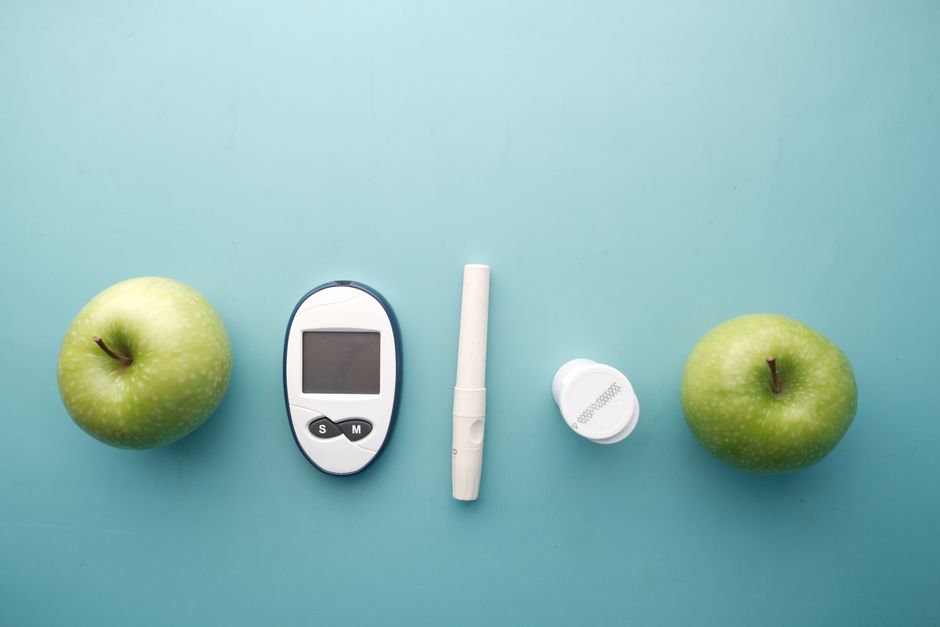
People managing type 2 diabetes or prediabetes often find meal sequencing useful as a complementary approach, but any changes to eating patterns in the context of a medical condition should be discussed with a qualified healthcare professional or registered dietitian first.

Frequently Asked Questions
Does the protein sequencing effect work for everyone?
Research suggests it benefits most people who eat mixed meals containing carbohydrates, but individual responses vary. Factors like portion size, meal composition, gut health, and activity level all influence blood sugar response.
How much protein do I need to eat first for the effect to work?
Studies have used varying amounts, but even a modest portion (roughly 15 to 25 grams) eaten before carbohydrates appears to produce a measurable difference. You do not need to weigh or calculate. A palm-sized protein serving is a reasonable starting point.
Can I apply this to smoothies?
Blended smoothies mix all ingredients simultaneously, so true sequencing is not possible. You can prioritize protein-rich ingredients such as Greek yogurt, protein powder, or nut butter and reduce added sugars to achieve a similar effect. See Smoothie Bowls vs. Blended Smoothies: Which Is Better for Your Goals and Lifestyle for more guidance.
Does this approach support weight management?
Protein sequencing may help by reducing post-meal hunger and moderating blood sugar swings, both of which can support more consistent calorie balance over time. It is not a weight-loss intervention on its own, but it may complement other sustainable habits.
Is meal sequencing the same as intermittent fasting?
No. Protein sequencing is about the order of food within a single meal. Intermittent fasting is about the timing of eating windows across the day. They are different approaches and can be used independently.
This article is for general educational and informational purposes only and is not a substitute for medical advice, diagnosis, or treatment. Health needs vary by individual. Consult a qualified healthcare professional before making significant changes to your diet, exercise routine, supplements, medication, or treatment plan, especially if you have a medical condition, are pregnant or breastfeeding, take medication, or have concerns about your symptoms.

Start With One Meal This Week
You do not need to overhaul your eating habits to explore protein sequencing. Choose one meal today, perhaps dinner or lunch, and simply eat your protein and vegetables before reaching for the starchy part of your plate. Do that consistently for a week and notice how your energy and hunger feel in the hours afterward.
If you want to build on this, reading about Digestive Comfort and Meal Timing: How to Eat for Better Digestion and Sustained Energy is a natural next step. You are also welcome to subscribe to the Clean Body Mentor newsletter for practical, evidence-informed wellness guidance delivered each week, no perfection required.