
It is 2:30 in the afternoon and you are staring blankly at your screen. Your focus has vanished, you want something sweet, and your motivation has hit a wall. Sound familiar? That afternoon fog is not a character flaw or a sign that you need more caffeine. For many people, it is the predictable result of blood sugar swings driven by what, when, and how they ate earlier in the day.
The good news: stable blood sugar meals and energy that lasts throughout the day are genuinely achievable without following a restrictive diet or tracking every gram of food. The key lies in understanding a few reliable nutrition principles and applying them in a way that fits your real life.
This article breaks down exactly which nutrients and food combinations help keep your blood glucose steady, gives you a practical list of meals and snacks you can start using today, and explains why the science behind this approach actually works.
What Blood Sugar Stability Really Means (And Why It Matters)
Your body converts carbohydrates into glucose, which enters the bloodstream and fuels your brain and muscles. When glucose rises quickly, your pancreas releases insulin to bring it back down. If the drop is sharp, you may feel tired, irritable, unfocused, or suddenly very hungry. This cycle of spike-and-crash is sometimes called a glucose rollercoaster, and it plays a major role in the energy dips many people experience daily.
Research suggests that keeping blood glucose in a steadier range throughout the day is associated with better sustained focus, more consistent energy, and more manageable appetite. You do not need to eliminate carbohydrates to achieve this. You need to slow the rate at which glucose enters your bloodstream, and that comes down to meal composition.
For a deeper look at how specific nutrient combinations work together to support focus and satiety, the Eating for Stable Energy: Nutrient Combinations That Keep You Full and Focused All Day guide at Clean Body Mentor is a solid companion to this article.

The Three Nutrients That Do the Heavy Lifting
Before the meal and snack list, it helps to understand why certain foods work. Three nutrients are central to slowing glucose absorption and preventing sharp energy swings.
Protein
Protein slows gastric emptying, meaning food moves from your stomach into your small intestine more gradually. This moderates how quickly glucose reaches the bloodstream. Including a meaningful source of protein at every meal and most snacks is one of the most practical strategies for stable blood sugar meals and energy that holds up through the day. Aim for roughly 20 to 30 grams at meals and 10 to 15 grams at snacks as a general starting point.
Fiber
Soluble fiber (found in oats, legumes, apples, and flaxseed) forms a gel-like layer in the digestive tract that slows carbohydrate absorption. Insoluble fiber adds bulk and feeds beneficial gut bacteria. Both types support a more gradual glucose response. Most adults fall well short of the recommended 25 to 38 grams of fiber per day, and that gap contributes directly to energy instability.
Healthy Fats
Fats do not raise blood glucose on their own and, like protein and fiber, they delay gastric emptying when paired with carbohydrates. Avocado, nuts, seeds, olive oil, and fatty fish are all useful additions. The goal is not to eat large amounts of fat but to include enough at each meal that glucose absorption is buffered.
Eating these three nutrients together with carbohydrates, rather than eating carbohydrates alone, is the foundation of the practical guidance below.
8 Stable Blood Sugar Meals and Snacks to Build Into Your Day
1. A High-Protein Breakfast With Slow Carbs
Breakfast sets the hormonal tone for the morning. A meal that is heavy in refined carbohydrates and low in protein, such as sweetened cereal or a plain bagel, tends to produce a sharp glucose rise followed by a crash before lunch.
A more stable option pairs a moderate portion of complex carbohydrates with a meaningful protein source. Examples include:
- Two eggs scrambled with sauteed spinach and half an avocado on a slice of whole-grain toast
- Greek yogurt (plain, full-fat or low-fat) with a handful of berries, a tablespoon of ground flaxseed, and a sprinkle of unsalted nuts
- Cottage cheese with sliced tomatoes and a small portion of whole-grain crackers
For more breakfast ideas that deliver steady satiety, the High-Protein Breakfast Ideas for Steady Energy and Satiety guide covers a wide range of simple options you can rotate through the week.
2. A Fiber-Forward Lunch With Protein and Fat
Lunch is often where blood sugar stability gets lost. Sandwiches on white bread, pasta with minimal protein, or fast food combinations can all drive the mid-afternoon slump. Swapping refined grains for fiber-rich bases and adding a solid protein source makes a measurable difference.
Practical examples:
- A large mixed salad with leafy greens, chickpeas or lentils, grilled chicken or canned salmon, sliced cucumber and cherry tomatoes, and an olive oil and lemon dressing
- A grain bowl with cooked quinoa or brown rice, roasted vegetables, a poached egg or crumbled feta, and a drizzle of tahini
- A whole-grain wrap with hummus, turkey or tuna, sliced avocado, and plenty of greens
The fiber from legumes and vegetables, combined with protein and fat, gives your body a slower, more even glucose release through the afternoon.
3. A Mid-Morning Snack That Bridges the Gap
If there is a gap of more than four to five hours between your breakfast and lunch, a small snack can prevent your blood glucose from dipping and triggering hunger-driven food choices. The key is choosing something that includes at least one stabilizing nutrient rather than relying on fruit juice, crackers alone, or a candy bar.
Good mid-morning snack options:
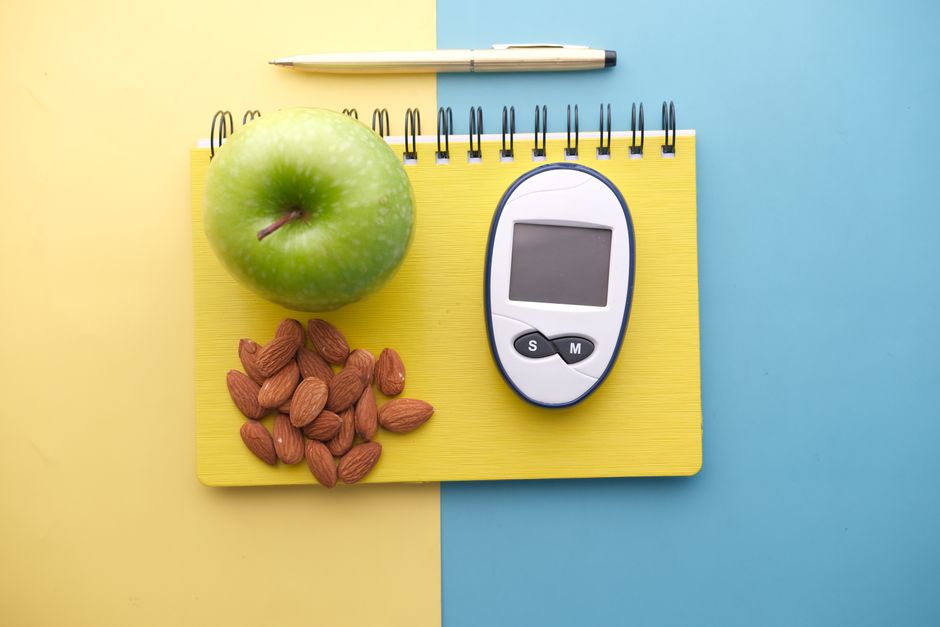
- A small handful of almonds or walnuts with a piece of whole fruit
- A hard-boiled egg with a few whole-grain crackers
- A tablespoon of nut butter on an apple or pear
For a broader selection of real-food options that go well beyond protein bars, the High-Protein Snacks and Light Meals for Sustained Energy Between Meals article is worth bookmarking.
4. An Afternoon Snack That Prevents the 3 PM Slump
The notorious mid-afternoon crash is often made worse by skipping an afternoon snack or reaching for something high in sugar and low in fiber or protein. A small, balanced snack between lunch and dinner can keep energy stable without disrupting appetite for the evening meal.
Options that work well:
- Plain Greek yogurt with a few walnuts and a drizzle of honey
- Sliced vegetables (carrots, celery, bell pepper) with hummus or guacamole
- A small portion of edamame with a pinch of sea salt
- Cheese and whole-grain crackers with a few grapes
5. A Balanced Dinner That Does Not Set Up a Nighttime Crash
Dinner deserves the same structural thinking as earlier meals. Large portions of refined carbohydrates (white pasta, white rice, or white bread) eaten quickly and without adequate protein or fiber can cause a glucose spike followed by a dip that disrupts sleep quality and leaves you hungry before bed.
A dinner formula that supports stable overnight blood sugar:
- Lean or fatty protein (chicken thighs, salmon, tofu, legumes) as the anchor
- A generous portion of non-starchy vegetables (broccoli, zucchini, green beans, spinach)
- A moderate portion of a fiber-rich carbohydrate (sweet potato, whole-grain pasta, lentils, or quinoa)
- A small amount of healthy fat through cooking oil, avocado, or nuts
If you want to understand how meal timing affects digestion and energy beyond just food composition, the Digestive Comfort and Meal Timing: How to Eat for Better Digestion and Sustained Energy article covers those mechanics clearly.
6. A Smoothie Built for Stability, Not a Sugar Spike
Smoothies can either support stable blood sugar or undermine it entirely, depending on what goes in them. A smoothie made from fruit juice, multiple bananas, and sweetened yogurt with no protein or fat can spike glucose fairly quickly.
A stability-focused smoothie formula:
- Liquid base: unsweetened almond milk, oat milk, or plain water
- Protein: Greek yogurt, plain protein powder, or silken tofu
- Fat: a tablespoon of almond butter, chia seeds, or half an avocado
- Fiber: a handful of leafy greens (spinach works well), ground flaxseed, or a small portion of oats
- Moderate fruit: half a cup of berries or one small banana rather than multiple servings
For ideas on the format that suits your goals, the Smoothie Bowls vs. Blended Smoothies: Which Is Better for Your Goals and Lifestyle guide walks through the trade-offs.
7. Meal-Prepped Staples That Make Balanced Eating Automatic
One of the most overlooked reasons people reach for blood-sugar-spiking foods is convenience. When there is nothing ready to eat, a vending machine or sugary snack becomes the default. Prepping a few staples at the start of the week removes that friction.
Useful staples to prepare in advance:
- A batch of cooked whole grains (brown rice, quinoa, farro)
- Hard-boiled eggs
- Roasted vegetables in a variety of textures
- A pot of legumes such as lentils or chickpeas
- Pre-portioned nuts and seeds in small containers
The Meal Prep for Beginners: Simple Systems to Save Time and Build Healthier Eating Habits guide is a practical resource if you want to build a prep routine without it taking over your Sunday.
8. Strategic Snacking Before and After Movement
Physical activity affects blood sugar in ways that can work for or against you depending on timing. Intense exercise on an empty stomach can cause glucose levels to drop sharply for some people. A small carbohydrate and protein combination before a workout and a recovery snack with protein and carbs afterward supports both energy and blood sugar stability.
Before movement (30 to 60 minutes prior): half a banana with a tablespoon of nut butter, or a small handful of trail mix.
After movement (within 60 minutes): Greek yogurt with fruit, a small high-protein wrap, or a smoothie using the balanced formula above.
Common Mistakes That Undermine Blood Sugar Stability
- Eating carbohydrates alone. Crackers, fruit, or bread on their own digest quickly. Pairing them with protein or fat slows that process noticeably.
- Skipping meals to cut calories. Going long stretches without eating often leads to a sharp glucose drop and an overly hungry state that drives fast, carbohydrate-heavy eating at the next meal.
- Drinking calories without fiber. Fruit juice, sweetened coffee drinks, and many commercial smoothies deliver sugar quickly without the fiber that would slow absorption.
- Relying on willpower instead of food structure. If your meals and snacks are not built to support stable blood sugar, hunger and cravings will feel much harder to manage. The structure does a lot of the work for you.
- Confusing hunger with something else. Sometimes what feels like physical hunger mid-afternoon is connected to stress, boredom, or fatigue. For a useful way to check in with yourself before reaching for food, the Emotional Eating vs. Physical Hunger: How to Tell the Difference and Respond With Compassion guide offers a grounded approach.

A Note on Individual Variation
Blood sugar responses to food are genuinely individual. Factors including genetics, gut microbiome composition, activity level, sleep quality, and stress all influence how your body processes glucose from a given meal. The patterns described here reflect general evidence-informed principles, not a prescription that works identically for every person.
If you notice persistent energy crashes, significant hunger shortly after eating, or other symptoms that concern you, speaking with a registered dietitian or your primary care provider is a worthwhile step. They can look at your individual health picture rather than offering general guidance.

Frequently Asked Questions
Does eating low-carb automatically give you stable blood sugar?
Reducing refined carbohydrates can help, but very low-carb eating is not necessary for most people. Research suggests that the combination of carbohydrates with adequate protein, fat, and fiber, rather than the elimination of carbs, is what matters most for steady glucose levels in healthy adults.
How long does it take to notice a difference after changing your meals?
Many people report noticeable improvements in energy consistency within a few days to a couple of weeks of consistently eating more balanced meals. Individual results vary, and better sleep, hydration, and stress management also contribute.
Can stress affect blood sugar even if you eat well?
Yes. Stress hormones such as cortisol can raise blood glucose independently of what you eat. This is one reason that a whole-person approach to energy, including stress management and adequate sleep, supports the dietary strategies described here.
Is it okay to eat fruit if I want stable blood sugar?
Fruit contains natural sugars along with fiber, vitamins, and antioxidants. Eaten in reasonable portions and paired with protein or fat, most fruit is a useful part of a balanced diet and is unlikely to cause dramatic glucose spikes for most healthy people. Fruit juice is a different matter because the fiber has been removed.
Do I need to eat every two to three hours to keep blood sugar stable?
Not necessarily. Some people do well with three balanced meals and one or two snacks. Others maintain steady energy with fewer, larger meals. The evidence does not strongly favor one specific eating frequency for everyone. What matters more is the composition and balance of each eating occasion.
This article is for general educational and informational purposes only and is not a substitute for medical advice, diagnosis, or treatment. Health needs vary by individual. Consult a qualified healthcare professional before making significant changes to your diet, exercise routine, supplements, medication, or treatment plan, especially if you have a medical condition, are pregnant or breastfeeding, take medication, or have concerns about your symptoms.

Your Next Step
Picking one change and practicing it consistently is more effective than attempting a full overhaul at once. Choose one meal from the list above, build it this week, and notice how your energy feels two to three hours after eating. That feedback is one of the most useful signals you have.
When you are ready to go further, browse the Meal Prep for Beginners guide to build a simple prep routine around the meals that work for you, or sign up for the Clean Body Mentor newsletter for practical, evidence-informed wellness guidance delivered weekly.