


Morning hunger is real, and that 10 a.m. energy crash is even more real. If you find yourself reaching for a sugary snack just a couple of hours after breakfast, the meal you started your day with may not be doing enough heavy lifting. Specifically, it may be short on protein.
A high-protein breakfast is one of the most practical and well-supported strategies for staying fuller longer, maintaining more stable blood sugar between meals, and giving your body the building blocks it needs to support muscle health. This matters whether you are managing your weight, fueling a busy workday, caring for a family, or simply trying to build healthier habits that actually stick.
This guide walks you through the science in plain terms, introduces several quick and satisfying high-protein breakfast options, shares simple meal-prep ideas so weekday mornings stay manageable, and covers common mistakes so you can set yourself up for long-term success.

Why Protein at Breakfast Makes a Difference
Protein is one of three macronutrients your body uses for energy, but it plays a unique role compared to carbohydrates and fats. It takes longer to digest, which slows the release of glucose into your bloodstream and helps prevent the sharp energy spikes and dips that often follow a carbohydrate-heavy meal.
Research suggests that eating more protein in the morning may reduce appetite hormones and increase satiety hormones, making you feel fuller for longer stretches of the day. This can naturally reduce overall calorie intake without requiring willpower or restrictive rules. For adults managing weight or working toward sustainable fat loss, that kind of effortless portion control is genuinely helpful.
Protein also supports muscle protein synthesis, meaning your body uses dietary protein to repair and maintain muscle tissue. This is relevant for everyone, not just gym-goers. As adults age, preserving muscle mass becomes increasingly important for metabolic health, mobility, and overall physical function.
Most nutrition professionals suggest aiming for roughly 20 to 30 grams of protein at breakfast as a practical starting point, though individual needs vary based on body size, activity level, age, and health goals. If you are unsure what amount is right for you, a registered dietitian can offer personalized guidance.
Quick High-Protein Breakfast Options You Can Actually Use
The best high-protein breakfast is one you will consistently prepare and enjoy. The options below are flexible, budget-conscious, and fast enough for real weekday mornings.
Eggs in Every Form
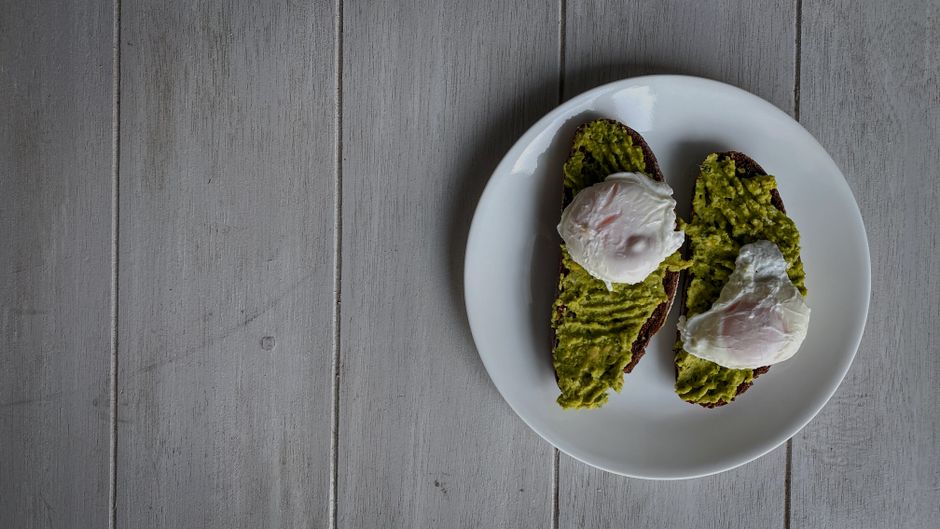
Eggs remain one of the most versatile and affordable high-protein breakfast foods available. A single large egg contains about 6 grams of protein, so two or three eggs at breakfast can provide a meaningful protein contribution. Beyond protein, eggs supply B vitamins, choline (which supports brain function), and healthy fats.
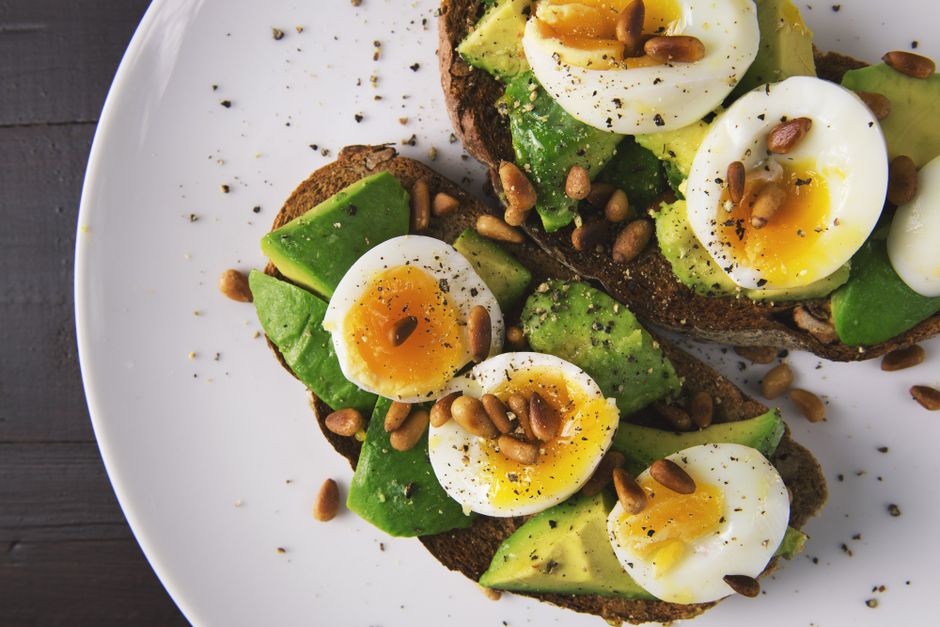
Scrambled eggs with vegetables take under ten minutes. A batch of hard-boiled eggs prepared on Sunday can last through Wednesday in the refrigerator. A simple egg muffin (eggs whisked with chopped peppers, onions, and cheese, baked in a muffin tin) is a great grab-and-go option that supports consistent healthy eating without demanding much skill or time.
If you are watching saturated fat intake for medical reasons, you can use a combination of whole eggs and egg whites to boost protein while adjusting fat content. Always discuss significant dietary shifts with your healthcare provider if you have cardiovascular concerns.
Greek Yogurt Bowls
Plain Greek yogurt is one of the simplest high-protein breakfasts you can assemble in two minutes. A standard serving of plain, full-fat or low-fat Greek yogurt contains roughly 15 to 20 grams of protein, depending on the brand and serving size. Choosing plain varieties rather than flavored ones lets you control added sugar.
Build a satisfying bowl by layering Greek yogurt with a small handful of granola for crunch, a serving of fresh or frozen berries for fiber and antioxidants, and a drizzle of nut butter or a sprinkle of hemp seeds for additional healthy fats and protein. This combination provides balanced nutrition and takes very little prep time.
Greek yogurt also contains probiotics that may support gut health, which ties into the broader picture of whole-person wellness and digestive comfort throughout your day.
Cottage Cheese: The Underrated Option
Cottage cheese has experienced a well-deserved comeback, and for good reason. A half-cup serving typically provides 12 to 14 grams of protein and has a mild flavor that works equally well in savory or sweet preparations.
For a savory version, top cottage cheese with cherry tomatoes, sliced cucumber, cracked pepper, and a drizzle of olive oil. For something sweeter, pair it with pineapple, peaches, or a small handful of walnuts and a light sprinkle of cinnamon. Blending cottage cheese into a smoothie adds creaminess and a protein boost without a strong flavor.
Cottage cheese is also a practical option for people who are lactose-sensitive but not lactose-intolerant, as the culturing process reduces lactose content. Individual tolerance varies, so listen to your body.
High-Protein Smoothies
Smoothies are a popular choice for busy mornings, but many standard recipes are heavier on fruit sugar than on protein, which can leave you hungry within an hour. The fix is straightforward: build your smoothie around a protein source first.
A simple high-protein smoothie formula:
- 1 cup unsweetened almond milk or regular milk
- 1 scoop of protein powder (whey, pea, or hemp based on your preferences and dietary needs) or a half-cup of cottage cheese or Greek yogurt
- 1 small banana or half a cup of frozen berries
- 1 tablespoon of nut butter or chia seeds
- A handful of mild greens such as spinach (optional but nutritious)
Blend until smooth. This combination can deliver 20 to 30 grams of protein and takes about three minutes to prepare. If you meal-prep smoothie ingredients in individual freezer bags the night before, mornings become even faster. Smoothie prep is one of the simplest ways to build consistency into a healthy eating routine, and it pairs well with other practical meal-planning habits.
Nut Butters and Whole-Grain Toast
Two tablespoons of peanut or almond butter on whole-grain toast provides roughly 7 to 8 grams of protein along with fiber and healthy fats. This is not the highest-protein option on its own, but pairing it with a boiled egg, a cup of Greek yogurt, or a glass of milk can round out a complete breakfast.
Look for nut butters with minimal ingredients: ideally just nuts and perhaps a small amount of salt. Avoid those with added hydrogenated oils or excessive sugar.
Meal-Prep Strategies for Weekday Consistency
Knowing what to eat is only part of the equation. Having the right foods ready to go is what turns good intentions into sustainable habits. Here is a simple weekly prep routine to support consistent high-protein breakfasts:
Sunday prep session (30 to 40 minutes):
- Hard-boil a batch of 6 to 8 eggs. Store refrigerated for up to five days.
- Make a batch of egg muffins. Store in an airtight container in the refrigerator for four to five days, or freeze for up to one month.
- Pre-portion Greek yogurt or cottage cheese into individual containers with lids. Add toppings the morning of to maintain texture.
- Assemble smoothie ingredient bags and store in the freezer. In the morning, empty a bag into the blender, add liquid, and blend.
This kind of structured meal prep reduces decision fatigue in the morning and makes reaching for a high-protein option the path of least resistance. Consistent, small preparation habits tend to compound over time into genuinely lasting lifestyle changes.

Common Mistakes to Avoid
Relying on protein bars as a primary strategy. Many commercial protein bars contain high amounts of added sugar and processed ingredients. They can be useful as occasional backup options, but they are not a substitute for whole-food protein sources most days.
Adding protein but removing everything else. A high-protein breakfast is most effective when it also includes fiber (from vegetables, fruits, or whole grains) and a moderate amount of healthy fat. Protein alone without other macronutrients may leave you less satisfied than a balanced plate.
Skipping breakfast entirely and compensating later. Some people find intermittent fasting genuinely helpful, but skipping breakfast and overeating later in the day does not align with the goal of stable energy and satiety for most people. If you prefer a later first meal, make sure that meal is still protein-rich.
Expecting overnight results. Changing your breakfast habits supports your health gradually. You may notice reduced mid-morning hunger within a few days, but building truly consistent energy across an entire day often takes a few weeks of practice and adjustment.
Safety Notes and When to Consult a Professional
High-protein eating is appropriate and beneficial for most healthy adults. However, people with kidney disease or certain other medical conditions may need to manage their protein intake carefully. If you have a chronic health condition, are pregnant or breastfeeding, or take medication that could interact with significant dietary changes, speak with your doctor or a registered dietitian before making major shifts.
Protein powders are widely used and generally considered safe for healthy adults, but they are not regulated the same way as medications. Look for products that carry third-party testing certifications if you choose to use them regularly.

Frequently Asked Questions
How much protein should I aim for at breakfast?
A practical starting range for most adults is 20 to 30 grams of protein at breakfast. That said, individual needs vary based on your body size, activity level, age, and health goals. A registered dietitian can help you find an amount that fits your specific situation.
Can I build a high-protein breakfast without eggs or dairy?
Yes. Plant-based options include tofu scrambles (firm tofu has about 10 grams of protein per half-cup), edamame, tempeh, legume-based spreads like hummus, and plant-based protein powders made from pea, hemp, or soy. Combining two or three of these sources in one meal helps reach a meaningful protein total.
Will eating more protein at breakfast help with weight loss?
Research suggests that higher-protein breakfasts may reduce overall daily calorie intake by improving satiety and reducing appetite hormone activity. This can support sustainable fat loss when combined with other balanced eating habits, adequate movement, and good sleep. Protein alone is not a magic solution, but it is a practical and well-supported piece of the puzzle.
Is it okay to drink a protein smoothie every morning?
For most healthy adults, a well-constructed protein smoothie can be a nutritious daily breakfast. Varying your sources throughout the week (smoothie some mornings, eggs or yogurt on others) helps ensure a broader range of nutrients and keeps meals interesting.
What if I am not hungry in the morning?
Morning appetite varies from person to person. If you are genuinely not hungry, a small protein-rich snack like a few spoonfuls of Greek yogurt or a hard-boiled egg may be easier to manage than a full meal. Forcing yourself to eat a large breakfast when you have no appetite is not necessary. Listen to your body and ease into the habit gradually.
This article is for general educational and informational purposes only and is not a substitute for medical advice, diagnosis, or treatment. Health needs vary by individual. Consult a qualified healthcare professional before making significant changes to your diet, exercise routine, supplements, medication, or treatment plan, especially if you have a medical condition, are pregnant or breastfeeding, take medication, or have concerns about your symptoms.
One Realistic Next Step
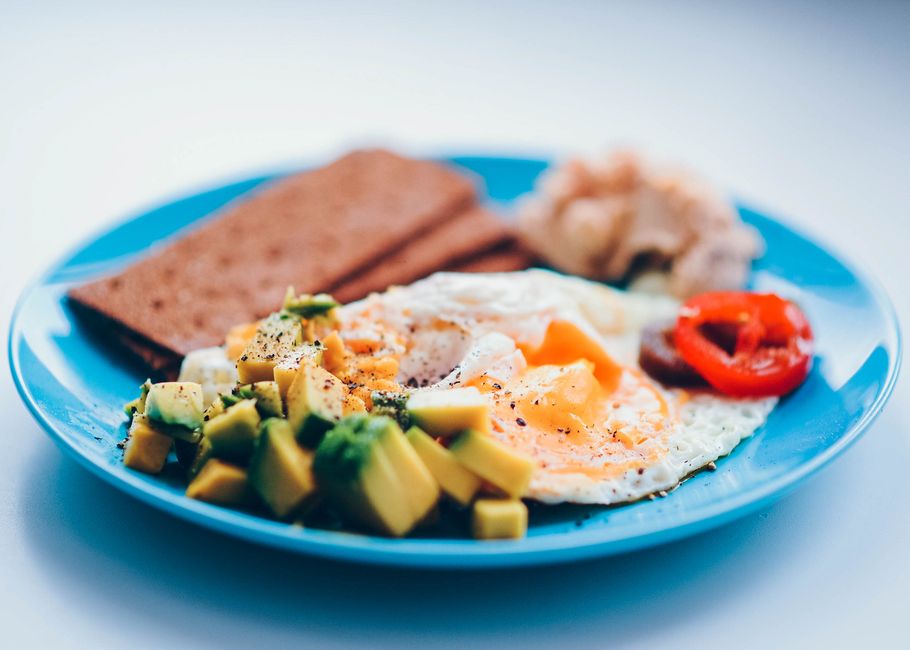
You do not need to overhaul your entire morning to benefit from more protein at breakfast. Choose one option from this guide that fits your schedule and preferences, and commit to trying it consistently for one week. Notice how your energy and hunger levels feel compared to your usual breakfast. Small, sustainable shifts like this are often the ones that stick.
If you enjoy learning about balanced, practical nutrition habits, consider exploring related guides on meal prep strategies for busy weeks, building balanced smoothie recipes, or managing energy throughout the day with whole-food nutrition. You are also welcome to join the Clean Body Mentor newsletter for practical weekly wellness guidance delivered straight to your inbox.