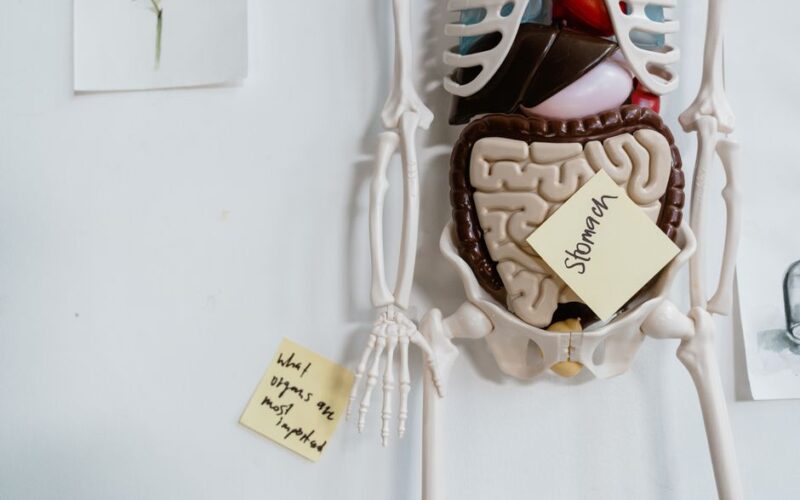

You have probably noticed that an upset stomach can ruin your whole day. But the connection between your digestive system and the rest of your body runs much deeper than occasional discomfort. Digestive health influences your energy levels, immune response, mental well-being, and even how you handle stress. Yet many people move through life with only a vague understanding of how their gut actually works, or what genuinely supports it.
This guide covers the essentials: how digestion functions, why it matters for whole-person wellness, and a practical list of evidence-informed habits you can begin building today. You will also find guidance on common mistakes, when to seek professional support, and answers to frequently asked questions.
Quick Takeaways
- Digestion is a complex, full-body process that affects far more than your stomach.
- Fiber, hydration, movement, sleep, and stress management all play meaningful roles in gut health.
- Probiotic and prebiotic foods may support a balanced gut microbiome, though individual responses vary.
- Symptoms that persist or worsen deserve professional evaluation, not guesswork.
- Small, consistent habits matter more than short-term overhauls.

Why Digestive Health Deserves More Attention
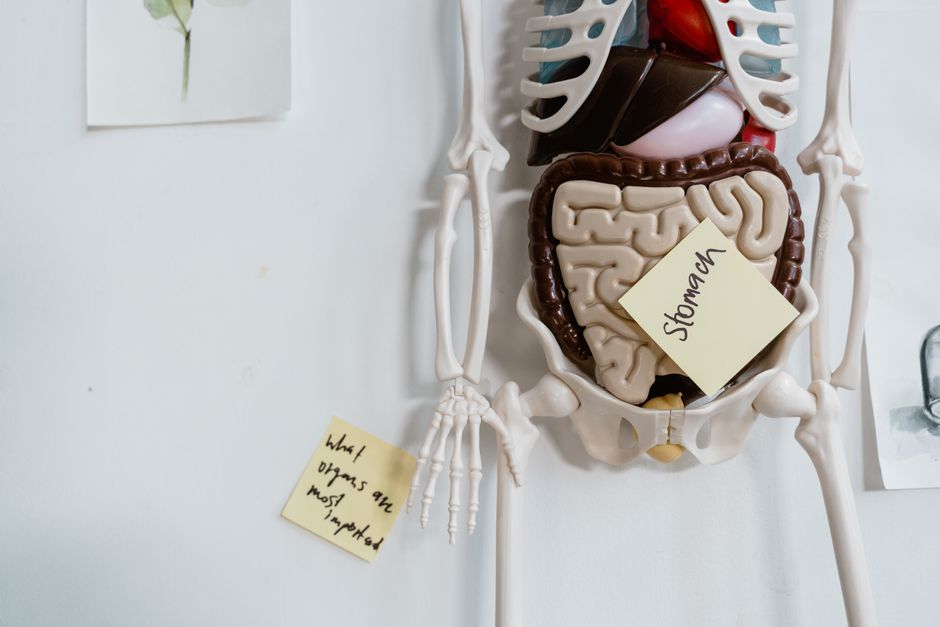
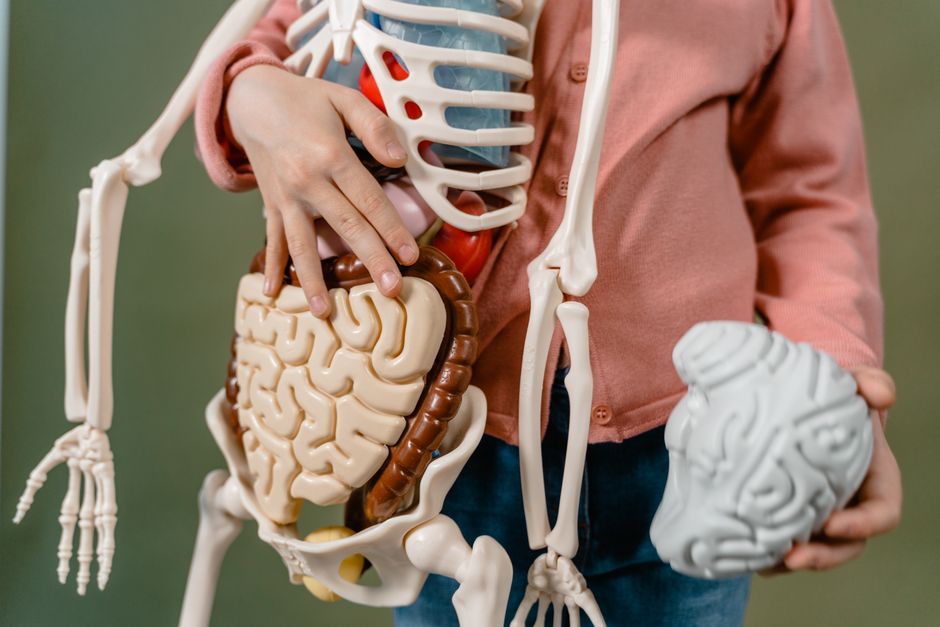
Your digestive system is a roughly 30-foot-long tract that breaks food down into nutrients your body can absorb and use. It also houses approximately 70 percent of your immune system, contains hundreds of millions of nerve cells (sometimes called the enteric nervous system or the “second brain”), and hosts trillions of microorganisms collectively known as the gut microbiome.
Research suggests that a disrupted microbiome, often called dysbiosis, has been associated with conditions ranging from irritable bowel syndrome to anxiety and fatigue, though scientists are still mapping the exact mechanisms. What is clear is that the gut communicates constantly with the brain through the gut-brain axis, a bidirectional network of nerves, hormones, and immune signals. This means your mental wellness and your digestive health are genuinely intertwined, not just metaphorically.
For practical whole-person wellness, understanding your digestive system is not a niche interest. It is a foundational piece of taking care of your body.

8 Evidence-Informed Habits That Support Healthy Digestion
1. Prioritize Dietary Fiber Every Day
Fiber is the single most studied and most consistently supported dietary factor for digestive health. It comes in two forms, and both matter.
Soluble fiber dissolves in water, forming a gel-like substance that slows digestion, feeds beneficial gut bacteria, and helps regulate blood sugar. Good sources include oats, apples, legumes, chia seeds, and flaxseed.
Insoluble fiber adds bulk to stool, helping food move through the intestines more efficiently. You will find it in whole grains, vegetables, and the skins of many fruits.
Most adults in the United States consume far less fiber than the recommended 25 to 38 grams per day. A gradual increase, paired with adequate water intake, is the safest approach. Jumping from a low-fiber diet to a very high-fiber one too quickly can cause gas and bloating. Aim to add one or two fiber-rich foods per day rather than overhauling your plate all at once.
If you enjoy building balanced eating plans around nutrient-dense foods, exploring a practical guide to fiber-rich meal prep can make this habit much easier to maintain week after week.
2. Stay Well Hydrated
Water plays a direct role in digestion at every stage. Saliva, which begins breaking down carbohydrates in your mouth, is mostly water. Your stomach lining uses water to produce gastric acid. The intestines rely on fluid to absorb nutrients and keep stool soft enough to pass comfortably.
Dehydration is one of the most common and most preventable contributors to constipation. Most adults do well aiming for roughly 6 to 8 cups of fluid per day, though individual needs vary based on body size, activity level, climate, and diet. Foods with high water content, including cucumbers, watermelon, leafy greens, and soups, also contribute to your overall fluid intake.
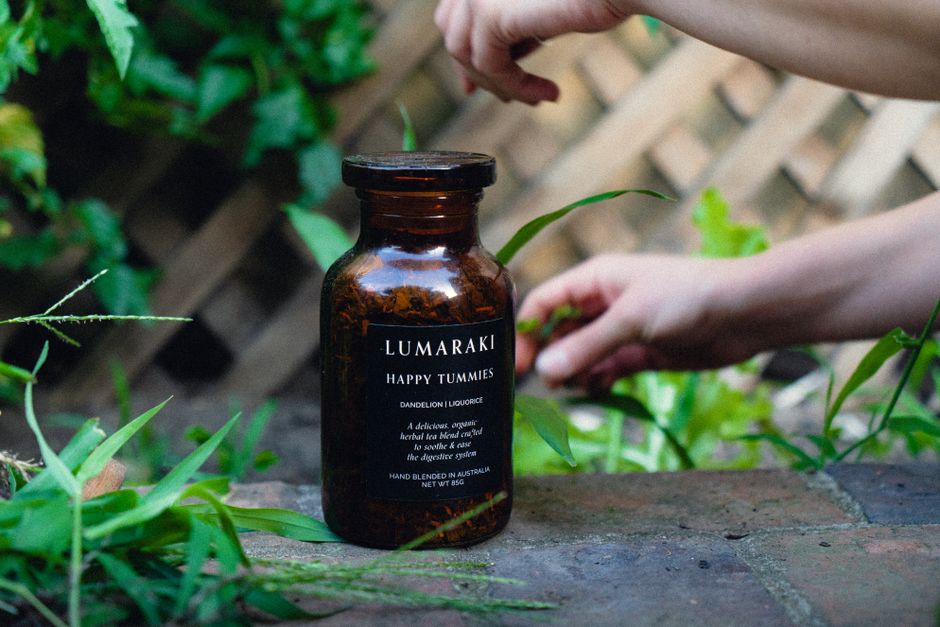
Herbal teas, particularly ginger and peppermint, have a long traditional history of supporting digestion, though the clinical evidence for specific benefits is modest. They can be a pleasant, low-risk addition to your routine if you enjoy them.
3. Move Your Body Regularly
Physical activity does more than strengthen muscles or support weight management. Movement stimulates the muscles of the digestive tract, helping food and waste move through the system more efficiently. Research suggests that regular moderate exercise is associated with reduced constipation and a more diverse gut microbiome.
You do not need intense workouts to benefit. Even consistent daily walking has been shown to positively influence gut transit time. If you are newer to movement, a simple walking plan that fits your schedule is an excellent starting point. Strength training and gentle stretching routines also support overall gut motility over time.
For people managing digestive discomfort, very high-intensity exercise immediately after eating can temporarily worsen symptoms in some individuals. Spacing strenuous workouts at least an hour or two away from large meals is a practical, low-effort adjustment.
4. Manage Stress Actively
Stress is not just a mental or emotional experience. It activates your nervous system in ways that directly affect gut function. The gut-brain axis means that psychological stress can alter gut motility, increase intestinal permeability, and shift the composition of the microbiome. Many people notice that anxiety causes stomach upset, urgency, or appetite changes, which reflects this real physiological connection.
Mindfulness-based practices, including deep breathing, meditation, and yoga, have shown modest but meaningful benefits for people managing stress-related gut symptoms. These are not magical fixes, but they are evidence-informed tools worth adding to your self-care toolkit.
Addressing stress is part of whole-person wellness, and its impact on digestive health is one compelling reason to make it a genuine priority rather than an afterthought. If stress or emotional health concerns feel significant, a licensed mental-health professional can offer personalized support that no article can replace.
5. Include Probiotic and Prebiotic Foods
Probiotics are live microorganisms that, when consumed in adequate amounts, may confer health benefits. Fermented foods like plain yogurt with live cultures, kefir, sauerkraut, kimchi, miso, and tempeh are natural sources. Prebiotic foods, including garlic, onions, leeks, asparagus, bananas, and oats, provide the fuel that beneficial gut bacteria feed on.
The science here is genuinely promising but also nuanced. Not every strain of probiotic helps every condition, and responses vary considerably between individuals. Current research suggests that regularly eating a variety of fermented and fiber-rich foods is a more sustainable and broadly effective strategy than relying on a single probiotic supplement.
If you are considering a probiotic supplement for a specific condition, discussing it with a registered dietitian or qualified healthcare professional first is worthwhile, especially if you are immunocompromised or managing a chronic health condition.
6. Eat Mindfully and Chew Thoroughly
Digestion begins in the mouth, and chewing is the first mechanical step. Thorough chewing breaks food into smaller particles, increasing the surface area available for digestive enzymes and reducing the workload on the stomach and intestines.
Eating quickly, which many busy people do as a default, can lead to swallowing excess air (contributing to bloating), overeating before fullness signals register, and incomplete breakdown of food. Mindful eating, which means slowing down, paying attention to hunger and fullness cues, and reducing distractions at mealtimes, supports both digestive comfort and a healthier relationship with food.
This habit costs nothing, requires no special equipment, and can be practiced at any meal. Starting with just one mindful meal per day is a realistic entry point.
7. Protect Your Sleep
Sleep and digestive health have a two-way relationship that is easy to overlook. Poor sleep can increase gut permeability, shift the microbiome toward less favorable compositions, and heighten sensitivity to gut discomfort. Conversely, significant digestive issues, including acid reflux, bloating, or discomfort, can disrupt sleep quality.
Research in the field of chronobiology (the study of biological rhythms) suggests that eating in alignment with your natural circadian rhythm, generally front-loading more calories earlier in the day and avoiding heavy meals close to bedtime, may support both digestion and sleep quality.
If you want to understand how sleep affects your whole body and how to build a sustainable sleep routine, exploring foundational guides on sleep health can complement the digestive habits covered here.
8. Limit Habits That Disrupt Gut Function
Certain common habits consistently appear in the research as disruptive to digestive health:
- Ultra-processed foods: High in additives and low in fiber, they are associated with lower microbiome diversity.
- Excessive alcohol: Irritates the gut lining, disrupts the microbiome, and can worsen reflux.
- Smoking: Linked to a range of digestive conditions, including peptic ulcers and Crohn’s disease.
- Overuse of nonsteroidal anti-inflammatory drugs (NSAIDs): Can damage the gut lining with frequent use. Always follow dosage guidance and consult a healthcare professional if you rely on them regularly.
- Ignoring the urge to have a bowel movement: Consistently delaying can contribute to constipation over time.
Reducing these habits gradually, rather than attempting abrupt elimination, tends to be more sustainable for most people.
Common Mistakes and Misconceptions
Mistake: Relying on juice cleanses or detox protocols. Your liver and kidneys manage waste removal continuously. There is no credible clinical evidence that commercial cleanses improve digestive health, and some can cause nutrient imbalances or worsen symptoms.
Mistake: Assuming all digestive discomfort is normal. Occasional gas and mild bloating after a large meal are typical. Persistent pain, blood in stool, unexplained weight change, significant constipation or diarrhea, or symptoms that interfere with daily life are not things to manage alone with home habits.
Mistake: Eliminating entire food groups without guidance. Removing gluten, dairy, or other food groups without a medical reason and without professional guidance can reduce nutrient variety and make digestive issues harder to diagnose accurately.
Mistake: Expecting probiotic supplements to override a poor diet. Supplements may have a role in specific situations, but they work best alongside a varied, fiber-rich diet, not as a substitute for one.

When to Consult a Qualified Healthcare Professional
Gut-related symptoms can range from minor inconveniences to signs of conditions that require medical evaluation. Please seek professional guidance if you experience:
- Blood in your stool or rectal bleeding
- Persistent abdominal pain or cramping
- Unexplained significant weight loss
- Chronic diarrhea or constipation that does not improve with lifestyle changes
- Difficulty swallowing or persistent heartburn
- Jaundice (yellowing of the skin or eyes)
- Family history of colorectal cancer combined with new digestive symptoms
A primary care physician can determine whether a referral to a gastroenterologist, a registered dietitian, or another specialist is appropriate. Lifestyle guidance is a powerful complement to medical care, but it is not a replacement when symptoms suggest an underlying condition.

Frequently Asked Questions
Q: How long does it take to improve digestive health through lifestyle changes?
A: Many people notice some improvements in digestion within a few days of increasing fiber, fluid intake, and movement. More meaningful shifts in microbiome composition may take several weeks of consistent habits. Individual responses vary, and patience is a realistic expectation.
Q: Can stress really cause gut problems?
A: Yes. The gut-brain axis is a real physiological network, and psychological stress activates responses that can alter gut motility, increase gut sensitivity, and shift the microbiome. Managing stress is a legitimate component of supporting digestive health.
Q: Are probiotic supplements necessary for good gut health?
A: Not necessarily. A diet rich in fermented foods and diverse plant-based fiber supports beneficial gut bacteria for most healthy adults. Supplements may be helpful in specific situations, but a registered dietitian or healthcare professional can help you decide whether they make sense for your individual needs.
Q: Is it normal to feel bloated every day?
A: Occasional bloating is common, but daily or persistent bloating, especially when accompanied by pain, changes in stool, or other symptoms, is worth discussing with a healthcare professional rather than accepting as normal.
Q: Does drinking coffee affect digestion?
A: For many people, coffee stimulates gut motility, which is why it can trigger a bowel movement shortly after drinking it. This is generally harmless. However, coffee can worsen acid reflux or heartburn in some individuals, and very high intake may irritate the gut lining. Moderate intake is considered low-risk for most healthy adults.
A Realistic Next Step
You do not need to overhaul your entire lifestyle to start supporting your digestive health. Choose one habit from this list that feels genuinely manageable for you right now. Perhaps it is adding a serving of legumes to your meals a few times per week, drinking a glass of water with each meal, or taking a 15-minute walk after dinner. Practice that one habit consistently before layering in another.
When you are ready to explore more, consider reading related Clean Body Mentor guides on stress management, mindful eating, and building a balanced nutrition foundation, or subscribe to the Clean Body Mentor newsletter for practical, realistic wellness guidance delivered weekly.
This article is for general educational and informational purposes only and is not a substitute for medical advice, diagnosis, or treatment. Health needs vary by individual. Consult a qualified healthcare professional before making significant changes to your diet, exercise routine, supplements, medication, or treatment plan, especially if you have a medical condition, are pregnant or breastfeeding, take medication, or have concerns about your symptoms.