

That familiar mid-afternoon slump hits, you reach for something quick, and an hour later you feel just as drained as before. For many people, the problem is not the time of day or their sleep schedule. It is the quality of what they ate between meals. Refined carbs and sugary snacks spike blood sugar quickly, then leave you crashing. Protein, on the other hand, digests more slowly and helps stabilize blood sugar in a way that keeps your energy and focus steadier across the day.
Here is the thing: most people already know protein bars and shakes exist. But bars can be loaded with added sugars, and shakes often feel like a chore or a gym accessory. What about real food, the kind you already have at home or can grab at a grocery store without reading a five-paragraph ingredient label?
This article reviews practical, satisfying high-protein snacks for energy that go well beyond bars and powders. You will find whole-food options, semi-prepared picks, light meal ideas, budget-friendly choices, and honest notes on what actually works for different schedules and lifestyles.
Why Protein Matters More Than You Might Think Between Meals
Protein is one of three macronutrients, and it plays a distinct role in how full you feel and how long your energy holds. Research suggests that higher-protein eating patterns are associated with greater satiety and more stable blood glucose compared to high-carbohydrate snacking. This does not mean carbs are the enemy. It means that snacks built around protein and fiber tend to outperform snacks built around refined starch or sugar for keeping energy steady.
Your body also uses protein continuously for muscle repair, immune support, and enzyme production. If you are also building strength or following a beginner home workout plan, getting adequate protein throughout the day rather than all at once can support muscle protein synthesis more effectively than front- or back-loading it at one meal.
For most healthy adults, aiming for 15 to 30 grams of protein at a snack or light meal is a practical range that supports satiety without requiring a full meal prep operation. That said, individual needs vary based on body size, activity level, age, and health status.
Whole-Food High-Protein Snacks You Probably Already Know (But May Be Underusing)
The simplest high-protein snacks are often the ones already in your kitchen. Here is an honest review of the most reliable whole-food options.
Hard-Boiled Eggs
Eggs remain one of the most cost-effective, portable, and protein-dense whole foods available. One large egg provides about 6 grams of protein and a solid mix of healthy fats that slow digestion and extend satiety. A two-egg snack gives you roughly 12 grams of protein for under a dollar in most grocery stores. Batch-cook them at the start of the week and keep them in the fridge for up to five days. They pair well with a handful of cherry tomatoes or a few crackers if you want something more filling.
Best for: Budget-conscious eaters, meal preppers, people who want minimal prep.
Greek Yogurt (Plain, Full-Fat or Low-Fat)
Plain Greek yogurt provides 15 to 20 grams of protein per cup depending on the brand and fat level. It also contains live cultures that may support gut health, which connects directly to how well you absorb nutrients and manage digestive comfort. If you want to understand more about how gut health influences whole-body wellness, the guide to digestive health and whole-person wellness covers that clearly.
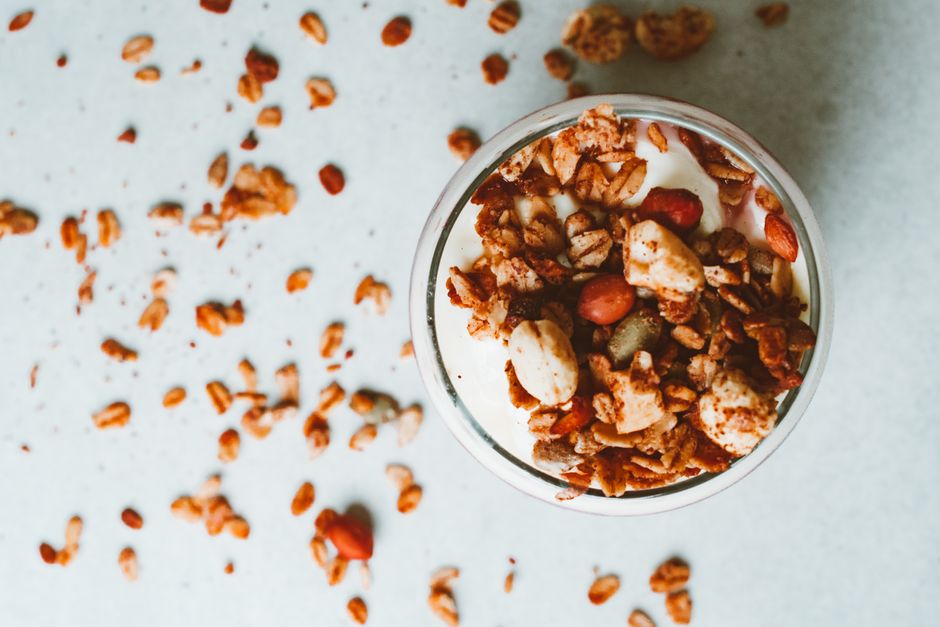
The catch with Greek yogurt is flavor. Plain versions can taste sharp without anything added. A small drizzle of honey, a handful of berries, or a tablespoon of nut butter makes it more enjoyable without dramatically increasing sugar. Avoid heavily flavored or sweetened varieties if sustained energy is the goal, as many contain as much added sugar as a candy bar.
Best for: Morning or mid-afternoon snacks, people who enjoy creamy textures.
Cottage Cheese
Cottage cheese has had a well-deserved comeback. Half a cup of full-fat cottage cheese provides around 13 to 14 grams of protein. It is higher in casein protein, which digests slowly and may be particularly good for extending satiety. It is also mild enough to pair with savory toppings like sliced cucumber and black pepper or sweet options like pineapple and a sprinkle of cinnamon.
Best for: People who want a filling, low-effort snack that works at any time of day.
Edamame
Half a cup of shelled edamame provides about 9 grams of plant-based protein, along with fiber and several micronutrients including folate. Frozen edamame is inexpensive and cooks in three to five minutes. Add a pinch of sea salt or a splash of soy sauce and you have one of the most nutrient-dense high-protein snacks for energy available in the produce section. This is a strong pick for vegetarian and vegan readers looking for whole-food protein beyond legumes or tofu.
Best for: Plant-based eaters, anyone who wants something savory and light.
Canned Fish (Tuna, Salmon, Sardines)
Canned fish is a powerhouse option that gets overlooked because of convenience assumptions. A small can of tuna packed in water provides around 20 to 25 grams of protein for roughly $1.50 to $2.00. Sardines and canned salmon are higher in omega-3 fatty acids, which research suggests may support cardiovascular and cognitive health. Eat tuna from the can with a few whole-grain crackers, or mix it with a little olive oil, lemon juice, and capers for something more interesting.
One important note: canned tuna, particularly albacore, contains higher mercury levels than light tuna. For most healthy adults, a few servings per week is generally considered safe, but if you are pregnant, breastfeeding, or managing a health condition, consult a qualified healthcare professional about appropriate intake levels.
Best for: Desk-lunch eaters, budget-focused meal preppers, people who want high protein with minimal effort.
Light Meal Ideas That Double as High-Protein Snacks
Sometimes a snack is not enough. You need something closer to a light meal but without the time commitment of cooking. These options sit between a snack and a full plate.
Egg and Veggie Muffin Cups
Bake a batch of six to twelve mini frittatas using eggs, diced peppers, spinach, and a little shredded cheese. Each cup provides 7 to 10 grams of protein depending on size and what you add. They store in the fridge for four days and reheat in under a minute. This is one of the most meal-prep-friendly high-protein snacks for energy you can make at home. If you want a beginner system for making batched foods like these part of your routine, the meal prep for beginners guide walks through exactly how to build that habit efficiently.
High-Protein Wraps
A simple wrap built with a whole-grain tortilla, two to three ounces of rotisserie chicken or canned tuna, a handful of spinach, and a smear of hummus provides 20 to 25 grams of protein and enough fiber to keep you full for two to three hours. This works as a desk lunch or post-workout refuel. Vary the fillings based on what you have on hand: turkey, hard-boiled egg slices, or black beans all work.
Lentil Soup or Bean-Based Dishes
One cup of cooked lentils provides about 18 grams of plant-based protein and is extraordinarily high in fiber. A small bowl of lentil or black bean soup can function as a substantial light meal. You can prep a large batch once a week or keep canned lentil soup on hand for days when you need something fast. Pair it with a slice of whole-grain bread and you have a balanced, high-protein snack that also supports stable blood sugar.
Smoked Salmon and Whole-Grain Toast
This combination is fast, satisfying, and more nutrient-dense than it looks. Two ounces of smoked salmon over a slice of whole-grain toast provides about 13 to 15 grams of protein and heart-healthy omega-3 fats. Add a few capers, sliced cucumber, and a squeeze of lemon if you have them. This is a good option for remote workers and people who eat at home during the day.
Semi-Prepared and Store-Bought Options Worth Keeping on Hand
Not everything needs to be made from scratch. Some convenient options are genuinely solid choices without misleading labels.
String Cheese and Hard Cheeses
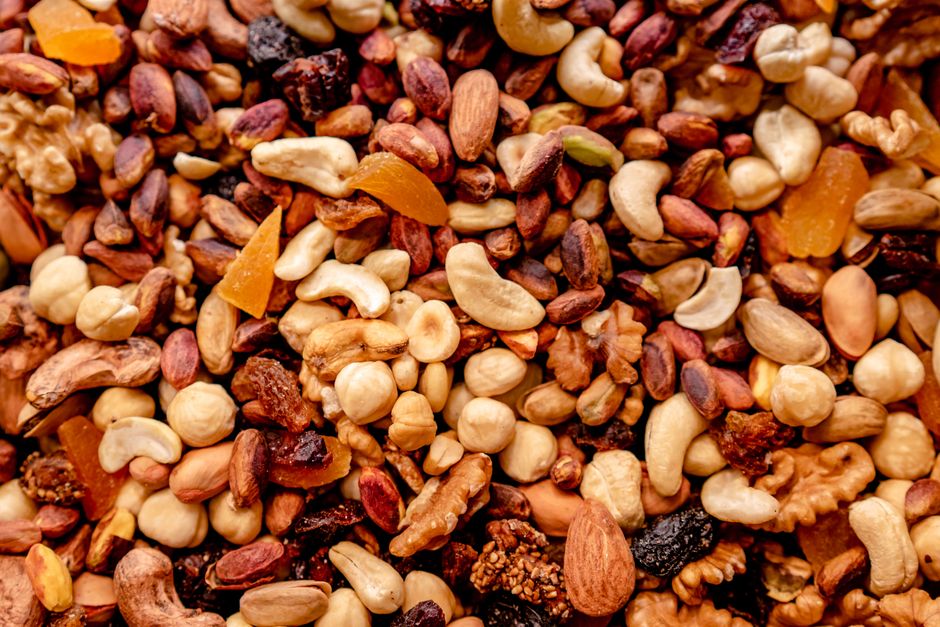
One stick of string cheese provides 6 to 8 grams of protein and is portable, shelf-stable for a short period, and easy for kids and adults alike. Pair two sticks with a handful of almonds and you have a 15-gram snack in under thirty seconds. Hard cheeses like cheddar and gouda are similarly useful in small portions.
Roasted Chickpeas
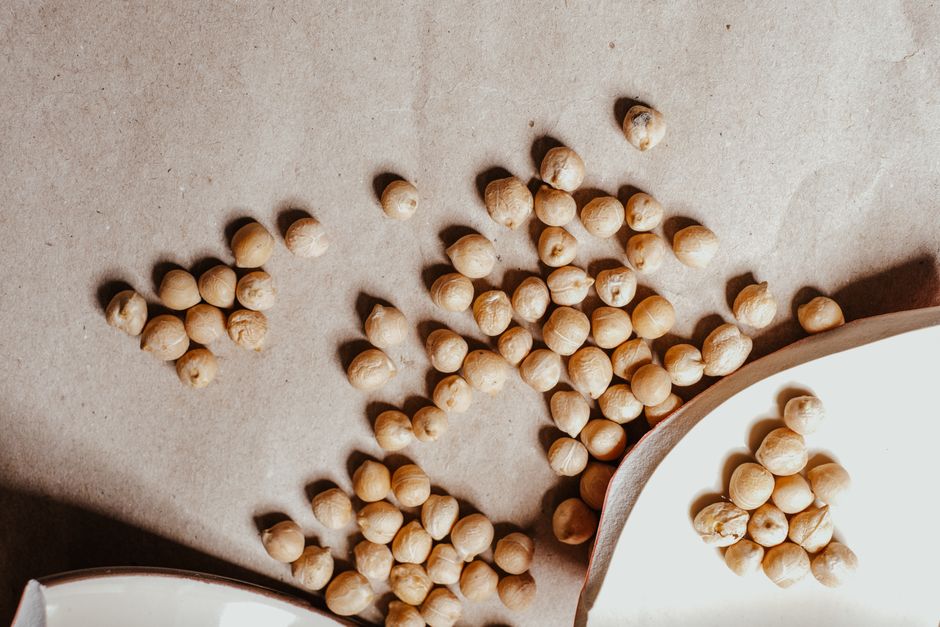
Store-bought roasted chickpeas (or ones you make at home from canned chickpeas seasoned and baked at 400 degrees for 25 to 30 minutes) provide a crunchy, savory snack with about 6 grams of protein and 5 grams of fiber per half-cup serving. Look for varieties without excessive added sodium or coatings. These travel well and hold up for several days in an airtight container.
Deli Turkey and Hummus
A few slices of low-sodium deli turkey rolled around a dollop of hummus gives you a quick, protein-forward snack without needing a plate or utensils. Choose brands with minimal additives in the ingredients list. This is a solid choice when you are between meetings or need something portable.
Common Mistakes That Undermine Your High-Protein Snack Goals
Even with good intentions, a few patterns tend to derail results.
Choosing flavored versions with high added sugar. Flavored Greek yogurts, protein-enriched granolas, and some cottage cheese cups have added sugar levels that rival dessert. Read the label and look for less than 8 to 10 grams of added sugar per serving.
Eating protein-only and ignoring fiber. Protein alone supports satiety but pairing it with fiber from vegetables, legumes, or whole grains extends that fullness even further and supports gut health. Think of them as a team, not alternatives.
Under-eating during the day and over-correcting at night. If you skip or delay snacks consistently, hunger becomes harder to manage by evening. Strategic protein snacking across the day is one of the simplest tools for avoiding the cycle of restriction and overeating. This aligns with the same sustainable principles used in approaches to walking for weight loss and energy balance over time.
Buying bars as a long-term solution without reading labels. If a bar has 20 grams of protein but also 25 grams of added sugar and a list of ingredients you cannot pronounce, it is not really a healthier substitute for real food. Use bars occasionally when no other option exists, not as a daily foundation.
Building a Smarter Snacking Routine
If you want to make high-protein snacking feel automatic rather than effortful, the key is reducing the number of decisions required in the moment.
- Keep two to three protein options prepped and visible in your fridge each week.
- Keep pantry staples like canned fish, roasted chickpeas, and nut butter within easy reach.
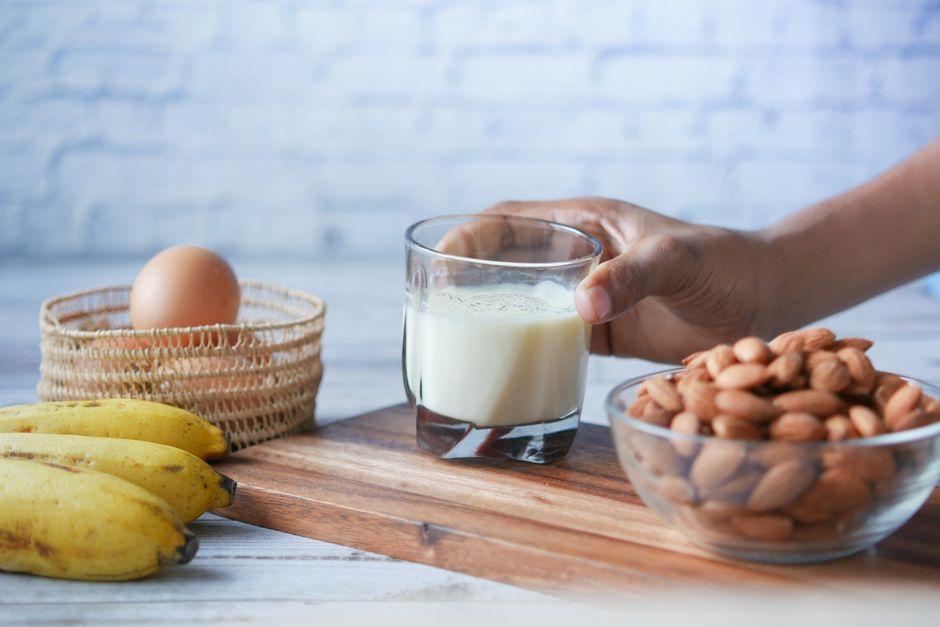
- Pair your snack with a glass of water. Dehydration often mimics hunger and energy loss.
- Time your snack roughly two to three hours after a main meal so it bridges the gap before your next one.
Starting your day with a protein-rich breakfast makes the rest of the day easier too. If you want to anchor your mornings well, high-protein breakfast ideas for steady energy and satiety covers practical options that set up your blood sugar for the whole day. And if you enjoy blended foods as part of your snack rotation, smoothie bowls versus blended smoothies breaks down which format might suit your goals better.

Frequently Asked Questions
How much protein should a snack actually have?
For most healthy adults, a snack with 10 to 25 grams of protein is a reasonable target for promoting satiety and supporting energy between meals. Smaller people or lighter activity levels may feel satisfied at the lower end. Larger, more active individuals may benefit from the higher range. Individual needs vary, so a registered dietitian can help you determine what makes sense for your specific situation.
Can I get enough protein between meals without eating meat or dairy?
Absolutely. Edamame, lentils, black beans, roasted chickpeas, tofu, and tempeh are all strong plant-based protein sources. Combining them with whole grains often creates a more complete amino acid profile. It does require a bit more planning, but it is entirely sustainable.
Will eating more protein between meals help with weight management?
Research suggests that higher-protein eating patterns are associated with reduced appetite and a lower likelihood of overeating at subsequent meals, which can support fat loss over time as part of a calorie-balanced approach. Protein alone is not a weight-loss tool, but it is a genuinely useful one within a broader balanced eating pattern.
Are protein bars ever a reasonable choice?
Yes, occasionally. When a whole-food option is genuinely not available, a bar with 10 to 20 grams of protein, minimal added sugar, and a recognizable ingredient list is better than skipping nourishment entirely. The problem is treating bars as a primary strategy rather than a backup.
How do I avoid getting bored with the same high-protein snacks?
Rotate through at least four to five different options each week. Change preparation methods (hard-boiled vs. scrambled eggs, plain vs. seasoned cottage cheese) and swap flavor profiles between savory and mild. Novelty in food choices helps maintain consistent eating habits over time without requiring dramatic change.
This article is for general educational and informational purposes only and is not a substitute for medical advice, diagnosis, or treatment. Health needs vary by individual. Consult a qualified healthcare professional before making significant changes to your diet, exercise routine, supplements, medication, or treatment plan, especially if you have a medical condition, are pregnant or breastfeeding, take medication, or have concerns about your symptoms.
One Small Step to Start Today
You do not need to overhaul your pantry or follow a rigid eating schedule. Pick one option from this article, such as batch-cooking a few eggs at the start of the week or keeping a can of tuna and some crackers in your desk, and make that your default snack for two weeks. That single change, done consistently, often does more than an ambitious plan that lasts three days.
For more practical, real-life wellness guidance delivered weekly, consider joining the Clean Body Mentor newsletter. Each edition covers sustainable habits, food ideas, movement tips, and whole-person wellness strategies without the extremes.