
If you have ever stood in the kitchen debating whether to pour your blend into a glass or spoon it into a bowl, you are not alone. The difference between smoothie bowls and blended smoothies looks simple on the surface, but it goes deeper than presentation. These two formats can diverge meaningfully in calorie density, satiety, digestion, convenience, and how well they actually support your individual goals.
This comparison walks you through both options honestly. You will find out what each format does well, where each one falls short, and how to decide which one belongs in your routine right now. No format is universally better. The right choice is the one that fits how you live and what you are trying to accomplish.
Quick Answer: What Is the Core Difference?
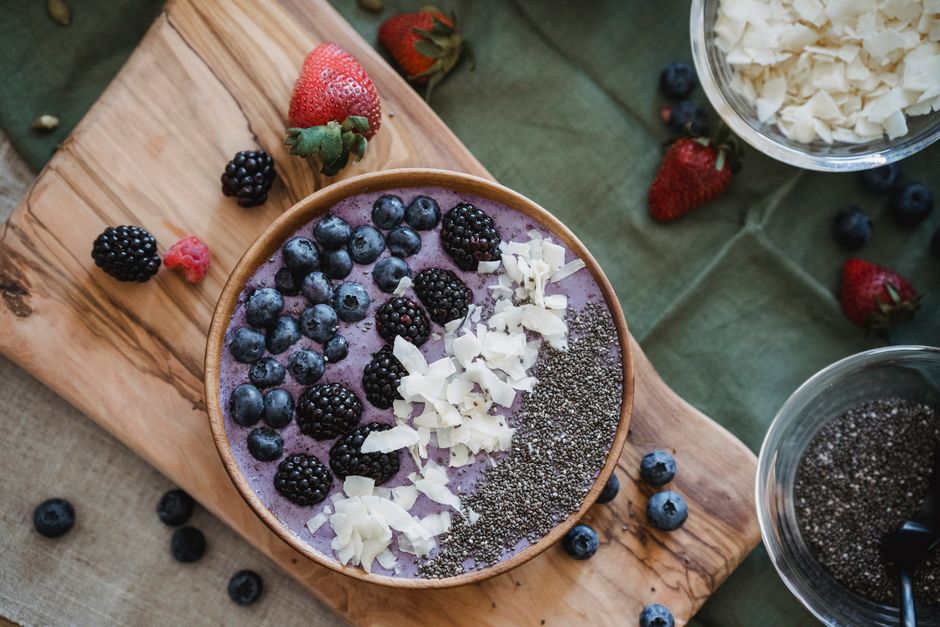
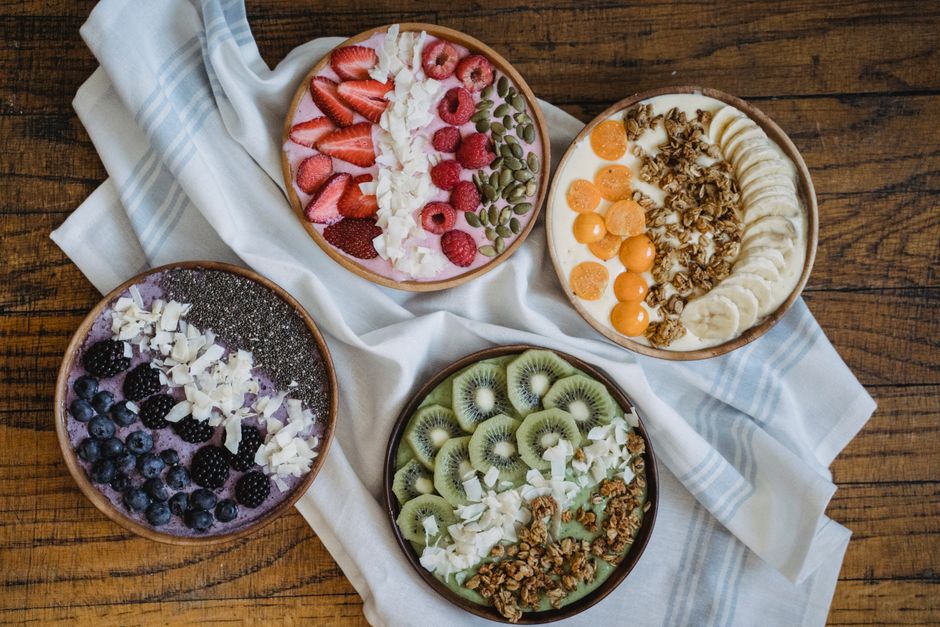
A blended smoothie is a pourable drink made from fruit, vegetables, a liquid base, and optional protein or fat sources. A smoothie bowl uses a much thicker blend, usually with less liquid, and is eaten with a spoon from a bowl with toppings like granola, seeds, nuts, or fresh fruit.
Both can be nutrient-dense. Both can support weight management, energy, or recovery. The differences that matter most are:
- Calorie and carbohydrate load: Toppings on bowls add up quickly.
- Satiety: Eating slowly from a bowl with toppings tends to be more filling for many people.
- Convenience: A smoothie in a jar wins for speed and portability.
- Mindful eating: Bowls naturally slow you down, which research suggests can support better appetite awareness.
Nutritional Profile: How They Compare
Blended Smoothies
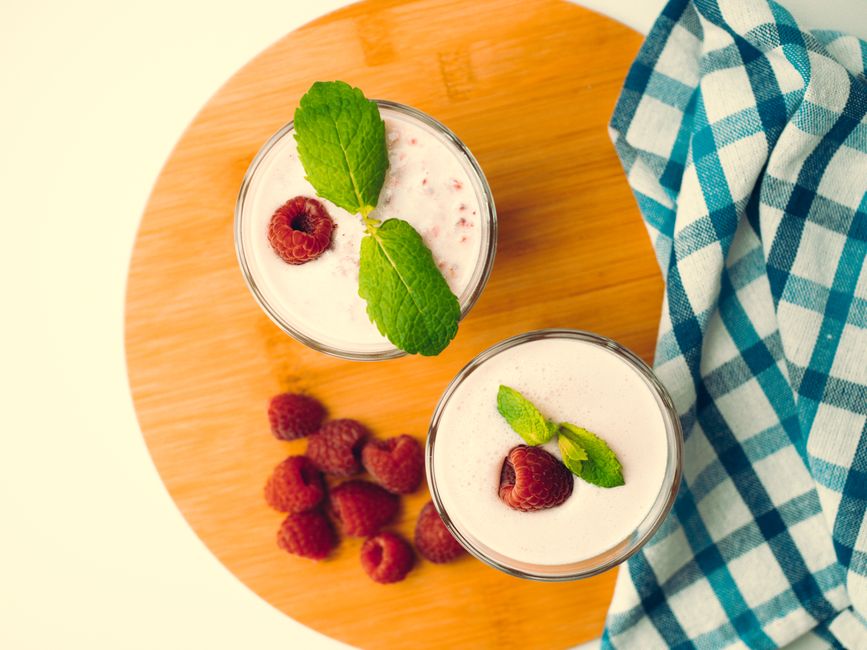
A well-built blended smoothie can deliver fiber, vitamins, minerals, and protein in a compact, drinkable form. Using a base of leafy greens, frozen fruit, a protein source (Greek yogurt, hemp seeds, or a clean protein powder), and a liquid like unsweetened almond milk or water keeps calories reasonable while packing in nutrients.
The challenge with drinkable smoothies is that liquids are processed differently from solid foods. Because you consume them quickly and without much chewing, your brain may not register fullness as efficiently. Research in appetite and eating behavior suggests that the texture and oral processing of food influence satiety signals, so a smoothie you finish in two minutes may leave you hungry sooner than a similarly caloric meal you eat more slowly.
That said, adding enough protein (at least 15 to 25 grams) and healthy fat (nut butter, avocado, chia seeds) meaningfully improves how long a smoothie keeps you satisfied. If you want to build high-protein breakfasts that support steady energy throughout the morning, High-Protein Breakfast Ideas for Steady Energy and Satiety offers practical strategies that translate well to smoothie building too.
Smoothie Bowls
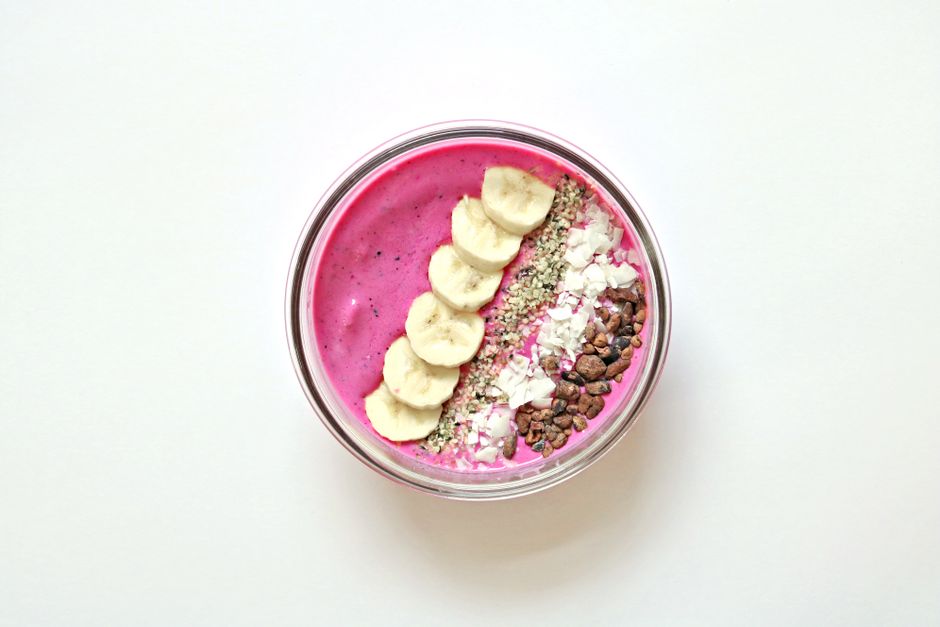
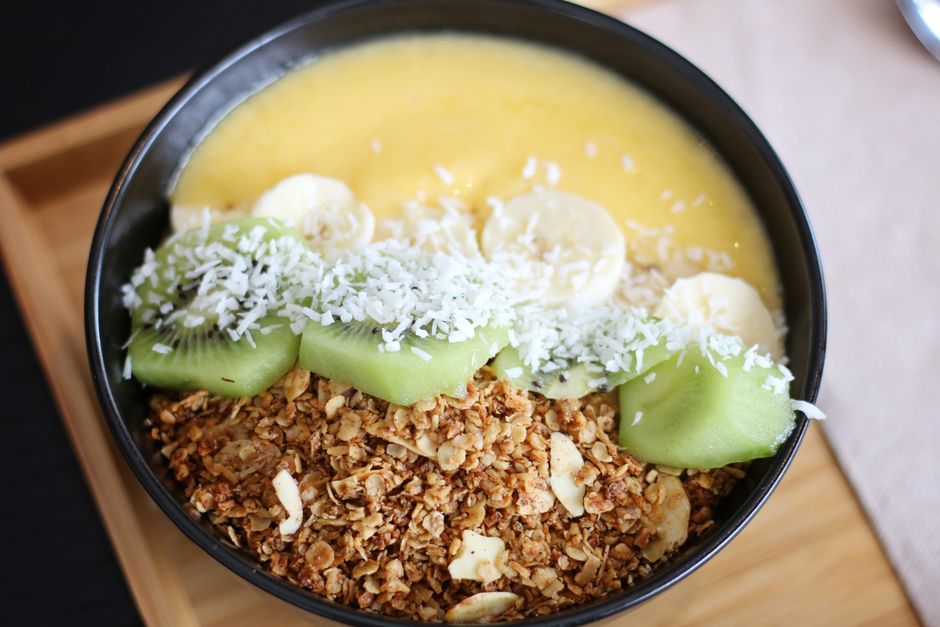
Smoothie bowls are built on a thicker base, which is typically achieved by using frozen banana, frozen cauliflower, or frozen mango with minimal added liquid. Because the base is denser, the volume is similar to a smoothie, but the experience feels more like a meal.
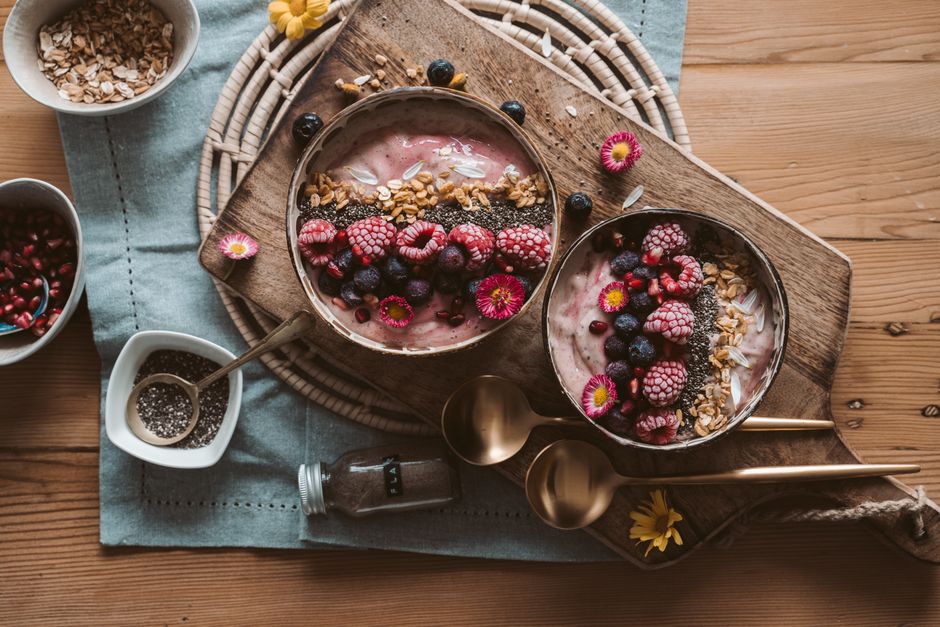
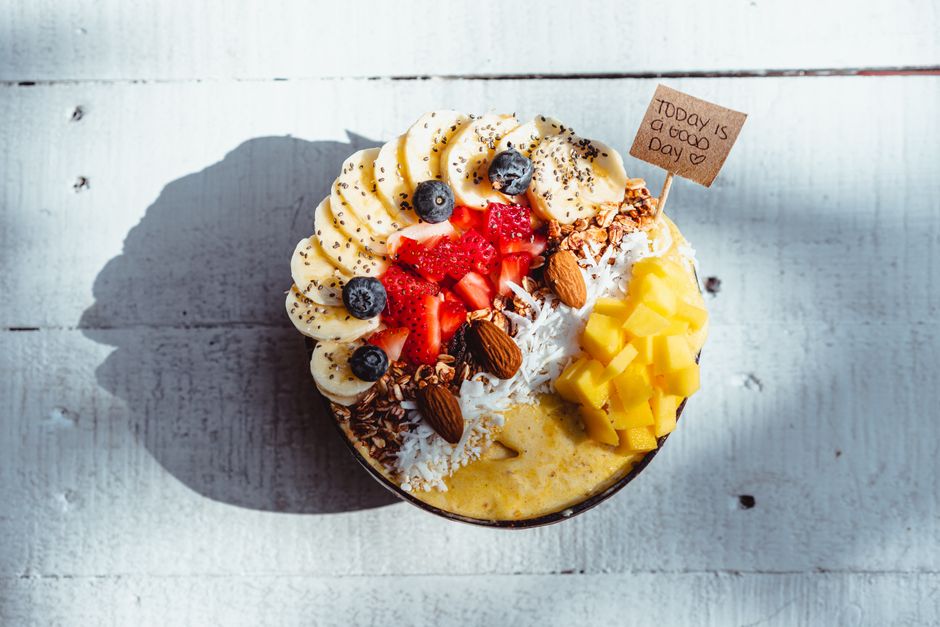
The real nutritional variable with bowls is the toppings. A light topping layer of two tablespoons of granola, a tablespoon of hemp seeds, and sliced strawberries adds modest extra calories with meaningful fiber, healthy fat, and crunch. A heavy hand with granola, coconut flakes, honey, and dried fruit can push a bowl from a balanced breakfast into a 700 to 900 calorie meal without much protein. Neither outcome is inherently bad, but knowing the difference helps you match the bowl to your actual goal.
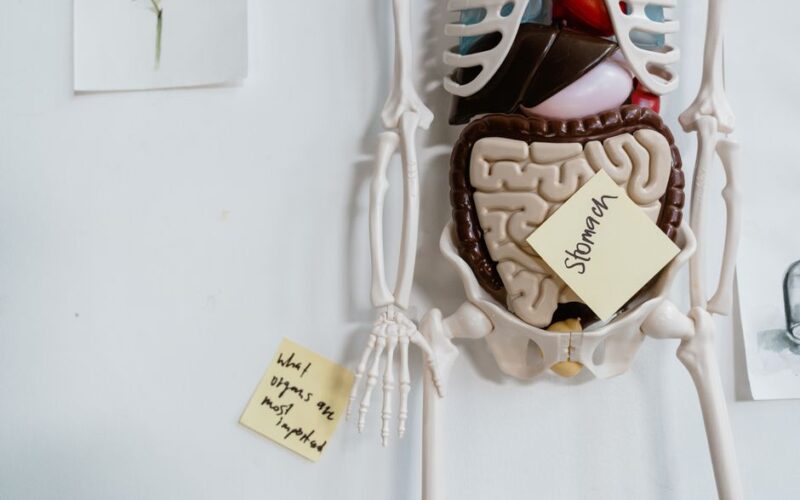
Bowls also support more varied textures, which makes them a natural fit for mindful eating. Chewing different textures slows your pace and gives your digestive system time to prepare. The gut-brain axis, which connects your gastrointestinal tract to appetite-regulating signals, benefits from that extra processing time. For more on how digestion connects to your broader well-being, Digestive Health and Whole-Person Wellness: What You Should Know About Gut Function is worth reading alongside this one.
Convenience and Lifestyle Fit
When a Blended Smoothie Makes More Sense
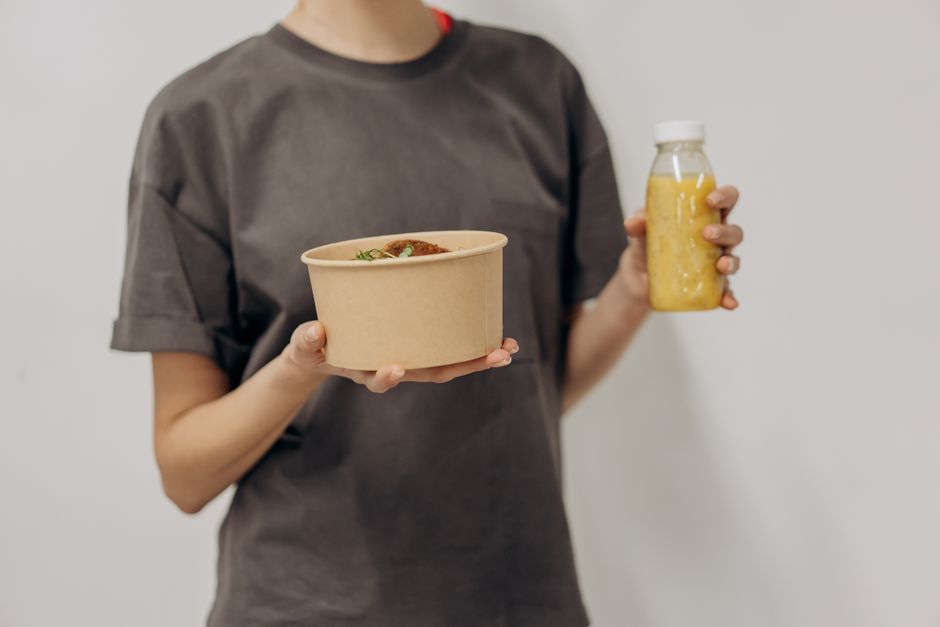
If your mornings are packed or your lunch break lasts fifteen minutes, a blended smoothie is hard to beat. You can prep ingredients the night before, blend in the morning, and be out the door in under five minutes. Smoothies also travel well in an insulated bottle and work well as a post-workout recovery drink when you need quick nutrition after movement.
Smoothies fit naturally into a busy week when you:
- Commute or eat breakfast on the go
- Need a fast recovery option after a home workout or a walking session for fat loss
- Want a low-effort, lower-calorie option between larger meals
- Are new to building healthier eating habits and need something simple to start with
When a Smoothie Bowl Makes More Sense
Smoothie bowls shine on slower mornings or as a satisfying weekend brunch. The act of sitting down with a bowl, assembling toppings, and eating with a spoon creates a deliberate ritual that supports mindful eating and a more relaxed relationship with food. Many people find that a bowl format genuinely increases their enjoyment of a meal, which matters for long-term sustainability.
Bowls also work well if you:
- Tend to feel hungry again within an hour of drinking a smoothie
- Enjoy a more social or visually appealing breakfast experience
- Want to add variety in texture and flavor without cooking a full meal
- Are trying to eat more slowly and stay in tune with hunger and fullness signals
Goal-by-Goal Breakdown
Weight Loss or Fat Loss
For weight loss, calorie awareness matters more than format. Either option can support a moderate calorie deficit when built thoughtfully. A blended smoothie made with protein, fiber-rich vegetables, and a small amount of healthy fat can be a satisfying, lower-calorie option when kept around 300 to 450 calories. A smoothie bowl can do the same, but topping portions require attention, since it is easy to underestimate how quickly granola, nut butter, and sweetened coconut flakes add up.
If fat loss is a priority, the blended smoothie format may be easier to manage calorie-wise, while still delivering solid nutrition. Focus on protein and fiber as your two main satiety levers.
Building Muscle or Supporting Recovery
Both formats support muscle recovery when you include adequate protein. A post-workout blended smoothie with protein powder, a banana, and milk or a high-protein base is fast, convenient, and easy on your digestive system after exercise. A higher-calorie smoothie bowl with toppings like hemp seeds, nut butter, and granola can work well as a post-workout meal when your total calorie and protein needs are higher.
Improving Digestive Comfort
For people managing bloating or digestive sensitivity, high-fiber smoothie bowls with multiple toppings may initially feel heavy. A simpler blended smoothie with easy-to-digest ingredients like banana, spinach, almond milk, and a small amount of protein may be gentler while your gut adjusts. Always introduce new high-fiber foods gradually.
Mindful Eating and Emotional Well-Being
If you are working on building a more mindful, unhurried relationship with eating, the smoothie bowl format has a natural advantage. Sitting down with a spoon, noticing the colors and textures of your toppings, and eating without rushing connects food with pleasure and presence rather than just function. This kind of intentional experience supports emotional well-being around food over time.
Common Mistakes With Each Format
Smoothie mistakes to avoid:
- Using too much fruit with no protein or fat, which creates a high-sugar drink that spikes energy then crashes it
- Skipping fiber-rich vegetables because they change the flavor
- Drinking too quickly without pausing to notice satiety signals
- Relying on pre-made bottled smoothies, which are often high in added sugar and low in fiber
Smoothie bowl mistakes to avoid:
- Overloading toppings without considering the total calorie and sugar count
- Using sweetened granola, dried fruit, and honey all at once, which turns a nutritious bowl into a dessert
- Making the base too thin by adding extra liquid, which removes the thicker texture that makes bowls satisfying
- Treating the visual appeal as the goal and forgetting to balance protein, fat, and carbohydrates
A Simple Framework for Choosing
Here is a practical way to decide which format fits your day:
- How much time do you have? Less than 10 minutes in the morning: blended smoothie. More than 10 to 15 minutes: either option works.
- What is your satiety goal? Want something light and fast: smoothie. Want to feel full for 3 to 4 hours: bowl with protein and fiber-rich toppings.
- Are you eating at home or on the go? On the go: smoothie. At home: bowl.
- What is your calorie context for the day? Lower-calorie day: lean toward a well-built smoothie. Higher-calorie day or post-workout: a bowl with toppings fits well.
- Do you want to practice mindful eating? Yes: sit with a bowl. Short on time: a smoothie done mindfully (no screen, slow sips) still counts.
Safety Notes and When to Consult a Professional
Both formats are generally appropriate for most healthy adults. However, if you have diabetes, prediabetes, or blood sugar regulation concerns, the sugar content of fruit-heavy smoothies and bowls deserves attention. A registered dietitian can help you find a balance that works for your health needs.
If you are managing a digestive condition such as IBS or Crohn’s disease, high-fiber toppings and certain fruits may trigger symptoms. Start with simpler combinations and consult a qualified healthcare professional about what works for your specific situation.
Pregnant or breastfeeding individuals should be mindful of total calorie and nutrient needs, which may be higher, and should avoid unpasteurized ingredients sometimes used in raw smoothie bowls.
Frequently Asked Questions
Are smoothie bowls higher in calories than blended smoothies?
They can be, mostly because of toppings. The base of a smoothie bowl may have similar calories to a blended smoothie, but granola, nut butter, seeds, and sweetened coconut can add 150 to 400 additional calories depending on portion size. A smoothie bowl built with mindful topping portions can fit a wide range of calorie goals.
Can I use the same base recipe for both formats?
Yes, with one adjustment. For a smoothie bowl, reduce the liquid by roughly half or add more frozen fruit to create a thicker, spoonable base. For a drinkable smoothie, add enough liquid to reach a consistency you can pour comfortably.
Which format is better for weight loss?
Neither format is inherently superior for weight loss. Both can support fat loss when built with enough protein and fiber and kept within a calorie range that aligns with your overall intake. The better question is which format you will actually stick to consistently.
Do smoothie bowls count as a full meal?
A smoothie bowl with a balanced base (protein, fiber, healthy fat) and moderate toppings can absolutely function as a satisfying meal. A lightly topped bowl may work better as a filling snack or lighter breakfast depending on your total daily needs.
Is it okay to have a smoothie or smoothie bowl every day?
For most people, yes. Variety in your food choices is always a reasonable goal, so rotating between different bases and toppings keeps your nutrient intake broad. If you rely on the same ingredients daily, you may miss out on the range of nutrients that come from eating a wide variety of whole foods.
Disclaimer: This article is for general educational and informational purposes only and is not a substitute for medical advice, diagnosis, or treatment. Health needs vary by individual. Consult a qualified healthcare professional before making significant changes to your diet, exercise routine, supplements, medication, or treatment plan, especially if you have a medical condition, are pregnant or breastfeeding, take medication, or have concerns about your symptoms.
Your Next Step
The best smoothie format is the one you will actually prepare and enjoy consistently. Pick one option that matches where you are right now, whether that is a quick blended smoothie on a busy weekday or a leisurely bowl on a slower morning, and practice it a few times this week with a focus on balanced ingredients rather than perfection.
When you are ready to build out a broader healthy routine, explore more practical guidance in the Clean Body Mentor wellness library. You can also join the newsletter for realistic, weekly wellness ideas that fit real life.