
You open the fridge at 6:30 on a Tuesday evening, tired and hungry, and there is nothing ready to eat. So you order takeout again, or you throw together something fast that leaves you feeling underwhelmed. Sound familiar? This is exactly the gap that meal preparation is designed to close.
Meal prep for beginners does not mean color-coded containers stacked perfectly on Instagram or spending an entire Sunday cooking. It can be as modest as rinsing a bag of salad greens, cooking a pot of rice, or slicing fruit for the week ahead. Small acts of preparation compound into habits that make healthy eating feel automatic rather than effortful.
This tutorial will walk you through everything you need to start a realistic meal-prep routine, including how to pick a system that fits your schedule, what to cook first, how to build balanced plates efficiently, and how to avoid the most common beginner mistakes.
Why Meal Prep Actually Works
Research on food environments consistently suggests that when nutritious food is visible, accessible, and easy to grab, people eat more of it. Meal prep shapes your food environment deliberately. Instead of relying on willpower after a long day, you rely on preparation you did when you had more time and energy.
Beyond convenience, a consistent meal-prep habit may support:
- More balanced eating. When meals are planned, you tend to include more vegetables, lean proteins, and whole grains naturally.
- Reduced food waste. Buying and cooking with a plan means fewer forgotten ingredients going bad in the crisper drawer.
- Lower food costs. Cooking in batches is almost always more economical than buying individual portions or relying on convenience foods.
- Less decision fatigue. Having even a partial answer to “what’s for dinner” removes a surprisingly large cognitive burden from your day.
- Consistent progress toward health goals. Whether you are working on sustainable fat loss through daily movement or simply trying to eat more vegetables, consistency matters more than perfection.
You do not need a complicated system. You need one that you will actually use.
Choose Your Meal-Prep Style
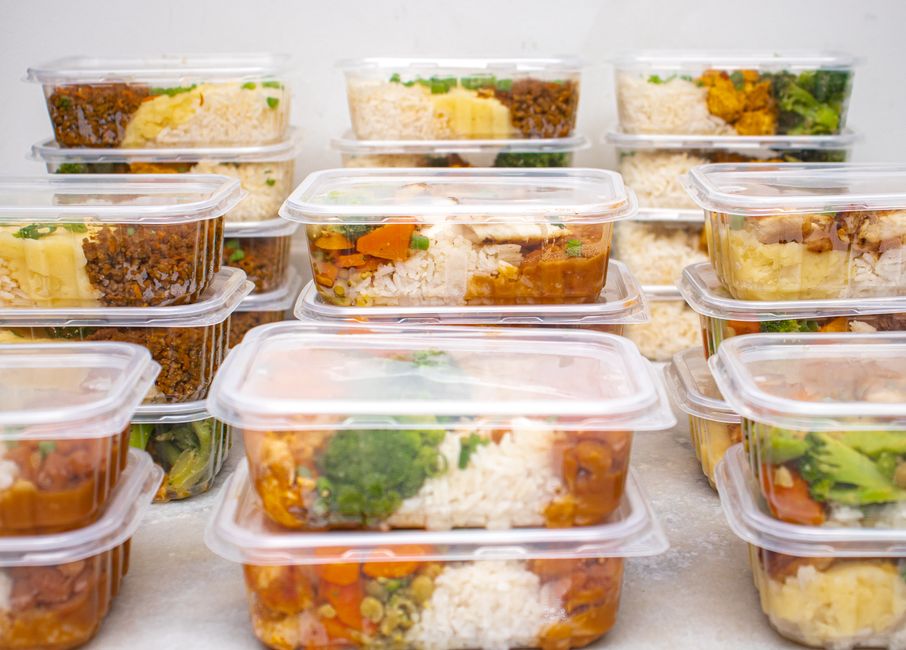
One reason beginners quit meal prep is that they try to do too much at once. The most sustainable approach is to choose a style that matches your actual schedule, kitchen confidence, and lifestyle, then expand from there.
Full Batch Cooking
You cook complete meals ahead of time and store them in portions. This works well for people with predictable schedules who do not mind eating the same meal two or three times in a row. Think a large pot of turkey chili, a sheet pan of roasted chicken and vegetables, or a big pot of lentil soup that covers lunches for the week.
Component Prep (Recommended for Beginners)
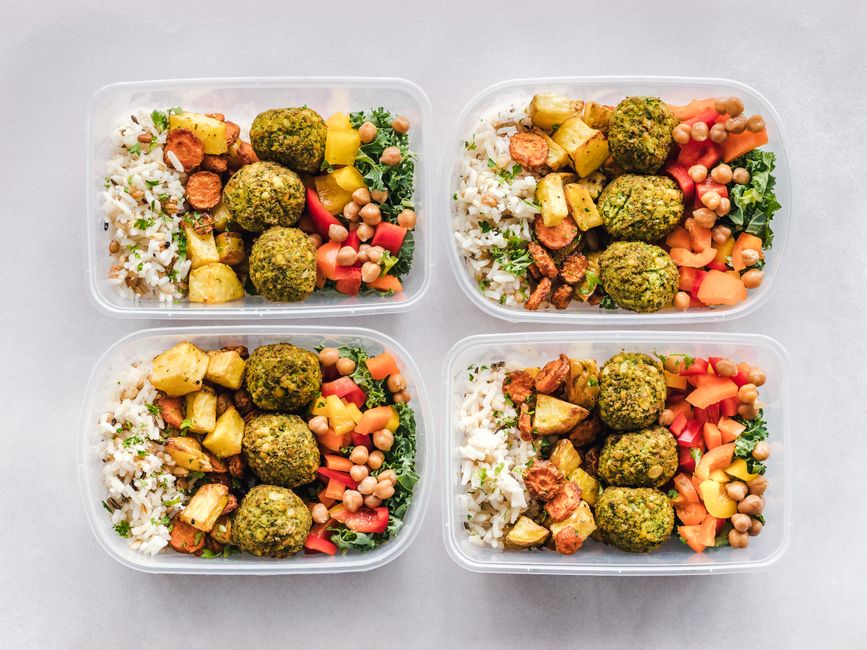
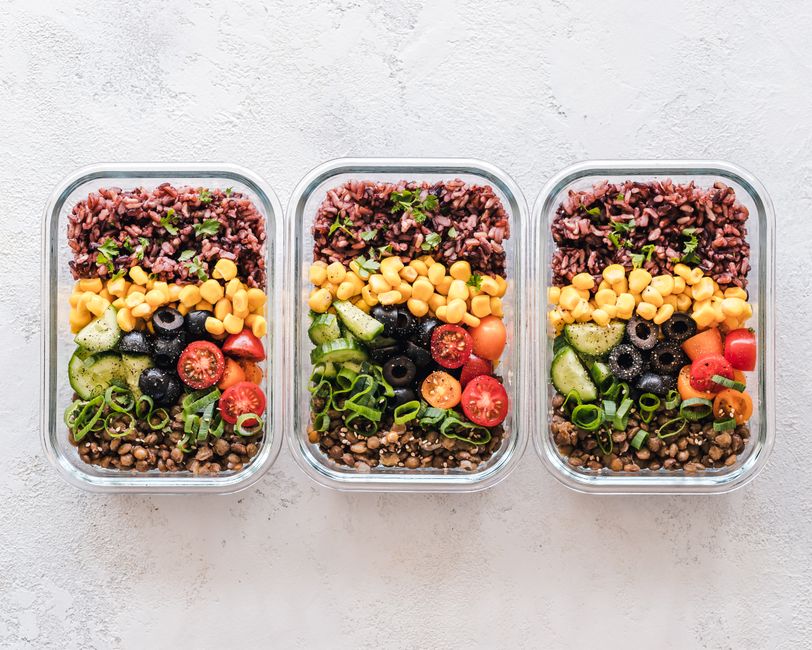
Instead of assembling full meals, you prepare individual building blocks, such as cooked grains, roasted vegetables, washed greens, boiled eggs, or cooked legumes, and mix and match them throughout the week. This approach keeps meals feeling varied and gives you flexibility without starting from scratch every night.
For example:
- A batch of cooked brown rice or quinoa
- A sheet pan of roasted sweet potato, broccoli, and bell peppers
- A container of rinsed chickpeas or grilled chicken strips
- A bag of washed and dried salad greens
From these four components, you can build a grain bowl, a salad, a wrap, or a stir-fry in under ten minutes.
Partial Prep
This is the lightest version and an excellent entry point. You simply do the tasks that slow you down most on busy nights: washing produce, portioning snacks, marinating proteins, or measuring out smoothie ingredients into bags for the freezer. Partial prep works well for people who enjoy cooking but hate the prep work.
Set Up Your Prep Session for Success
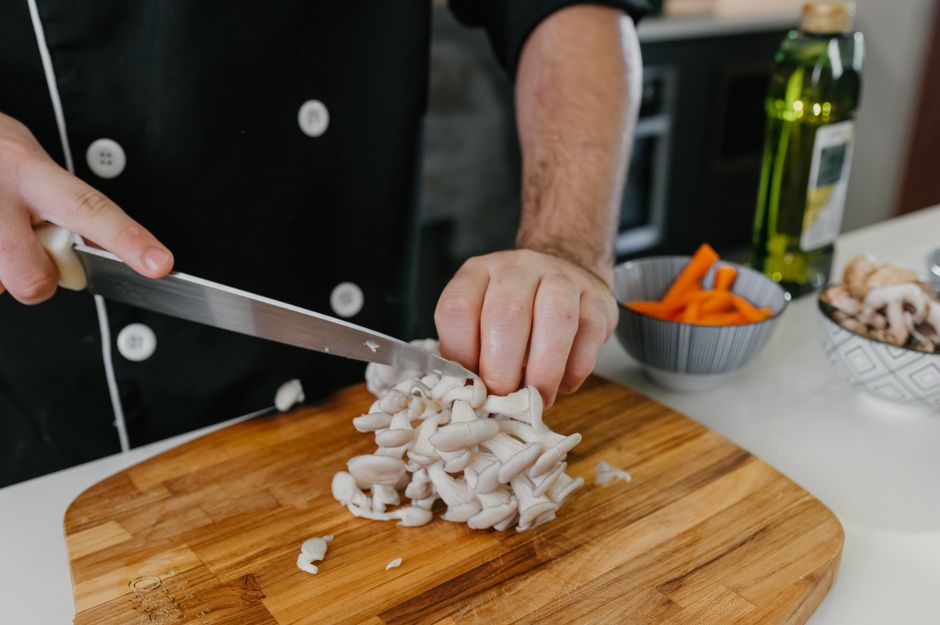
A meal-prep session does not need to be long to be effective. Most beginners can accomplish a useful week’s worth of components in 60 to 90 minutes if they plan in advance.
Step 1: Plan Before You Shop
Decide which meals you want covered before you go to the grocery store. You do not need to plan every single meal, start with the ones that cause you the most trouble. For many people, that is weeknight dinners and work lunches.
Choose two or three proteins, two or three vegetables, and one or two grains or starchy carbohydrates. Build your shopping list around those anchors.
Step 2: Pick a Consistent Prep Day
Consistency matters more than the specific day. Many people find Sunday afternoon or Wednesday evening works well because it splits the week. Block 60 to 90 minutes on your calendar as you would any appointment. Treat it as maintenance for the week ahead, not a chore to dread.
Step 3: Use Parallel Cooking
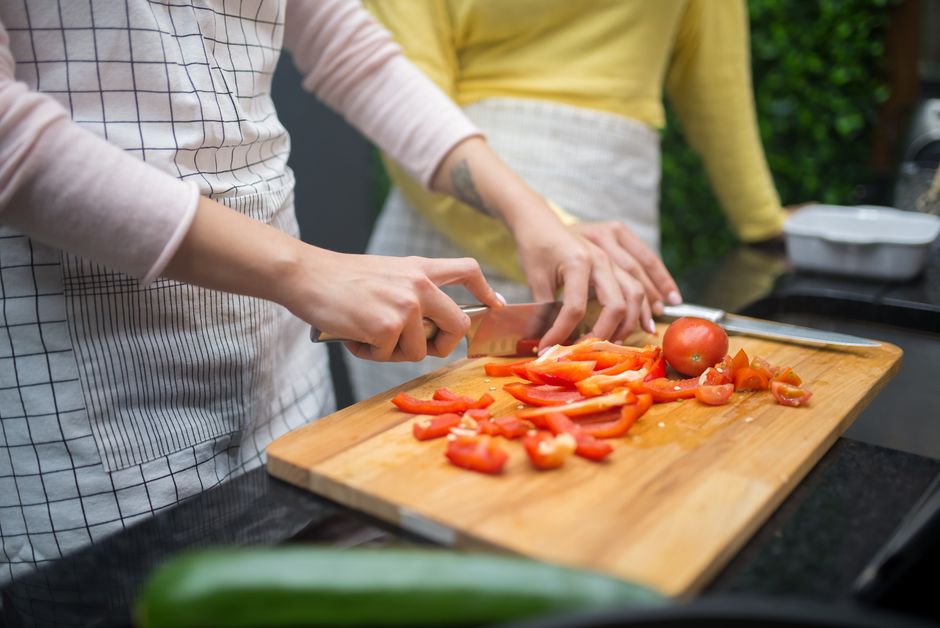
The key to efficient prep is running multiple cooking methods at the same time. While a pot of quinoa simmers on the stove, you can roast vegetables in the oven and prep raw ingredients on the cutting board. This overlapping approach cuts your total time significantly.
A simple parallel session might look like:
- Start the oven at 400 F and get a sheet pan of vegetables roasting (20 to 25 minutes).
- Put grains on the stovetop to cook (15 to 20 minutes).
- While both are going, hard-boil eggs on a second burner (12 minutes).
- Wash and dry salad greens and store them with a paper towel to absorb moisture.
- Portion out snacks such as nuts, cut fruit, or hummus with vegetables.
By the time the grains finish, the vegetables are nearly done, and you have accomplished most of your prep in under 45 minutes of active effort.
Step 4: Store Everything Properly
Good storage extends shelf life and makes grabbing food easier during the week. Some practical notes:
- Cooked grains keep well in a sealed container in the refrigerator for 4 to 5 days.
- Roasted vegetables last 3 to 5 days refrigerated.
- Hard-boiled eggs stay fresh in the shell for up to a week in the refrigerator.
- Washed greens last 3 to 5 days if dried thoroughly and stored with a dry paper towel.
- Raw marinated proteins should be used within 2 days or frozen.
You do not need expensive glass containers to start. Reusable zip bags and whatever containers you already own will work. Add better storage solutions gradually if you decide you want them.
Building Balanced Plates from Your Prepped Components
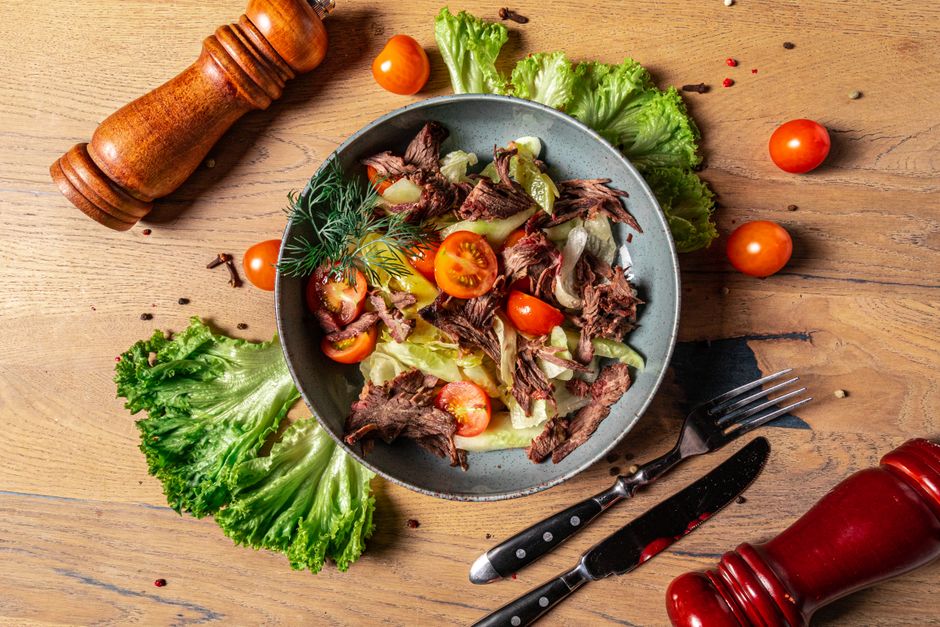
One of the most practical frameworks for building a nutritious meal is a simple plate model: roughly half the plate filled with non-starchy vegetables, a quarter with a protein source, and a quarter with a whole grain or starchy vegetable, plus a source of healthy fat.
This is not a rigid rule. It is a flexible starting point. Adjust portions based on your hunger, your activity level, and your individual needs. If you are building strength through home workouts or resistance training, you may need more protein. If you are particularly active, you may want a larger grain portion.
Component prep makes this model nearly effortless. You open the fridge, grab your prepped vegetables, grains, and protein, and assemble a balanced plate in minutes. You can add a drizzle of olive oil, a spoonful of tahini, a squeeze of lemon, or a simple vinaigrette to keep things interesting without extra cooking.
For a satisfying start to the day, pairing your meal prep habit with intentional breakfast planning helps too. Check out these high-protein breakfast ideas for steady energy and satiety for practical options that pair well with a prep routine.
Foods That Are Especially Beginner-Friendly for Meal Prep
Some ingredients hold up better than others over several days. These are excellent starting points:
Grains and starches:
- Brown rice, white rice, quinoa, farro
- Roasted sweet potatoes or regular potatoes
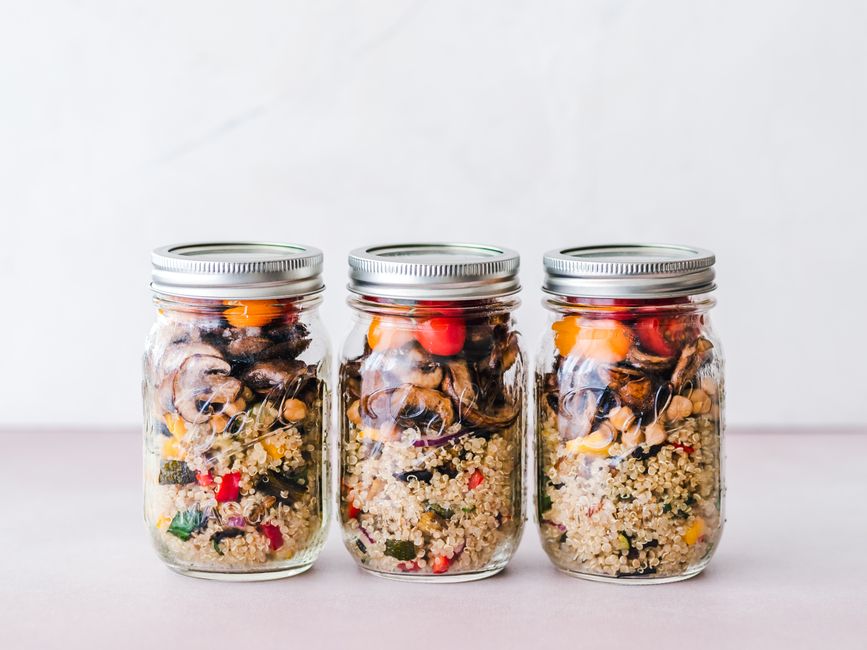
- Cooked oats or overnight oats prepared in jars
Proteins:
- Hard-boiled eggs
- Baked or grilled chicken breast or thighs
- Canned or cooked legumes (lentils, chickpeas, black beans)
- Tofu baked in the oven for a firmer texture
Vegetables:
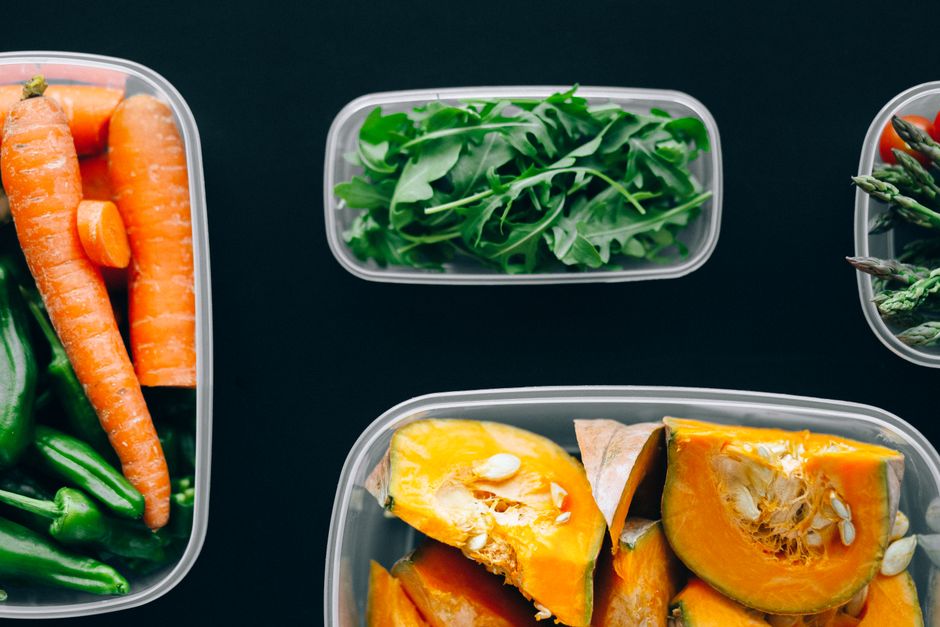
- Roasted broccoli, cauliflower, zucchini, bell peppers, or carrots
- Raw cucumber, celery, and cherry tomatoes for snacking
- Baby spinach or mixed greens (washed and ready)
Healthy fats:
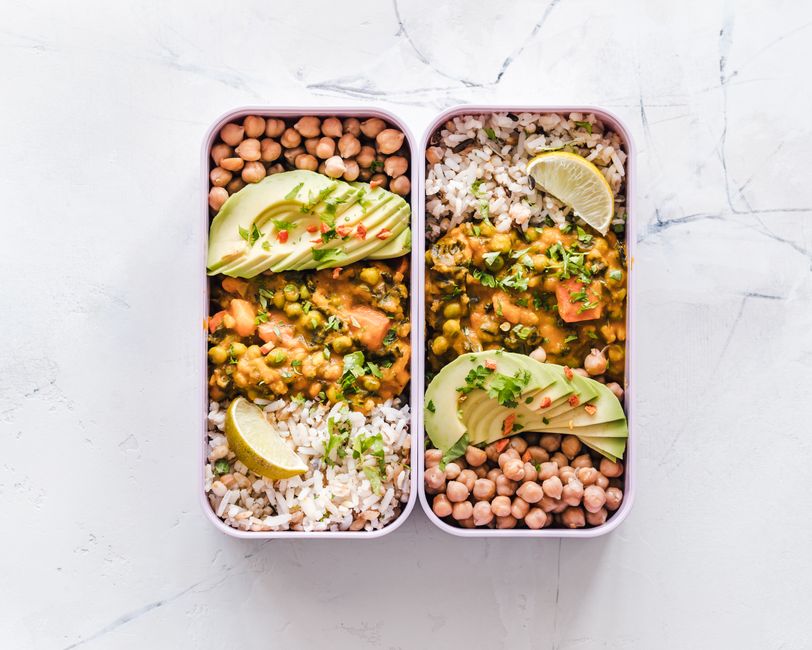
- Avocado (add fresh when serving, not ahead of time)
- Olive oil-based dressings
- Portioned nuts or nut butter
These ingredients are broadly available, reasonably priced, and support nutrient-dense eating across a variety of flavor profiles and cultural cuisines. Mix in sauces, spices, fresh herbs, and condiments you already enjoy to keep meals feeling varied rather than monotonous.
Supporting Your Whole-Body Health Through Consistent Eating Patterns
Regular, balanced meals prepared ahead of time do more than just save time. They may support digestion, help stabilize energy levels throughout the day, and reduce the likelihood of erratic eating patterns that leave you fatigued or overly hungry.
Your digestive system benefits from regularity and variety. Including a range of fiber-rich foods such as legumes, whole grains, and diverse vegetables supports a well-functioning gut. If you are curious about the relationship between what you eat and how your digestive system operates, this guide on digestive health and whole-person wellness offers helpful context.
Common Beginner Mistakes (and How to Sidestep Them)
Prepping Too Much Too Soon
It is tempting to try to prep every meal for the entire week on your first attempt. This often leads to burnout, wasted food, and the conclusion that meal prep is not for you. Start with two or three components or just one or two meals and build from there.
Choosing Foods You Do Not Actually Enjoy
Meal prep is only helpful if you want to eat what you made. Prepare foods you already like. This is not the time to force yourself to eat plain steamed broccoli if you find it unpleasant. Roast it with olive oil and garlic, add a sauce, or swap it for a vegetable you genuinely enjoy.
Forgetting Flavor
Prepped food tastes bland when it is not seasoned properly. Season your grains with a little salt while they cook. Toss roasted vegetables in olive oil, salt, and your preferred spices before they go in the oven. Keep a few sauces or condiments on hand to add variety when assembling meals during the week.
Skipping Protein
People often prep carbohydrates and vegetables but forget to include an adequate protein source. Protein supports satiety and helps maintain muscle mass, particularly if you are physically active. Include at least one protein-rich component in every prep session.
Treating It as All-or-Nothing
If you miss a prep session or your week goes sideways, it does not mean the habit is broken. Partial prep is always better than no prep. Even washing some fruit or portioning a few snacks helps. Progress over perfection is the guiding philosophy here.

When to Consult a Registered Dietitian
If you have specific dietary needs related to a medical condition, food allergies, pregnancy, or a health goal requiring individualized guidance, a registered dietitian can help you design a meal-prep plan tailored specifically to your situation. General frameworks like the ones in this article are helpful starting points, but individual needs vary, and personalized support is worth seeking when the stakes are higher.

Frequently Asked Questions About Meal Prep for Beginners
How long does meal prep take each week?
For most beginners, 60 to 90 minutes covers a useful amount of component prep. As you get more comfortable with parallel cooking and planning, you may be able to accomplish the same result in 45 minutes or expand to cover more meals in similar time.
Do I need special containers to start meal prepping?
No. Whatever reusable containers you already own will work. Focus on building the habit first. If you find yourself prepping consistently and want to invest in better storage, glass containers with snap lids are durable and practical, but they are not a prerequisite.
Can meal prep work for a family with different preferences?
Yes, component prep is especially useful for families because each person can build their own plate from the same set of prepared ingredients. One person might want a grain bowl, another a wrap, and a third a simple plate with rice and vegetables, all from the same weekly prep.
Will prepped food get boring after a few days?
Variety comes from how you season and combine components, not from cooking everything from scratch. Rotating sauces, spices, dressings, and fresh additions like avocado, citrus, or fresh herbs keeps the same ingredients feeling different from meal to meal.
Is meal prep suitable for someone trying to manage their weight?
Meal prep can be a supportive tool for sustainable weight management because it reduces reliance on convenience foods and impulsive eating. Research suggests that people who plan their meals tend to have a higher diet quality overall. That said, meal prep is a helpful habit, not a guaranteed outcome, and individual results depend on many factors.
A Realistic Next Step
You do not need to overhaul your kitchen, buy a set of matching containers, or spend five hours on a Sunday to start benefiting from meal prep. Choose one component to prepare this week: maybe a pot of grains, a tray of roasted vegetables, or a batch of hard-boiled eggs. Do that consistently for two weeks before adding anything else.
Sustainable habits grow from small, repeatable actions. One prepared component, done regularly, creates momentum that naturally leads to more.
If you want to continue building a healthy routine beyond the kitchen, explore other practical guides in the Clean Body Mentor library or sign up for the weekly newsletter to receive evidence-informed wellness guidance delivered directly to your inbox.
This article is for general educational and informational purposes only and is not a substitute for medical advice, diagnosis, or treatment. Health needs vary by individual. Consult a qualified healthcare professional before making significant changes to your diet, exercise routine, supplements, medication, or treatment plan, especially if you have a medical condition, are pregnant or breastfeeding, take medication, or have concerns about your symptoms.