
If you have ever stared at an empty fridge on a Tuesday evening and ordered takeout for the third time that week, you already know why meal prep is worth exploring. But if the idea of spending an entire Sunday in the kitchen sounds exhausting before you even begin, you are not alone. For many people, the biggest barrier to meal prepping is the fear that it will be overwhelming, expensive, or result in eating the same meal on repeat until it loses all appeal.
The good news: a smarter system makes it entirely manageable. This guide focuses on practical batch-cooking strategies designed specifically for meal prep for beginners, covering how to prepare two weeks of flexible, balanced meals in a few focused hours, without advanced skills, expensive equipment, or a rigid meal plan that bores you into abandonment.
For a broader introduction to the fundamentals, the Meal Prep for Beginners: Simple Systems to Save Time and Build Healthier Eating Habits guide covers the core concepts well. This article builds on those foundations with a longer planning horizon and concrete anti-burnout strategies.
Why Two Weeks Instead of Just One
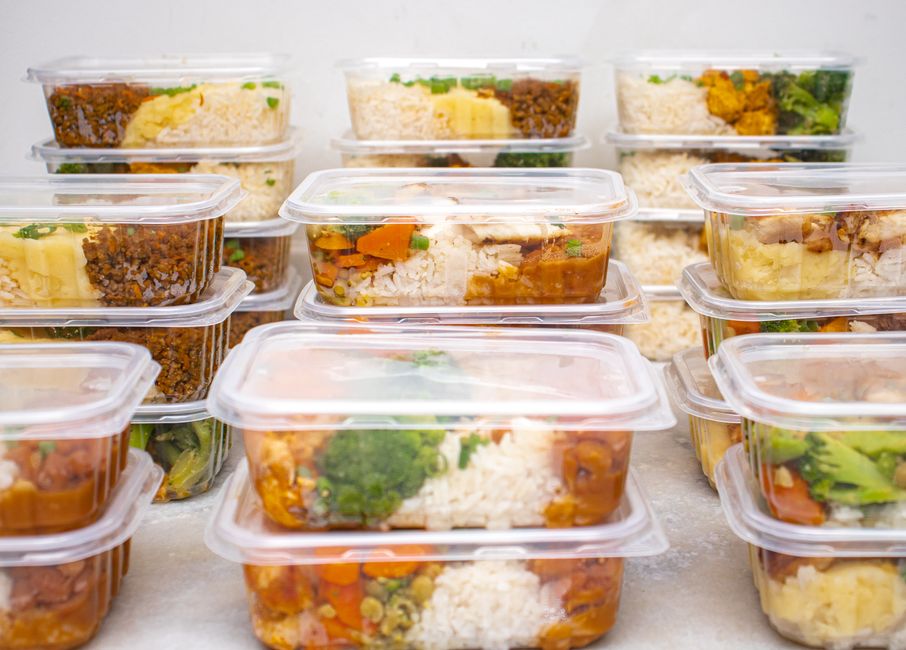
Most meal prep advice focuses on a single week. That works, but it requires you to repeat the process every seven days, which is exactly when motivation tends to slip. A two-week approach uses your freezer as a strategic partner. You cook once, store half in the freezer, and rotate fresh and frozen meals across the two-week window. The result is less total cooking time per meal, a bigger buffer on busy weeks, and more variety because the frozen batch feels fresh by the time you pull it out.
Research on habit formation suggests that reducing the number of decisions required each day supports longer-term consistency. When balanced meals are already waiting in your fridge or freezer, the friction between intention and action nearly disappears. That friction reduction is where meal prep for beginners pays the biggest dividends.
The Batch Cooking Framework: Think in Components, Not Full Meals
The most common beginner mistake is trying to prep ten specific, fully assembled dishes. It creates redundancy, boredom, and a lot of containers. A component-based approach is far more flexible and sustainable.
Instead of prepping five servings of chicken stir-fry with rice, you prep:
- A large batch of a whole grain (brown rice, quinoa, farro)
- A cooked protein (baked chicken thighs, hard-boiled eggs, cooked lentils, ground turkey)
- Two or three roasted vegetables
- A simple sauce or dressing
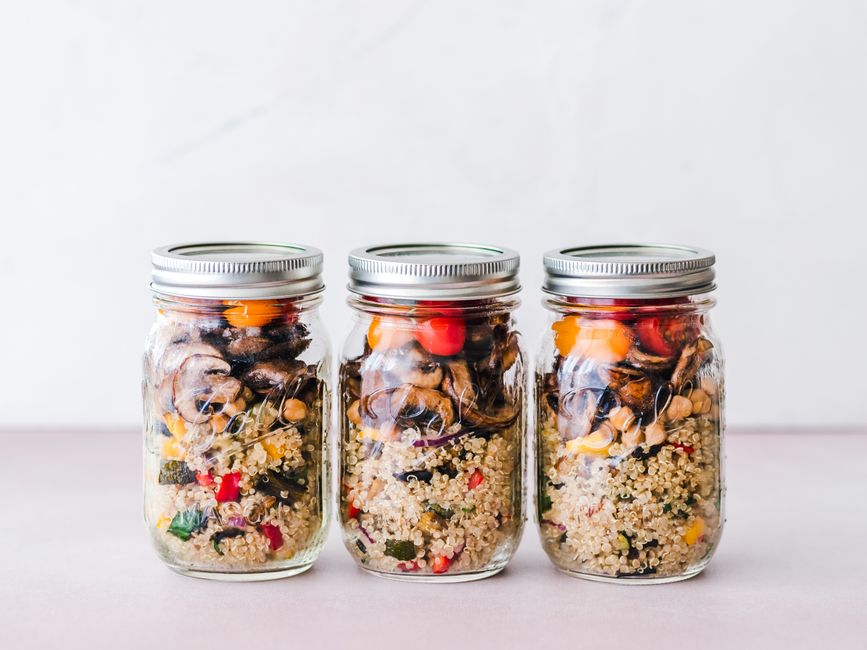
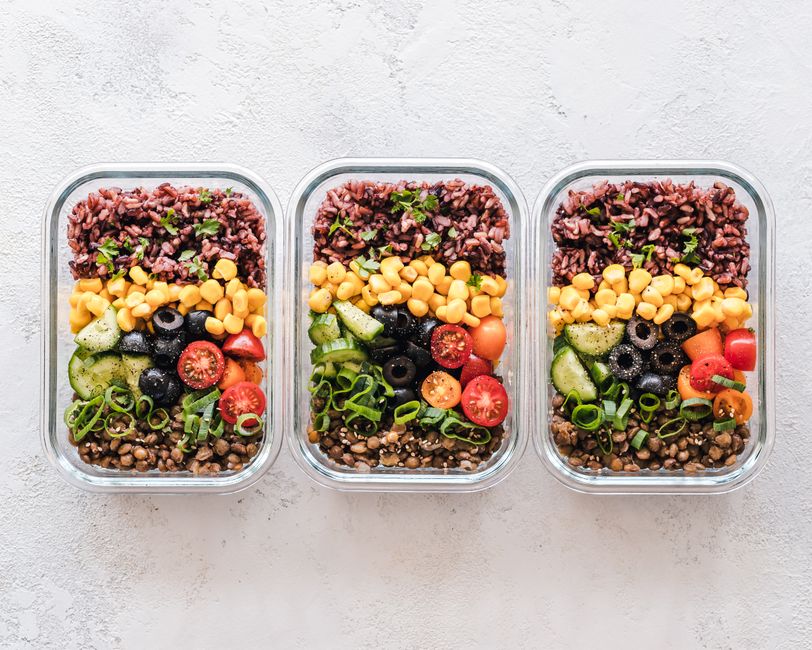
Those four components can combine into a grain bowl, a quick wrap, a salad topping, or a warm skillet dinner. Each combination feels different even though the prep was the same. This approach also supports eating for stable energy because you naturally build in the protein, fiber, and healthy fat that keep you full and focused.
Choosing Your Core Components
For a two-week plan, aim for this general structure per batch session:
Grains (pick one or two):
- Brown rice or white rice (1.5 to 2 cups dry, yields roughly 4 to 5 cups cooked)
- Quinoa (freezes well)
- Oats (overnight oats in jars are a near-zero-effort breakfast option)
Proteins (pick two):
- Baked chicken thighs or breasts (season simply with olive oil, salt, garlic, and herbs)
- Ground turkey or beef browned with onion and garlic
- A can-free cooked legume batch like lentils or chickpeas (affordable and freezer-friendly)
- Hard-boiled eggs (fridge only, about one week)
Vegetables (pick three):
- Sheet-pan roasted broccoli, cauliflower, sweet potatoes, or zucchini
- Steamed green beans or edamame
- Raw sliced bell peppers, cucumbers, or carrots for snacking and salads
Flavor builders:
- Two simple sauces (a tahini lemon dressing and a basic tomato sauce cover a wide range)
- A spice blend or two you enjoy
This modest list supports dozens of meal combinations. Pair the budget-conscious approach with the Grocery Shopping for Balanced Nutrition on a Budget guide to keep costs reasonable while buying whole, nutrient-dense foods.
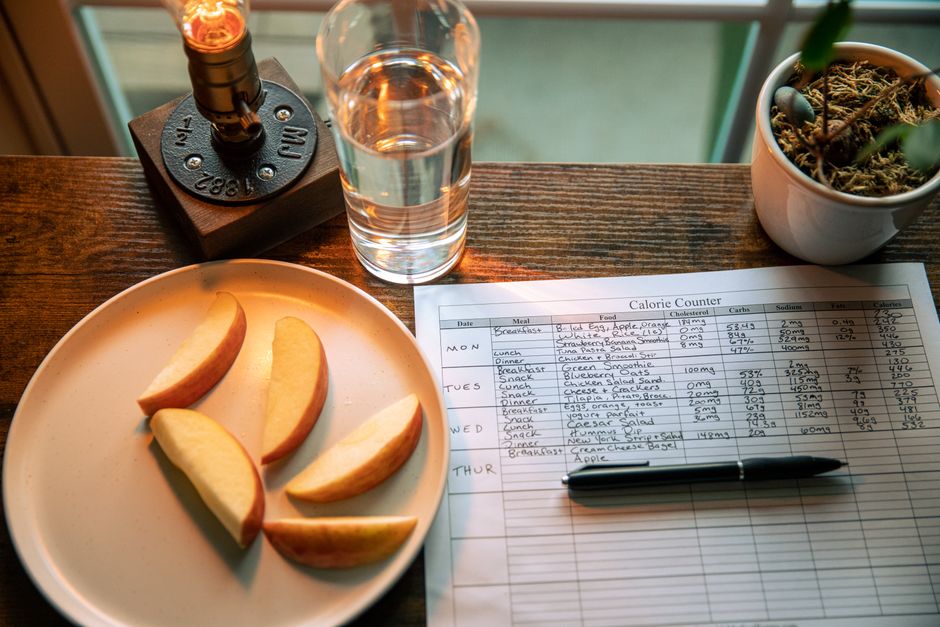
Planning Your Two Sessions
For a two-week batch plan, you need two cooking sessions, not one. Think of it this way:
Session 1 (Week One, roughly 2 to 3 hours):
Cook everything. Portion Week One meals into the fridge. Freeze Week Two portions immediately.
Session 2 (Start of Week Two, roughly 30 to 45 minutes):
Move freezer meals to the fridge to thaw. Freshen up with new raw vegetables, a new sauce, or one quick component (a fresh protein if needed) to add variety.
This split prevents the monotony of eating the exact same meals fourteen days running, while still cutting your total kitchen time significantly compared to cooking from scratch each day.
What to Freeze and What to Refrigerate
Not everything freezes well. Here is a practical guide:
Freeze-friendly:
- Cooked grains (rice, quinoa)
- Cooked legumes and beans
- Soups, stews, and chilis
- Cooked ground meat
- Baked chicken pieces
- Muffins and energy balls
- Smoothie packs (pre-portioned fruit and greens)
Refrigerate only (3 to 5 days):
- Hard-boiled eggs
- Leafy green salads (dress only at serving)
- Cut fresh fruit
- Dairy-based sauces
Skip prepping these raw:
- Avocado (prep fresh)
- Tomatoes (add at serving)
- Crunchy toppings like nuts or seeds (store separately to avoid sogginess)
Proper storage matters for both food safety and quality. Use airtight glass or BPA-free containers, label everything with the date, and follow USDA food safety guidelines for cooked food storage temperatures.
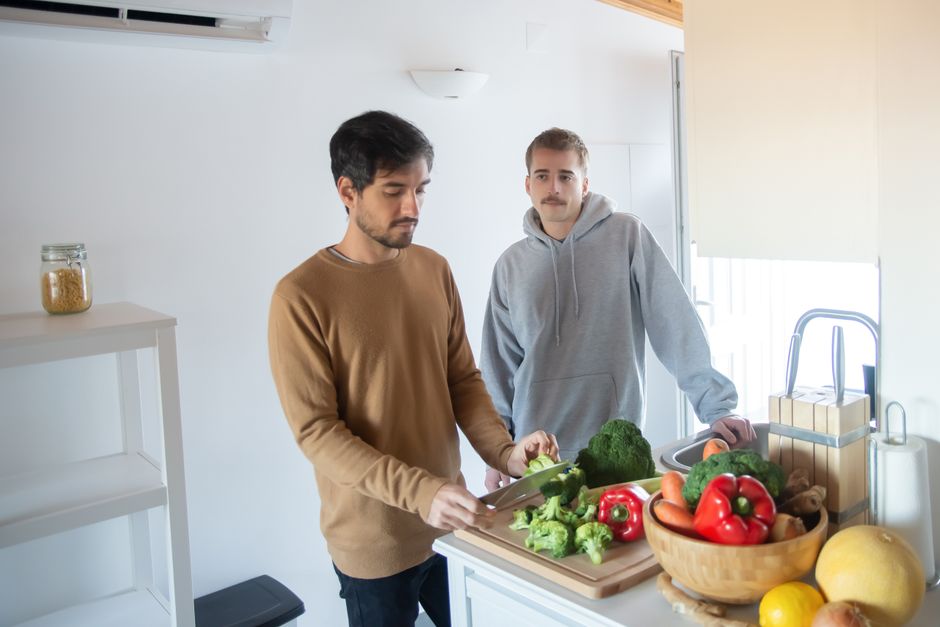
Building Variety Into the Two-Week Window
Boredom is the enemy of sustainable meal prep. The component system helps significantly, but a few extra strategies keep things interesting:
Rotate your sauces. The same roasted chicken tastes completely different with tahini dressing versus a tomato herb sauce versus a simple yogurt and herb dip. Prep two sauces in Week One and swap them out in Week Two.
Change your base. Serve a grain bowl over rice in Week One, and over mixed greens in Week Two. The protein and vegetables can be identical.
Add one fresh element per meal. A handful of fresh herbs, a squeeze of lemon, or a slice of avocado adds freshness to reheated food without requiring extra prep.
Use the freezer creatively. Frozen smoothie packs are a surprisingly satisfying breakfast rotation. If you enjoy exploring blended options, the comparison guide on smoothie bowls versus blended smoothies can help you decide which format fits your mornings best.
Building variety also supports a healthier relationship with food. When eating feels interesting rather than obligatory, you are less likely to abandon the system after Week One. The Mindful Eating Without Restriction guide explores how to stay connected to what you actually enjoy eating, even when following a structured plan.
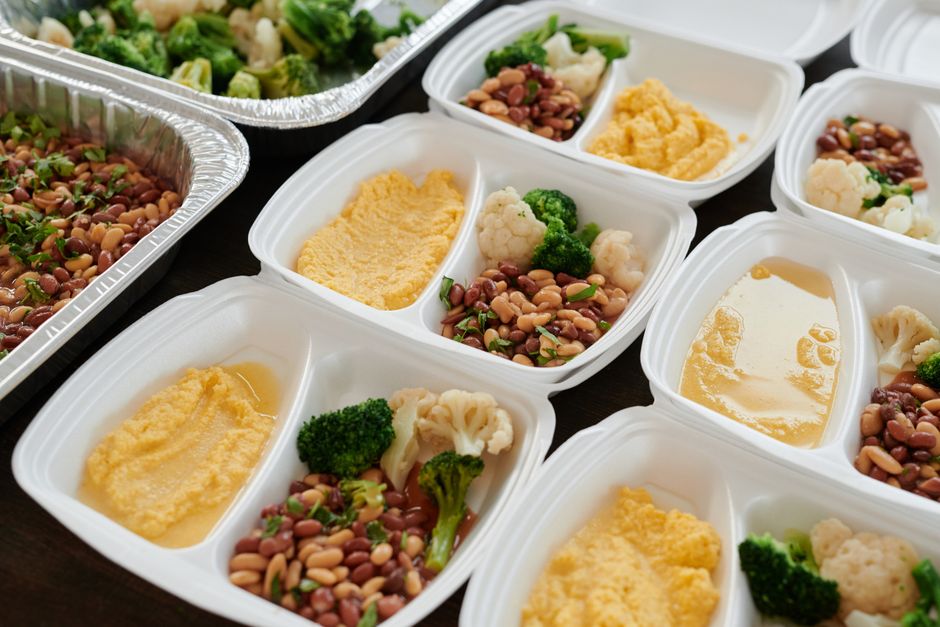
A Sample Two-Week Batch Menu
Here is a simple, realistic example using affordable ingredients and minimal equipment:
Batch Session 1 Prep List:
- 2 cups dry quinoa (cooked)
- 2 lbs baked chicken thighs
- 1 lb ground turkey (browned with onion and garlic)
- Large batch of roasted sweet potatoes and broccoli
- Cooked lentils (1.5 cups dry)
- Tahini lemon dressing
- Tomato herb pasta sauce
- Overnight oat jars (6 jars with oats, chia seeds, and frozen berries)
Sample Week One Meals:
- Breakfast: Overnight oats topped with sliced banana
- Lunch: Quinoa bowl with chicken, broccoli, and tahini dressing
- Dinner: Ground turkey with lentils over sweet potato, tomato herb sauce
- Snack: Hard-boiled eggs and raw carrots
Sample Week Two Meals (same core ingredients, different combinations):
- Breakfast: Overnight oats with nut butter and frozen thawed berries (pulled from freezer)
- Lunch: Chicken and lentil wrap with fresh greens and yogurt herb dip (new sauce)
- Dinner: Quinoa and vegetable skillet with tomato herb sauce and a fresh egg on top
- Snack: High-protein snack options from pantry staples like cottage cheese, Greek yogurt, or edamame
This kind of varied but planned eating also supports better digestion. If you have noticed discomfort after certain meal timings or eating speeds, Digestive Comfort and Meal Timing offers practical guidance on how meal structure can ease digestive strain.
Common Mistakes That Lead to Meal Prep Burnout
Understanding what goes wrong helps you avoid the most common pitfalls:
Overcomplicating the first session. New preppers often try to cook ten different recipes the first time. Start with three to four components and build from there.
Skipping the freezer. Relying only on the fridge means everything must be eaten within five days, which creates pressure and waste. The freezer is your most important tool for a two-week plan.
Not labeling containers. After two weeks, unlabeled containers become a guessing game. Label with the date and contents every time.
Choosing meals you don’t actually enjoy. Meal prep is only sustainable if the food is food you want to eat. If you don’t genuinely like lentils or quinoa, swap in something you do enjoy.
Trying to be perfect. Some weeks, one cooking session produces three components instead of six. That is still a win. Sustainable habits are built on consistency over perfection, not perfection itself.
Safety Notes and When to Seek Professional Guidance
Batch cooking is generally safe for most adults when food is stored and reheated correctly. Follow these basic safety practices:
- Cool cooked food to room temperature within two hours before refrigerating or freezing
- Reheat food to an internal temperature of 165 degrees Fahrenheit (74 degrees Celsius) before eating
- Discard anything stored in the fridge for longer than five days
- Thaw frozen meals in the fridge, not on the counter, to prevent bacterial growth
If you are managing a health condition, food allergy, or specific nutritional goal like weight loss or muscle gain, working with a registered dietitian can help you build a batch plan that fits your individual needs. Meal prep is a tool, not a prescription, and your particular health context matters.
Frequently Asked Questions
How long does it actually take to batch cook for two weeks?
For most beginners, the first session runs about 2.5 to 3 hours. It speeds up significantly once the system becomes familiar. The second session in Week Two usually takes 30 to 45 minutes because most of the work is already done.
Do I need special equipment for meal prep?
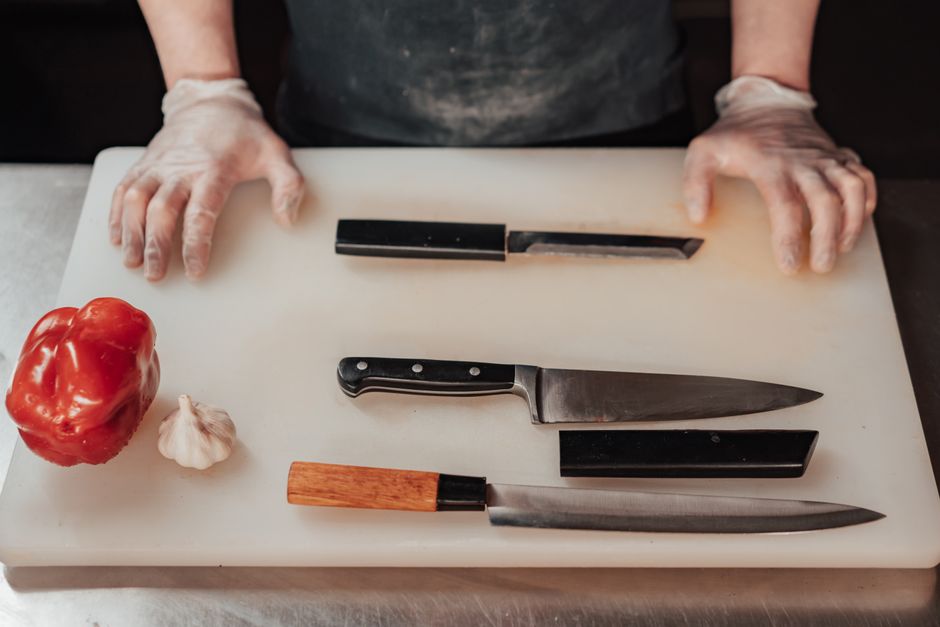
Not at all. A standard oven, one large pot, one large skillet, a good chef’s knife, and airtight containers are sufficient. A sheet pan is especially helpful for roasting large batches of vegetables simultaneously.
Can meal prep help with weight loss?
Having balanced, nutrient-dense meals ready to eat may support weight management by reducing impulsive eating and helping you maintain a calorie deficit more consistently. Research suggests that people who eat home-prepared meals tend to have better diet quality overall. That said, weight is influenced by many factors, and meal prep is one supportive tool among many.
What if my schedule changes mid-week and I can’t eat what I prepped?
That is what the freezer is for. If life interrupts your plan, transfer fridge items to the freezer before they spoil and pull them back out when your schedule settles. Flexibility is part of a sustainable system.
Is meal prep a good idea for people who live alone?
Absolutely. Cooking in bulk actually reduces waste for solo households because portions are frozen before they can spoil. Adjust batch quantities to your household size, and consider halving recipes on the first attempt to gauge how much you realistically consume.
This article is for general educational and informational purposes only and is not a substitute for medical advice, diagnosis, or treatment. Health needs vary by individual. Consult a qualified healthcare professional before making significant changes to your diet, exercise routine, supplements, medication, or treatment plan, especially if you have a medical condition, are pregnant or breastfeeding, take medication, or have concerns about your symptoms.
Your Next Step
You don’t need a perfect plan to start. Pick one component from the sample prep list above, the one that appeals most to you, and try cooking a double batch this week. Label it, freeze half, and see how much easier the rest of the week becomes.
When you are ready to expand your wellness toolkit beyond the kitchen, explore the How Three Readers Built Sustainable Healthy Habits Without Perfectionism guide for honest, real-world strategies. Or subscribe to the Clean Body Mentor newsletter for practical, weekly wellness guidance delivered in a format as manageable as a well-stocked freezer.