


Most wellness success stories follow the same script: someone hits rock bottom, commits to an extreme overhaul, and emerges transformed. The photos are dramatic. The timelines are suspiciously tidy. And somewhere in the background, a quiet voice whispers, “That could never be me.”
The truth is that sustainable healthy habits rarely look cinematic. They look like a busy parent choosing a ten-minute walk over no walk. They look like a stressed professional eating a decent breakfast instead of skipping it again. They look like someone who missed three days in a row and decided to start again on Thursday instead of waiting for Monday.
This article follows three composite profiles drawn from patterns shared by real readers, each with a different starting point, a different obstacle, and a different definition of progress. Their stories are not about perfect execution. They are about what actually sticks, and why.

Key Takeaways Before You Read
- Sustainable healthy habits grow from small, consistent actions, not dramatic overhauls.
- Mindset shifts matter as much as behavior changes.
- Obstacles are part of the process, not proof that the process is broken.
- Each story includes specific lessons you can apply regardless of your starting point.
- Progress over perfection is not just a slogan. Research in behavioral science consistently supports gradual habit formation over all-or-nothing approaches.
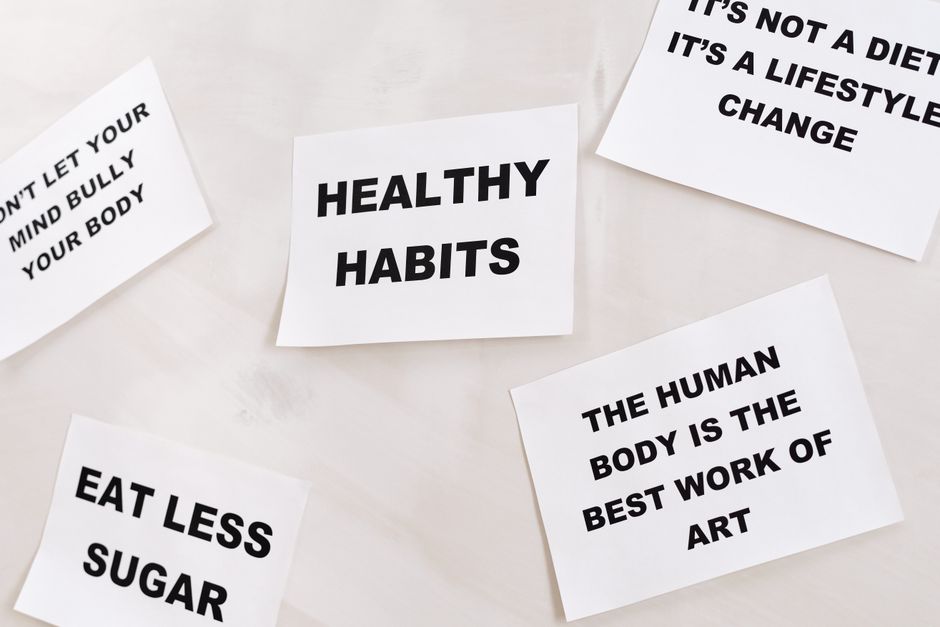
Why Perfectionism Sabotages Sustainable Healthy Habits
Before meeting the three readers, it helps to understand why perfectionism is such an effective habit-killer.
When you hold a standard of “I must do this perfectly or it does not count,” any deviation becomes a reason to quit. Psychologists sometimes call this the “what-the-hell effect,” a pattern where one small slip triggers complete abandonment. You missed your morning workout, so you figure the whole day is ruined. You ate an unplanned snack, so the week is lost.
Research in habit formation suggests that the consistency of a behavior, not its flawlessness, is what builds the neural pathways that make a habit feel automatic over time. That means showing up imperfectly, repeatedly, is more valuable than showing up perfectly a handful of times.
With that foundation in place, here are three stories worth sitting with.

Reader Story One: Marisol, 41, Working Mom Who Started With Walking
Marisol described herself as someone who had “tried everything and nothing ever lasts.” She had attempted gym memberships, calorie-counting apps, and group fitness classes, each time starting with real enthusiasm and stopping within six weeks. By the time she found her way to a gentle habit-building approach, she had two children in elementary school, a part-time remote job, and a schedule that left her feeling like she was perpetually catching up.
Her biggest obstacle was not laziness. It was the all-or-nothing rule she had unconsciously adopted: exercise only counts if it is at least 45 minutes, intentional, and at a real gym.
What Changed for Marisol
The shift came when she gave herself permission to count a 12-minute walk around the block as a real workout. Not a consolation prize. An actual, completed workout.
She started walking three times a week, often pushing her youngest in a stroller. Within a month, she was walking five days a week, not because she set a rule but because the habit had become something she looked forward to. By month three, she had naturally added light stretching in the evenings because her back felt better after walks and she wanted more of that feeling.
She did not track calories. She did not weigh herself daily. She did add more vegetables to dinners over time, not from a rigid meal plan but because she was paying more attention to how food made her feel. If you are in a similar place, the Building a Sustainable Walking Plan for Fat Loss and Fitness Confidence guide covers exactly how to structure a beginner-friendly walking routine.
Honest Lessons From Marisol
- Lower the threshold for success. If the minimum counts, you will almost never skip it. And on good days, you will often exceed it naturally.
- Attach new habits to existing routines. Marisol’s walks happened after school drop-off, which already existed. She just extended the trip.
- Let one habit lead to another organically. She did not force herself to add stretching. It emerged from wanting more of a feeling the first habit created.
- Track consistency, not performance. She kept a simple paper habit tracker. A check mark for any walk, regardless of length or pace.

Reader Story Two: Damien, 33, Desk Worker Who Needed to Address His Energy and Eating Habits
Damien worked long hours in a software role and described his eating habits as “whatever is fastest.” Breakfast was usually coffee. Lunch was whatever a delivery app offered at 2 p.m. Dinner was large and often eaten in front of a screen. He was not dealing with a major health crisis, but he was chronically tired, had trouble concentrating in the afternoons, and felt generally disconnected from his body.
His goal was not dramatic weight loss. He wanted more energy and fewer afternoon crashes. He also had significant desk-related stiffness that made the end of the workday uncomfortable.
What Changed for Damien
Damien’s first small change was eating breakfast within an hour of waking. That is it. He did not change what he ate at first. He just ate something in the morning. Often it was leftover rice and eggs. Sometimes it was yogurt and a banana. The specific food mattered less than the timing and the habit of feeding himself at the start of the day.
Within three weeks, his afternoon energy was noticeably better. This gave him the motivation to look more carefully at what he was eating, not from a place of guilt but from curiosity. He started building higher-protein breakfasts after reading about how protein supports satiety and reduces mid-morning energy dips. The High-Protein Breakfast Ideas for Steady Energy and Satiety guide helped him see that this did not have to mean elaborate cooking.
He also addressed the stiffness issue with a five-minute stretching routine at his desk before lunch. Five minutes. Not a full mobility session. Just five minutes of shoulder rolls, neck tilts, and a seated hip stretch. Stretching and Mobility Routines for Desk Workers covers this kind of simple desk-friendly approach in detail, and Damien used a similar approach.
By month four, Damien had also started two short home workout sessions per week, not because anyone told him to but because his body was asking for more movement. He had the energy to pursue it.
Honest Lessons From Damien
- Start where the pain is greatest. Damien’s biggest problem was energy, so he addressed that first. This gave him a result he could feel quickly, which sustained motivation for further changes.
- Curiosity is more sustainable than guilt. He did not overhaul his diet because he felt ashamed. He investigated it because he was genuinely interested in what was making a difference.
- Small wins create capacity for bigger ones. Eating breakfast created energy. Energy created interest in movement. Movement created confidence. None of it was planned as a grand system.
- High-protein snacking can bridge the gap between meals when energy dips are the main concern. High-Protein Snacks and Light Meals for Sustained Energy Between Meals offers practical options beyond the usual protein bar default.

Reader Story Three: Priya, 52, Empty-Nester Rebuilding Identity and Routine
Priya’s story is different from the first two because her obstacle was not time or energy. It was identity. Her youngest child had left for university six months before she began her habit-building journey, and she found herself without the structure that parenting had provided for two decades. She had more time than she had in years and almost no idea what to do with it for herself.
She described feeling “healthy enough but not really well.” Her sleep was disrupted. Her eating had become irregular. She had stopped doing things she used to enjoy. She was not in crisis, but she was drifting.
What Changed for Priya
Priya started with meal prep, specifically one Sunday session where she prepared a few basics: cooked grains, roasted vegetables, and a simple protein she could build meals from across the week. This was not about weight loss. It was about creating structure in a day that had lost its anchors. Meal Prep for Beginners: Simple Systems to Save Time and Build Healthier Eating Habits describes a similar low-pressure approach to building that kind of weekly rhythm.
The act of cooking for herself, instead of around other people’s preferences, turned out to be quietly significant. She began experimenting with foods she had always wanted to try. She made smoothie bowls on slow mornings and found them genuinely enjoyable. If you want to explore that option, Smoothie Bowls vs. Blended Smoothies: Which Is Better for Your Goals and Lifestyle can help you figure out which format suits you.
Priya also joined a beginner strength class at a community center, something she had dismissed as “not for people like her.” Within two months, she was going twice a week. The physical changes were real but secondary to what she described as “feeling like someone with a body again rather than just a person managing a household.”
Her sleep improved as her activity increased and her eating became more regular. She did not follow a strict sleep protocol. Regularity in other areas of her day supported regularity in sleep almost automatically.
Honest Lessons From Priya
- Structure itself can be a form of self-care. When identity or routine has been disrupted, creating predictable anchors in the day can reduce anxiety and restore a sense of agency.
- Cooking for yourself is a meaningful act. Not a chore. A signal to yourself that your needs matter.
- Do not dismiss activities you assume are “not for you.” Priya’s assumption that strength training was not for her at 52 was a story, not a fact. Strength Training for Beginners at Home is one place to start if a class feels like too much at first.
- Physical consistency supports mental well-being. Her emotional health improved alongside her physical habits, not because she did anything specifically for mental wellness but because regular movement and eating created a steadier foundation.
Common Threads Across All Three Stories
Three different people. Three different obstacles. Three different definitions of progress. But when you look at what worked, the patterns are clear.
They started smaller than felt meaningful. Every single reader started with an action that felt almost embarrassingly small. A 12-minute walk. A breakfast. A Sunday cooking session. The smallness was not a sign of low ambition. It was the secret to not quitting.
They measured consistency, not perfection. None of them tracked streaks or panicked when they missed a day. They returned to the habit without drama.
They followed the feeling, not just the plan. Each person noticed what made them feel better and let that inform the next step. Habits expanded because they created positive experiences, not because of rigid systems.
They worked with their real life, not an idealized version of it. Marisol walked with a stroller. Damien stretched at his desk during work. Priya cooked on Sundays because Mondays were hectic. The habits fit the life, not the other way around.
Common Mistakes That Undermine Sustainable Healthy Habits
- Setting the bar so high that missing it once feels catastrophic. Lower the entry point until missing is nearly impossible.
- Waiting for motivation to appear before acting. Motivation often follows action, not the other way around. Starting, even without enthusiasm, tends to generate momentum.
- Changing too many things at once. Multiple simultaneous changes compete for attention and willpower. One habit at a time, stabilized before adding another, is consistently more effective.
- Treating a setback as a failure. Missing days, weeks, or even months does not erase progress. Returning is always an option.
- Comparing your beginning to someone else’s middle. Marisol’s 12-minute walk is not lesser than someone’s five-mile run. It is appropriate to where she was.

Frequently Asked Questions
How long does it actually take to build a sustainable healthy habit?
The widely cited “21 days” figure is not well-supported by research. A study published in the European Journal of Social Psychology found that habit formation took anywhere from 18 to 254 days depending on the person and the behavior. Simpler habits tend to form faster. The key variable is repetition and context, not a fixed timeline.
What if I keep starting and stopping? Does that mean I am not capable of lasting change?
Not at all. Starting and stopping is part of the learning process for most people. Each attempt teaches you something about what works and what does not fit your life. The readers in this article each had multiple unsuccessful attempts before something finally clicked. Returning counts.
Do I need to change my diet, exercise, and sleep all at once to see results?
No. In fact, trying to change everything simultaneously often makes it harder to sustain anything. Focusing on one habit, building it until it feels relatively automatic, and then adding the next is a more reliable path. The stories above all started with a single anchor habit.
What if my obstacles are more serious, like a health condition or financial limits?
This article reflects experiences from people without major medical barriers, which means not every approach will translate directly. If you have a health condition, injury, or significant constraint, it is worth working with a qualified healthcare professional or registered dietitian to identify safe starting points that are realistic for your specific situation.
Is it normal to feel resistance even when I know a habit is good for me?
Completely normal. Knowing something is beneficial does not automatically make it feel easy or appealing. Resistance is not a character flaw. It is a signal to look at the habit more carefully: Is the threshold too high? Is the timing wrong? Is the habit actually aligned with something you genuinely value, or is it something you feel you “should” do?

A Realistic Next Step
If any part of these three stories resonated with you, the most useful thing you can do right now is identify one small action you could take today or tomorrow. Not a plan. Not a program. One action.
It might be eating something before 9 a.m. It might be a ten-minute walk after dinner. It might be making a short grocery list on Sunday so the week has a bit more structure. Choose something that feels almost too easy. Do it consistently for two weeks before adding anything else.
When you are ready to go deeper, explore the related guides linked throughout this article. And if you want practical wellness guidance delivered to your inbox each week, joining the Clean Body Mentor newsletter is a low-pressure way to stay connected to ideas that support real, lasting progress.
Sustainable healthy habits are not built by people who are more disciplined, more motivated, or more fortunate than you. They are built by people who kept showing up in whatever imperfect form that took on a given day.
This article is for general educational and informational purposes only and is not a substitute for medical advice, diagnosis, or treatment. Health needs vary by individual. Consult a qualified healthcare professional before making significant changes to your diet, exercise routine, supplements, medication, or treatment plan, especially if you have a medical condition, are pregnant or breastfeeding, take medication, or have concerns about your symptoms.