

If you spend most of your day in a chair, your body is quietly adapting to that position in ways you may not love. Hip flexors shorten. The upper back rounds. Shoulder muscles tighten. The lower back takes on compression it was not designed to hold for hours at a stretch. Over time, these adaptations can lead to persistent discomfort, reduced range of motion, and the kind of low-grade fatigue that no amount of coffee seems to fix.
The good news is that a consistent stretching and mobility practice, even just 10 to 15 minutes per day, can make a meaningful difference. This guide will walk you through which areas need the most attention, explain why each one matters, and give you a realistic daily routine you can fit into a busy workday. No gym required. No experience necessary.

Why Prolonged Sitting Creates Mobility Problems
Your body is remarkably good at adapting to whatever position you hold most often. When that position is seated for six to ten hours a day, the muscles that keep you upright in a chair tend to shorten and tighten, while the muscles responsible for good posture and dynamic movement gradually weaken from underuse.
Research in the fields of occupational health and physical therapy consistently identifies a cluster of problems common among desk workers:
- Hip flexor tightness: Sitting keeps the hip flexors (the muscles connecting your pelvis to your thigh) in a shortened position. Over time, they pull the pelvis forward, contributing to an exaggerated lower back curve and anterior pelvic tilt.
- Thoracic stiffness: The mid-back loses its natural extension range when you lean toward a screen for hours. This can restrict shoulder movement and add stress to the neck.
- Weak and tight hamstrings: Sitting compresses the backs of the thighs against a chair, which can reduce hamstring flexibility and contribute to lower back strain.
- Forward head posture: Every inch your head moves forward of your shoulders adds approximately 10 pounds of effective load on your cervical spine, according to general biomechanical principles widely cited in physical therapy literature.
- Rounded shoulders: Chest muscles tighten and the muscles between the shoulder blades lengthen and weaken, creating that familiar hunched appearance.
Improving mobility in these areas does not require dramatic effort. It requires consistency, done right.
The Difference Between Stretching and Mobility Work
You may hear these two terms used interchangeably, but they are slightly different tools.
Stretching typically refers to lengthening a specific muscle or group of muscles, often held in a fixed position (static stretching) or moved gently through range (dynamic stretching).
Mobility work goes one step further. It involves training your joints and surrounding tissues to move through their full usable range with control. Think of it as combining flexibility with strength at end ranges of movement.
For desk workers, a good daily practice blends both: some stretching to release tightness, some mobility drills to retrain useful movement patterns. The routine below includes both.

The Five Areas Desk Workers Should Prioritize
1. Hip Flexors and Hip Mobility
Because sitting keeps the hip flexors shortened all day, addressing them first tends to produce noticeable relief. A tight hip flexor can pull the pelvis out of alignment and contribute to lower back discomfort, so loosening and strengthening this area benefits the entire kinetic chain.
2. Thoracic Spine (Mid-Back Extension)
Restoring extension in the thoracic spine improves posture, reduces neck tension, and allows the shoulders to move freely. Many people do not realize how stiff their mid-back has become until they try to bend it backward.
3. Shoulders and Chest
Tight chest muscles pull the shoulders forward. Opening the chest and restoring shoulder rotation can alleviate that familiar end-of-day neck and shoulder ache.
4. Hamstrings and Posterior Chain
Stiff hamstrings limit your ability to hinge forward properly and add tension to the lower back. Gentle, consistent stretching here pays dividends in daily comfort and movement quality.
5. Neck and Upper Traps
The neck is often the most immediately noticeable pain point for desk workers. Gentle range-of-motion exercises and targeted stretches can reduce tension headaches and stiffness throughout the workday.
A Practical Daily Stretching Routine for Desk Workers
This routine is designed to take roughly 12 to 15 minutes. You can do it all at once, split it between morning and afternoon, or break it into two-minute movement breaks at your desk. The best version is the one you will actually do.
You need only a chair, a small patch of floor, and comfortable clothing.
Morning Mobility Flow (5 to 7 Minutes)
Cat-Cow on All Fours (1 to 2 minutes)
Begin on hands and knees. Inhale as you drop the belly and lift the gaze (cow). Exhale as you round through the spine and tuck the chin (cat). Move slowly and breathe with the movement. This gentle spinal oscillation wakes up the intervertebral discs, improves thoracic mobility, and signals to the nervous system that it is time to move.
Kneeling Hip Flexor Stretch (45 to 60 seconds each side)
Step one foot forward into a low lunge, back knee on the floor. Shift your weight gently forward until you feel a stretch at the front of the back hip. Keep the torso tall. You can add a gentle lean away from the front leg to deepen the stretch into the lateral hip. Hold, breathe, and switch sides.
Thoracic Rotation in a Seated Position (10 reps each side)
Sit upright in a chair with feet flat on the floor. Place your hands behind your head or cross them over your chest. Gently rotate your upper body to the right, pause, return to center, and rotate to the left. Keep the hips as still as possible. This directly targets thoracic stiffness without requiring any floor space.
Midday Desk Break (3 to 4 Minutes)
Research suggests that even short movement breaks throughout the day help offset the negative effects of prolonged sitting. Set a reminder every 60 to 90 minutes to try one or two of these:
Doorway Chest Opener (30 to 45 seconds)
Stand in a doorframe and place both forearms on the doorframe at shoulder height. Gently lean forward until you feel a stretch across the chest and the front of the shoulders. This counteracts the forward-rounding posture that builds up during screen time.
Standing Forward Fold (30 to 45 seconds)
From standing, hinge at the hips and let the upper body hang toward the floor with soft knees. Let the head and arms hang heavy. This gently lengthens the hamstrings, decompresses the lower back, and encourages the parasympathetic (rest and digest) response, which may help with afternoon stress.
Neck Rolls and Lateral Neck Stretch (1 minute)
Drop your right ear toward your right shoulder and hold for 20 to 30 seconds. Repeat on the left. Then slowly roll the chin to the chest and back, avoiding full extension backward if that feels uncomfortable. These small movements release upper trapezius tension that accumulates throughout the morning.
Evening Release (5 Minutes)
End-of-day mobility work helps your body transition from work mode to rest and can contribute to better sleep quality, since physical tension often keeps the nervous system in a mildly elevated state.
Supine Figure-Four Stretch (60 to 90 seconds each side)
Lie on your back with knees bent. Cross one ankle over the opposite knee and flex the foot. Either hold this position as a passive stretch or gently thread your hands behind the lower thigh and draw it toward you. This targets the piriformis and outer hip, areas that become compressed during long sitting sessions.
Child’s Pose with Arm Reach (60 to 90 seconds)
From kneeling, sit back toward the heels, extend the arms forward, and let the forehead rest on the floor or a folded blanket. Walk the hands to one side to stretch the lateral body, then the other. This stretches the hips, lower back, and shoulders simultaneously.
Legs Up the Wall (2 to 3 minutes, optional)
Sit close to a wall, then swing the legs up so they rest against it. Arms can rest by your sides. This gentle inversion relieves tired legs, encourages circulation, and is a calming way to transition toward the evening. Many people find this especially helpful for winding down before sleep.
If you are building other healthy habits alongside this routine, pairing movement with consistent sleep and recovery habits supports whole-body wellness in ways no single practice can match on its own.

How to Build the Habit Without Forcing It
Consistency matters more than perfection. Here are a few practical strategies:
- Attach it to something you already do: Stretch while the coffee brews, during a lunch break, or immediately after logging off for the day. Habit stacking reduces the decision-making friction.
- Keep it visible: Leave a yoga mat unrolled or a sticky note reminder near your desk. Environmental cues support behavior change more reliably than willpower alone.
- Start with just one stretch: If 15 minutes feels overwhelming, begin with just the hip flexor stretch each morning. Doing one thing consistently for two weeks builds the identity of someone who moves regularly.
- Pair movement with recovery: Stretching for desk workers works best when combined with other recovery strategies like adequate hydration, quality sleep, and nutrient-dense meals that support tissue health.
If you are also building a broader fitness foundation, Strength Training for Beginners at Home: Build Confidence and Lean Muscle Without Equipment or a Gym is a natural next step once mobility starts to feel more comfortable. And if walking is part of your daily movement mix, Walking for Weight Loss: A Realistic Approach to Fat Loss Through Daily Movement offers realistic guidance for making it count.
Common Mistakes to Avoid
Pushing through pain: Stretching should produce a feeling of gentle tension, not sharp or shooting pain. If a stretch causes pain that radiates down a limb, creates numbness, or feels sharp, stop and consult a qualified healthcare professional.
Holding your breath: Breathing through stretches signals the nervous system to relax into the movement. Holding the breath does the opposite. Match exhales to the deepest point of each stretch.
Skipping the mid-back: Most people instinctively stretch their hamstrings and neck but neglect the thoracic spine. The mid-back is the anchor point for shoulder and neck health, so prioritizing it often delivers surprising relief in other areas.
Being inconsistent and expecting fast results: Mobility improves gradually. Research in physical therapy generally suggests consistent practice over several weeks, not days, is needed to see meaningful change in tissue flexibility and joint range of motion.
Sitting right back down: When possible, walk for even two to three minutes after completing a stretching session. This helps reinforce the movement patterns and avoids immediately compressing the joints you just opened.
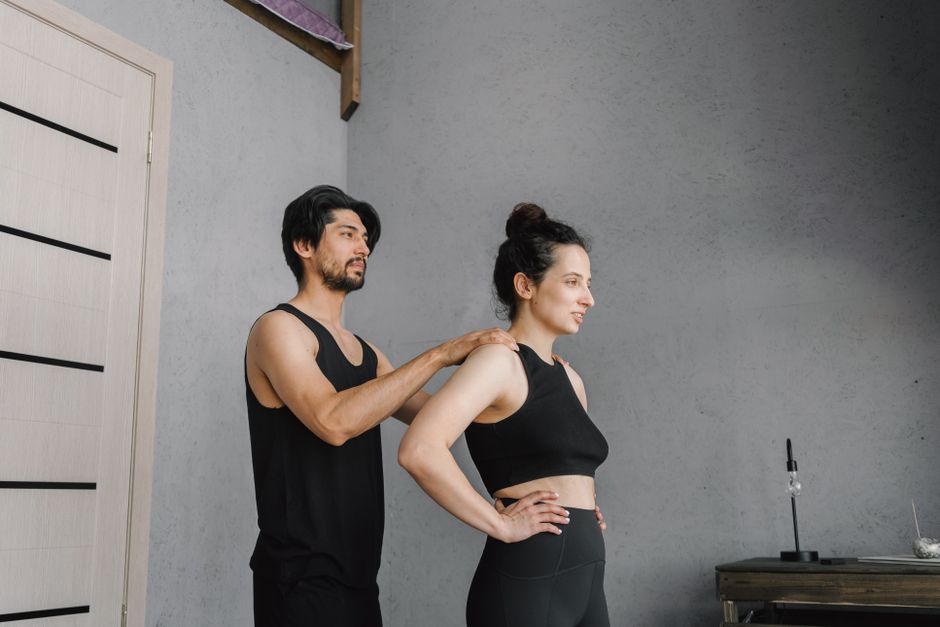
How This Supports Whole-Person Wellness
Stretching for desk workers is not just about physical relief. Chronic physical tension is often intertwined with mental stress. Tight shoulders and a hunched posture can reinforce a stressed physiological state, while open posture and relaxed muscles may support a calmer mood, according to emerging research in embodied cognition.
Regular movement breaks also benefit digestive function. A sedentary posture can compress the abdominal cavity and slow motility. If you are curious about how movement connects to gut health, Digestive Health and Whole-Person Wellness: What You Should Know About Gut Function explores that relationship in more depth.
Nutrition also plays a supporting role. Muscles and connective tissue need adequate protein, hydration, and micronutrients to adapt and recover. Starting the day with a protein-rich meal can set a solid foundation. High-Protein Breakfast Ideas for Steady Energy and Satiety has practical options that work even on busy mornings. And if midday meal prep is a challenge, Meal Prep for Beginners: Simple Systems to Save Time and Build Healthier Eating Habits can help you build a system that supports the rest of your wellness routine.

Frequently Asked Questions
How long does it take to see results from daily stretching?
Most people notice reduced tension and improved comfort within two to four weeks of consistent daily practice. Meaningful improvements in range of motion often take six to twelve weeks. Progress varies based on your starting point, how consistently you practice, and other lifestyle factors like sleep and hydration.
Is it better to stretch before or after work?
Both have value. A gentle morning mobility flow prepares your body for the day and helps counteract the stiffness that builds during sleep. An evening routine helps the body release accumulated tension and may support better sleep. A midday break is often the most impactful for desk workers because it interrupts prolonged sitting at its most damaging point.
Can I do these stretches if I have existing back pain?
Many of these stretches are gentle and commonly used in physical therapy settings, but back pain can have many underlying causes. If your pain is persistent, radiates into a leg, or was triggered by an injury, please consult a qualified healthcare professional before starting a new stretching routine. Do not rely on general information to manage a specific condition.
How is mobility work different from yoga?
Yoga incorporates mobility work, breathwork, and often a philosophical or mindfulness dimension. The mobility drills here are secular and focused specifically on the movement needs of desk workers, but you can absolutely incorporate them into a yoga practice if you have one. The core principles of breathing, gentle progression, and consistency align well across both approaches.
Do I need any equipment?
No. This routine requires only a chair, a small area of floor, and optionally a wall. A yoga mat adds comfort for floor-based stretches, but even a folded blanket or a carpeted floor works fine. The most important piece of equipment is your willingness to show up daily.

A Realistic Next Step
Choose one stretch from this guide, ideally the kneeling hip flexor stretch or the thoracic rotation, and commit to doing it every day for the next two weeks. Set a phone reminder, attach it to an existing habit, and notice how your body responds. Small, consistent actions produce lasting change far more reliably than ambitious routines that fade by the second week.
When you are ready to expand, explore our beginner movement guides for home workouts and walking plans. And if you would like practical, evidence-informed wellness ideas delivered weekly, consider joining the Clean Body Mentor newsletter for gentle, encouraging guidance that fits real life.
This article is for general educational and informational purposes only and is not a substitute for medical advice, diagnosis, or treatment. Health needs vary by individual. Consult a qualified healthcare professional before making significant changes to your diet, exercise routine, supplements, medication, or treatment plan, especially if you have a medical condition, are pregnant or breastfeeding, take medication, or have concerns about your symptoms.