


The idea that eating well costs a fortune is one of the most persistent myths in nutrition. Yes, specialty health foods can be expensive. But balanced, nutrient-dense eating does not depend on premium price tags. With a little planning and a few smart habits, you can fill your cart with whole foods that genuinely support your health, without blowing your weekly budget or throwing a third of your groceries in the trash.
This guide breaks down healthy grocery shopping on a budget into practical, beginner-friendly strategies. Whether you are feeding just yourself, a partner, or a whole family, these approaches can be adapted to your schedule, your store, and what actually works for your life.
Quick Takeaways
- A consistent meal plan is the single most effective tool for reducing both food costs and waste.
- Several of the most nutritious foods available, including eggs, lentils, oats, and frozen vegetables, are also among the most affordable.
- Buying seasonally, shopping store brands, and understanding unit pricing can dramatically lower your grocery bill.
- Reducing food waste is itself a budget strategy, not just an environmental one.
- You do not need to overhaul everything at once. One or two changes practiced consistently will compound over time.
1. Start With a Meal Plan Before You Enter the Store
A meal plan is not about rigid perfection. It is a simple outline of what you intend to eat over the coming days, built around ingredients you already have and ones you need to buy. Research consistently suggests that planning meals in advance reduces impulse purchases, lowers overall spending, and leads to better nutritional choices.
Here is a straightforward way to begin:
- Check what you already have. Look in your pantry, fridge, and freezer before writing a single thing on your list. Build meals around those items first.
- Plan 4 to 5 dinners, not 7. Trying to cook every night leads to burnout. Leave room for leftovers and one or two flexible meals.
- Write a specific list. Vague lists lead to duplicate purchases and forgotten items. “Produce” is not a list item. “Two bell peppers and one bunch of spinach” is.
- Group your list by store section. Produce, then proteins, then pantry staples. This keeps you moving efficiently and reduces the temptation to wander.
If you are new to planning meals around what you cook, the guide on Meal Prep for Beginners: Simple Systems to Save Time and Build Healthier Eating Habits is a great place to start building a routine before you even reach the store.

2. Build Your Cart Around Budget-Friendly Nutrition Powerhouses
Some foods offer genuinely exceptional nutritional value per dollar. Prioritizing these staples means you get more protein, fiber, vitamins, and minerals for less money. This is not about eating boring food. It is about anchoring your cart in smart choices and building variety around them.
High-Value Proteins That Will Not Empty Your Wallet
- Eggs: One of the most complete protein sources available, with healthy fats and key micronutrients. Typically one of the lowest cost-per-serving protein options in the store.
- Canned or dried legumes: Lentils, black beans, chickpeas, and kidney beans are rich in plant-based protein, fiber, and iron. Dried versions cost even less than canned and can be batch-cooked and frozen.
- Canned fish: Tuna, salmon, and sardines provide omega-3 fatty acids and high-quality protein at a fraction of the cost of fresh fish.
- Plain Greek yogurt: Protein-rich, good for gut health (look for live cultures), and versatile enough to use in savory dishes or smoothies.
For ideas on putting these proteins to work at the start of your day, see the guide on High-Protein Breakfast Ideas for Steady Energy and Satiety.
Affordable Carbohydrates and Fiber Sources
- Oats: Budget-friendly, high in soluble fiber, and linked by research to heart health and steady blood sugar. Buy plain rolled oats, not flavored packets.
- Brown rice, quinoa, and whole-grain pasta: These provide sustained energy and can anchor dozens of different meals across the week.
- Potatoes and sweet potatoes: Filling, nutritious, and inexpensive. Rich in potassium, vitamin C, and fiber when eaten with the skin.
- Whole-grain bread: Compare unit prices and choose the option with the fewest added sugars and the most fiber per slice.
Produce That Punches Above Its Price
- Frozen vegetables: Often just as nutritious as fresh because they are picked and frozen at peak ripeness. Broccoli, spinach, edamame, peas, and mixed stir-fry blends are pantry essentials.
- Bananas: Cheap, high in potassium and energy, and great in oatmeal, smoothies, or as a snack.
- Cabbage: One of the most nutrient-dense vegetables per dollar. It stores well and works in stir-fries, slaws, soups, and wraps.
- Carrots: Affordable, high in beta-carotene, and durable in the fridge.
3. Shop Seasonally and Use Store Brands Strategically
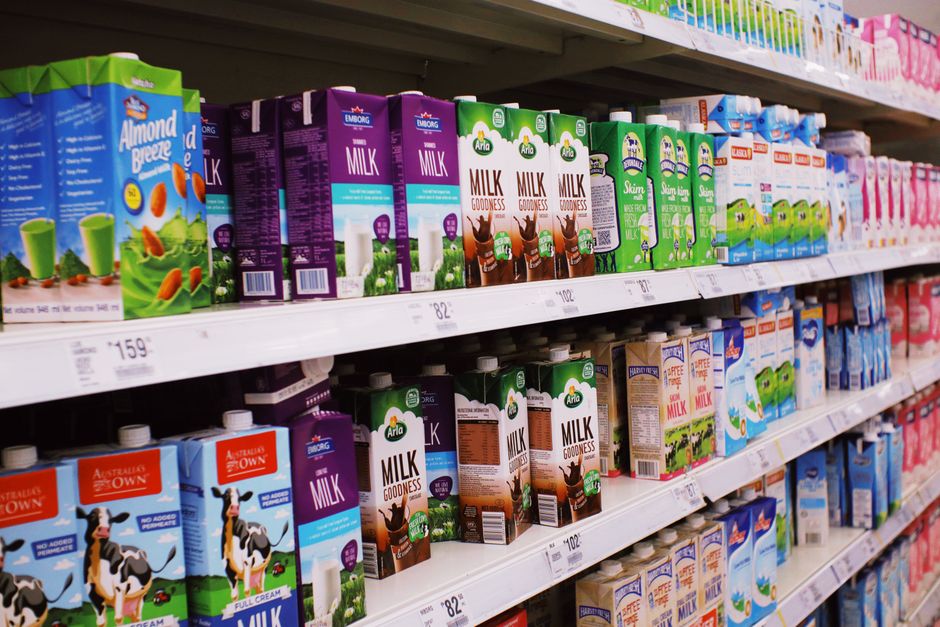
Seasonal produce is typically fresher, more flavorful, and significantly cheaper than out-of-season alternatives that traveled long distances. In summer, for example, zucchini, tomatoes, and corn are usually abundant and inexpensive. In fall and winter, squash, root vegetables, and citrus tend to be more affordable.
You do not need to memorize seasonal charts. Just pay attention to which produce items look freshest and are priced lowest at your local store. Those are likely the ones in season.
Store brands are another underused tool. Most grocery store private-label products are produced by the same manufacturers as name brands and must meet the same food safety standards. The difference is primarily packaging and marketing costs. Compare labels on oats, canned beans, frozen vegetables, olive oil, and whole-grain pasta. In most cases, the store brand delivers equivalent nutrition for meaningfully less money.
4. Understand Unit Pricing to Avoid Common Cost Traps
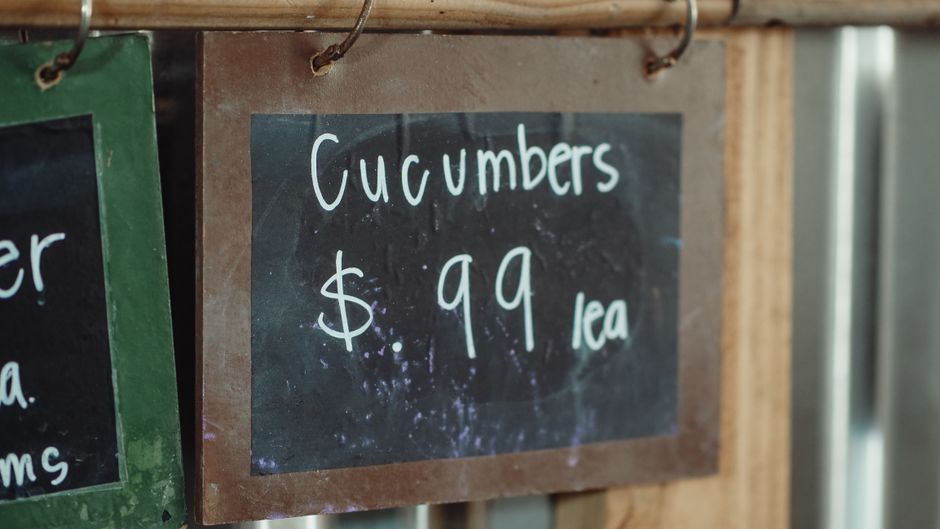
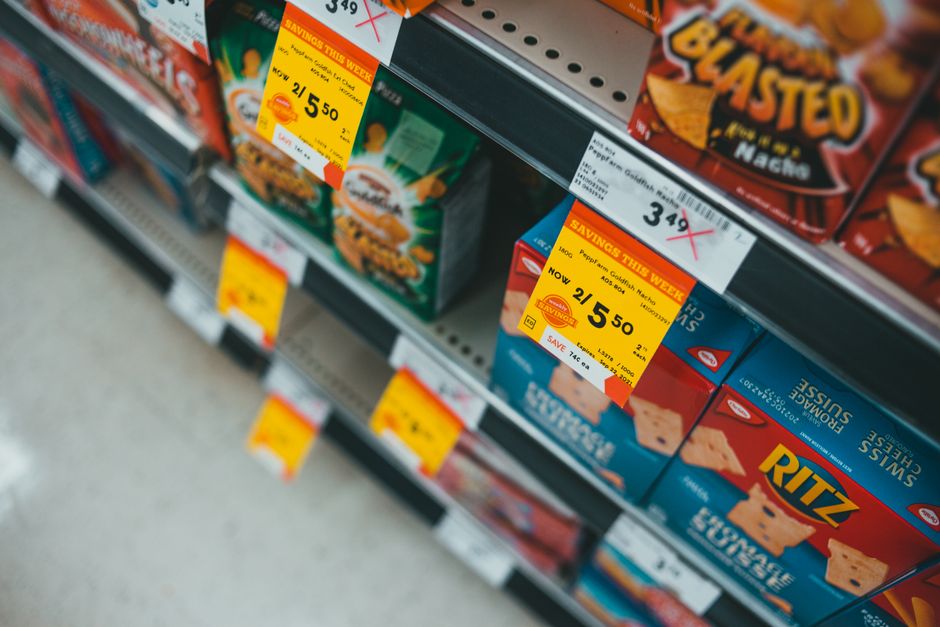
The shelf price of an item is not always the most useful number to look at. Unit price, usually displayed on the shelf tag in small print, tells you the cost per ounce, per gram, or per serving. This is the number that reveals true value.
Common unit-pricing insights:
- Larger packages often (but not always) cost less per serving. Verify this before assuming bulk is always cheaper.
- “Family size” versions of proteins and grains can reduce per-serving costs significantly when you have freezer or pantry space to store them.
- Convenience packaging (pre-cut vegetables, portioned snacks, individual servings) typically carries a meaningful price premium per unit. Buying whole and prepping at home saves money.
- Buying in bulk at warehouse stores makes sense only for items you will actually use before they expire. Waste erases savings.
5. Read Labels Efficiently Without Getting Overwhelmed
Reading every label on every item is exhausting and unnecessary. Focus on a few key areas that matter most for healthy grocery shopping on a budget:
- Ingredient list: Shorter is generally better for minimally processed foods. If a product lists whole ingredients you recognize, that is a good sign.
- Serving size: Ensure you understand how much a serving actually is before comparing nutrition facts across products.
- Added sugars: The Dietary Guidelines for Americans recommend limiting added sugars. Scan the “Added Sugars” line on the nutrition facts panel, especially on flavored yogurts, cereals, sauces, and “health” bars.
- Sodium: Canned goods can be high in sodium. Choose low-sodium or no-salt-added versions when available, or rinse canned beans and vegetables before using them.
- Fiber content: Aim for at least 2 to 3 grams of fiber per serving in breads, cereals, and grains. This is one of the clearest signals of a genuinely whole-grain product.
6. Reduce Food Waste as a Direct Budget Strategy
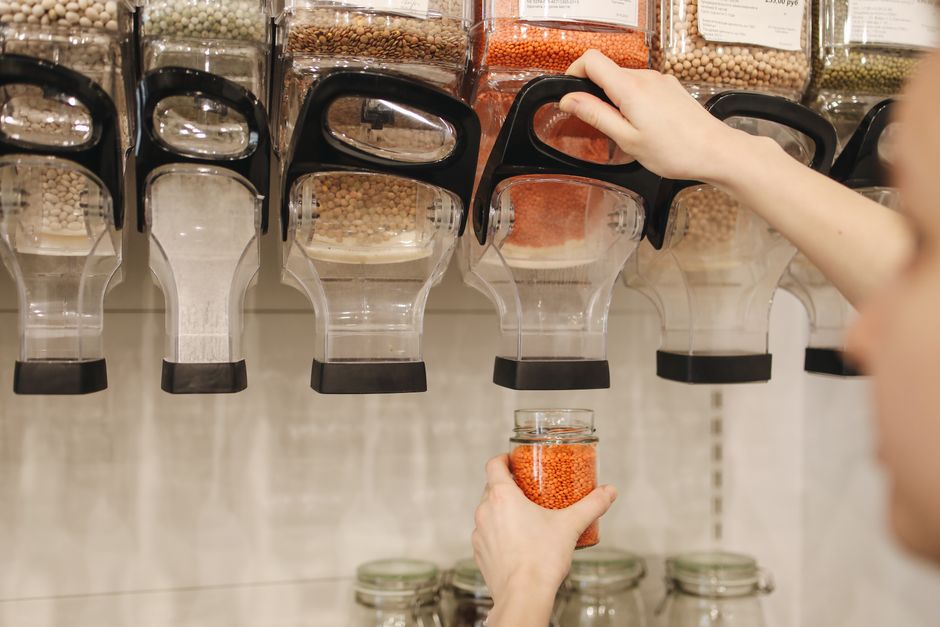
Food waste is money wasted. The average household throws away a significant amount of food each year, which represents real dollars leaving your budget. Reducing waste is one of the highest-leverage budget moves available to you.
Practical waste-reduction habits:
- Store food properly. Herbs last much longer standing in a small glass of water in the fridge. Leafy greens stay crisp in a container lined with a paper towel. Berries keep better if washed just before eating, not before storing.
- Use a “use first” section in your fridge. Designate the most visible shelf for items that need to be eaten soon. What you see, you eat.
- Repurpose leftovers creatively. Roasted vegetables from Monday become a grain bowl on Tuesday. Leftover chicken goes into soup or a wrap.
- Freeze before things spoil. Bananas that are getting too ripe, bread approaching its end, cooked beans in excess of what you need this week. Your freezer is your best tool against waste.
- Learn which foods last longer than you think. Hard cheeses, carrots, cabbage, citrus, and most root vegetables have a longer fridge life than many people expect.
Understanding how your gut uses the fiber from whole foods you are buying can also motivate you to cook and eat them more consistently. The article on Digestive Health and Whole-Person Wellness: What You Should Know About Gut Function covers why fiber and fermented foods matter beyond just digestion.
7. Think in Flexible Recipe Frameworks, Not Rigid Recipes
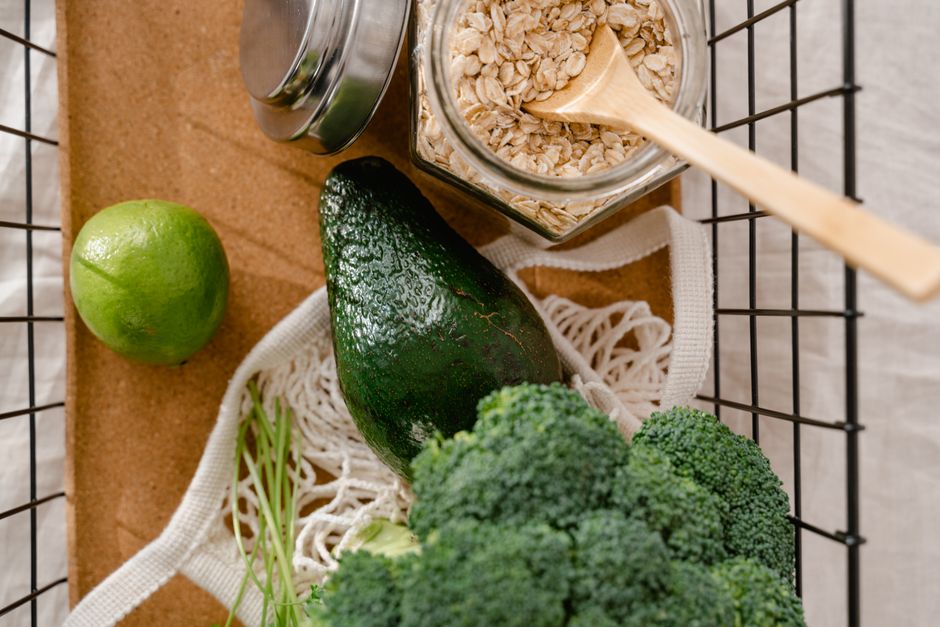
Rigid recipes that require specific, unusual ingredients are expensive and wasteful. Flexible frameworks let you swap ingredients based on what is in season, on sale, or already in your kitchen.
Four frameworks that work with almost any budget:
- The grain bowl: A base of rice, quinoa, or oats plus any protein plus roasted or raw vegetables plus a simple dressing.
- The soup or stew: Broth plus legumes plus any vegetables plus spices. Nearly impossible to get wrong, highly adaptable, and great for batch cooking.
- The stir-fry: Any protein plus frozen or fresh vegetables plus a sauce made from pantry staples like soy sauce, garlic, and a little sesame oil.
- The smoothie: A frozen fruit base plus a protein source (Greek yogurt, nut butter, or protein powder) plus a liquid. For ideas on making smoothies nutritionally complete, see Smoothie Bowls vs. Blended Smoothies: Which Is Better for Your Goals and Lifestyle.
Thinking in frameworks also connects directly to eating for stable energy throughout the day. Pairing carbohydrates with proteins and healthy fats in each meal is one of the most evidence-supported habits for managing hunger and focus. The guide on Eating for Stable Energy: Nutrient Combinations That Keep You Full and Focused All Day goes deeper on this.

8. Common Mistakes to Avoid When Grocery Shopping on a Budget
- Shopping hungry. Calorie deficit in the store leads to impulse purchases. Eat before you go.
- Assuming “health food” labels equal better nutrition. Words like “natural,” “superfood,” or “wholesome” on packaging are marketing terms, not regulated nutrition claims. Read the label.
- Overbuying fresh produce. Fresh is not always best if it goes bad before you use it. Frozen is a smarter choice for produce you do not eat quickly.
- Ignoring the freezer aisle for proteins. Frozen chicken breasts, fish fillets, and edamame are often significantly cheaper than fresh and lose no meaningful nutritional value.
- Not building a snack strategy. Arriving home hungry without planned snacks leads to expensive, less nutritious impulse choices. Keep affordable, satisfying options like boiled eggs, hummus, or nut butter on hand. For more ideas, see High-Protein Snacks and Light Meals for Sustained Energy Between Meals: Real Options Beyond Bars and Shakes.

Frequently Asked Questions
Q: How much does healthy grocery shopping actually cost per week?
A: Costs vary widely based on location, household size, and store choice, but research from the USDA suggests that a thrifty, nutritious food plan for one adult can fall well under many people’s current spending. The key is planning and prioritizing whole, minimally processed staples over packaged convenience foods.
Q: Are organic foods worth the extra cost when shopping on a budget?
A: Not necessarily, and the evidence for broad health benefits of organic over conventional produce for most people is still emerging. If budget is a priority, focus on eating more vegetables and fruits in general rather than limiting consumption to organic-only options. Conventional produce is nutritious and supports balanced eating.
Q: Can I eat enough protein on a plant-based budget?
A: Absolutely. Lentils, chickpeas, black beans, tofu, tempeh, edamame, oats, and plain Greek yogurt are all affordable, high-protein options. Combining varied plant proteins across the day provides a complete amino acid profile without requiring expensive supplements.
Q: How do I avoid food waste when buying produce for one person?
A: Prioritize frozen produce for items you do not eat quickly. Buy fresh produce in smaller quantities and more frequently, or choose items with longer shelf lives like carrots, cabbage, and apples. Use the freezer proactively before items spoil.
Q: Is it really cheaper to cook at home than to eat out?
A: For most people, yes, significantly so. Even moderately priced takeout or restaurant meals cost several times more per serving than home-cooked equivalents made from whole-food staples. The savings compound quickly when cooking is a consistent habit rather than an occasional choice.

A Realistic Next Step
You do not need to implement all of this at once. Pick one strategy from this list, perhaps building a simple meal plan for the coming week or swapping one name-brand staple for the store-brand version, and practice it consistently. Small, repeatable changes in your grocery habits build momentum over time.
If you are also working on supporting your overall energy and movement alongside your nutrition, the guide on Building a Sustainable Walking Plan for Fat Loss and Fitness Confidence is a practical companion read. And for broader inspiration on building lasting habits without pressure or perfectionism, the real-reader stories in How Three Readers Built Sustainable Healthy Habits Without Perfectionism: Real Stories and Honest Lessons are genuinely worth your time.
For practical weekly guidance across nutrition, movement, and well-being, consider joining the Clean Body Mentor newsletter. It is one small weekly touchpoint that keeps your goals within reach.
This article is for general educational and informational purposes only and is not a substitute for medical advice, diagnosis, or treatment. Health needs vary by individual. Consult a qualified healthcare professional before making significant changes to your diet, exercise routine, supplements, medication, or treatment plan, especially if you have a medical condition, are pregnant or breastfeeding, take medication, or have concerns about your symptoms.