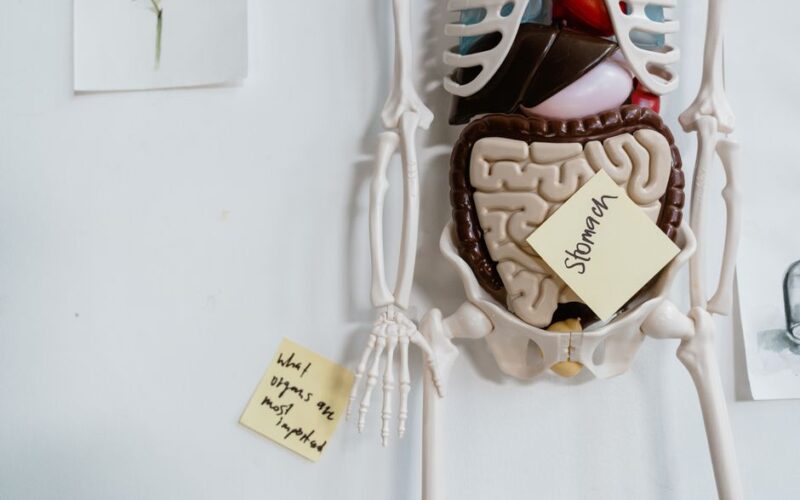


You make it through the morning on coffee and willpower, hit a wall around 2 p.m., and reach for something sweet to push through the afternoon. By evening you are tired but wired, and the cycle repeats tomorrow. If that pattern sounds familiar, you are not alone, and the fix rarely requires eliminating entire food groups or following a rigid protocol.
The real issue, more often than not, is how you are combining foods rather than which specific foods you are eating. Balanced nutrition for energy is less about finding the perfect diet and more about understanding how proteins, carbohydrates, and fats work together to keep blood glucose stable, support brain chemistry, and prevent the hormonal swings that trigger cravings and fatigue.
This guide walks you through the practical science behind those combinations, shows you what real meals and snacks look like, and gives you a repeatable framework you can adapt to your schedule, budget, and food preferences.

Why Energy Crashes Happen in the First Place
Blood glucose is your brain’s primary fuel. When you eat a meal heavy in rapidly digested carbohydrates without enough protein or fat alongside it, glucose rises quickly and your pancreas releases a corresponding surge of insulin to bring it back down. That correction often overshoots, leaving blood sugar temporarily lower than ideal. The result: brain fog, irritability, fatigue, and hunger returning sooner than expected.
Research published in nutritional science literature consistently links high glycemic load meals (those that spike blood glucose rapidly) to lower sustained energy, reduced cognitive performance, and increased snack cravings in the hours that follow. This is not a moral failing. It is straightforward physiology.
Fats and proteins slow the rate at which carbohydrates are absorbed into your bloodstream. Fiber, found in whole grains, legumes, vegetables, and fruit, adds another layer of buffering. Combining all three macronutrients at meals creates a slower, flatter glucose curve, which translates to steadier energy and longer-lasting satiety.
Digestive health also plays a role here. A well-functioning gut absorbs nutrients more efficiently, which can affect how evenly your energy is delivered from a meal. If you want to explore the connection between gut function and whole-person wellness further, Digestive Health and Whole-Person Wellness: What You Should Know About Gut Function is a useful companion read.

The Core Principle: Build Every Meal Around Three Anchors
Rather than memorizing complicated rules, think of each meal and snack as needing three anchors: a protein source, a quality fat, and a fiber-rich carbohydrate. When all three are present, your body has everything it needs to modulate the glucose response and sustain energy between meals.
Protein: The Satiety Anchor
Protein triggers the release of satiety hormones including GLP-1 and peptide YY, slows gastric emptying, and requires more energy to digest than carbohydrates or fats. Research suggests that higher-protein meals are associated with reduced calorie intake at subsequent meals, which matters for both energy management and sustainable weight management.
Aim for a meaningful protein source at every meal, not just dinner. Eggs, Greek yogurt, cottage cheese, legumes, tofu, fish, poultry, lean beef, edamame, and high-quality protein-rich dairy all work well. Even moderate amounts, roughly 20 to 35 grams per meal depending on body size and activity level, can make a noticeable difference.
For breakfast specifically, starting with protein is one of the most reliable ways to stabilize morning energy and reduce mid-morning hunger. High-Protein Breakfast Ideas for Steady Energy and Satiety offers practical meal ideas if you need a starting point.
Quality Fats: The Sustained Fuel Anchor
Dietary fat is calorically dense and digests slowly, which helps extend the window of satiety between meals. It also supports fat-soluble vitamin absorption (vitamins A, D, E, and K all require fat to be properly absorbed), and certain fatty acids play structural roles in brain cell membranes.
Unsaturated fats from avocados, olive oil, nuts, seeds, and fatty fish are well-supported by current evidence as beneficial choices for cardiovascular and cognitive health. Whole food fat sources such as a small handful of walnuts, a quarter of an avocado, or a tablespoon of nut butter are easy to add to meals without dramatically increasing meal complexity.
Fat does not need to dominate a meal to do its job. Even modest additions significantly slow glucose absorption when combined with carbohydrates.
Fiber-Rich Carbohydrates: The Steady Fuel Anchor
Carbohydrates are not the enemy of stable energy; the type and context matter more than the food category itself. Fiber slows digestion, feeds beneficial gut bacteria, and moderates the glycemic impact of a meal. Carbohydrate sources higher in fiber, such as oats, quinoa, sweet potatoes, lentils, beans, whole grain bread, berries, and most vegetables, produce a slower, more sustained glucose curve than refined equivalents.
You do not need to eliminate white rice, pasta, or bread entirely. Pairing them with protein and fat in the same meal largely addresses the glycemic concern. A bowl of pasta with chicken, olive oil, and vegetables behaves metabolically quite differently from pasta eaten alone as a large, hurried lunch.
How to Build Balanced Meals That Actually Sustain You
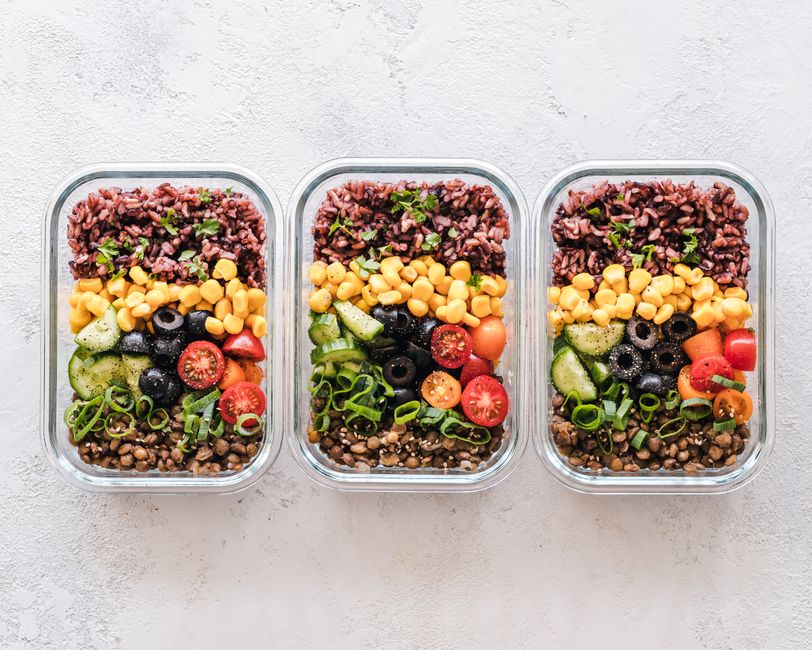
The three-anchor framework works across any eating pattern, cuisine, or budget. Here is how to apply it in practice.
Breakfast
Many common breakfasts lead to an energy crash by mid-morning because they are heavy in simple carbohydrates and low in protein and fat. A plain bagel, fruit juice, and sweetened cereal can all spike blood glucose quickly without providing lasting satiety.
Balanced alternatives using the same framework:
- Two eggs scrambled with vegetables on whole grain toast with half an avocado
- Greek yogurt (plain, full-fat) with berries and a tablespoon of chia seeds
- Oatmeal made with milk, topped with nut butter and sliced banana
- A smoothie built from Greek yogurt or protein powder, frozen fruit, spinach, and ground flaxseed (check out Smoothie Bowls vs. Blended Smoothies: Which Is Better for Your Goals and Lifestyle for guidance on making smoothies more satiating)
Each of these options includes all three anchors and takes ten minutes or less to prepare.
Lunch
Lunch is where many people experience the classic afternoon slump. A large, carbohydrate-heavy lunch, especially one eaten quickly at a desk, can trigger the post-lunch dip in alertness that is partly biological and partly nutritional.
Balanced lunch strategies:
- A grain bowl with quinoa or brown rice, roasted vegetables, chickpeas or grilled chicken, and tahini or olive oil drizzle
- A salad with mixed greens, hard-boiled eggs or tuna, nuts or seeds, avocado, and a vinaigrette
- Lentil or bean-based soup with a small piece of whole grain bread and a side of sliced vegetables
- Whole grain wraps with turkey, hummus, spinach, and sliced cucumber
If meal prep helps you stay consistent through busy weeks, Meal Prep for Beginners: Simple Systems to Save Time and Build Healthier Eating Habits can help you build a system that works without overwhelming your Sunday.
Dinner
Dinner is an opportunity to reset for the next day. Including adequate protein at dinner may also support overnight satiety and help you wake up less ravenously hungry, which makes balanced breakfast choices easier.
Balanced dinner ideas:
- Baked salmon with roasted sweet potato and steamed broccoli with olive oil
- Stir-fried tofu with mixed vegetables over brown rice with sesame oil
- Ground turkey taco bowls with black beans, salsa, avocado, and whole grain tortillas
- Chicken and vegetable soup with a side of whole grain crackers and hummus
Snacks
Snacks are not a sign of weak willpower. Strategically timed, balanced snacks can smooth energy between meals, especially when lunch and dinner are more than five hours apart. The key is applying the same three-anchor logic at a smaller scale.
Effective snack combinations:
- Apple slices with almond or peanut butter
- Cottage cheese with cherry tomatoes and whole grain crackers
- A small handful of mixed nuts with a piece of fruit
- Hummus with raw vegetables and whole grain pita
- Hard-boiled eggs with a small serving of whole grain crackers
For more variety beyond the usual options, High-Protein Snacks and Light Meals for Sustained Energy Between Meals: Real Options Beyond Bars and Shakes has practical ideas that go well beyond the typical protein bar.

Common Mistakes That Undermine Balanced Nutrition for Energy
Skipping Meals or Waiting Too Long Between Eating
Going five or more hours without eating can allow blood glucose to drop to a point where concentration and mood are affected before you even notice hunger clearly. If your schedule makes regular meals difficult, keeping a balanced snack accessible is often a practical solution.
Eating Carbohydrates Alone
A piece of fruit, a handful of pretzels, or a plain rice cake eaten alone causes a faster glucose spike than the same food eaten alongside a protein or fat source. This does not mean fruit is a problem food. It means context and combination matter.
Drinking Calories Without Accounting for Them
Fruit juice, sweetened coffee drinks, flavored yogurt with added sugar, and sports drinks can deliver a significant carbohydrate load with minimal fiber, protein, or fat. They absorb quickly and rarely sustain energy or satiety the way whole food equivalents do.
Ignoring Hydration
Mild dehydration can produce symptoms that feel like fatigue and brain fog. Many people confuse thirst for hunger or energy depletion. Consistent water intake throughout the day, roughly 8 cups as a starting point for most adults though individual needs vary, supports basic cognitive function and reduces false hunger signals.
Relying on Caffeine as an Energy Strategy
Coffee and tea genuinely support alertness through adenosine blocking, and moderate caffeine intake has a reasonable safety profile for most adults. However, using caffeine as a substitute for balanced eating tends to amplify the crash when it wears off. Caffeine works better as a complement to good nutrition than as a replacement for it.

Movement and Energy: A Brief Note
Nutrition is not the only lever for stable energy. Even modest physical activity, such as a 10-minute walk after lunch, is associated with reduced post-meal glucose peaks and improved afternoon alertness. If you are desk-bound for long stretches, short movement breaks have a measurable effect on both energy and cognitive performance.
Stretching and Mobility Routines for Desk Workers: Counteract Sitting and Improve Daily Movement offers a beginner-friendly movement routine that fits into a busy workday without requiring gym access.

Frequently Asked Questions
Q: Do I need to track macros to eat for stable energy?
A: No. While tracking can be a useful tool for some people, the three-anchor approach works without counting. Building meals around a protein source, a quality fat, and a fiber-rich carbohydrate is a practical habit that does not require logging every gram.
Q: Is it better to eat more frequent, smaller meals or three larger meals for energy?
A: Research does not support one universal meal frequency as superior for everyone. What matters more is meal composition. Some people do well with three balanced meals and one or two snacks. Others prefer fewer, larger meals. The key is avoiding long gaps with no food and ensuring each eating occasion includes all three anchors.
Q: Can balanced nutrition for energy also support weight management?
A: Yes, they align well. Stable blood glucose, adequate protein, and fiber-rich foods all contribute to reduced cravings and better appetite regulation, which supports a moderate calorie deficit without extreme restriction. Sustainable fat loss tends to be easier when you are not fighting constant hunger and energy swings.
**Q: What if I do not have time to prepare balanced meals?
A: Simplicity works. A can of tuna, some whole grain crackers, and a handful of almonds is a balanced meal. Greek yogurt, berries, and a tablespoon of nut butter takes two minutes. The goal is not perfection but consistent effort. Batch cooking on weekends can also dramatically reduce weekday friction.
Q: Are there foods that reliably boost energy quickly without causing a crash?
A: Whole foods that combine natural sugars with fiber, protein, or fat, such as a banana with nut butter or a small handful of dates with walnuts, provide a moderate energy lift with a slower glucose curve than candy or energy drinks. They are not magic, but they are a smarter short-term option when you need something quick.
A Realistic Next Step
You do not need to overhaul every meal this week. Pick one meal that most often leaves you hungry or foggy within two hours and apply the three-anchor approach to it. Add a protein source if it is missing, include a quality fat, and swap a refined carbohydrate for a higher-fiber version where you can. Practice that one change for a week before adjusting anything else.
If breakfast is your biggest challenge, High-Protein Breakfast Ideas for Steady Energy and Satiety is a good place to start. Or explore the Clean Body Mentor newsletter for practical weekly guidance on sustainable nutrition, movement, and whole-person wellness habits that fit real life.
Gradual progress built on sustainable habits consistently outperforms short-term overhauls. Your energy levels will reflect the pattern you build over weeks, not the perfect day you have once.
This article is for general educational and informational purposes only and is not a substitute for medical advice, diagnosis, or treatment. Health needs vary by individual. Consult a qualified healthcare professional before making significant changes to your diet, exercise routine, supplements, medication, or treatment plan, especially if you have a medical condition, are pregnant or breastfeeding, take medication, or have concerns about your symptoms.