Somewhere around your early 40s, your body quietly shifts gears. Muscle that once felt relatively easy to maintain starts slipping away a little faster. Energy levels fluctuate. Recovery takes longer. And if you have heard that lifting weights is mostly for younger women or serious athletes, you may have quietly dismissed strength training as something that does not belong in your schedule.
Here is the honest truth: strength training for women over 40 is not just about appearance. It is one of the most evidence-informed investments you can make in your long-term health. Research consistently suggests that regular resistance exercise helps preserve muscle mass, protect bone density, support a healthy metabolism, reduce injury risk, and even lift mood and mental well-being during perimenopause and beyond.
Better yet, you do not need a gym membership or a rack of expensive equipment to start. This tutorial walks you through why strength training becomes increasingly important in midlife, how to build a safe beginner routine using your bodyweight, and how to keep progressing without overdoing it.
Why Muscle Building Becomes More Urgent After 40
Muscle loss, known clinically as sarcopenia, typically begins in your 30s and accelerates through your 40s and beyond if you are not actively working against it. Research published by the National Institutes of Health suggests adults can lose three to five percent of muscle mass per decade without resistance training. After menopause, declining estrogen accelerates this process further.
Less muscle affects more than strength. Muscle tissue is metabolically active, meaning it helps your body burn energy more efficiently even at rest. Losing it can contribute to gradual, unexplained weight changes over the years, sluggish energy, and greater difficulty managing body composition even when your eating habits have not changed significantly.
Bone density is equally important. Peak bone mass is typically reached by your late 20s or early 30s, and from midlife onward, women face an increased risk of osteopenia and osteoporosis, especially after menopause. Weight-bearing and resistance exercises are among the most evidence-informed strategies for slowing bone loss, according to guidance from the National Osteoporosis Foundation.
Strength training also supports everyday function. Carrying groceries, lifting children or grandchildren, getting up from the floor, and climbing stairs all rely on muscle strength and joint stability. Building that foundation now is a form of preventive care that can meaningfully affect your quality of life for decades.
What to Expect as a Beginner or Someone Returning After a Break
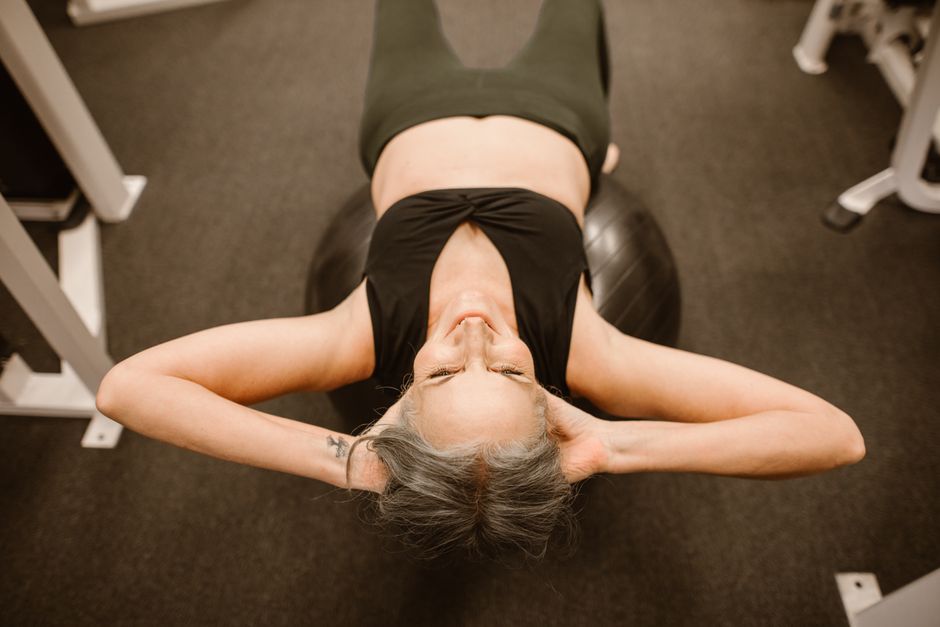
If you are new to strength training or returning after a long pause, your first few weeks will feel different from what you might expect. You may notice muscle soreness 24 to 48 hours after exercise (this is called delayed onset muscle soreness, or DOMS, and it is normal). You may also notice strength and coordination improving faster than you expect, because early gains largely come from your nervous system learning how to recruit muscles more efficiently before actual muscle growth begins.
Progress is real, just slower to see in the mirror than in how you feel. Most women report noticing improved posture, daily energy, and functional strength within four to six weeks of consistent training, even before visible body changes occur.
If you are brand new to resistance exercise, the Strength Training for Beginners at Home: Build Confidence and Lean Muscle Without Equipment or a Gym guide is a great place to understand the foundational concepts before diving into this midlife-specific tutorial.
Understanding How Your Body Changes in Midlife
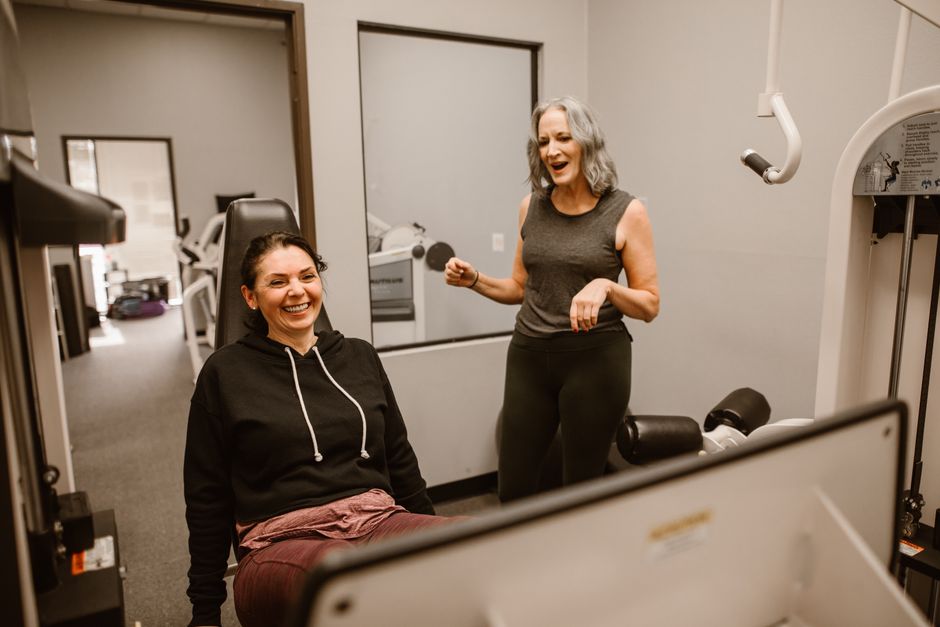
Perimenopause and menopause bring hormonal shifts, especially in estrogen and progesterone, that affect everything from sleep and mood to joint comfort and recovery speed. These changes do not mean strength training becomes harder or less effective. They do mean it becomes more important to train with awareness.
Joints may feel less cushioned, especially in the knees, hips, and shoulders. Recovery may take 48 hours instead of 24. Sleep, which is closely linked to physical recovery, may be less consistent. Inflammation can linger a little longer after intense efforts.
None of these are reasons to avoid training. They are simply reasons to structure your training thoughtfully, prioritize recovery, and stay connected to how your body feels on any given day. On days when joint discomfort flares or sleep was poor, a lighter session or a focus on mobility is a smart, not a weak, choice.
If you find that stiffness is limiting your movement quality, the Stretching and Mobility Routines for Desk Workers: Counteract Sitting and Improve Daily Movement guide offers practical mobility work that pairs well with a strength routine.
Building Your At-Home Strength Routine: The Essentials
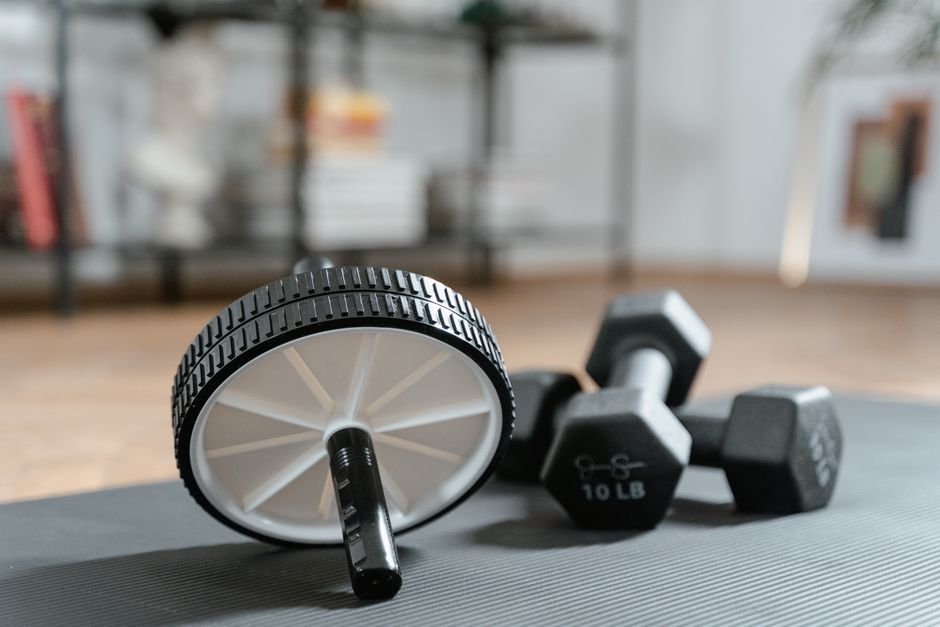
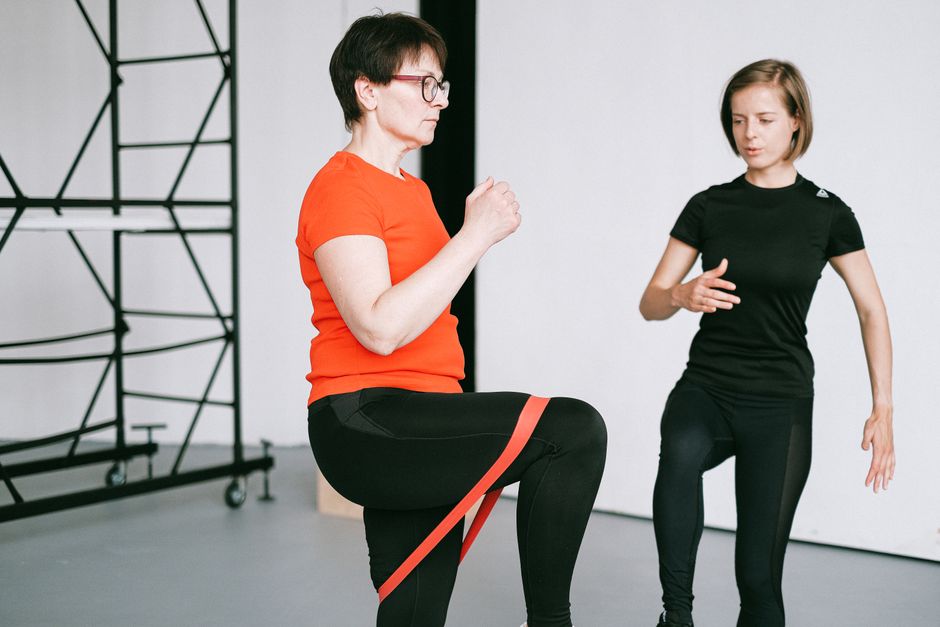
You do not need barbells, machines, or even a mat to begin. A clear patch of floor and your own bodyweight are enough for months of progressive training. As you grow stronger, resistance bands, a pair of light dumbbells, or a filled backpack can add challenge without requiring a gym.
The Four Movement Patterns That Matter Most
A well-rounded routine builds strength across the major movement patterns your body uses every day. Focus on these four:
- Push (pressing away from your body): Wall push-ups, incline push-ups, standard push-ups
- Pull (drawing toward your body): Resistance band rows, doorframe rows, bodyweight rows using a sturdy table
- Hinge (hip-dominant movements): Glute bridges, single-leg deadlifts with bodyweight, Romanian deadlifts with a light load
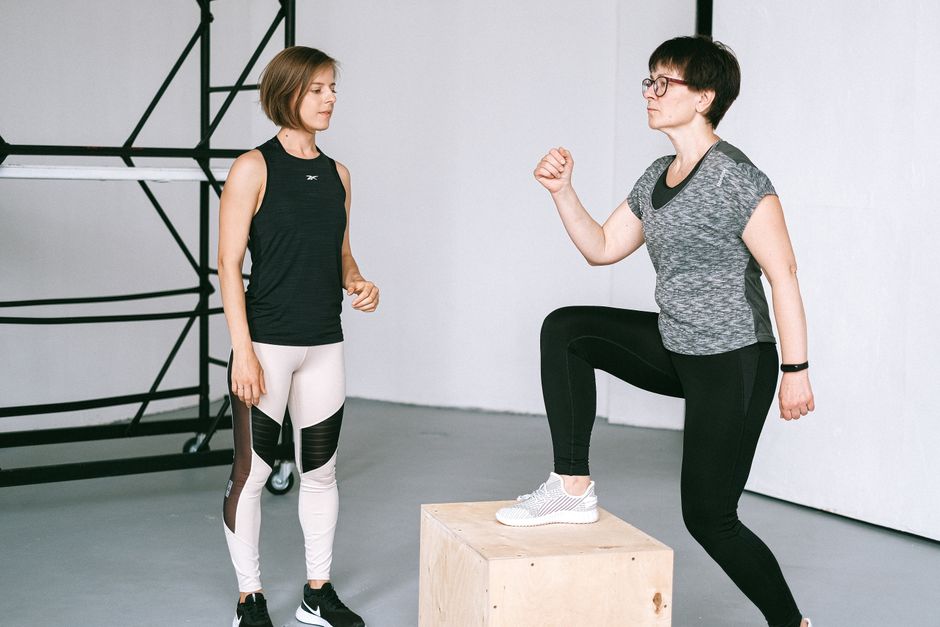
- Squat (knee-dominant movements): Chair squats, bodyweight squats, sumo squats, split squats
Adding a carry or core stability component (farmer carries with water jugs, dead bugs, bird-dogs, or planks) rounds out a routine that protects your lower back and improves posture.
A Sample Three-Day Beginner Routine
Aim for two to three non-consecutive days of strength training per week. This gives your muscles time to recover and rebuild, which is where actual strength gains happen.
Day 1 – Lower Body Focus
- Chair squat: 3 sets of 10 to 12 reps
- Glute bridge: 3 sets of 12 reps
- Reverse lunge (bodyweight): 2 sets of 8 per leg
- Dead bug: 2 sets of 8 per side
Day 2 – Upper Body and Core Focus
- Incline push-up (hands on counter): 3 sets of 8 to 10 reps
- Doorframe or table row: 3 sets of 10 reps
- Overhead press with water bottles or light dumbbells: 2 sets of 10 reps
- Bird-dog: 2 sets of 8 per side
Day 3 – Full Body
- Sumo squat: 3 sets of 12 reps
- Single-leg glute bridge: 3 sets of 8 per leg
- Push-up (from knees or toes depending on your level): 2 sets of 8 to 10 reps
- Resistance band or table row: 2 sets of 10 reps
- Forearm plank: 2 holds of 20 to 40 seconds
Rest 60 to 90 seconds between sets. The goal is controlled, quality movement, not speed.
How to Progress Without a Personal Trainer
Progression is what turns exercise into training. Without it, your body adapts and results plateau. The principle to apply is gradual overload: making the exercise slightly more challenging over time.
You can progress by:
- Adding one or two reps per set each week
- Slowing the movement down (a three-count lower during a squat challenges muscles more)
- Moving from two hands to one for stability-based exercises
- Reducing rest time slightly between sets
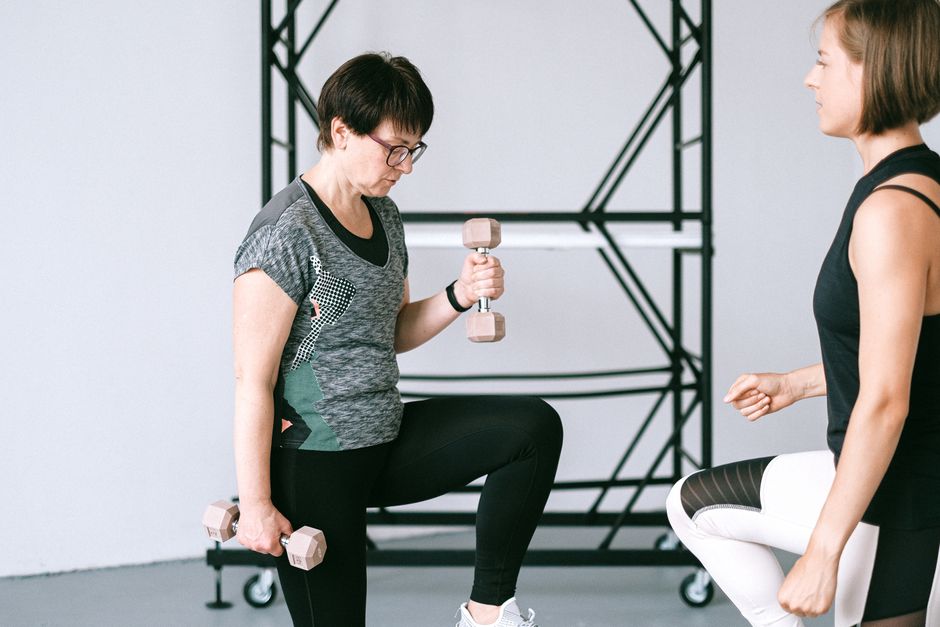
- Adding a light load (filled water bottles, a resistance band, small dumbbells) once bodyweight feels manageable
Avoid jumping to heavier loads before your form is solid. Poor form under load is where most injuries begin.
Nutrition That Supports Muscle Building After 40
Strength training and protein intake work together. Without adequate protein, your muscles lack the building blocks they need to repair and grow after training sessions.
Research suggests that women over 40 often benefit from slightly higher protein intake than standard general guidelines recommend, particularly around the time of resistance training. A rough starting point that many sports nutrition researchers support is 1.2 to 1.6 grams of protein per kilogram of body weight per day, though individual needs vary and a registered dietitian can help you find your specific target.
Practical high-protein options that work well in a busy schedule include eggs, Greek yogurt, cottage cheese, canned salmon or tuna, lentils, edamame, and chicken or turkey. Starting your day with a protein-rich breakfast can make meeting your daily targets feel less effortful. The High-Protein Breakfast Ideas for Steady Energy and Satiety guide has straightforward options that work even on busy mornings.
For snacks between meals, keeping protein options accessible helps support consistent intake without major meal prep effort. The High-Protein Snacks and Light Meals for Sustained Energy Between Meals: Real Options Beyond Bars and Shakes article offers realistic ideas worth bookmarking.
Carbohydrates also matter. They fuel your workout sessions and support recovery. Eating balanced meals rather than cutting food groups is generally more sustainable and effective for active women in midlife. You can explore how nutrient combinations work together in Eating for Stable Energy: Nutrient Combinations That Keep You Full and Focused All Day.
Pairing Strength Training With Walking for Better Results
Strength training does not have to be the only movement in your routine. Walking is a complementary activity that supports cardiovascular health, helps manage stress hormones, and contributes to overall energy balance without taxing your muscles the way an intense workout does.
On your non-strength days, a brisk 20- to 30-minute walk adds meaningful physical activity without compromising recovery. If you want to structure your walking more intentionally for fat loss or fitness improvement, Walking for Weight Loss: A Realistic Approach to Fat Loss Through Daily Movement offers a straightforward plan worth reading alongside this guide.
Common Mistakes Women Over 40 Often Make
Knowing what to avoid can save you months of frustration.
Starting with too much, too soon. Enthusiasm is wonderful, but doing five days of hard training in your first week is a reliable path to soreness, fatigue, and quitting. Two to three days is genuinely enough, especially in the first four to six weeks.
Skipping the warm-up. Joints in midlife respond better to movement when they have been gradually prepared. Five to ten minutes of light movement (marching in place, arm circles, bodyweight hip circles) before training reduces discomfort and injury risk.
Avoiding anything that feels difficult. Discomfort during training is normal and expected. Sharp joint pain, however, is a signal to stop and assess. Learn the difference between productive effort and warning signals from your body.
Focusing only on cardio. Many women over 40 have spent years doing cardio without resistance training. Cardio supports heart and metabolic health, but it does not preserve muscle or protect bone density the way resistance training does. Both matter, and they work best together.
Neglecting sleep and recovery. Strength gains actually happen during rest, not during the workout itself. Poor sleep, chronic stress, and under-eating will slow results even if your training is consistent. If sleep is a challenge, treating it as part of your wellness plan is worthwhile.
Comparing progress to a 25-year-old. Your body adapts beautifully to training at any age, but the timeline and the look of progress may differ. Focus on how you feel, how you move, and what you can do.
Safety Guidance for Midlife Strength Training
Strength training is broadly safe for most healthy adults, but midlife brings specific considerations worth acknowledging.
- If you have been diagnosed with osteoporosis, osteopenia, or significant joint conditions, consult a qualified healthcare professional or a certified exercise physiologist before starting. Certain exercises (like deep spinal flexion under load) may need to be modified or avoided.
- If you are perimenopausal or postmenopausal and experiencing significant hormonal symptoms, a conversation with your doctor about whether hormone-related changes could affect your exercise response is reasonable.
- Listen carefully to your joints. Mild muscle soreness is expected. Persistent joint pain, sharp discomfort, or pain during (not just after) exercise deserves professional evaluation.
- Breath holding during effort (called the Valsalva maneuver) raises blood pressure acutely and is best avoided, especially if you have any cardiovascular concerns. Exhale during the exertion phase and inhale during the easier phase.
- Hydration matters more than many women realize during training. Muscles are roughly 75 percent water, and even mild dehydration can affect performance and recovery.
Frequently Asked Questions
Will strength training make me bulky?
This is one of the most common concerns among women new to resistance training, and the short answer is no, not likely. Building significant muscle bulk requires years of heavy progressive training and specific nutritional strategies that most women are not following casually. What strength training reliably produces in most women is a firmer, more defined physique with improved posture and functional capacity.
How long before I start seeing results?
Functional improvements (strength, energy, movement ease) often appear within three to four weeks. Visible body composition changes typically take eight to twelve weeks of consistent training and supportive nutrition. Everyone’s timeline varies based on starting point, training consistency, sleep, and diet.
Can I strength train if I have joint pain or arthritis?
In many cases, yes, but with appropriate modifications and professional guidance. Research suggests resistance training can actually reduce joint pain over time in conditions like osteoarthritis by strengthening the muscles that support affected joints. Always check with a qualified healthcare professional before beginning if you have a diagnosed condition.
Do I need to take protein supplements?
Protein supplements can be convenient, but they are not essential. Whole food sources of protein are generally preferred. If you find it genuinely difficult to meet your protein needs through food alone, a simple protein powder can help bridge the gap. This is a reasonable question to raise with a registered dietitian.
How do strength training and walking work together?
They complement each other beautifully. Strength training preserves and builds muscle while walking supports cardiovascular fitness, mood, and calorie balance. Alternating them across the week gives your muscles recovery time while keeping your overall activity level consistent.
A Note Before You Begin
This article is for general educational and informational purposes only and is not a substitute for medical advice, diagnosis, or treatment. Health needs vary by individual. Consult a qualified healthcare professional before making significant changes to your exercise routine, especially if you have a medical condition, are pregnant or breastfeeding, take medication, have been diagnosed with osteoporosis or a joint condition, or have any concerns about your symptoms.
Your Next Step
Choose one movement from the sample routine above and try it today. Just one. You do not need the perfect plan, the perfect equipment, or the perfect moment. You need a starting point, and this is it.
As you grow comfortable with the basics, explore the Strength Training for Beginners at Home: Build Confidence and Lean Muscle Without Equipment or a Gym guide for deeper instruction on form and progression. And if you want practical wellness guidance delivered weekly in a format that is genuinely useful and never overwhelming, consider joining the Clean Body Mentor newsletter. Small, consistent steps build the kind of strength that lasts.