

It happens to most people like clockwork. You make it through the morning feeling reasonably sharp, you eat lunch, and then sometime between 2 and 3pm, your brain starts to feel fuzzy. Your eyelids get heavy. Motivation dips. You reach for coffee or something sweet just to push through the rest of the afternoon.
If this sounds familiar, you are not alone, and you are not lazy. The afternoon energy slump is a real, well-documented phenomenon that has both biological and nutritional roots. The encouraging part is that understanding why it happens puts you in a much better position to prevent it through simple, sustainable changes to what, when, and how you eat.
This guide explains the science clearly, then walks you through practical food strategies, snack combinations, and meal timing adjustments you can start using today, without relying on caffeine or willpower alone.

Quick Takeaways Before We Dive In
- The afternoon energy slump is partly driven by a natural dip in your circadian rhythm, not just what you ate at lunch.
- Blood sugar swings, dehydration, low protein intake, and poor meal timing all make the dip worse than it needs to be.
- Eating balanced meals and snacks, staying hydrated, and choosing nutrient-dense foods can significantly reduce afternoon fatigue.
- Small, specific adjustments work better than overhauling your entire diet at once.

Why the Afternoon Energy Slump Happens in the First Place
The 2-3pm crash has two main drivers working together: your body’s internal clock and your blood sugar.
Your Circadian Rhythm Has a Built-In Dip
Your circadian rhythm, the internal 24-hour biological clock that regulates sleep, wakefulness, and dozens of other body processes, naturally produces a drop in alertness in the early-to-mid afternoon. Research published in journals focused on sleep science has consistently identified this dip as a normal part of the human sleep-wake cycle, separate from how much sleep you got the night before.
This is why even well-rested people feel a pull toward lower energy around mid-afternoon. In some cultures, a short post-lunch rest is built into the day for precisely this reason. You are not fighting a character flaw; you are working with a biological pattern.
That said, the circadian dip alone does not explain the severity of the slump many people experience. Your food choices, meal timing, and hydration level either soften the dip or make it dramatically worse.
Blood Sugar Swings Amplify the Crash
When you eat a meal high in refined carbohydrates or added sugar, your blood glucose rises quickly, triggering a significant release of insulin to bring it back down. This rapid rise and fall, sometimes called a blood sugar spike and crash, often lands right in the window when your circadian rhythm is already dipping. The combination creates the deep, foggy fatigue that feels almost impossible to work through.
Common lunch choices that can trigger this pattern include white bread sandwiches with little protein or fiber, large portions of refined pasta or rice, sweetened drinks alongside a meal, and packaged snack foods eaten instead of a real lunch. None of these are “bad” foods in a moral sense, but in terms of energy stability, they set you up for a steeper afternoon crash.
For a deeper look at how different nutrient combinations affect energy across the whole day, the guide on Eating for Stable Energy: Nutrient Combinations That Keep You Full and Focused All Day is a useful companion to this article.
Dehydration Quietly Drains Your Focus
Even mild dehydration, roughly one to two percent below optimal fluid balance, is associated with reduced concentration, slower cognitive processing, and increased fatigue. Many people drink coffee in the morning, eat a dry or salty lunch, and then go several hours without adequate water. By 2pm, dehydration is compounding an already difficult window.
How to Build Meals That Prevent the Afternoon Energy Slump
The goal is not a perfect diet. It is a consistent pattern of eating that keeps your blood sugar relatively stable, delivers enough protein and fiber to slow digestion, and supports steady energy release through the afternoon.
Balance Your Lunch With Protein, Fat, and Fiber
The single most effective dietary strategy for reducing the afternoon energy slump is building a balanced lunch. A meal that combines a quality protein source, healthy fats, and fiber-rich vegetables or whole grains slows the absorption of carbohydrates, which prevents the sharp blood sugar spike and crash.
Practical lunch combinations that support steady energy:
- Grilled chicken or canned salmon over a large salad with olive oil, avocado, and chickpeas
- A whole grain wrap with turkey, hummus, spinach, and sliced vegetables
- Lentil soup with a side of whole grain bread and a boiled egg
- Tofu or tempeh stir-fry with brown rice and plenty of non-starchy vegetables
- Greek yogurt bowl with berries, walnuts, and a drizzle of honey (works as a lighter lunch or substantial snack)
The key is that no single macronutrient is doing all the work. Protein slows gastric emptying. Fiber regulates the pace of glucose absorption. Healthy fats provide a slow-burning fuel source. Together, they create a much smoother energy curve.
If your mornings are also low in protein, that can set the stage for afternoon crashes too. The article on High-Protein Breakfast Ideas for Steady Energy and Satiety covers practical options for starting the day with a better nutritional foundation.
Watch Your Portion Size at Lunch
A very large lunch, even a nutritionally balanced one, requires significant digestive effort. Blood flow is redirected toward the digestive system, and the body allocates considerable energy to processing a large meal. This can intensify the afternoon slump even when the food quality is good.
For many people, a moderate-sized lunch paired with a small, balanced snack around 3-4pm produces better energy than one large midday meal. This also connects to the broader principle that meal timing and portion distribution matter, not just food quality in isolation. The guide on Digestive Comfort and Meal Timing: How to Eat for Better Digestion and Sustained Energy goes deeper into how meal size and timing affect how your body functions throughout the day.
Do Not Skip Breakfast or Eat It Too Early
If you eat breakfast at 6am and then do not eat again until 1pm, you are asking your body to maintain steady energy across a seven-hour window. For most people, that leads to significant hunger and blood sugar fluctuation before lunch, which often results in overeating at lunch or craving high-sugar foods, both of which make the afternoon slump worse.
Aiming to eat something balanced every three to five hours generally supports more stable energy for most adults. If your schedule makes this difficult, planning becomes the most useful tool. Meal prepping even a few snacks and lunches each week can remove the friction that leads to skipped meals or fast-food choices under pressure. For a beginner-friendly approach, Meal Prep for Beginners: Simple Systems to Save Time and Build Healthier Eating Habits offers a realistic starting point.

The Best Afternoon Snacks to Prevent the Energy Dip
A well-timed afternoon snack is one of the most underutilized tools for managing the 2-3pm crash. The goal is not to add unnecessary calories; it is to provide a small, balanced fuel source that bridges you from lunch to dinner without a blood sugar valley in between.
What Makes a Good Afternoon Snack
An effective afternoon snack for energy stability typically includes:
- A protein source (at least 7-15 grams)
- Some fiber or healthy fat to slow absorption
- Minimal added sugar
Snack combinations that work well:
- A small handful of almonds with an apple or pear
- Celery or cucumber sticks with two tablespoons of almond butter or hummus
- A boiled egg with a small piece of whole grain toast
- Cottage cheese with sliced cucumber and a light sprinkle of seeds
- A small smoothie made with unsweetened protein powder, spinach, frozen berries, and almond milk
- Plain Greek yogurt with a tablespoon of nut butter stirred in
For a broader range of options across different eating preferences and schedules, the article on High-Protein Snacks and Light Meals for Sustained Energy Between Meals: Real Options Beyond Bars and Shakes is worth exploring.
Snacks to Approach With Caution in the Afternoon
Not every snack marketed as healthy will help your afternoon energy. Several common options can actually worsen the slump:
- Fruit juice or sweetened smoothies with no protein or fat: these spike blood sugar quickly and drop it just as fast
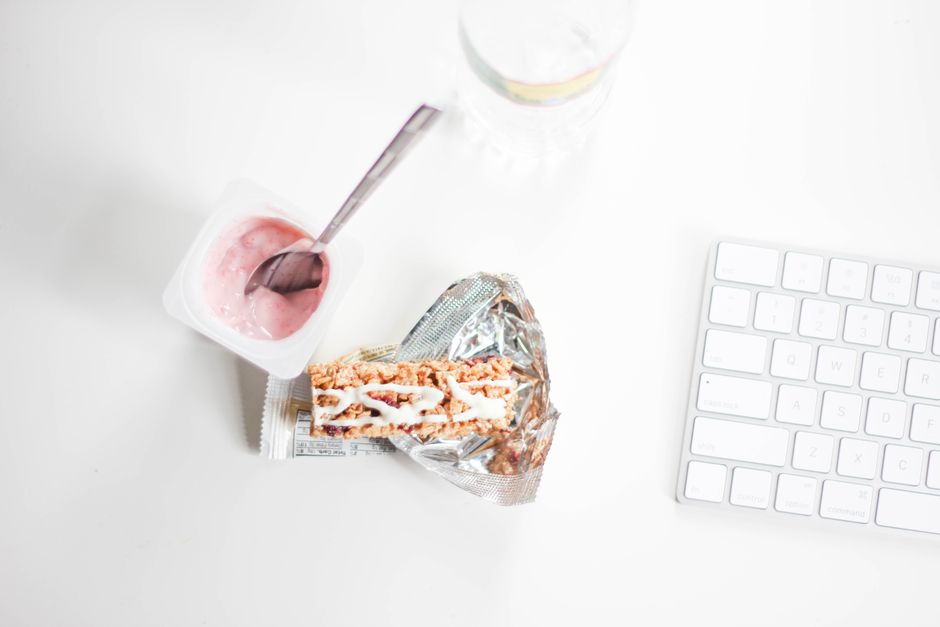
- Most commercial granola bars: many contain as much sugar as a candy bar with little protein
- Rice cakes on their own: low in protein and fiber, they digest very quickly
- Large quantities of dried fruit: concentrated in natural sugar with limited fiber to slow absorption
None of these are off-limits in the context of a generally balanced diet, but if the afternoon crash is a real daily problem for you, these are worth adjusting before blaming the slump on something else.

Hydration Strategies That Support Afternoon Energy
Drinking more water sounds almost too simple, but research genuinely supports the link between even mild dehydration and increased fatigue and reduced cognitive performance. Practical hydration habits for afternoon energy include:
- Keeping a large water bottle at your desk and refilling it after lunch
- Adding sliced cucumber, lemon, or a sprig of mint if plain water feels unappealing
- Drinking 12-16 ounces of water before your afternoon snack, since thirst can sometimes be mistaken for hunger
- Limiting high-sodium foods at lunch, which can accelerate fluid loss and increase the dehydration dip
- Including hydrating foods such as cucumbers, lettuce, celery, and watermelon in your lunches and snacks
Herbal teas (unsweetened) are another excellent afternoon option. Peppermint and ginger teas are associated with mild alertness-supporting effects in some studies, though evidence is still early-stage. They provide hydration, warmth, and a sensory experience that can help you reset without adding caffeine.

Common Mistakes That Make the Afternoon Slump Worse
Even with the best intentions, a few habits tend to undermine afternoon energy in ways that are easy to miss:
- Relying on caffeine to push through: A coffee at 3pm may help you get through the afternoon but can interfere with sleep quality at night, creating a cycle of poor sleep and worsened fatigue the next day.
- Eating lunch at your desk while distracted: Eating quickly while working often leads to overeating, poor chewing, and reduced digestive efficiency. Mindful eating practices can improve satiety and digestion, and the article on Mindful Eating Without Restriction: How to Build a Calmer, More Intuitive Relationship with Food offers a compassionate entry point.
- Skipping the afternoon snack to save calories: This often backfires by making you very hungry at dinner, leading to overeating in the evening.
- Confusing physical hunger with emotional fatigue: Sometimes the afternoon slump mixes with stress or emotional tiredness in ways that lead to eating when what you actually need is a short break or a few deep breaths. The article on Emotional Eating vs. Physical Hunger: How to Tell the Difference and Respond With Compassion can help you tell the difference.
- Assuming only food is to blame: Sleep debt, vitamin and mineral deficiencies (vitamin D is one worth checking with your doctor), and chronic stress all contribute to afternoon energy dips. A whole-person approach considers all of these factors.

When to Talk to a Healthcare Professional
For most healthy adults, the strategies in this guide will make a meaningful difference in afternoon energy levels within a few weeks of consistent practice. However, persistent or severe fatigue that does not improve with better nutrition, hydration, and sleep habits may warrant a conversation with a qualified healthcare professional.
Certain medical conditions, including thyroid dysfunction, iron-deficiency anemia, blood sugar regulation disorders, and sleep disorders, can cause fatigue patterns that food choices alone cannot resolve. A simple blood panel ordered by your doctor can rule out several common causes. If you notice fatigue accompanied by other symptoms like unexplained weight changes, excessive thirst, or disrupted sleep, please do not delay that conversation.

Frequently Asked Questions
Q: Is the afternoon energy slump the same for everyone?
A: The circadian dip that contributes to afternoon fatigue is a widespread human biological pattern, but the severity varies considerably based on individual factors including sleep quality, meal composition, stress levels, age, and overall health. Some people barely notice it; others find it significantly disruptive.
Q: Can I just drink another coffee instead of changing what I eat?
A: Caffeine can temporarily mask the afternoon slump, but it does not address the underlying causes. Relying on caffeine in the afternoon may also make it harder to fall asleep at night, which contributes to a cycle of chronic tiredness. Nutritional and lifestyle adjustments tend to produce more sustainable improvements.
Q: How long does it take to notice a difference after changing my eating habits?
A: Many people notice improvements in afternoon energy within a week or two of consistently eating balanced lunches, staying hydrated, and adding a well-timed snack. Sustainable changes take time to feel natural, so gradual progress is more realistic than an overnight transformation.
Q: Does the timing of my lunch really matter?
A: Yes, timing interacts with your circadian rhythm. Eating lunch very late (after 2pm) can mean the blood sugar peak from lunch overlaps directly with the natural circadian dip, intensifying the crash. Eating lunch between 12pm and 1:30pm for most people tends to produce better energy outcomes.
Q: What if I eat a balanced lunch and still crash every afternoon?
A: If food and hydration adjustments do not resolve persistent afternoon fatigue, it is worth looking at sleep quality, overall activity levels, stress, and potential nutritional deficiencies. A qualified healthcare professional can help identify whether an underlying issue is contributing to your energy pattern.

Your Realistic Next Step
You do not need to overhaul your entire diet this week. Pick one strategy from this guide and practice it consistently for the next seven to ten days. That might be adding protein and fiber to your lunch, drinking a glass of water before your afternoon slump typically hits, or prepping a few energy-supporting snacks on Sunday so they are ready when you need them.
Small, consistent adjustments add up to meaningful change. If you want to build a stronger nutritional foundation that supports your energy, mood, and focus across the whole day, explore the Clean Body Mentor guides on balanced eating, meal prep, and sustainable habits. You can also join the newsletter for practical, weekly wellness guidance delivered in a no-pressure, encouraging format.
This article is for general educational and informational purposes only and is not a substitute for medical advice, diagnosis, or treatment. Health needs vary by individual. Consult a qualified healthcare professional before making significant changes to your diet, exercise routine, supplements, medication, or treatment plan, especially if you have a medical condition, are pregnant or breastfeeding, take medication, or have concerns about your symptoms.