
Most nutrition advice focuses on what you eat. But the sequence in which those foods arrive in your digestive system also matters, and the research here is more compelling than you might expect.
Eating vegetables first before starches, proteins, or fats is a simple, zero-cost shift that research suggests can lower post-meal blood sugar spikes, improve nutrient uptake, and reduce the bloated, sluggish feeling that often follows a heavier meal. You do not need a special diet or new ingredients. You just rearrange what is already on your plate.
This tutorial walks through the science, then gives you concrete steps for putting it into practice at any meal.

What Actually Happens When You Change the Order
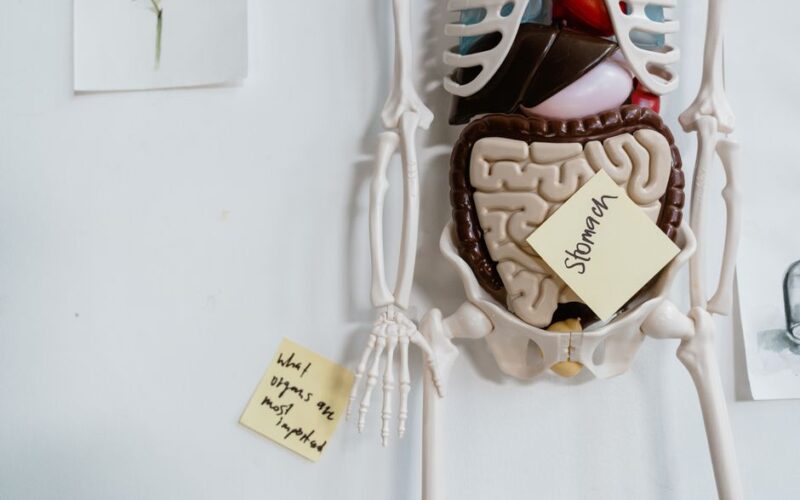
When you eat fiber-rich vegetables at the start of a meal, they create a physical and biochemical environment in your stomach and small intestine that shapes everything that comes after.
Fiber slows gastric emptying. Soluble fiber found in foods like broccoli, leafy greens, carrots, and zucchini forms a gel-like layer in your stomach. This slows how quickly digested food moves into the small intestine, which moderates the rate at which glucose enters your bloodstream. A 2015 study published in Diabetes Care (Shukla et al.) found that participants who ate vegetables and protein before rice or bread had significantly lower post-meal blood glucose and insulin levels compared to those who ate carbohydrates first. The effect was meaningful even when total calorie and carbohydrate intake stayed identical.
Gut hormones respond to food order. Eating fiber and protein before refined carbohydrates appears to stimulate earlier release of GLP-1 (glucagon-like peptide-1), a gut hormone that promotes satiety and helps regulate insulin. Research suggests this hormonal sequence supports more stable energy levels and may reduce overeating later in the meal, not by restricting enjoyment, but by giving your brain a more accurate fullness signal.
Digestive enzymes get a head start. Chewing vegetables thoroughly triggers saliva production and activates mechanical digestion. By the time denser proteins and starches arrive, your digestive system is already primed and working efficiently. For more on how specific enzymes fit into this picture, see Digestive Enzymes and Nutrient Absorption: What Research Actually Shows and When They Help.
How This Affects Nutrient Absorption Specifically
Blood sugar is not the only system that benefits. The order you eat foods also influences how well your body extracts micronutrients.
Fat-soluble vitamins, including vitamins A, D, E, and K, require dietary fat to be absorbed properly. If you eat vegetables alongside or just before healthy fats such as olive oil, avocado, or nuts, absorption of fat-soluble nutrients from those vegetables improves. This is one practical reason a small drizzle of olive oil on a starter salad is more than a flavoring choice.
Iron absorption from plant-based sources (non-heme iron in spinach, kale, or lentils) increases when vitamin C is present in the same meal. Eating a vitamin C-rich vegetable like bell pepper or tomato at the start of the meal means that nutrient is already present in the gut environment when iron-containing foods arrive, supporting better uptake.
For a broader look at how food pairings affect energy and comfort, Digestive Comfort and Nutrient Absorption: Foods and Timing That Work Together for Energy and Wellness covers this in more depth.
A Step-by-Step Guide to Building the Habit
This does not require rigid meal structure or separate courses. Here is how to make eating vegetables first feel natural across different cuisines and eating styles.
Step 1: Plate vegetables first, eat them first
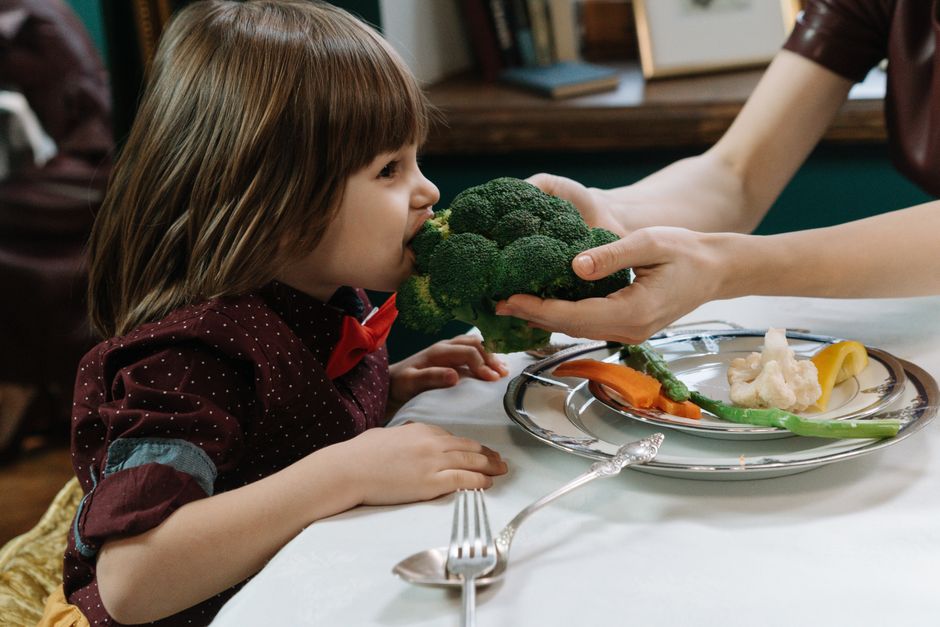
When you sit down to a meal with mixed components, start eating the vegetables on your plate before moving to your protein or starch. This works for home-cooked dinners, takeout containers, and restaurant plates alike. Even two or three minutes of eating vegetables before the rest of the meal gives your gut a head start.
Step 2: Use a small starter at home
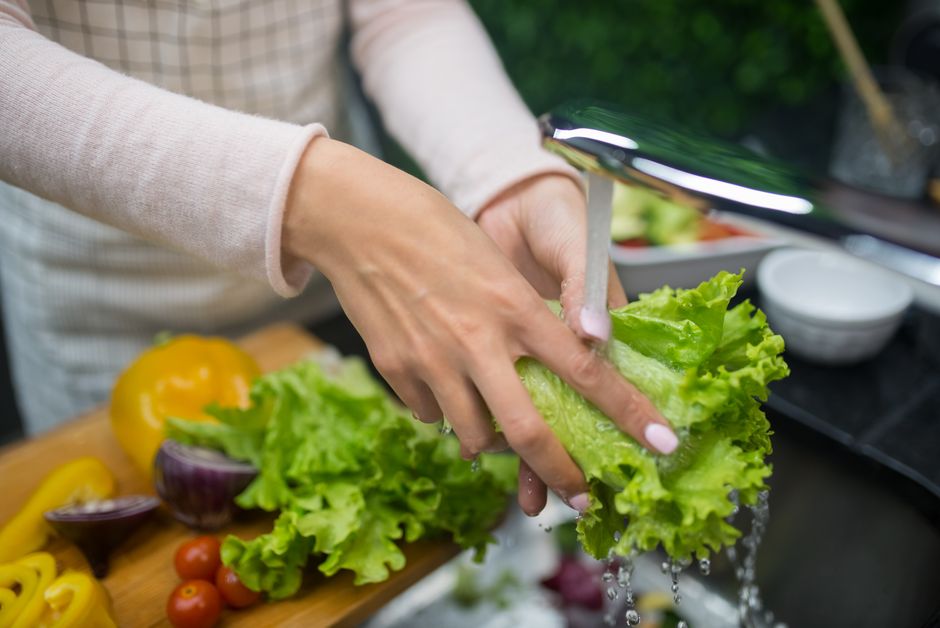
A simple green salad, a bowl of vegetable soup, or a plate of raw vegetables with hummus eaten a few minutes before the main course is one of the most effective applications of this strategy. You do not need a formal first course. A handful of baby spinach dressed with lemon and olive oil takes about 90 seconds to prepare.
Step 3: Apply it when eating out
Ordering a side salad or broth-based soup to start at a restaurant is an easy, low-pressure way to use this approach without altering your main course. Eating Out Without Losing Progress: How to Make Restaurant Meals Work With Your Health Goals has additional practical strategies for navigating menus without stress.
Step 4: Adapt for mixed-dish meals
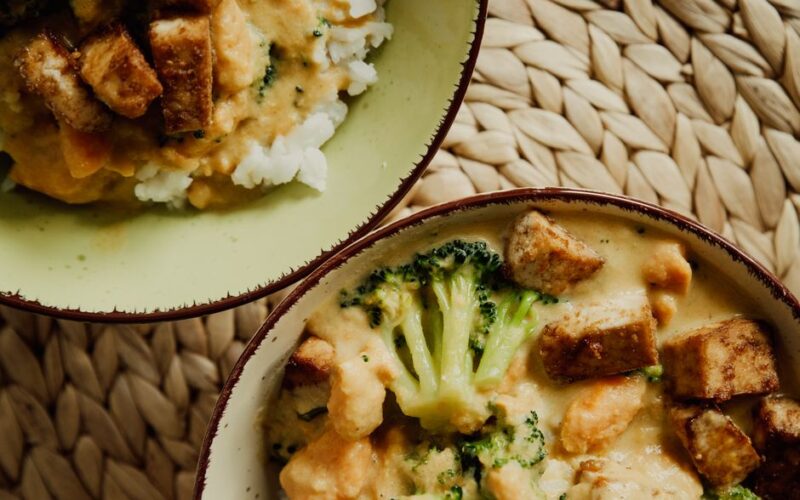
Not every meal separates neatly into components. If you are eating a stir-fry, a grain bowl, or a pasta dish, you can still apply the principle by serving yourself a larger initial portion of the vegetable elements and eating those bites first before moving to the denser components. With practice, this becomes automatic.
Step 5: Pair vegetables with fat for fat-soluble vitamins
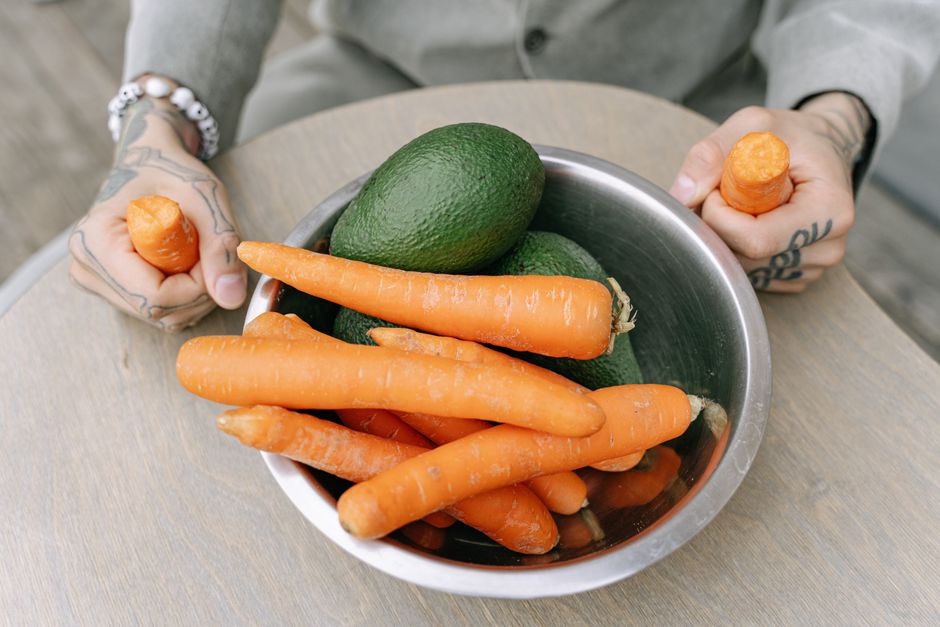
When building your starter vegetables, add a small amount of healthy fat to the plate. This could be a drizzle of olive oil, a few slices of avocado, or a handful of seeds. The fat helps your body absorb the fat-soluble vitamins from the vegetables you are eating first.
What the Evidence Does Not Say
It is worth being clear about what this strategy is and is not. Eating vegetables first is a supportive habit, not a cure or a workaround for an overall unbalanced eating pattern. The blood sugar research is strongest for people who regularly eat refined carbohydrates as a main course staple. If your meals are already vegetable-forward, the marginal effect may be smaller.
This habit also does not replace the value of chewing slowly and eating without distraction. Rushed eating undermines digestion regardless of food order. If that resonates with you, Digestive Discomfort From Rushed Eating: Why Pace Matters More Than Food Choices explores that angle specifically.
Bloating after meals can have many causes beyond food order, including fermentable fiber sensitivity and eating pace. For a broader look at that issue, Digestive Bloating After Meals: A Practical Guide to Eating Patterns That Reduce Discomfort is a useful companion read.
One Realistic Starting Point
If you want to try this without overhauling your routine, pick one meal per day, dinner tends to be easiest since it is often eaten at home and involves multiple food types. For the next two weeks, eat your vegetables first at that meal before touching anything else on the plate. Notice whether you feel fuller sooner, experience less post-meal energy dip, or feel lighter in the hours after eating.
Small, consistent shifts tend to compound over time in ways that larger overhauls rarely do. If you are curious about building other evidence-informed eating habits, the Clean Body Mentor newsletter covers practical nutrition and wellness strategies you can apply without extreme changes.
This article is for general educational and informational purposes only and is not a substitute for medical advice, diagnosis, or treatment. Health needs vary by individual. Consult a qualified healthcare professional before making significant changes to your diet, exercise routine, supplements, medication, or treatment plan, especially if you have a medical condition, are pregnant or breastfeeding, take medication, or have concerns about your symptoms.
Sources
- Shukla, A. P., et al. (2015). “Food Order Has a Significant Impact on Postprandial Glucose and Insulin Levels.” Diabetes Care, 38(7). Published by the American Diabetes Association.
- Rebello, C. J., et al. Research on dietary fiber, satiety, and GLP-1 response, referenced through PubMed (National Library of Medicine, NIH).
- USDA Dietary Guidelines for Americans, 2020-2025: guidance on vegetable intake and nutrient-dense eating patterns (dietaryguidelines.gov).