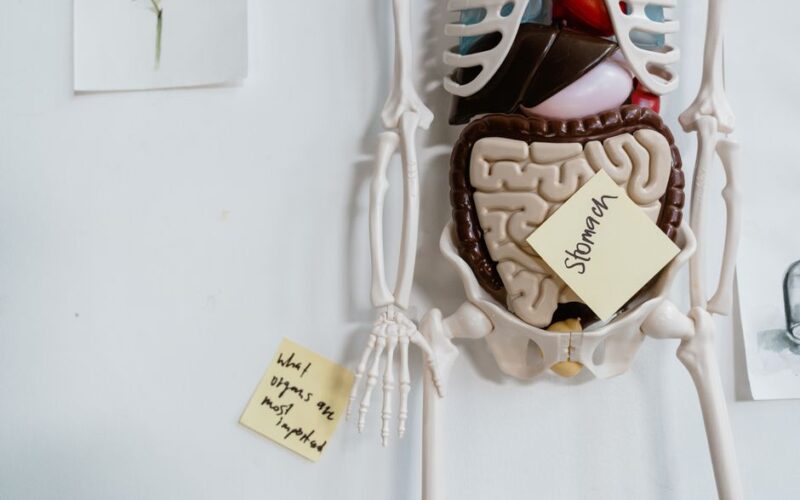


You can fill your plate with nutrient-dense foods and still feel sluggish, bloated, or mentally foggy if your digestive system is not absorbing those nutrients efficiently. Digestive comfort and nutrient absorption are closely linked, and both depend on more than just what you eat. When you eat, how you combine foods, and how well your gut is supported all play meaningful roles in how much energy and vitality you actually get from your meals.
This guide walks you through practical, realistic strategies to improve both digestion and absorption, without extreme diets or complicated protocols.

Why Digestive Comfort Affects More Than Your Stomach
Your digestive system is responsible for breaking down food, extracting vitamins, minerals, amino acids, and fatty acids, and delivering those nutrients to every cell in your body. When digestion is sluggish or uncomfortable, that delivery system slows down, and even a balanced meal may not fuel you the way it should.
Research suggests a strong link between gut function and overall well-being, including mood and mental clarity. The gut produces a significant share of the body’s serotonin, and disruptions to the gut environment can affect how you feel emotionally, not just physically. If you are curious about that connection, the guide on Gut Health and Mood: How Digestive Wellness Affects Your Mental Well-Being explores it in more depth.
Supportive digestion is also foundational to whole-person wellness, because your body cannot use what it cannot absorb.

How Food Combinations Influence Absorption
Not all nutrients are absorbed in isolation. Some nutrients actively help your body take in others, and pairing them intentionally can make a real difference.
Fat-Soluble Vitamins Need Healthy Fats
Vitamins A, D, E, and K are fat-soluble, meaning your body absorbs them best when dietary fat is present in the same meal. Eating a salad full of colorful vegetables without any fat source, such as olive oil, avocado, or nuts, may leave those vitamins largely unabsorbed. A simple drizzle of olive oil or a handful of seeds can improve uptake significantly.
If you want to understand more about one specific fat-soluble nutrient, the article on Vitamin D and Energy Levels: What the Research Shows About Sunlight, Supplements, and Seasonal Wellness is worth reading.
Iron and Vitamin C Work Better Together
Non-heme iron, the form found in plant foods like lentils, spinach, and beans, is less easily absorbed than the iron in meat. Pairing plant-based iron sources with vitamin C-rich foods, such as bell peppers, citrus, or tomatoes, can improve absorption. At the same time, drinking tea or coffee with or immediately after iron-rich meals can inhibit absorption, so spacing those beverages by 30 to 60 minutes may help.
Protein Combinations and Digestive Ease
Eating protein alongside fiber and moderate fat tends to slow gastric emptying in a helpful way, keeping you full and stabilizing blood sugar. However, very large, high-fat, high-protein meals at once can slow digestion uncomfortably and leave you feeling heavy. Spreading protein across your meals tends to support both comfort and sustained energy. For more on this, see Eating for Stable Energy: Nutrient Combinations That Keep You Full and Focused All Day.

Meal Timing Strategies That Support Digestion
When you eat can influence how comfortably your body digests food and how effectively it absorbs nutrients. A few consistent habits make a meaningful difference.
Space Your Meals Thoughtfully
Giving your digestive system three to five hours between meals allows it to complete the digestive process before the next wave of food arrives. Constant grazing can interrupt the migrating motor complex, the muscular activity that sweeps the gut between meals and supports healthy gut motility. This does not mean rigid scheduling, but it does suggest that some breathing room between eating occasions supports digestive comfort.
For a deeper look at how timing affects your body clock and energy, Digestive Comfort and Meal Timing: How to Eat for Better Digestion and Sustained Energy is a practical companion read.
Be Mindful of Evening Meal Size
Digestion naturally slows in the evening as your circadian rhythm winds down. Eating a large, rich meal close to bedtime can lead to discomfort, poorer sleep, and less efficient nutrient use overnight. A lighter dinner with moderate protein, plenty of vegetables, and some healthy fat tends to support both rest and recovery. The relationship between your evening meals and sleep quality is covered in more detail at Meal Timing for Better Sleep: Why When You Eat Matters as Much as What You Eat.
Strategic Snacking Between Meals
If you need something between meals, choosing snacks that combine protein with fiber or healthy fat supports both blood sugar stability and digestive comfort, without overwhelming your system. Snacks like apple slices with almond butter, Greek yogurt with berries, or hummus with vegetables offer nutrient density without digestive overload. For guidance on timing snacks to avoid afternoon crashes, read Snack Timing for Sustained Energy: When to Eat Between Meals Without Afternoon Crashes.

Hydration and Digestive Function
Water is essential for producing digestive enzymes and bile, moving food through the intestines, and absorbing water-soluble vitamins like B vitamins and vitamin C. Mild dehydration can slow digestion and contribute to constipation and fatigue.
The timing of your water intake matters too. Drinking a large volume of liquid right during a meal can dilute digestive enzymes temporarily, so sipping steadily throughout the day rather than gulping large amounts at meal times tends to support better digestion. For a fuller picture of how hydration timing affects your energy and mood, see Hydration for Energy and Mood: Why Water Timing Matters More Than You Think.

Fiber: The Quiet Driver of Gut Health and Absorption
Dietary fiber feeds the beneficial bacteria in your gut, supports regular bowel movements, and helps regulate how quickly nutrients enter your bloodstream. Both soluble fiber (found in oats, legumes, apples, and flaxseed) and insoluble fiber (found in whole grains and most vegetables) play important roles.
If you are currently eating a low-fiber diet, increasing fiber gradually, rather than all at once, allows your gut microbiome to adjust comfortably and reduces bloating. Pair the increase with adequate water to help fiber move through the system effectively.
For a balanced, evidence-informed look at fiber claims and gut health research, the guide on Gut Health Myths vs. Evidence: What Research Actually Says About Probiotics, Fiber, and Digestive Wellness separates fact from hype.

Common Mistakes That Undermine Digestive Comfort
- Eating too fast: Chewing thoroughly begins mechanical digestion and signals enzyme release. Rushing meals means larger food particles reach your stomach, increasing the workload.
- Skipping meals then overeating: Large meals place sudden demands on your digestive system. Spreading intake more evenly supports steadier absorption.
- Relying heavily on ultra-processed foods: These tend to be low in fiber and high in additives that may disrupt gut bacteria balance over time, which can reduce absorptive efficiency.
- Ignoring stress: Chronic stress activates the nervous system’s fight-or-flight response, which can suppress digestive activity. Managing stress is genuinely part of supporting gut function.

Frequently Asked Questions
Q: Does eating slowly actually improve nutrient absorption?
A: Thorough chewing breaks food into smaller particles and mixes it with saliva, which contains digestive enzymes. This gives your stomach and small intestine a head start, which may support more complete nutrient extraction over time.
Q: Are probiotics necessary for good digestion?
A: Probiotic supplements are not universally necessary for healthy adults with a balanced diet. Fermented foods like yogurt, kefir, sauerkraut, and kimchi can support microbial diversity. Research in this area is still evolving, so a registered dietitian can help you decide if supplementation makes sense for your individual needs.
Q: Can digestive discomfort affect my mood?
A: Research suggests the gut-brain connection is real and bidirectional. Gut discomfort can influence mood and energy, and stress can worsen digestive symptoms. Supporting digestive comfort may contribute to improved emotional well-being.
Q: Is it better to eat many small meals or fewer larger ones?
A: Individual needs vary. Some people feel better with three moderate meals and one or two small snacks. Others do well with two to three larger meals and longer gaps. What matters most is consistent nutrient intake, food quality, and avoiding extreme hunger or overeating.
Q: How long after changing my diet should I notice improved digestion?
A: Some people notice changes in bloating or energy within a few days of adjusting fiber intake, hydration, or meal timing. Broader changes in gut microbiome composition may take several weeks. Progress is gradual and individual.

A Realistic Next Step
You do not need to overhaul everything at once. Choose one strategy from this article and practice it consistently for two weeks. That might mean adding a healthy fat to your salad, spacing your meals a little more thoughtfully, or sipping water more steadily through the day rather than gulping it at mealtimes.
Small, sustainable changes to support digestive comfort and nutrient absorption tend to compound over time into noticeably better energy, steadier mood, and improved overall wellness. If you would like more practical guidance delivered regularly, consider joining the Clean Body Mentor newsletter for weekly, evidence-informed wellness tips.
This article is for general educational and informational purposes only and is not a substitute for medical advice, diagnosis, or treatment. Health needs vary by individual. Consult a qualified healthcare professional before making significant changes to your diet, exercise routine, supplements, medication, or treatment plan, especially if you have a medical condition, are pregnant or breastfeeding, take medication, or have concerns about your symptoms.