
You eat a reasonable lunch, settle back into your afternoon, and then it hits: that heavy, foggy, reaching-for-coffee feeling that makes it hard to think straight. Most people blame willpower or poor food choices, but the real culprit is often timing. When you eat between meals matters almost as much as what you eat.
This guide explains why afternoon energy dips happen, how to use snack timing for energy management, and which practical snack combinations can keep you feeling steady from morning through dinner.
Why Your Afternoon Energy Dips in the First Place
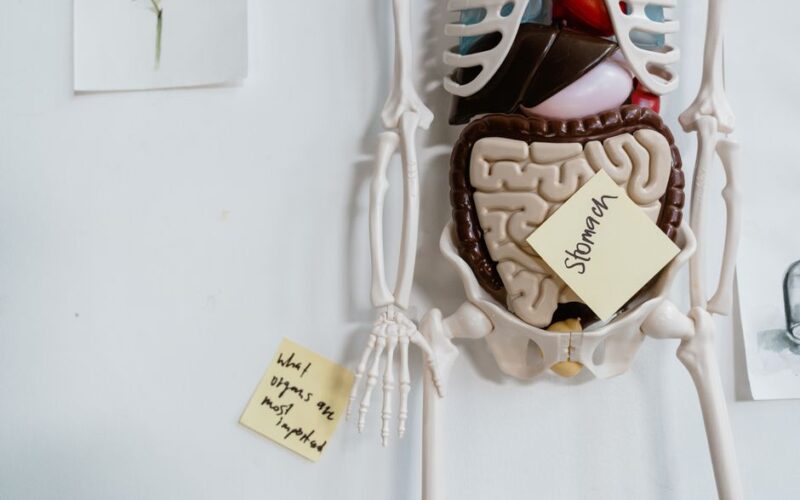
Your body runs on glucose, and your blood sugar naturally rises and falls throughout the day. A sharp rise after a meal, followed by a rapid drop, is the most common trigger for that heavy, unfocused feeling mid-afternoon. Meals that are high in refined carbohydrates and low in protein or fiber tend to accelerate this cycle.
There is also a biological rhythm at play. Research suggests that most people experience a natural dip in alertness between roughly 1:00 pm and 3:00 pm, partly tied to circadian patterns and partly influenced by what and when they ate. This dip is real and predictable, which means you can plan around it.
For a deeper look at the physiology behind this pattern, Why Your Afternoon Energy Slump Happens and What to Eat to Prevent It walks through the biology in practical detail.
The Core Principle: Match Snack Timing to Your Energy Curve
Snacking is not inherently helpful or harmful. The question is whether a snack bridges a genuine gap in your energy needs or simply adds extra calories without purpose. A well-timed snack prevents blood sugar from dropping too low before your next meal, which in turn reduces hunger spikes, helps you make steadier food choices, and supports mental focus.
A poorly timed snack, on the other hand, can interfere with appetite, add unnecessary calories, and actually worsen the cycle if it is mostly sugar or refined starch.
How to Gauge Your Personal Timing Window
A practical starting point is the three-to-four-hour rule. If your meals are spaced more than four hours apart, a snack in that gap is often genuinely useful. If your meals are only two to three hours apart, a snack is probably unnecessary and may work against your hunger cues.
For most people with a standard schedule (breakfast around 7:00 am and lunch around noon), a mid-morning snack is optional and depends on how substantial breakfast was. A high-protein breakfast tends to reduce the need for a mid-morning snack significantly.
The more strategic window is mid-afternoon, roughly two to two-and-a-half hours after lunch. This lands before the worst of the energy dip and prevents the kind of deep blood sugar drop that makes you reach for something sweet and fast.
What to Eat: Building a Snack That Actually Works
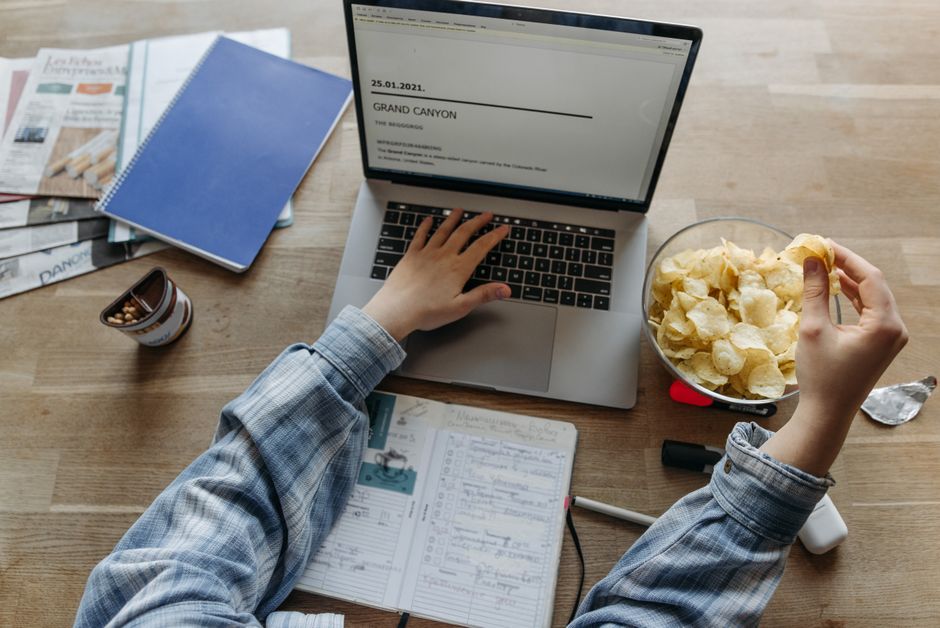
The most effective snacks for sustained energy share a few qualities: they include protein, a small amount of healthy fat or fiber, and minimal added sugar. This combination slows digestion, blunts blood sugar spikes, and keeps you satisfied longer.
Energy Crashes and Blood Sugar Stability: Which Meals and Snacks Keep You Level All Day explains exactly how these macronutrient combinations affect blood sugar throughout the day.
Practical Snack Ideas You Can Actually Use
Here are realistic, accessible options that fit different schedules and budgets:
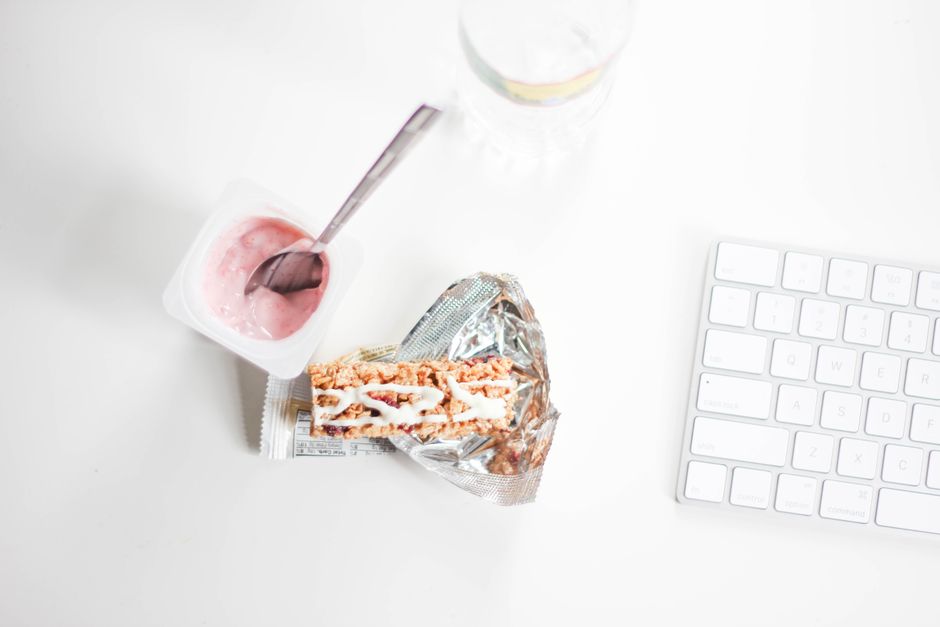
- Greek yogurt with a small handful of berries. Protein from the yogurt plus fiber from the fruit slows glucose absorption.
- Hard-boiled eggs with a few whole-grain crackers. Portable, filling, and easy to prep ahead during a batch cooking session.
- Apple slices with almond or peanut butter. The fat and protein in the nut butter help prevent the blood sugar spike that plain fruit can cause on its own.
- Cottage cheese with sliced cucumber or cherry tomatoes. High in protein, low in added sugar, and surprisingly satisfying.
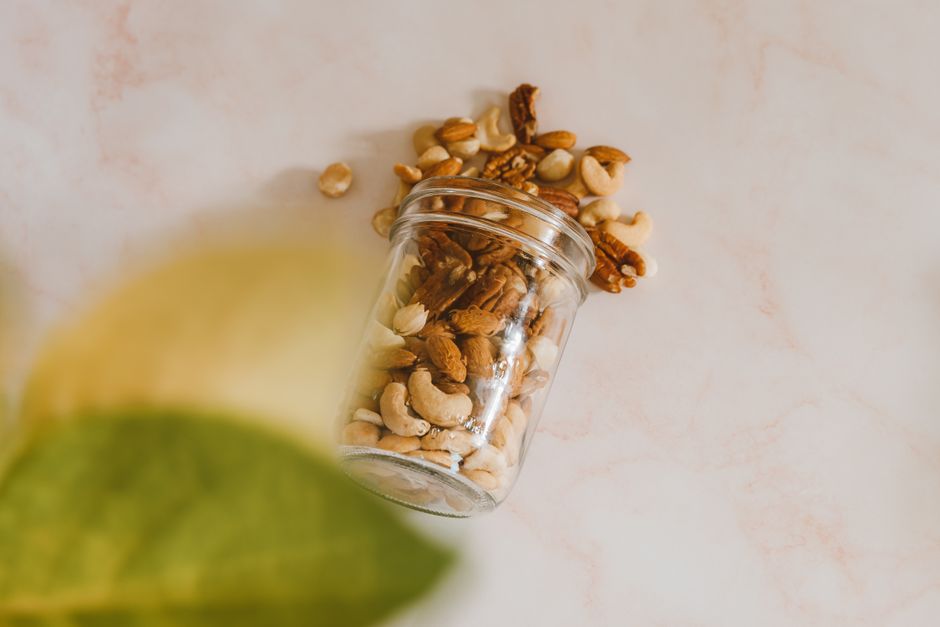
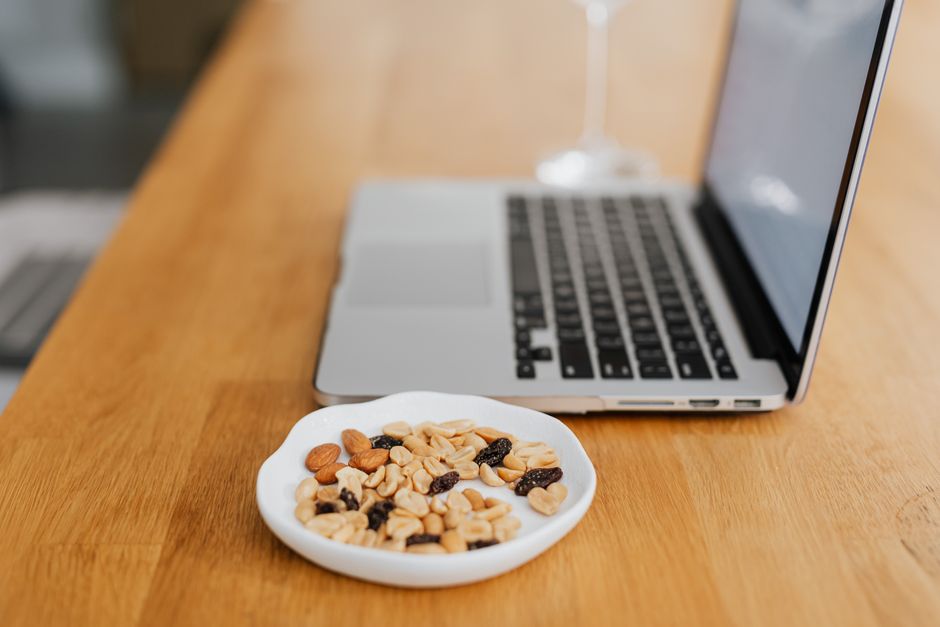
- A small handful of mixed nuts and a piece of cheese. Fat and protein together for a snack that requires zero prep.
- Edamame with a pinch of sea salt. Plant-based protein with fiber, easy to keep in a small container.
For more ideas across different hunger levels, High-Protein Snacks and Light Meals for Sustained Energy Between Meals is worth bookmarking.
Timing Snacks Around Caffeine and Sleep
Many people reach for coffee when they feel the afternoon slump. Caffeine can temporarily boost alertness, but when you consume it matters. Drinking coffee after 2:00 pm or 3:00 pm may interfere with sleep quality, which then worsens your energy the following day. Caffeine and Sleep Quality: When You Drink Coffee Matters More Than How Much covers the research on this clearly.
A well-timed snack around 2:30 pm can reduce the urge to reach for that late-afternoon coffee, supporting better sleep at night and more consistent energy the following day.

Hydration: The Often-Missed Factor in Afternoon Energy
Dehydration mimics fatigue. Many people who feel sluggish in the afternoon are mildly dehydrated, not actually hungry. Before reaching for a snack, drinking a full glass of water can clarify whether your body needs food or hydration. Hydration for Energy and Mood: Why Water Timing Matters More Than You Think explores how water intake throughout the day directly affects focus and mood.
A simple habit: drink a glass of water at the same time you have your afternoon snack, and check in with how you feel 10 minutes before deciding whether you actually need the snack.
Common Mistakes That Undermine Snack Timing
Even with good intentions, a few habits can cancel out the benefits of smart snack timing:
- Waiting too long. If you wait until you feel ravenous, your blood sugar has already dropped and you are more likely to overeat or choose something fast and high-sugar.
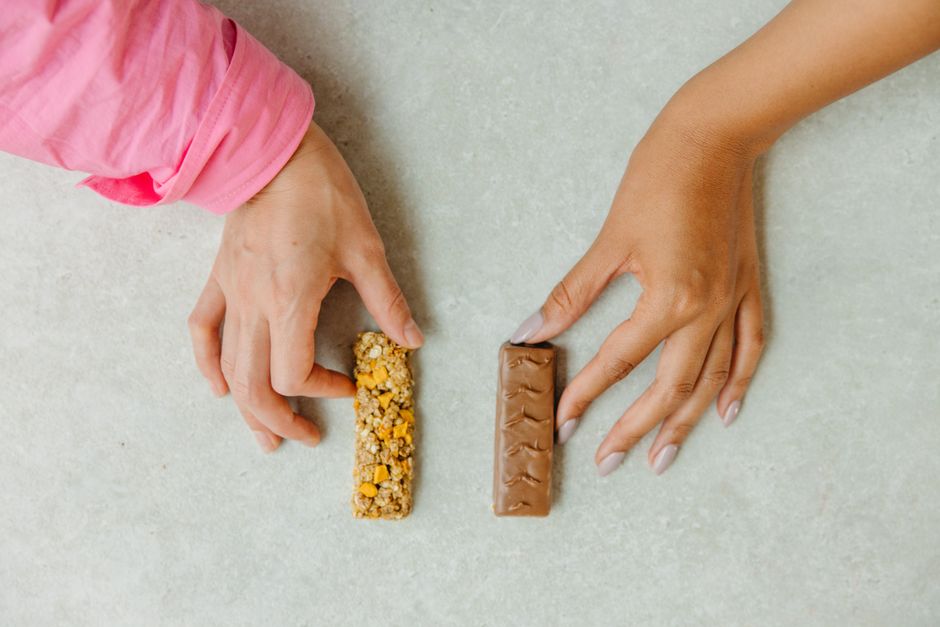
- Choosing high-sugar snacks alone. Fruit juice, candy, or energy bars with very little protein may raise energy briefly but cause a sharper crash afterward.
- Snacking out of boredom. This is worth distinguishing from physical hunger. Emotional Eating vs. Physical Hunger: How to Tell the Difference and Respond With Compassion offers a gentle and practical framework for telling the two apart.
- Snacking too close to dinner. A snack within an hour of your next meal often just displaces it rather than bridging a gap.
- Ignoring meal quality. Snack timing cannot fully compensate for a lunch that is mostly refined carbs. Eating for Stable Energy: Nutrient Combinations That Keep You Full and Focused All Day addresses how your main meals set the baseline.
Movement as a Snack-Timing Complement
A short walk or brief stretch break around the same time as your afternoon snack can also help regulate blood sugar and lift alertness. Even five to ten minutes of light movement after eating may help your body process glucose more efficiently. Movement Breaks for Deep Focus: How to Use Stretching and Walking to Reclaim Energy and Concentration at Work has simple ideas that work even in office or remote settings.
Frequently Asked Questions
Is it better to snack every day or only when hungry?
Listening to genuine hunger cues is a reliable guide. Some people do well with consistent mid-morning and mid-afternoon snacks; others feel better eating larger meals without snacks. There is no universal rule. Experiment and notice what keeps your energy stable.
Can snacking cause weight gain?
Snacking itself is not the issue. Total daily calorie intake and overall food quality matter more. A well-chosen, appropriately sized snack can actually help prevent overeating at meals by keeping hunger manageable.
What if I am not hungry at the time I should snack?
Skip it. Snacking on a schedule regardless of hunger works against your body’s natural signals. Use the timing guidance as a window to check in with your hunger, not as a rigid rule.
Are smoothies a good snack option?
They can be, but construction matters. A smoothie that is mostly fruit juice and banana without protein or fat may spike blood sugar quickly. Adding Greek yogurt, protein powder, or nut butter improves the balance. Smoothie Mistakes That Sabotage Your Energy and Satiety covers this in detail.
How does poor sleep affect snack cravings?
Significantly. Sleep deprivation increases hunger hormones and intensifies cravings for high-sugar, high-fat foods, making it harder to choose balanced snacks. Improving sleep quality is one of the most underrated tools for better daytime energy and food choices.
Your Next Step
Choose one small, realistic action from this article and try it consistently this week. A reasonable starting point: set a reminder for around 2:30 pm, drink a glass of water, check in with your actual hunger, and if you are genuinely hungry, reach for a snack that includes protein. That single habit can meaningfully shift your afternoon energy without requiring a strict meal plan or dietary overhaul.
If you found this helpful, explore more practical guidance in related Clean Body Mentor guides, or sign up for the newsletter to get realistic, evidence-informed wellness tips delivered weekly.
This article is for general educational and informational purposes only and is not a substitute for medical advice, diagnosis, or treatment. Health needs vary by individual. Consult a qualified healthcare professional before making significant changes to your diet, exercise routine, supplements, medication, or treatment plan, especially if you have a medical condition, are pregnant or breastfeeding, take medication, or have concerns about your symptoms.