

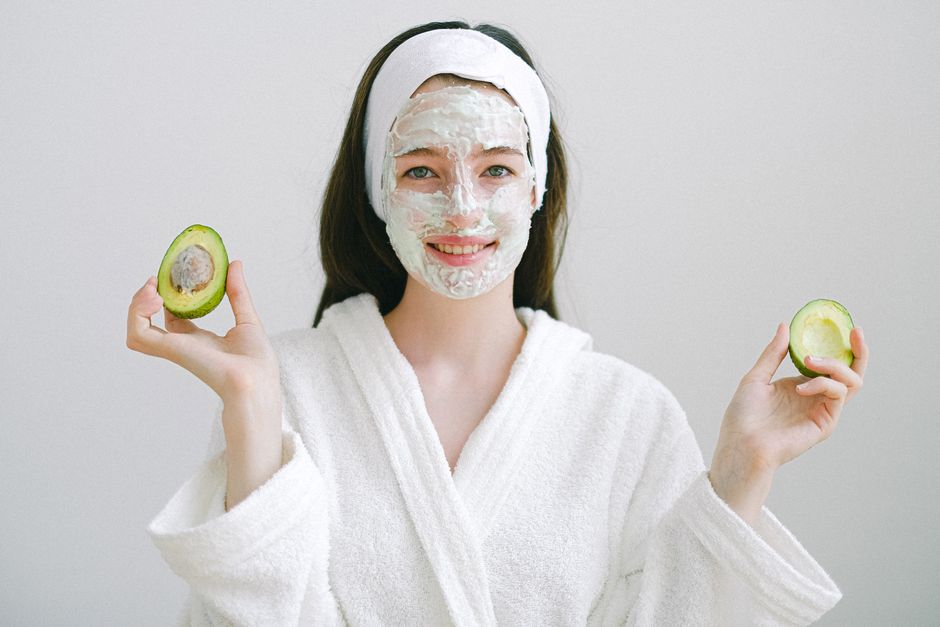
Most conversations about better skin center on what goes on your face: the right serum, the gentlest cleanser, the newest SPF formula. Those choices matter, but they only address part of the picture. If you want a complexion that looks genuinely healthy and resilient, the most meaningful changes often happen in your kitchen, your sleep schedule, and your daily stress habits.
This guide walks you through the evidence-informed nutrition patterns, hydration practices, lifestyle habits, and realistic routines that support skin health from inside out, without requiring extreme diets, expensive supplements, or an overwhelming overhaul of your life.

Why Skin Health Starts From Within
Your skin is your largest organ, and it reflects a lot of what is happening internally. Chronic inflammation, nutrient gaps, disrupted sleep, and elevated stress hormones can all show up on your face over time as dullness, breakouts, dryness, or uneven tone. Research published in journals focused on dermatology and nutrition consistently links dietary patterns and lifestyle factors to measurable differences in skin barrier function, hydration levels, and inflammatory markers.
This does not mean topical skincare is useless. It means combining what you put on your skin with what you give your body internally is where the real difference happens. For a broader overview of how food and hydration interact with complexion, see this companion guide on Skin Health From the Inside Out: Foods, Hydration, and Habits That Support a Clearer Complexion.

Nutrients That Actively Support Your Skin
Antioxidants: Your Internal Defense
Free radical damage, driven partly by UV exposure, pollution, and metabolic processes, degrades collagen and contributes to visible aging. Antioxidant-rich foods help counter this process by neutralizing unstable molecules before they cause cellular harm.
- Vitamin C plays a direct role in collagen synthesis. Good sources include bell peppers, strawberries, kiwi, broccoli, and citrus fruits.
- Vitamin E helps protect cell membranes from oxidative damage. Find it in sunflower seeds, almonds, and avocado.
- Beta-carotene (which converts to vitamin A) supports skin cell turnover. Sweet potatoes, carrots, and leafy greens are excellent options.
- Polyphenols in green tea, berries, and dark chocolate (in moderate amounts) have shown anti-inflammatory properties in research settings.
Healthy Fats for Skin Barrier Function
The outer layer of your skin relies on fats to stay hydrated and resilient. Omega-3 fatty acids, found in fatty fish (salmon, sardines, mackerel), walnuts, flaxseed, and chia seeds, may support the skin’s lipid barrier and reduce inflammatory skin responses. Research suggests that diets chronically low in healthy fats can contribute to a compromised barrier and increased sensitivity.
Protein and Collagen Building Blocks
Collagen, the structural protein that keeps skin firm and elastic, is assembled from amino acids. Getting adequate protein through eggs, legumes, poultry, fish, tofu, or Greek yogurt gives your body the raw materials to continually rebuild skin tissue. Pairing protein-rich meals with vitamin C sources improves the body’s ability to use those building blocks efficiently.
For ideas on building balanced, protein-forward meals that also taste good, check out High-Protein Breakfast Ideas for Steady Energy and Satiety.
Zinc and Selenium
Zinc supports wound healing, regulates oil production, and has anti-inflammatory effects that may benefit acne-prone skin. Good sources include pumpkin seeds, chickpeas, lentils, and beef. Selenium, found in Brazil nuts, eggs, and tuna, works alongside antioxidant enzymes to protect skin cells.

Hydration: More Than Just Drinking Water
Adequate hydration supports skin plumpness, elasticity, and the ability to flush waste through the kidneys rather than through skin. While drinking enough water is part of this picture, hydration also comes from water-rich foods: cucumber, watermelon, zucchini, celery, and soups.
Research does not support the idea that dramatically increasing water intake beyond your body’s needs will visibly transform your skin overnight. What it does suggest is that chronic mild dehydration contributes to dullness and reduced elasticity over time. Aim to drink consistently throughout the day rather than all at once, and limit beverages that actively dehydrate, such as excessive alcohol and high-caffeine drinks in large quantities.

How Sleep Affects Your Complexion
During deep sleep, your body enters repair mode. Skin cell regeneration accelerates, collagen production increases, and cortisol levels drop. Poor or insufficient sleep raises cortisol, which can trigger inflammation and potentially worsen conditions like acne and eczema.
You do not need a complex sleep routine to support skin health. The basics carry most of the benefit: consistent sleep and wake times, a dark and cool environment, limiting screens before bed. If blue light from devices is disrupting your wind-down, you may find practical strategies in this guide on Digital Wellness and Screen Time: Protecting Your Sleep, Focus, and Mental Health in a Connected World.
Most adults function best with seven to nine hours of sleep per night. Prioritizing that range consistently is one of the most underrated skin habits available.

Stress, Cortisol, and Your Skin
Chronic stress keeps cortisol elevated, which can increase sebum production, impair the skin’s barrier function, and heighten systemic inflammation. This connection helps explain why many people notice more breakouts or sensitivity during difficult periods in life.
Managing stress for skin health does not require meditation retreats or complicated wellness rituals. Short, consistent practices tend to work better than occasional grand efforts. Breathwork, walking, and brief mindfulness moments can all shift your nervous system toward a calmer state. For guidance on choosing between two popular approaches, see Breathwork vs. Meditation for Stress Relief: Which Practice Fits Your Life and Goals.
Even regular physical movement helps regulate cortisol and improve circulation, both of which contribute to a healthier-looking complexion.

Gut Health and Skin: The Connection Worth Knowing
Researchers have found consistent associations between gut microbiome diversity and skin conditions including acne, rosacea, and eczema. While the exact mechanisms are still being studied, a diet rich in fiber, fermented foods, and variety supports beneficial bacterial populations in the gut, which may in turn reduce inflammatory signals that reach the skin.
Foods that tend to support gut health include: plain yogurt with live cultures, kefir, kimchi, sauerkraut, oats, legumes, and a wide variety of vegetables and fruits. For a deeper look at how digestive health intersects with your overall wellness, visit Digestive Health and Whole-Person Wellness: What You Should Know About Gut Function.
Not everyone responds the same way to these foods, so gradual introduction and paying attention to your body’s signals is a sensible approach.

Habits That Work Against Skin Health
Knowing what to add matters, but recognizing what to reduce is equally useful:
- High-glycemic foods in excess: Research suggests diets heavy in rapidly digested sugars may worsen acne for some people by spiking insulin and increasing inflammation.
- Chronic alcohol consumption: Alcohol depletes hydration, disrupts sleep quality, and can impair nutrient absorption over time.
- Smoking: Smoking narrows blood vessels in the outer skin layers, reduces collagen production, and significantly accelerates visible aging. No nutrition habit fully compensates for this.
- Skipping SPF: UV damage is the leading cause of premature skin aging. Internal habits support resilience; SPF protects against daily damage.

How to Build a Practical Inside-Out Skin Routine
You do not need to change everything at once. Sustainable habits built gradually tend to stick. Here is a realistic starting point:
- Add one antioxidant-rich food to each meal this week. A handful of berries at breakfast, bell pepper strips at lunch, or leafy greens at dinner.
- Check your hydration patterns rather than counting cups. Drink before you feel thirsty, and include water-rich foods regularly.
- Protect sleep as a non-negotiable habit by setting a consistent bedtime, even on weekends.
- Choose one stress management practice and commit to five to ten minutes daily for two weeks before evaluating.
- Build in grocery habits that support variety: More colors, more fiber sources, and enough protein at each meal.
If building new grocery habits feels daunting, Grocery Shopping for Balanced Nutrition on a Budget offers practical strategies for stocking a nutrient-dense kitchen without waste or overspending.

Frequently Asked Questions
How long does it take to see skin improvements from dietary changes?
Skin cell turnover takes roughly four to six weeks, so noticeable changes from dietary shifts usually take at least that long. Hydration and reduced puffiness can improve more quickly, but structural changes in barrier function and texture need consistent effort over several months.
Do I need collagen supplements for better skin?
Some studies show hydrolyzed collagen peptides may improve skin elasticity and hydration, but the evidence is still emerging and supplement quality varies widely. Getting adequate protein and vitamin C from food first is a more established and cost-effective approach.
Can stress alone cause skin breakouts?
Stress does not directly cause acne, but elevated cortisol increases oil production and inflammation, which can worsen existing tendencies toward breakouts. Managing stress is one part of a broader skin-support picture.
Is dairy bad for skin?
For some people, particularly those with acne-prone skin, research suggests a possible association between high dairy intake and breakouts. This is not universal. Paying attention to your own patterns and consulting a dermatologist is more useful than eliminating dairy for everyone.
What is the single most impactful inside-out skin habit?
Consistent sleep is probably the most undervalued. It affects cortisol, inflammation, cell repair, and hydration regulation all at once, and it costs nothing.
This article is for general educational and informational purposes only and is not a substitute for medical advice, diagnosis, or treatment. Health needs vary by individual. Consult a qualified healthcare professional before making significant changes to your diet, exercise routine, supplements, medication, or treatment plan, especially if you have a medical condition, are pregnant or breastfeeding, take medication, or have concerns about your symptoms.
Your Next Step
Choose one habit from this guide and practice it consistently for the next two weeks. Small, repeatable actions build the foundation for real change far more reliably than short-term overhauls. If you want support building sustainable healthy habits across multiple areas of your life, explore How Three Readers Built Sustainable Healthy Habits Without Perfectionism for honest, practical inspiration. You can also join the Clean Body Mentor newsletter for weekly evidence-informed wellness guidance delivered straight to your inbox.