


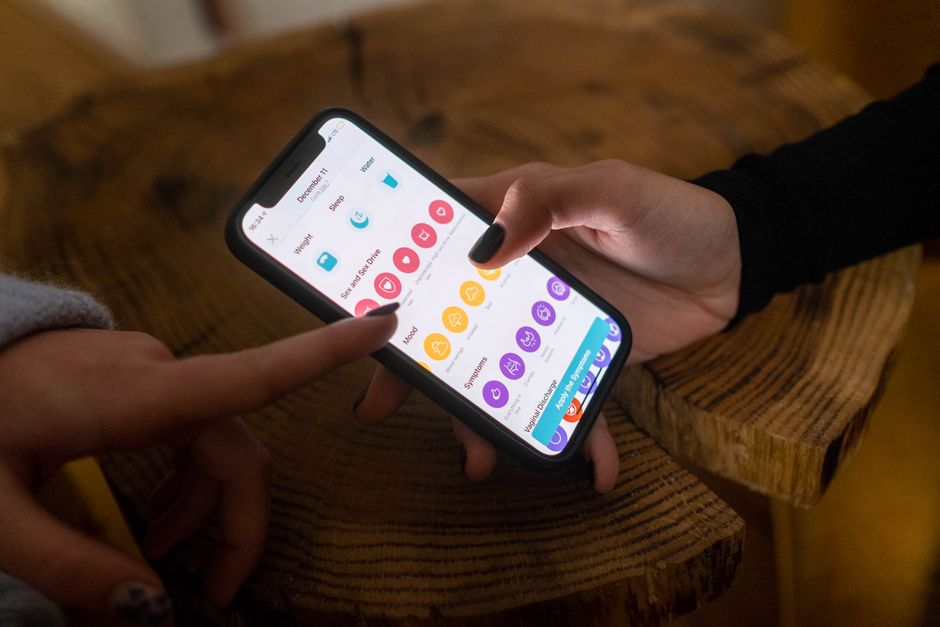
Your phone lights up before your alarm does. By the time you sit down for breakfast, you’ve already scrolled through a dozen notifications, half of a news feed, and at least one thread that left you mildly anxious. Sound familiar?
Constant connectivity is one of the defining challenges of modern life, and its effects on your health run deeper than most people realize. Research suggests that heavy, unstructured screen time is linked to disrupted sleep, reduced attention span, increased stress, and lower mood, yet most wellness conversations still treat it as a secondary concern rather than a genuine health habit worth managing.
This article is here to change that framing. You do not have to abandon your devices or feel guilty every time you check Instagram. What you can do is make more intentional choices about when, how, and why you interact with screens so that technology supports your wellbeing instead of quietly draining it.
Below you will find 11 evidence-informed strategies, organized so you can pick up one or two at a time and build from there. Progress, not perfection, is the whole point.

Quick Takeaways Before You Dive In
- Blue-light exposure from screens in the evening suppresses melatonin and delays sleep onset.
- Notification overload fragments attention and raises cortisol, your body’s primary stress hormone.
- Social media comparison is associated with lower self-esteem and heightened anxiety, particularly in young adults.
- Simple boundary-setting, not digital abstinence, is what research tends to support.
- Small, consistent changes to your screen habits can meaningfully improve your sleep, focus, and emotional health.
Why Digital Wellness Deserves a Spot in Your Health Routine
Whole-person wellness covers your body, mind, relationships, food choices, and daily habits. Screens touch nearly every one of those areas. The average adult in the United States spends more than seven hours per day looking at screens, according to data from the American Optometric Association and various consumer research firms. That number includes work, leisure, and everything in between.
Your nervous system was not built for this level of constant stimulation. Every notification triggers a small dopamine spike, which feels rewarding in the moment but trains your brain to crave frequent interruptions. Over weeks and months, that pattern reshapes your ability to focus, your baseline stress level, and even your sleep architecture.
And it is not just your mind. Prolonged screen use means prolonged sitting, which compounds the physical consequences of a sedentary lifestyle. If you are already working toward stretching and mobility routines to counteract desk work or exploring a sustainable walking plan, addressing your screen habits is the missing piece that completes the picture.
11 Practical Strategies for Better Digital Wellness
1. Audit Your Actual Screen Time First
Before you change anything, get an honest look at your current usage. Both iOS Screen Time and Android Digital Wellbeing show your daily averages broken down by app category. Most people are surprised: what feels like a twenty-minute social media check often turns into ninety minutes.
Spend one week tracking without judging. Note which apps you visit most, which hours you use your phone most, and how you feel afterward. That self-awareness is the foundation every other strategy builds on.
2. Protect the First 30 Minutes of Your Morning
Checking your phone within minutes of waking puts your nervous system immediately into reactive mode. You shift from a restful, internally focused state into processing other people’s priorities, breaking news, and algorithmic content designed to hold your attention.
Research on cortisol rhythms suggests your stress hormone naturally peaks shortly after waking, a pattern called the cortisol awakening response. Loading that window with stimulating content amplifies stress before the day has even started.
Try this instead: keep your phone in another room overnight (or face-down and silenced), and spend your first 30 minutes on something that anchors you, whether that is a short walk, stretching, a nutritious breakfast, or simply sitting quietly with coffee. You might also explore eating for stable energy in the morning as part of your screen-free start.
3. Create a Wind-Down Window Free of Screens
Blue-wavelength light emitted by phones, tablets, and laptops signals your brain that it is still daytime by suppressing melatonin, the hormone that initiates sleep. Studies published in peer-reviewed sleep journals consistently show that evening screen exposure delays sleep onset and reduces slow-wave (deep) sleep, even when you use night-mode or blue-light filters, which reduce but do not eliminate the effect.
Aim to power down screens at least 60 to 90 minutes before your intended sleep time. During that window, consider reading physical books, light stretching, journaling, or a calming conversation. This single habit often produces noticeable improvements in sleep quality within a week or two.
4. Batch Your Notifications Instead of Responding in Real Time
Each notification pulls your attention away from whatever you were doing and takes an average of 23 minutes to fully regain focus on a complex task, according to research from the University of California, Irvine. Over a workday, that adds up to hours of lost productive time and significant cognitive fatigue.
Batching is a simple fix. Turn off non-essential push notifications entirely and designate two or three specific times each day to check messages and emails. Most things genuinely do not require an immediate response, and the people in your life adapt quickly once you communicate your approach.
5. Use the “One Screen at a Time” Rule
Multitasking across screens, such as watching TV while scrolling your phone, is something your brain cannot actually do simultaneously. What it does instead is rapid task-switching, which is cognitively expensive and leaves both activities half-attended.
Commit to one screen per activity. When you watch something, watch it. When you work, close social apps. When you eat, put the phone away. This small shift improves both the quality of your leisure and the efficiency of your work, and it creates space for genuinely restorative downtime.
6. Set App Limits That Align With Your Values
Most devices let you set daily time limits on specific apps. Rather than using these as punishments, think of them as gentle commitments aligned with what you actually care about. If you value sleep but spend 90 minutes on social media after 9 PM, a limit helps you act in line with your intention.
Start with one app and one reasonable limit, perhaps 30 minutes on social media per day. When the limit appears, pause before overriding it and ask yourself whether continuing serves you right now. Over time, this builds the habit of conscious engagement instead of automatic scrolling.
7. Designate Screen-Free Zones and Times in Your Home
Physical boundaries support digital boundaries. Research on family wellbeing suggests that phones at the dinner table reduce conversation quality and connection, even when they are just sitting there unused.
Consider making the bedroom, dining table, and at least one living area screen-free zones. If you have children, leading by example matters significantly. Families that build these norms together tend to report stronger connection and better collective sleep habits. This type of intentional habit-building fits naturally alongside the broader work described in how real readers built sustainable healthy habits without perfectionism.
8. Manage Social Media Comparison With Intention
Social media platforms are designed to surface content that provokes strong emotions, including envy, outrage, and social anxiety, because emotional content generates more engagement. Research consistently links high social media use with lower self-esteem and higher anxiety, particularly when use is passive (scrolling without interacting).
You do not have to quit social media to protect your emotional health. Instead, curate intentionally: unfollow accounts that regularly leave you feeling inadequate, mute topics that trigger unnecessary worry, and limit passive scrolling by using the app for a specific purpose (posting, messaging a friend) rather than browsing indefinitely.
If you notice social media use is connected to emotional eating or stress responses, that connection is worth exploring. Understanding the difference between emotional eating and physical hunger can help you untangle which needs you are actually trying to meet.
9. Build in Regular Screen Breaks During Work Hours
Even if your job requires extended screen time, your brain benefits from regular breaks. The Pomodoro Technique (25 minutes of focused work followed by a 5-minute break) and similar interval-based methods are supported by research on sustained attention and cognitive performance.
During breaks, look away from all screens. Step outside, do a few stretches, drink water, or simply let your eyes rest on something in the distance. These micro-recoveries reduce eye strain, ease neck and shoulder tension, and allow your prefrontal cortex, the part of your brain responsible for decision-making and self-regulation, to partially replenish.
10. Protect Your Relationships From Screen Interference
Phubbing (phone-snubbing, or using your device during face-to-face interactions) is reliably associated with lower relationship satisfaction and reduced feelings of connection. This applies to romantic partners, friendships, and parent-child relationships.
Make a practice of putting your phone away or face-down during conversations, meals, and activities with people you care about. Even brief, consistent moments of undivided attention accumulate into a stronger sense of connection over time. Relationships, it turns out, are one of the most protective factors for long-term mental and physical health.
11. Replace Mindless Scrolling With Intentional Offline Activities
Much of excessive screen use is not really about screens; it is about filling time, managing boredom, or avoiding uncomfortable feelings. Scrolling is simply the path of least resistance.
Building a repertoire of satisfying offline activities makes it easier to choose them. That might include short home workouts like beginner strength training at home, meal prep sessions, reading, journaling, creative hobbies, or time in nature. The goal is not to fill every moment but to give your mind genuinely restorative alternatives to the scroll.

Common Mistakes People Make When Trying to Reduce Screen Time
Going cold turkey. Eliminating all screens overnight is both unrealistic and unnecessary. Sudden digital abstinence often backfires with stronger cravings. Gradual, sustainable changes work better.
Blaming willpower. Apps and platforms are designed by teams of engineers whose job is to maximize your time-on-app. Struggling to put down your phone is not a character flaw; it is a predictable response to sophisticated design. Systems and environment changes beat willpower almost every time.
Ignoring work screens. Many people focus only on leisure screen time while their work screen use goes unexamined. Both matter. Strategies like notification batching and scheduled breaks apply equally to your work devices.
Treating all screen time the same. A video call with a friend, a focused reading session on a tablet, and an hour of anxious news scrolling have very different effects on your mental wellbeing. Context and intention matter more than raw hours.
Expecting overnight results. Sleep improvements from reduced evening screens often take a week or two to appear. Attention improvements may take longer. Be patient and consistent rather than looking for immediate transformation.

Frequently Asked Questions
Q: Does blue-light blocking glasses actually help with sleep?
A: The evidence is mixed. Some studies show modest benefits for people who use them consistently before bed, but they do not fully compensate for the mental stimulation of engaging with content. Reducing screen use in the evening is still more reliably effective than glasses alone.
Q: How much screen time is too much?
A: There is no single number that applies to everyone. Research suggests that two or more hours of recreational screen time per day is associated with poorer mental health outcomes in adults, but the quality, timing, and type of screen use matter as much as quantity. A video call with family is very different from passive scrolling.
Q: Can kids follow the same strategies as adults?
A: Children and teenagers are more sensitive to screen effects than adults, particularly regarding sleep and social comparison. The American Academy of Pediatrics offers age-specific guidance. Involving kids in setting family screen rules, rather than imposing them unilaterally, tends to improve cooperation and understanding.
Q: What if my job requires long hours at a screen? Is my health just at risk?
A: Extended occupational screen time does carry risks, but those risks can be meaningfully reduced. Proper monitor positioning, regular breaks, notification management, strong wind-down routines in the evening, and physical movement throughout the day all make a real difference. You have more agency than you might think.
Q: Will reducing screen time help with anxiety?
A: Research suggests that reducing passive social media use in particular can lower anxiety and improve mood relatively quickly, sometimes within a week or two. If your anxiety is significant, persistent, or interfering with daily life, please speak with a licensed mental-health professional rather than relying solely on lifestyle adjustments.

A Note on When to Seek Professional Support
Digital wellness strategies are excellent preventive tools, but they are not treatments for clinical conditions. If you are experiencing persistent sleep difficulties, significant anxiety or depression, or what feels like an inability to control your technology use despite genuinely wanting to change, please reach out to a qualified healthcare professional or licensed mental-health professional. These are real health concerns that deserve real support.
Similarly, if you are managing an existing health condition, are pregnant, or take medications, consult your care team before making significant lifestyle changes.

Your Next Step
You do not need to overhaul your entire digital life today. Choose one strategy from this list, the one that feels most relevant to your current challenge, and practice it consistently for two weeks before adding another. Consistent small changes are how sustainable habits form.
If you found this guide useful, the Clean Body Mentor newsletter delivers practical weekly wellness guidance across sleep, nutrition, movement, and mental well-being, all in the same supportive, realistic voice you found here.
This article is for general educational and informational purposes only and is not a substitute for medical advice, diagnosis, or treatment. Health needs vary by individual. Consult a qualified healthcare professional before making significant changes to your diet, exercise routine, supplements, medication, or treatment plan, especially if you have a medical condition, are pregnant or breastfeeding, take medication, or have concerns about your symptoms.