

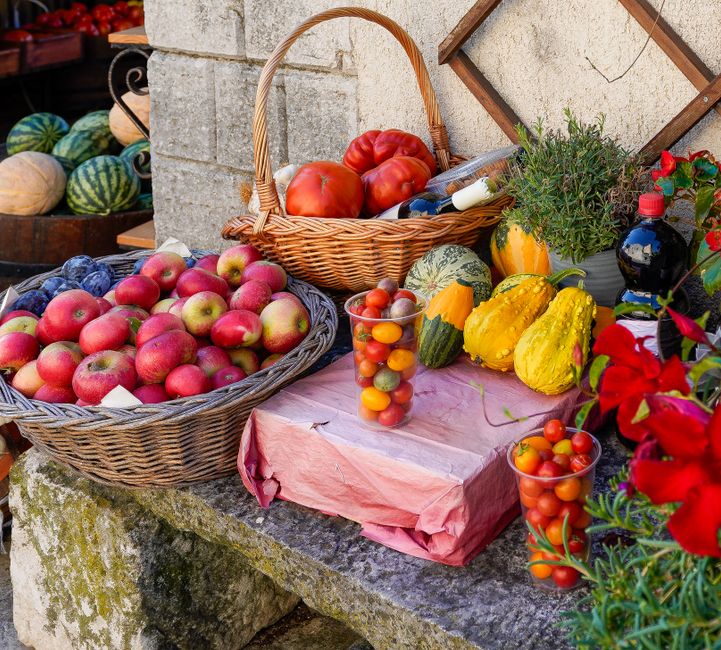
Your body does not experience every month the same way, so it makes sense that your plate might not need to either. As temperatures shift, daylight changes, and activity patterns evolve, your nutritional needs shift too. Seasonal eating for health is not about rigid rules or expensive specialty groceries. It is about paying attention to what is fresh, abundant, and naturally aligned with what your body tends to need most at different times of year.
This guide walks you through the core idea behind seasonal eating, what the research suggests about timing and nutrient density, and specific foods to prioritize in each season. You will also find simple meal ideas to make it practical, not overwhelming.
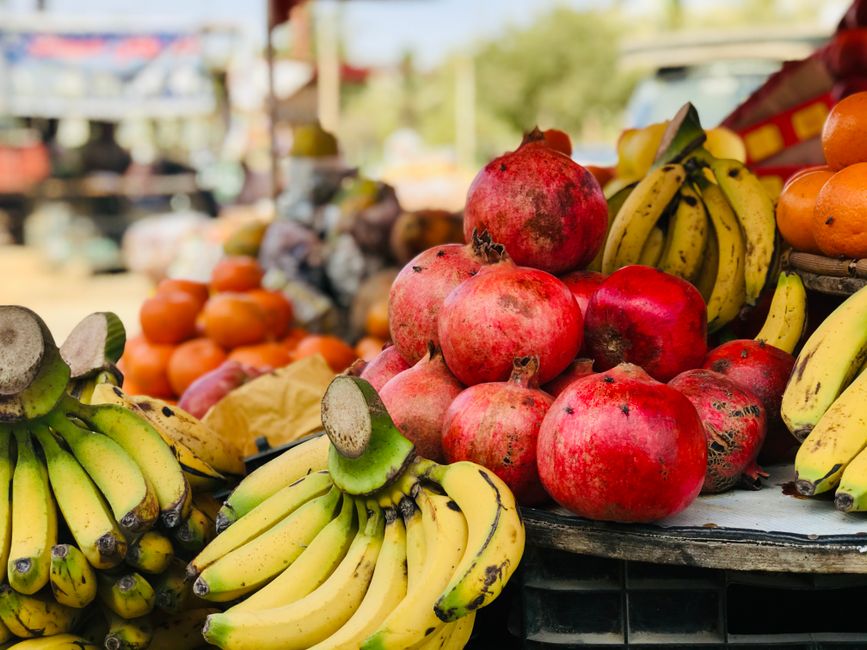
Why Seasonal Eating for Health Actually Matters
Produce picked at peak ripeness and sold close to where it was grown tends to retain more of its vitamins, minerals, and antioxidants than produce that travels long distances and sits in cold storage for weeks. Research suggests that the time between harvest and consumption can meaningfully affect nutrient content, particularly for water-soluble vitamins like vitamin C and folate.
Beyond nutrient density, there are a few other reasons seasonal eating connects well to whole-person wellness:
- Cost. Produce that is in season is usually less expensive because supply is high and transportation is minimal.
- Variety. Rotating what you eat across the year naturally broadens the range of nutrients, fiber types, and plant compounds you consume.
- Gut health. A diverse plant-based diet supports a more resilient gut microbiome, which research links to immune function, mood regulation, and digestion. You can read more about how gut function connects to overall wellness in Digestive Health and Whole-Person Wellness: What You Should Know About Gut Function.
- Mindful connection. Noticing what grows in your climate and when can build a more intuitive, curious relationship with food. If that idea resonates, Mindful Eating Without Restriction: How to Build a Calmer, More Intuitive Relationship with Food is worth a read.
None of this means you must buy only local or only seasonal produce at all times. Frozen vegetables, for instance, are often harvested and frozen at peak ripeness, making them an excellent and affordable alternative year-round.
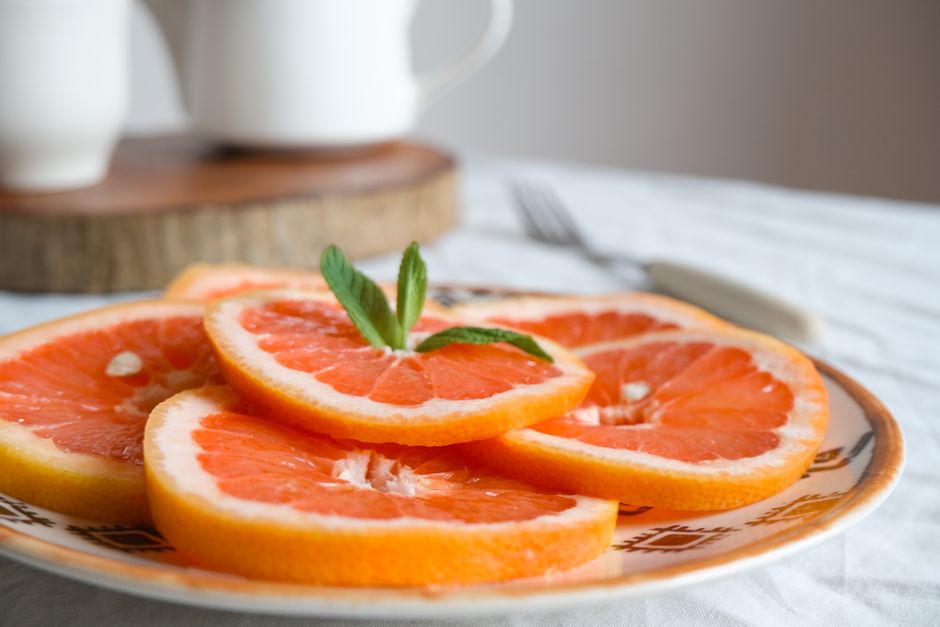
Spring: Refresh Your Plate After a Long Winter
Spring produce tends to be bright, tender, and rich in nutrients that your body may have gotten less of during the colder months.
What to Buy in Spring
- Asparagus – a good source of folate, vitamin K, and prebiotic fiber
- Peas and snap peas – offer plant-based protein along with vitamins C and A
- Spinach and arugula – leafy greens with iron, magnesium, and antioxidants
- Radishes – low-calorie, high-water, and a source of vitamin C
- Strawberries – rich in vitamin C and polyphenols that research associates with immune and cardiovascular support
- Artichokes – high in prebiotic fiber and antioxidants
Simple Spring Meal Ideas
- Asparagus and egg frittata with a side of arugula and lemon
- Snap pea and radish grain bowl with a tahini drizzle
- Strawberry spinach smoothie with Greek yogurt for extra protein
Spring is a natural time to rebuild energy and momentum. If you are looking for a practical structure to make the most of fresh produce without spending hours in the kitchen, Meal Prep for Beginners: Simple Systems to Save Time and Build Healthier Eating Habits offers an approachable starting point.
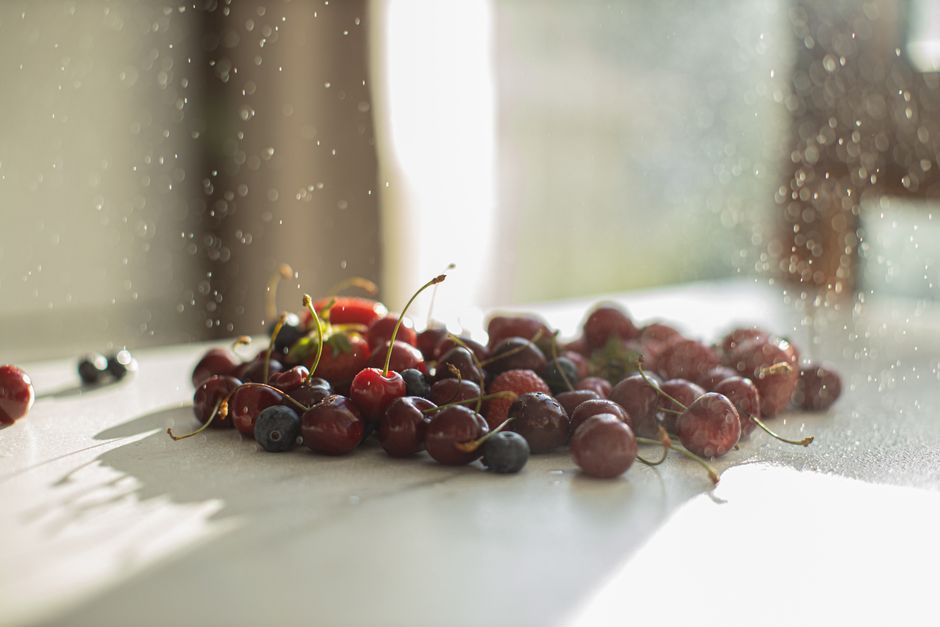
Summer: Lean Into Hydrating, Antioxidant-Rich Foods
The heat of summer calls for foods that support hydration, protect against oxidative stress from sun exposure, and fuel an active lifestyle without weighing you down.
What to Buy in Summer
- Tomatoes – high in lycopene, a carotenoid antioxidant associated with skin and cardiovascular health
- Zucchini and cucumbers – high water content for hydration, easy to digest
- Berries (blueberries, blackberries, raspberries) – antioxidant-dense and linked in research to cognitive and immune health
- Bell peppers – one of the highest vegetable sources of vitamin C
- Corn – provides lutein and zeaxanthin, which support eye health
- Peaches and watermelon – hydrating, with natural sugars and vitamins that make them great whole-food energy sources
- Basil and fresh herbs – add flavor along with small amounts of anti-inflammatory plant compounds
Simple Summer Meal Ideas
- Blended berry smoothie bowl with hemp seeds and sliced peaches
- Tomato, cucumber, and white bean salad with fresh basil
- Grilled zucchini with herbed yogurt dip alongside grilled chicken or chickpeas
If you enjoy smoothies and want to think through which format works best for your goals, Smoothie Bowls vs. Blended Smoothies: Which Is Better for Your Goals and Lifestyle breaks down the practical differences.
For skin-supportive nutrition, summer’s antioxidant-rich produce pairs well with the habits covered in Skin Health From the Inside Out: Foods, Hydration, and Habits That Support a Clearer Complexion.
Fall: Build Immune Reserves With Warming, Nutrient-Dense Foods
Fall is arguably the most strategic season for seasonal eating for health. As cold and flu season approaches, your immune system benefits from a steady supply of vitamins A, C, and D, zinc, and prebiotic fiber, all of which appear in fall’s signature produce.
What to Buy in Fall
- Winter squash (butternut, acorn, delicata) – rich in beta-carotene (which converts to vitamin A), fiber, and potassium
- Sweet potatoes – an excellent whole-food source of vitamin A, B vitamins, and complex carbohydrates for sustained energy
- Apples and pears – fiber-rich and versatile; their polyphenols may support gut microbiome diversity
- Brussels sprouts – high in vitamins C and K and glucosinolates, plant compounds studied for their antioxidant properties
- Beets – support nitric oxide production, which research links to circulation and exercise performance
- Mushrooms – a rare food source of vitamin D and compounds that research suggests may have immune-modulating effects
Simple Fall Meal Ideas
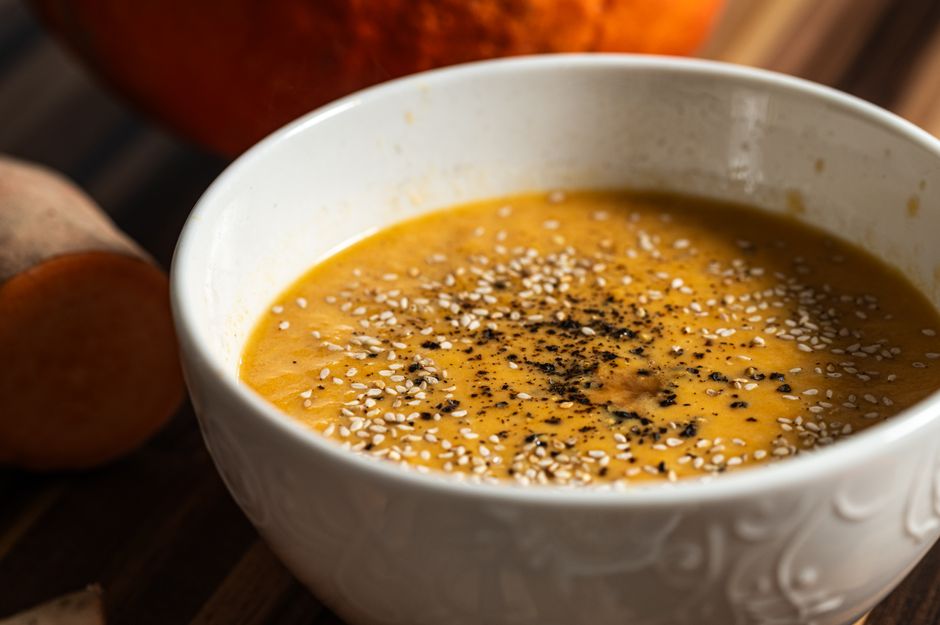
- Roasted butternut squash soup with ginger and coconut milk
- Baked sweet potato topped with black beans, Greek yogurt, and salsa
- Shredded Brussels sprouts sauteed with apple slices, walnuts, and a balsamic glaze
Fall is also when sunlight exposure drops significantly in many climates, which can affect vitamin D levels and, in turn, energy and immune function. Vitamin D and Energy Levels: What the Research Shows About Sunlight, Supplements, and Seasonal Wellness is a helpful companion read for this transition.
Winter: Focus on Warmth, Stability, and Immune Resilience
Winter produce is heartier and less colorful at first glance, but root vegetables, citrus, and cruciferous greens offer an impressive nutritional profile. The goal in winter is steady energy, immune resilience, and enough warmth and satisfaction in your meals to avoid relying heavily on ultra-processed comfort foods.
What to Buy in Winter
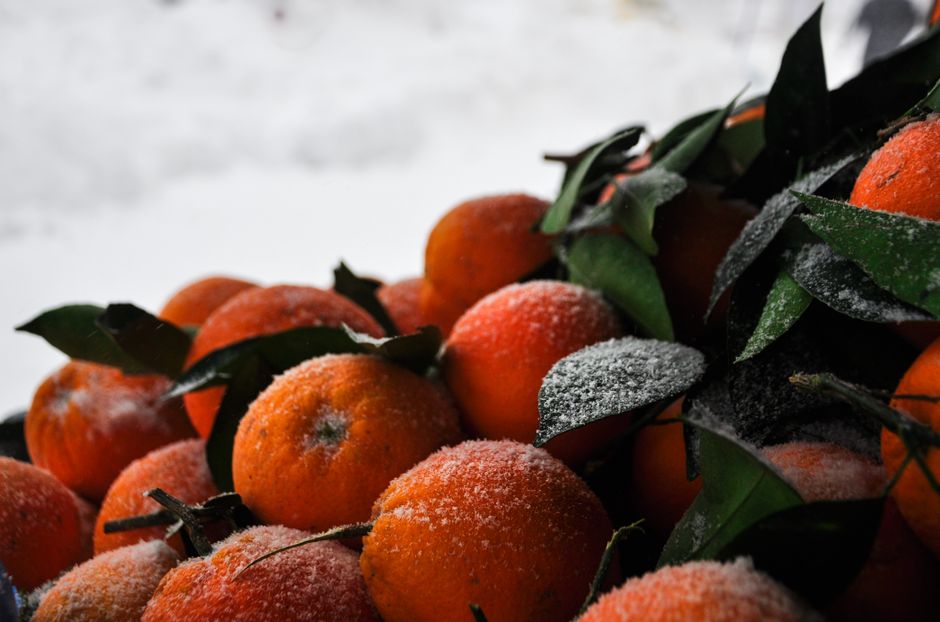
- Citrus fruits (oranges, grapefruit, clementines, lemons) – packed with vitamin C, which supports immune defense and iron absorption
- Kale and dark leafy greens – winter-hardy and high in vitamins K, A, and C along with calcium
- Parsnips and turnips – underused root vegetables with fiber, potassium, and a satisfying starchy texture
- Pomegranate – rich in polyphenols; research suggests benefits for inflammation and cardiovascular health
- Cabbage – affordable, versatile, high in vitamin C and gut-supporting fiber
- Dried legumes (lentils, chickpeas, black beans) – shelf-stable, high-protein, and high-fiber; not strictly seasonal but a winter pantry staple
Simple Winter Meal Ideas
- Lentil soup with kale, cumin, and a squeeze of lemon
- Citrus-dressed kale salad with pomegranate seeds and toasted walnuts
- Roasted root vegetable sheet pan dinner with tahini sauce
High-protein, warming meals are especially helpful in winter for maintaining energy and satiety. For ideas that pair well with seasonal produce, Eating for Stable Energy: Nutrient Combinations That Keep You Full and Focused All Day is a practical resource.
Making Seasonal Eating Practical Without Perfection
The biggest barrier to eating seasonally is often the assumption that it requires special stores, large budgets, or completely overhauling how you grocery shop. It does not.
Here are a few grounded strategies:
- Check what is on sale. Grocery store sales often mirror what is locally in season. Produce that is abundant and affordable is frequently what is fresh.
- Visit a farmers market when you can, but do not make it a requirement. Regular grocery stores carry plenty of seasonal produce.
- Frozen counts. Frozen peas, berries, corn, and spinach are harvested at peak nutrition and are excellent affordable options year-round.
- Plan one seasonal recipe per week. You do not need to overhaul your diet. Trying one new recipe per week using what is in season is more than enough to gradually shift your eating patterns.
- Keep a simple seasonal pantry. Whole grains, legumes, olive oil, and quality spices let you adapt quickly to whatever fresh produce is available.
For guidance on stocking a nutritious kitchen without overspending, Grocery Shopping for Balanced Nutrition on a Budget: Practical Strategies to Buy Whole Foods Without Waste offers step-by-step advice.
Common Mistakes to Avoid
- Thinking seasonal eating is all or nothing. Eating one seasonal vegetable is better than zero. Flexibility keeps sustainable habits alive.
- Ignoring frozen and canned options. Canned tomatoes in winter or frozen berries in spring are smart, not compromises.
- Buying seasonal produce you do not know how to use. If you are unfamiliar with a vegetable, look up one simple preparation before buying a large amount.
- Neglecting protein and healthy fats. Seasonal produce is the star, but it works best alongside adequate protein and fat to support satiety, blood sugar balance, and nutrient absorption. Fat-soluble vitamins like A, D, E, and K require dietary fat to be absorbed properly.
- Assuming seasonal eating must be expensive or time-consuming. Root vegetables, cabbage, lentils, and frozen produce are among the most affordable foods available in any season.
Frequently Asked Questions
Q: Is seasonal eating for health backed by science?
A: Research suggests that produce harvested at peak ripeness and consumed closer to that point retains more nutrients, particularly water-soluble vitamins. The broader benefits of dietary variety and plant diversity are well-supported. However, seasonal eating is one part of a healthy overall pattern, not a standalone cure or requirement.
Q: What if fresh seasonal produce is not available where I live?
A: Frozen vegetables and fruits are excellent alternatives. They are typically frozen shortly after harvest at peak nutritional quality. Canned options (with minimal added sodium or sugar) are another practical substitute.
Q: Can seasonal eating support weight management?
A: Eating more whole, fiber-rich, nutrient-dense foods, which is naturally encouraged by seasonal eating, can support a healthy body weight as part of a balanced approach. It is not a weight-loss strategy on its own, but it complements one well.
Q: Do I need to shop at a farmers market for seasonal eating to work?
A: No. Most grocery stores carry seasonal produce, and items on sale often reflect what is abundant locally. Farmers markets are a wonderful option when available, but they are not required.
Q: How do I know what is actually in season in my area?
A: Seasonal produce varies by climate and geography. Many regional agricultural extension programs publish free seasonal guides for their area. Checking what is locally grown and affordable at your nearest store is a practical shortcut.
A Realistic Next Step
You do not need to reinvent your kitchen or memorize every seasonal chart to benefit from eating more in tune with the seasons. Start with one small, concrete action: next time you grocery shop, choose one produce item you have not cooked with recently and look up a simple recipe that highlights it.
If you want to continue building practical, sustainable eating habits, explore more at Clean Body Mentor. You might also enjoy subscribing to the weekly newsletter for gentle, evidence-informed wellness guidance delivered straight to your inbox.
This article is for general educational and informational purposes only and is not a substitute for medical advice, diagnosis, or treatment. Health needs vary by individual. Consult a qualified healthcare professional before making significant changes to your diet, exercise routine, supplements, medication, or treatment plan, especially if you have a medical condition, are pregnant or breastfeeding, take medication, or have concerns about your symptoms.