
Most hydration advice focuses on total daily intake, usually somewhere around eight cups or the popular “drink more water” reminder. That part matters, but when you drink water relative to your meals is a detail that gets far less attention, even though it has a real effect on how comfortably you digest food and how efficiently your body absorbs what you eat.
This guide walks through what the evidence says about hydration timing and digestion, gives you a practical pattern to try, and helps you adapt it to your actual schedule without turning it into another stressful rule.

Why Fluid Timing Around Meals Actually Matters
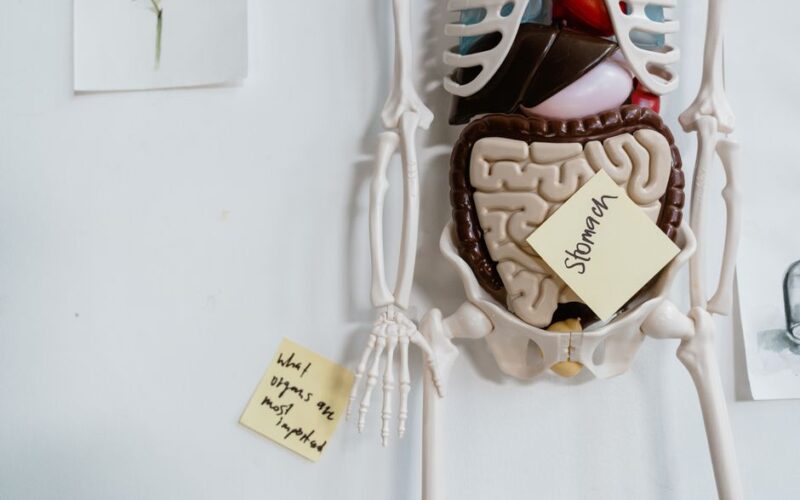
Your digestive system relies on water at every stage. Saliva, stomach acid, bile, and the enzymes produced by your pancreas all require adequate hydration to function at their best. According to the National Institute of Diabetes and Digestive and Kidney Diseases (NIDDK), the digestive process begins the moment food enters your mouth, and fluids play a role from saliva formation through nutrient transport in the small intestine.
The concern you may have heard, that drinking water with meals “dilutes” digestive juices and impairs absorption, is largely overstated. Your stomach regulates its acid concentration dynamically, so moderate fluid intake during a meal does not meaningfully reduce digestive efficiency for most people. What does matter is the volume and timing of large fluid amounts, which can briefly expand stomach capacity and influence gastric emptying rate.
For a deeper look at how digestive enzymes interact with nutrient absorption, the guide on Digestive Enzymes and Nutrient Absorption: What Research Actually Shows and When They Help covers that topic in detail.

Before Your Meal: 20 to 30 Minutes Out
Drinking 1 to 2 cups of water roughly 20 to 30 minutes before a meal may support digestion in a couple of practical ways:
- It primes your digestive system. Adequate hydration helps stimulate saliva and supports the stomach lining ahead of incoming food.
- It can help with portion awareness. Research published in the journal Obesity (2015) found that adults who drank water before meals consumed fewer calories at that meal and lost more weight over a 12-week period than those who did not, suggesting that pre-meal water can influence hunger signals without restricting what you eat.
- It separates hydration from eating, which is useful if you tend to drink very large amounts with food and feel bloated afterward.
This is a low-effort habit that fits naturally before breakfast, lunch, or dinner. You do not need to time it exactly, but giving yourself a small window before sitting down to eat is a reasonable goal.
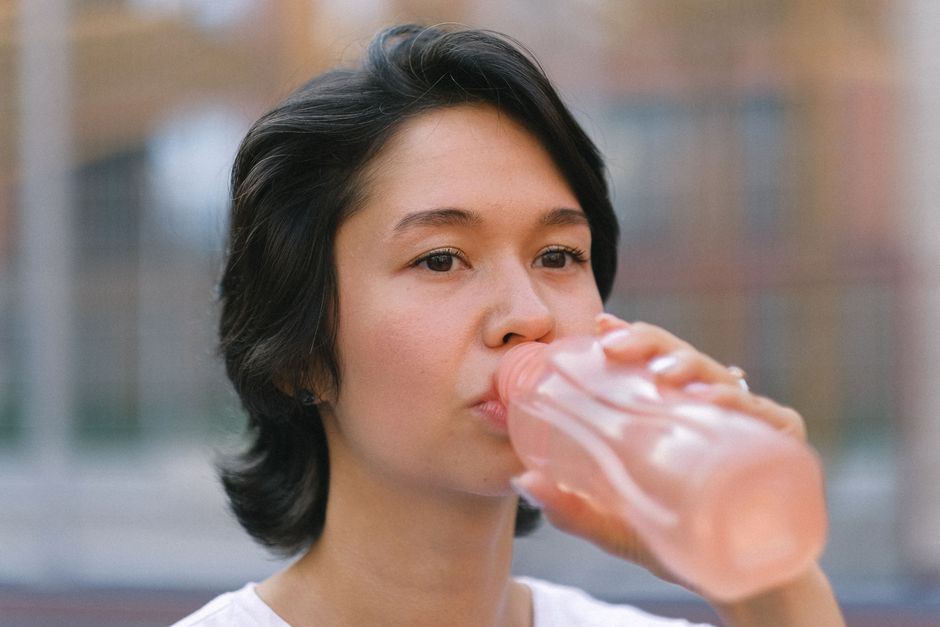
During Your Meal: Small Sips, Not Restriction
There is no strong evidence that drinking moderate amounts of water with food harms digestion in healthy adults. The idea that you should avoid water entirely during meals is not well supported. In practice, sipping water during a meal:
- Helps soften and move food through the esophagus more comfortably
- Supports breakdown of dry or dense foods like grains and legumes
- Can slow eating pace slightly, which supports mindful eating
The practical guidance here is to avoid drinking very large volumes quickly during meals, not because of enzyme dilution, but because gulping large amounts of any liquid can increase gas and bloating by introducing extra air.
Small, comfortable sips throughout the meal, perhaps half a cup to one cup total, work well for most people. If you notice consistent bloating after meals, experimenting with slightly less fluid during eating (and more before and after) is worth trying.
For more on how food order and timing interact with digestive comfort, see Digestive Comfort and Meal Timing: How to Eat for Better Digestion and Sustained Energy.
After Your Meal: Supporting Absorption and Motility
The 30 to 60 minutes following a meal are when your small intestine does much of its nutrient absorption work. Staying hydrated during this window supports:
- Water-soluble vitamin absorption. B vitamins and vitamin C are transported in water, and adequate fluid in the intestinal environment helps facilitate their uptake.
- Digestive motility. Water helps keep the contents of your digestive tract moving at a healthy pace, reducing the risk of constipation. The NIDDK notes that inadequate fluid intake is one of the most common contributors to constipation.
- Kidney function. After a meal, your kidneys begin filtering nutrients and waste from the blood. Staying hydrated supports this process.
Aiming for another 1 to 2 cups of water in the hour after eating is a reasonable, flexible target. You do not need to rush it. Spreading that intake over the hour feels more natural and avoids discomfort.
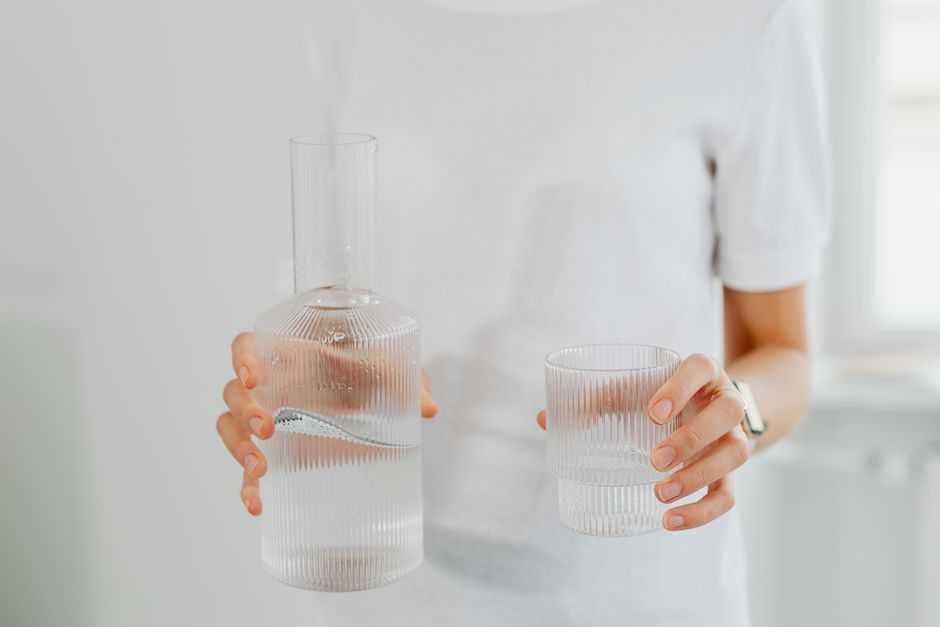
A Simple Daily Pattern to Try
Here is a practical hydration schedule you can adapt to your meal timing:
| Timing | Suggested Fluid Intake |
|---|---|
| Wake up | 1 to 2 cups before anything else |
| 20 to 30 min before breakfast | 1 cup |
| During breakfast | Small sips, about half a cup |
| Between breakfast and lunch | 2 to 3 cups spread over a few hours |
| 20 to 30 min before lunch | 1 cup |
| During lunch | Small sips, about half a cup |
| 30 to 60 min after lunch | 1 cup |
| Between lunch and dinner | 2 cups |
| 20 to 30 min before dinner | 1 cup |
| During dinner | Small sips |
| Evening (before sleep) | Half a cup to 1 cup if thirsty |
This rough pattern keeps hydration woven into your eating schedule rather than treated as a separate task. Total intake will vary by body size, activity level, climate, and individual needs. The U.S. National Academies of Sciences, Engineering, and Medicine suggests general adequate intake of about 3.7 liters (125 oz) daily for men and 2.7 liters (91 oz) for women from all fluids and foods combined, though these figures are population averages rather than prescriptions.
For more context on what the research says about daily water needs, Hydration Myths vs. Facts: How Much Water You Really Need and When It Actually Matters is a helpful starting point.
Adjusting for Your Individual Needs
Hydration timing is not one-size-fits-all. A few situations worth noting:
- Acid reflux or GERD: Some people find that drinking large amounts of any liquid near meals worsens reflux symptoms. Spreading fluid intake further from eating windows may help. Consult a qualified healthcare professional for personalized guidance.
- High-fiber meals: Fiber absorbs water, so meals rich in vegetables, legumes, or whole grains benefit from slightly higher fluid intake around them to support comfortable digestion.
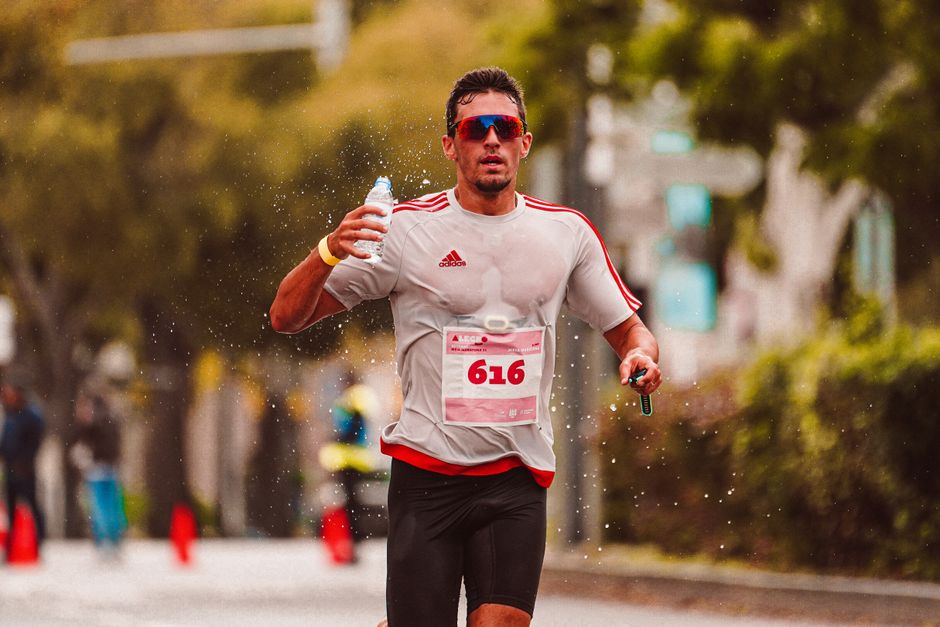
- Exercise near meals: If you work out close to eating, you may need to account for sweat loss in your hydration plan. The guide on Should You Eat Before or After Your Morning Workout? addresses the timing overlap between food and activity.
- Older adults: The sensation of thirst becomes less reliable with age, making intentional hydration timing especially useful.
Hydration also connects to mental clarity and mood. If you want to explore that angle, Hydration for Energy and Mood: Why Water Timing Matters More Than You Think covers the broader picture.
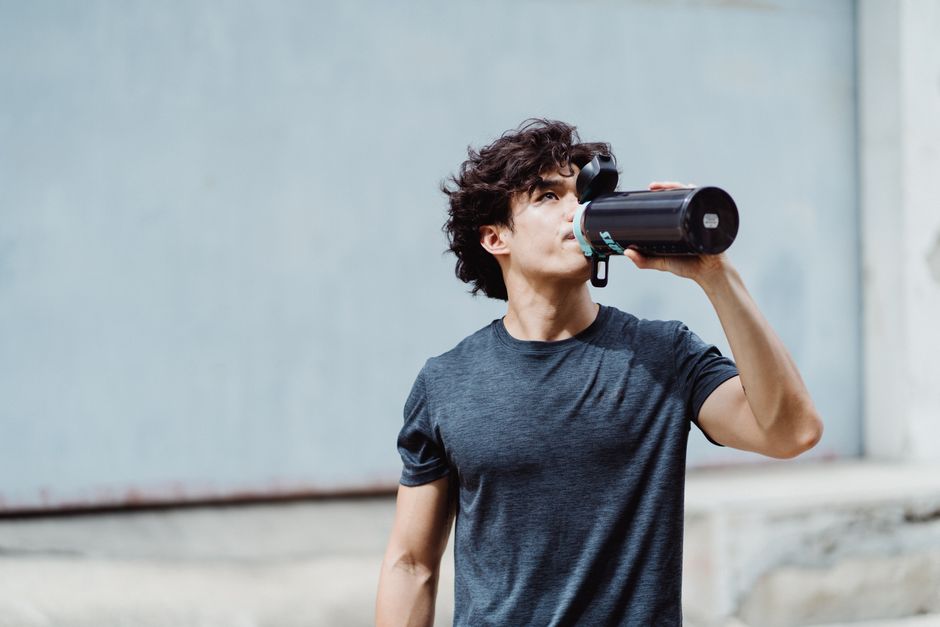
One Small Step
If this feels like a lot, start with just one change: drink a full glass of water 20 to 30 minutes before your largest meal of the day. Do that consistently for a week and notice how it affects your hunger, comfort, and energy afterward. Small, sustainable shifts build the strongest habits over time.
For more practical nutrition guidance, explore the Clean Body Mentor newsletter, where we share weekly, evidence-informed tips on eating, movement, and whole-person wellness.
This article is for general educational and informational purposes only and is not a substitute for medical advice, diagnosis, or treatment. Health needs vary by individual. Consult a qualified healthcare professional before making significant changes to your diet, exercise routine, supplements, medication, or treatment plan, especially if you have a medical condition, are pregnant or breastfeeding, take medication, or have concerns about your symptoms.
Sources
- National Institute of Diabetes and Digestive and Kidney Diseases (NIDDK). “Your Digestive System and How It Works.” U.S. Department of Health and Human Services.
- Davy B.M. et al. “Water Consumption Reduces Energy Intake at a Breakfast Meal in Obese Older Adults.” Journal of the American Dietetic Association, 2008.
- Dennis E.A. et al. “Water Consumption Increases Weight Loss During a Hypocaloric Diet Intervention in Middle-aged and Older Adults.” Obesity, 2010.
- National Academies of Sciences, Engineering, and Medicine. “Dietary Reference Intakes for Water, Potassium, Sodium, Chloride, and Sulfate.” National Academies Press, 2005.