

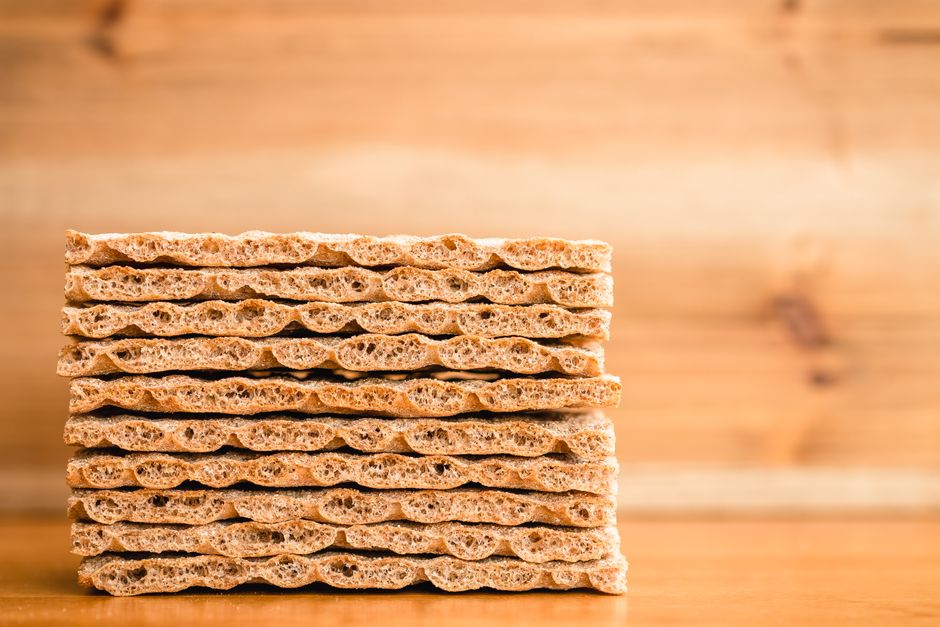
You reach for what you think is a solid afternoon snack – a handful of crackers or a fiber bar labeled “filling” – and thirty minutes later your stomach is growling again. You’re not imagining it. Many foods marketed around fiber content don’t deliver on the fullness promise, and the reason comes down to a few simple but important factors: fiber type, snack size, and what else is on the plate (or in the bag) alongside that fiber.
This guide breaks down which high-fiber snacks for satiety actually work, why some fall short, and how to build combinations that hold your hunger for two to three hours rather than two to three minutes.
Why Fiber Alone Is Not Enough for Lasting Satiety
Dietary fiber does play a meaningful role in fullness. Research published through the National Institutes of Health suggests that soluble fiber in particular slows gastric emptying, which gives your body more time to register that it has eaten. Soluble fiber also forms a gel-like consistency in the gut, which may blunt blood sugar spikes and prolong that comfortable satisfied feeling.
But here’s the practical gap: fiber alone – especially insoluble fiber found in many commercial crackers and cereals – adds bulk without meaningfully slowing digestion or triggering fullness hormones like GLP-1 and peptide YY the way protein and fat do.
The result? You can eat a high-fiber snack that your stomach passes through quickly and still feel hungry an hour later. This is why pairing matters as much as ingredient choice. If you’re already thinking about how macronutrients interact, the guide on Eating for Sustained Energy Without the Afternoon Crash: Macro Combinations That Actually Work covers the broader picture well.
The Fiber Sources That Perform Best
Not all fiber is created equal for satiety purposes. Here is a quick review of the sources that tend to deliver:
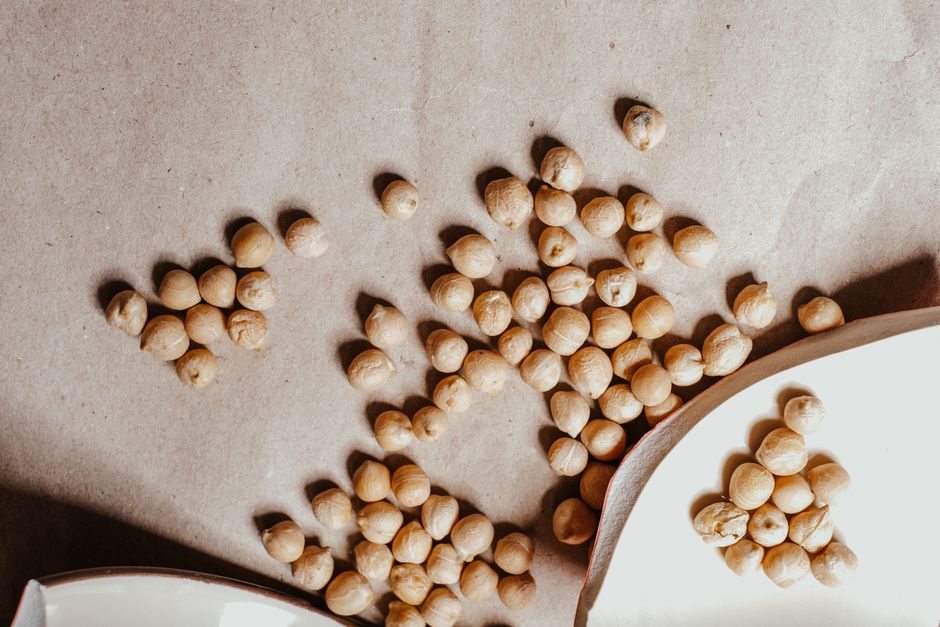
Legumes (lentils, chickpeas, black beans): These offer soluble fiber plus a solid dose of plant protein, which is a genuinely strong combination. A half-cup of canned chickpeas provides roughly 6 grams of fiber and about 7 grams of protein. Research suggests legumes are among the most satiating carbohydrate sources available.
Avocado: Half an avocado contains about 5 grams of fiber alongside heart-healthy monounsaturated fat. That fat-fiber pairing slows digestion and makes this one of the more effective snack bases for sustained fullness.
Chia seeds: Two tablespoons deliver around 10 grams of fiber, predominantly soluble. They absorb liquid and expand, which contributes to physical fullness in the stomach. They also add omega-3 fatty acids to the equation.
Apples and pears: Whole fruit – not juice, not dried – provides pectin, a soluble fiber with meaningful satiety effects. The water content adds volume. An apple with skin averages around 4-5 grams of fiber.
Edamame: A cup of shelled edamame offers roughly 8 grams of fiber and 17 grams of protein together. It is one of the few snacks that checks the fiber, protein, and convenience boxes simultaneously.
Oat-based snacks (minimally processed): Plain rolled oats or lightly flavored oat snacks provide beta-glucan, a soluble fiber studied specifically for its effects on satiety and blood sugar response (see work reviewed by the European Food Safety Authority on beta-glucan health claims).
By contrast, most rice cakes, refined crackers, and flavored granola bars labeled “high fiber” deliver mostly insoluble fiber with minimal protein or fat. They tend to perform poorly for satiety.
Building a Snack That Actually Holds You
The formula is simple: pair your fiber source with protein, fat, or both. Here are practical combinations that work:
- Apple slices + almond butter: Soluble fiber from the apple, healthy fat and a small protein bump from the nut butter. Easy, portable, satisfying.
- Hummus (chickpeas) + raw vegetables: You get fiber from both components. Add a couple of whole-grain crackers if you need more staying power.
- Chia pudding made with plain Greek yogurt: This stacks chia’s soluble fiber with the casein protein in yogurt, one of the slower-digesting proteins available. Mix two tablespoons of chia into a half-cup of Greek yogurt and refrigerate for 20 minutes.
- Edamame with a sprinkle of sea salt: Genuinely underrated as a standalone snack. The protein-fiber ratio is hard to beat.
- Avocado on a small piece of whole-grain toast: Fat slows digestion; the fiber in the bread and avocado adds bulk. Functional, not fancy.
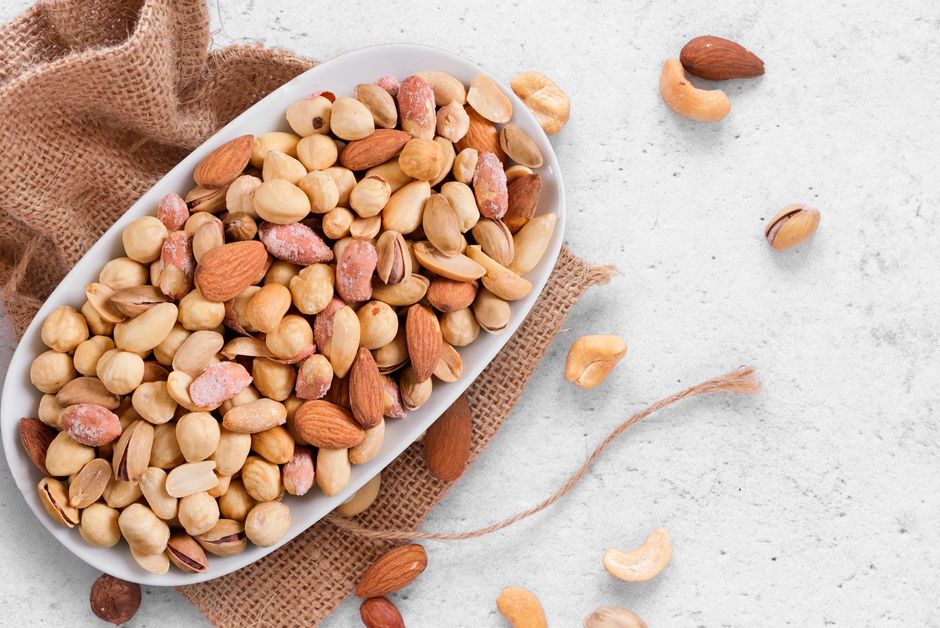
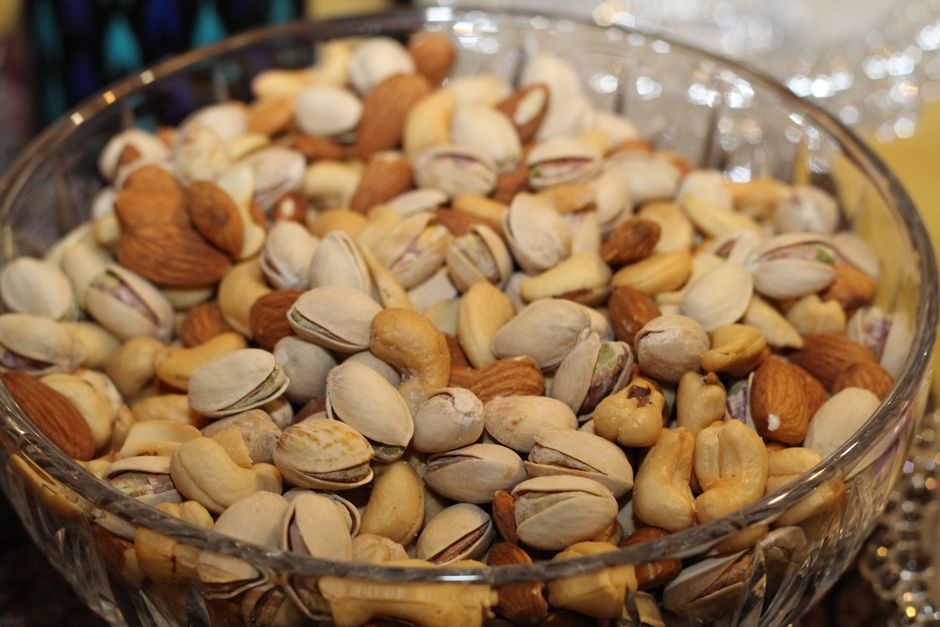
- A small handful of mixed nuts + a piece of whole fruit: The nuts contribute fat and a little protein; the fruit adds soluble fiber and hydration.
For more on how protein specifically influences hunger signals, Protein and Satiety in Snacks: Why Some High-Protein Choices Keep You Fuller Longer covers the mechanism in practical detail.
Timing and Portion Size
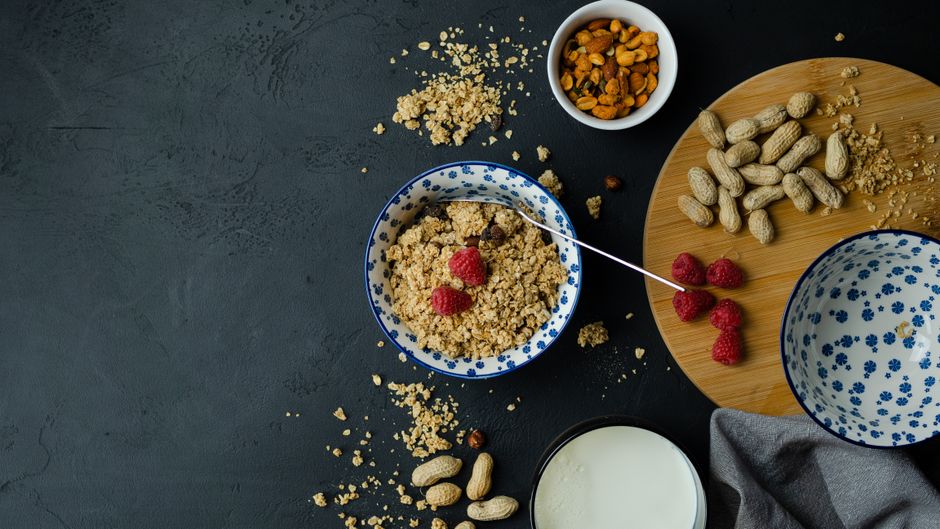
Even the best high-fiber snack for satiety will underperform if the portion is too small or the timing is off. A 100-calorie snack between meals is typically not enough to bridge a four-hour gap. Aim for 150 to 250 calories with at least 4-5 grams of fiber and 5-10 grams of protein as a rough starting point, adjusting to your own appetite and energy needs.
Snack timing also matters. Eating a fiber-and-protein snack about two to three hours after a meal tends to prevent the sharp dip in blood sugar that triggers cravings. For a full look at when to eat between meals, Snack Timing for Sustained Energy: When to Eat Between Meals Without Afternoon Crashes is a useful companion.
One more practical note: chewing slowly and not eating at a screen gives your gut hormones time to register fullness. It is a small habit with measurable impact.
What to Ignore on the Label
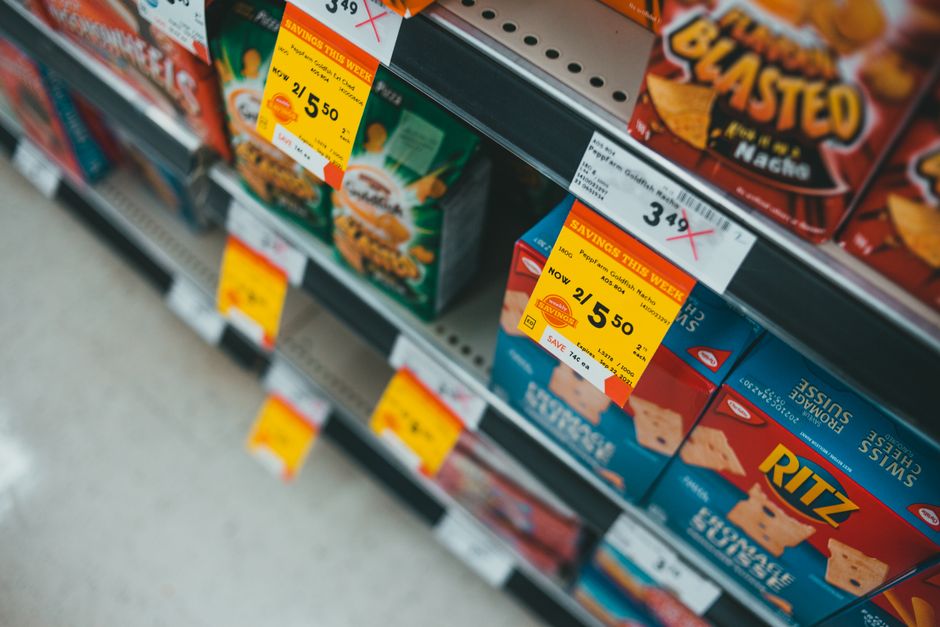
Marketers lean heavily on fiber claims, and many products use “chicory root” (inulin) as an added fiber source primarily because it is cheap and boosts the fiber number on the nutrition panel. Inulin does have some prebiotic benefit for gut health, but it does not provide the same satiety effect as beta-glucan or pectin. If a bar or chip’s fiber content comes mostly from chicory root, it may also cause bloating without delivering meaningful fullness. The Gut Health Myths vs. Evidence: What Research Actually Says About Probiotics, Fiber, and Digestive Wellness article explores how fiber affects gut function beyond just satiety.
The bottom line: look for fiber from whole or minimally processed sources – whole grains, legumes, nuts, seeds, vegetables, and fruit – rather than from isolated additives.
Putting It Into Practice
You don’t need to overhaul your entire eating pattern to see a difference. Pick one snack from the combinations above, try it for a week, and pay attention to how hungry you are at your next meal. Small, consistent changes to what you pair together tend to create lasting habits more reliably than complete diet overhauls.
If you’re looking to extend those satiety principles into your meals, Eating for Stable Energy: Nutrient Combinations That Keep You Full and Focused All Day offers a practical framework for building balanced meals that reduce energy crashes and unnecessary snacking.
This article is for general educational and informational purposes only and is not a substitute for medical advice, diagnosis, or treatment. Health needs vary by individual. Consult a qualified healthcare professional before making significant changes to your diet, exercise routine, supplements, medication, or treatment plan, especially if you have a medical condition, are pregnant or breastfeeding, take medication, or have concerns about your symptoms.
Sources
- Slavin, J. (2013). Fiber and Prebiotics: Mechanisms and Health Benefits. Nutrients, 5(4), 1417-1435. (PubMed, National Institutes of Health)
- European Food Safety Authority (EFSA). Scientific Opinion on the substantiation of health claims related to beta-glucans from oats and barley. EFSA Journal, 2011.
- USDA FoodData Central – nutrient data for chickpeas, edamame, chia seeds, avocado, and apples.
- Higgins, J. A. (2004). Resistant starch and satiety: A review. British Journal of Nutrition. (Referenced for legume satiety effects, Cambridge University Press.)