

You grab a “high-protein” bar mid-afternoon, and thirty minutes later you’re still rummaging through the kitchen. Sound familiar? The gram count on the label told you it should work, but your stomach disagrees.
The truth is that high-protein snacks satiety is more nuanced than a single number. Protein quality, food form, fiber content, and even the timing of your snack all influence how long you stay comfortably full. This article breaks down the science in plain language and compares real snack options so you can make choices that actually work for your schedule, budget, and taste.
Why Protein Reduces Hunger in the First Place
Protein influences satiety through several overlapping pathways. It stimulates appetite-suppressing hormones like peptide YY and GLP-1 while lowering ghrelin, which is the hormone that signals hunger. It also has the highest thermic effect of the three macronutrients, meaning your body uses more energy to digest it, and it slows the rate at which your stomach empties.
Research consistently shows that higher-protein diets help people feel fuller at a lower calorie intake, which can naturally support weight management without rigid restriction. But not every protein source delivers the same satiety benefit, even at identical gram counts.
If you want a deeper look at how protein timing affects hunger signals throughout the day, Protein Timing and Hunger: When You Eat Protein Matters as Much as How Much is worth reading alongside this guide.
What Actually Determines Satiety: Beyond the Gram Count
Protein Quality and Amino Acid Profile
Not all dietary proteins are created equal. Complete proteins supply all nine essential amino acids your body cannot make on its own. Animal sources such as eggs, Greek yogurt, cottage cheese, and meat are complete. Most plant proteins are incomplete individually, but combinations like hummus with whole-grain crackers or edamame with a small handful of seeds fill in the gaps.
Amino acid profile matters because leucine, in particular, appears to trigger muscle protein synthesis and may amplify satiety signals. Whey protein is rich in leucine, which partly explains why a small serving can feel more filling than a larger serving of a lower-leucine source. Protein Quality and Muscle Building: What Makes Some Proteins More Effective Than Others for Home Strength Training explores this in the context of exercise, but the same principles apply to everyday snacking.
Food Form: Whole vs. Processed
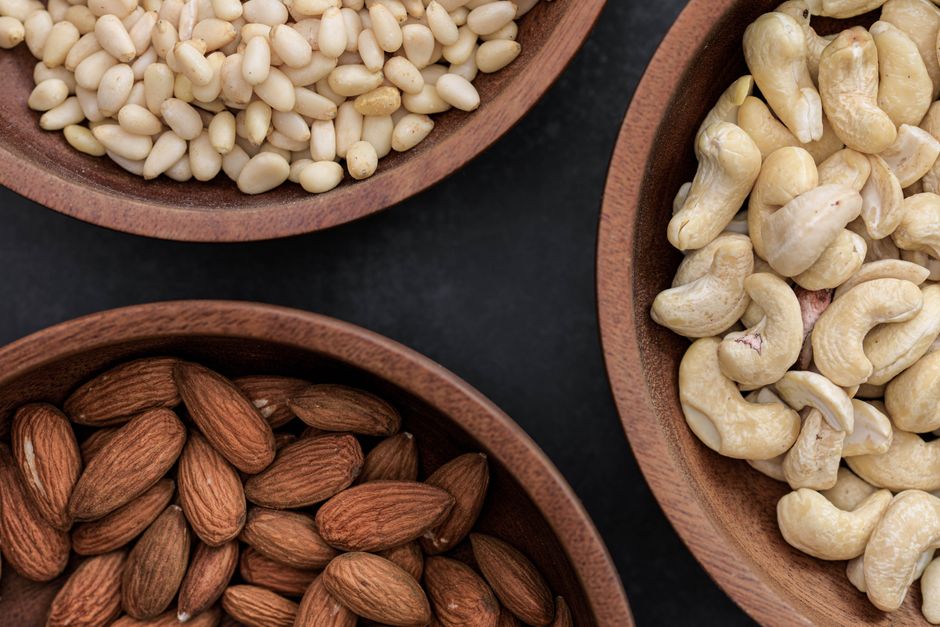
Food form changes how quickly protein reaches your digestive system and how your hunger hormones respond. A handful of almonds with a hard-boiled egg requires chewing, slows gastric emptying, and pairs protein with fiber and fat. A processed protein shake with the same gram count is liquid, absorbed faster, and may produce a shorter satiety window.
Research suggests that solid or semi-solid foods tend to keep people fuller longer than their liquid counterparts, even when macronutrients are matched. That does not make shakes useless, but it does mean whole-food snacks often have a practical satiety advantage. Smoothie Mistakes That Sabotage Your Energy and Satiety: A Guide to Building Balanced Recipes covers how to build liquid options that come closer to the staying power of solid meals.
Fiber and Fat as Satiety Partners
Protein rarely works alone. Fiber slows digestion and feeds gut bacteria that produce short-chain fatty acids linked to appetite regulation. Healthy fats further slow gastric emptying. Snacks that combine all three tend to outlast single-macronutrient options.
This nutrient teamwork is also central to Eating for Stable Energy: Nutrient Combinations That Keep You Full and Focused All Day and Energy Crashes and Blood Sugar Stability: Which Meals and Snacks Keep You Level All Day.
Comparing Common High-Protein Snacks
Here is a practical side-by-side look at popular snack options, organized by their likely satiety impact.
Strong Satiety Potential
- Cottage cheese with fruit (half cup, ~13 g protein): Slow-digesting casein protein, combined with natural sugars and water content from fruit, creates a gradual release that many people find sustaining for 2-3 hours.
- Hard-boiled eggs with raw vegetables (2 eggs, ~12 g protein): Complete amino acid profile, fat from the yolk, and fiber from the vegetables make this a whole-food combination that checks every satiety box.
- Greek yogurt, plain, full-fat (3/4 cup, ~15-17 g protein): Combines casein and whey, live cultures that support gut health, and enough fat to slow digestion. Avoid heavily sweetened versions, which spike and crash blood sugar.
- Edamame, lightly salted (1 cup shelled, ~17 g protein): One of the few plant foods that is a near-complete protein. The fiber content is substantial, and the chewing required slows consumption naturally.
Moderate Satiety Potential
- String cheese with apple slices (~7 g protein): Convenient and whole-food based, but lower protein content means it works better as a small bridge snack than a full hunger solution.
- Hummus with whole-grain crackers (2 tablespoons hummus, ~3 g protein): Protein is lower per serving, but the fiber from chickpeas and the healthy fat combine to support moderate fullness. Scale up hummus to 4 tablespoons for more impact.
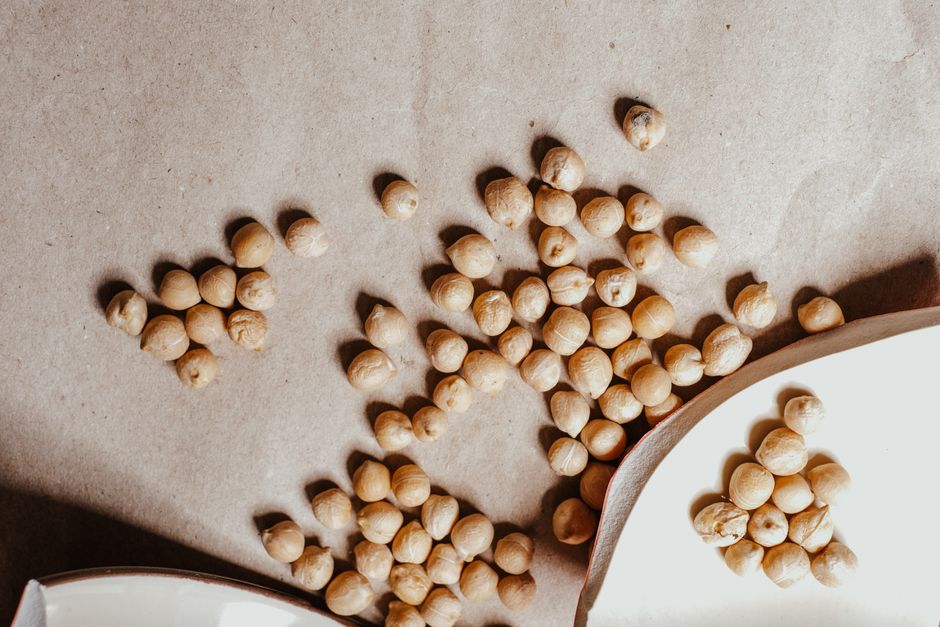
- Roasted chickpeas (1/3 cup, ~7 g protein): Good fiber and protein combination in a crunchy, portable format. Satiety is reasonable, though less than egg or dairy options gram for gram.
Lower Satiety Potential (Despite the Label)
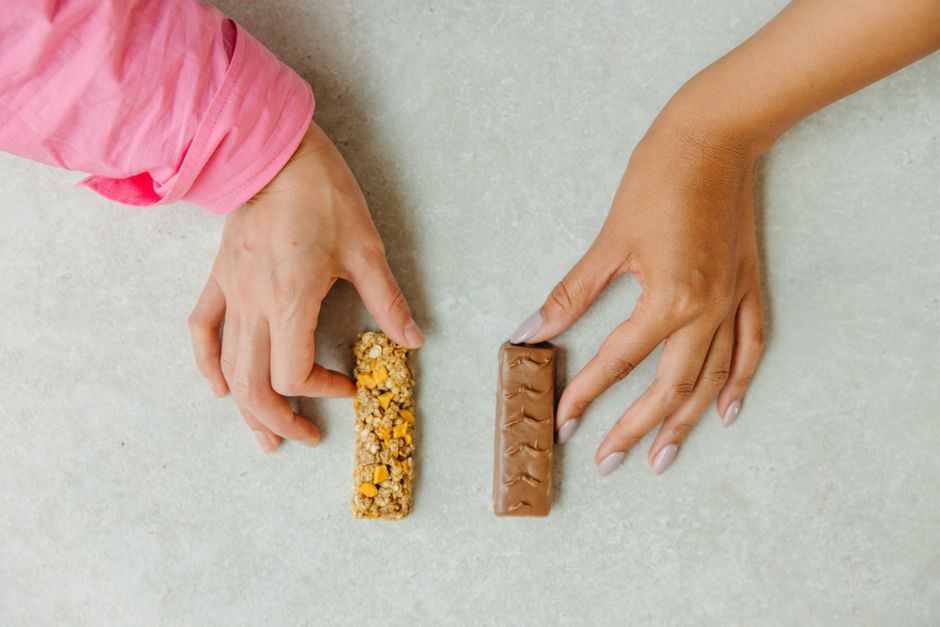
- Many commercial protein bars (15-20 g protein): Often high in added sugar, sugar alcohols, and highly processed protein isolates that digest quickly. The satiety window can be surprisingly short. Read ingredient lists carefully and compare fiber content.
- Flavored protein shakes (20-25 g protein): Liquid form limits satiety duration. They are practical in certain contexts, like post-workout recovery, but are generally less effective as standalone hunger management tools.
- Rice cakes with nut butter (~4-5 g protein): Low protein, low fiber in the rice cake base. Hunger tends to return quickly.
For a broader list of practical options beyond bars and shakes, High-Protein Snacks and Light Meals for Sustained Energy Between Meals: Real Options Beyond Bars and Shakes is a helpful companion.
Common Snacking Mistakes That Undermine Satiety
Relying on processed bars by default. Convenience is real, but many protein bars are closer to candy bars with added isolates. They often lack the fiber and food matrix needed for lasting fullness.
Eating too little total protein per snack. Research suggests that around 15-25 grams of high-quality protein per eating occasion may be a more effective satiety threshold than smaller amounts spread across the day without intention. A snack with 5 grams may not move the needle much on its own.
Skipping fiber and fat. Protein paired with fiber and a moderate amount of fat produces a meaningfully different hunger response than protein alone. Build snacks as mini meals rather than single-ingredient choices.
Confusing thirst with hunger. Sometimes what feels like a mid-afternoon hunger wave is mild dehydration. A glass of water before your snack helps you assess actual hunger more accurately.
If you notice patterns of reaching for food for emotional reasons rather than physical hunger, Emotional Eating vs. Physical Hunger: How to Tell the Difference and Respond With Compassion offers a thoughtful, nonjudgmental perspective.
FAQ: High-Protein Snacks and Satiety
How much protein do I actually need in a snack to feel full?
A useful starting range is 10-20 grams of high-quality protein per snack, depending on your overall daily needs, body size, and activity level. Smaller amounts can help, but they may not produce noticeable satiety on their own.
Are plant-based protein snacks as filling as animal-based ones?
They can be, especially when you combine complementary plant proteins and pair them with plenty of fiber. Edamame, tempeh, and legume-based dips are among the most satisfying plant options.
Is a protein shake a good snack for staying full?
Shakes can contribute to your daily protein target and are practical after workouts, but liquid protein generally produces a shorter satiety window than solid foods with similar gram counts. Adding fiber, like blending in spinach or chia seeds, can improve this.
Why do I feel hungry again so quickly after eating a protein bar?
Many bars use rapidly digesting protein isolates, added sugars, and little fiber. This combination can spike blood sugar and lead to a faster return of hunger compared to whole-food snacks.
Does the timing of a high-protein snack matter?
Yes. Eating a protein-rich snack at the first sign of hunger rather than waiting until you are very hungry tends to produce better food choices overall and helps you avoid overeating at the next meal.
A Simple Next Step
Pick one whole-food snack from the strong satiety category above and try it consistently for one week in place of your usual processed option. Notice how your hunger and energy change in the hours after eating it. Small, consistent swaps tend to build lasting habits more reliably than sweeping overhauls.
If you want to apply this same thinking to your first meal of the day, High-Protein Breakfast Ideas for Steady Energy and Satiety is a practical next read. And if you enjoy practical weekly wellness guidance, the Clean Body Mentor newsletter brings straightforward tips like these directly to your inbox.
This article is for general educational and informational purposes only and is not a substitute for medical advice, diagnosis, or treatment. Health needs vary by individual. Consult a qualified healthcare professional before making significant changes to your diet, exercise routine, supplements, medication, or treatment plan, especially if you have a medical condition, are pregnant or breastfeeding, take medication, or have concerns about your symptoms.