
If you train at home and eat mostly or entirely plant-based, you have probably wondered whether your protein choices are actually doing enough work. You lift, you recover, you eat your lentils, and then you wonder if you are leaving gains on the table. The short answer: no, you are not, as long as you understand what each source offers and how to combine them strategically.
This guide compares the most practical vegetarian protein sources side by side, looks at their amino acid profiles and digestibility, and helps you build a daily eating pattern that supports progressive home strength training.
Why Amino Acid Profile and Digestibility Matter for Muscle
Muscle protein synthesis depends not just on total protein intake but on the availability of all essential amino acids, particularly leucine, isoleucine, and valine (the branched-chain amino acids, or BCAAs). Leucine acts as a key trigger for muscle repair and growth signaling.
Most plant proteins are considered “incomplete” because they are low in one or more essential amino acids. Animal proteins tend to provide all nine essential amino acids in roughly the right ratios. However, research published by the American Journal of Clinical Nutrition confirms that eating varied plant proteins across the day can meet all essential amino acid needs without obsessively pairing foods at every single meal.
Digestibility is the second factor. Protein digestibility-corrected amino acid score (PDCAAS) and the newer digestible indispensable amino acid score (DIAAS) measure how much of a protein your body actually absorbs. Animal proteins typically score higher, but processing methods, cooking, and food combinations can meaningfully improve plant protein absorption.
For a deeper look at how plant and animal sources stack up on these scores, the comparison guide on protein quality and muscle building covers the science in fuller detail.
Side-by-Side Comparison of Key Vegetarian Protein Sources
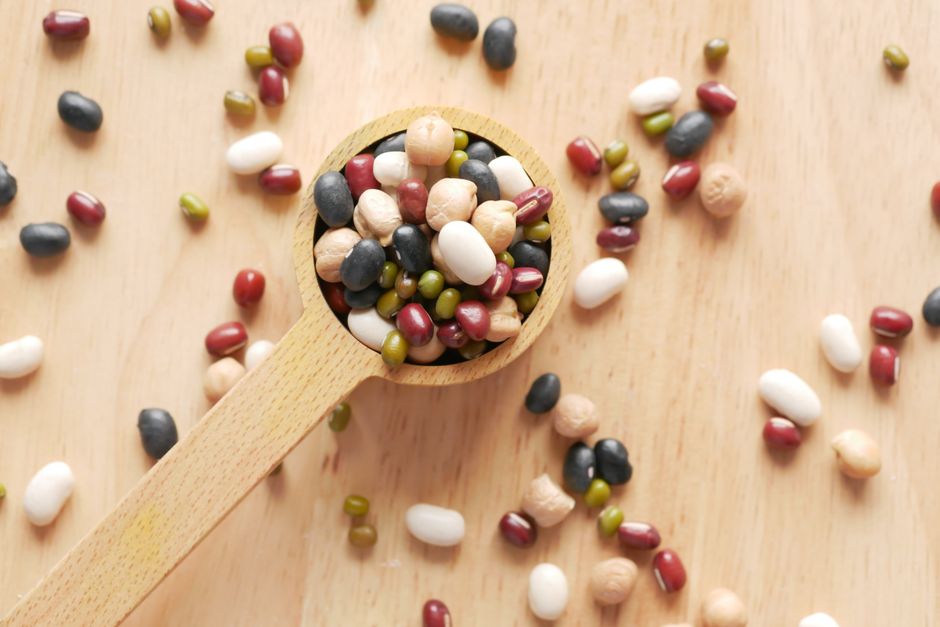
Lentils and Legumes
Protein per cooked cup: 15-18 g (lentils), 14-16 g (chickpeas, black beans)
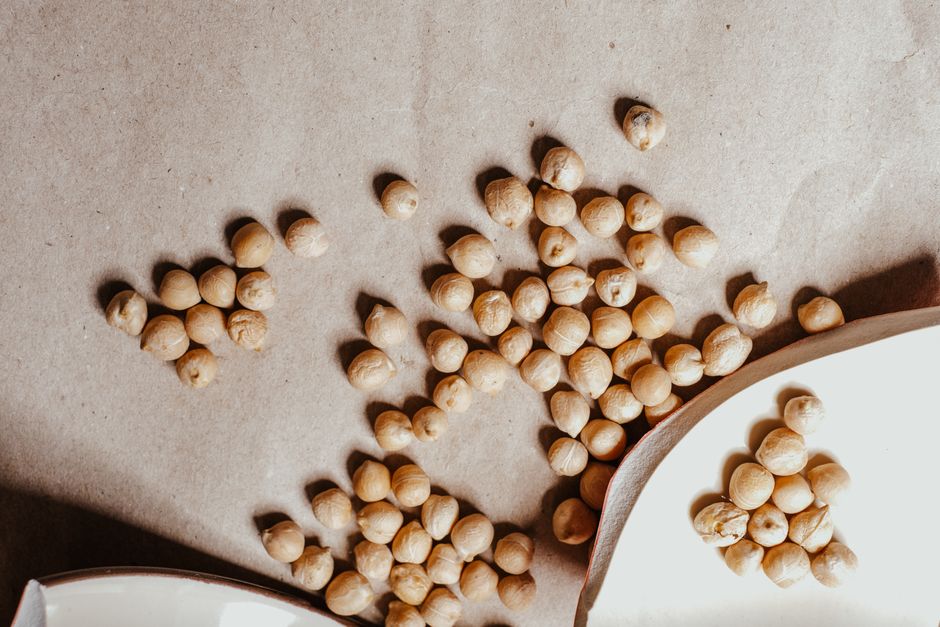
Legumes are the backbone of vegetarian protein for muscle building. They deliver solid protein per serving, along with fiber, iron, and folate. Their main limitation is a relatively low leucine content and a PDCAAS that is moderate compared to animal proteins. Cooking and soaking reduce antinutrients like phytates, which improves absorption.
Best use: daily staple, particularly in post-workout meals paired with a leucine-rich source like tofu or pumpkin seeds.
Note: if you add legumes quickly, the fiber can cause digestive discomfort. The guide on adding plant-based foods without gas or cramping has practical tips for managing that transition.
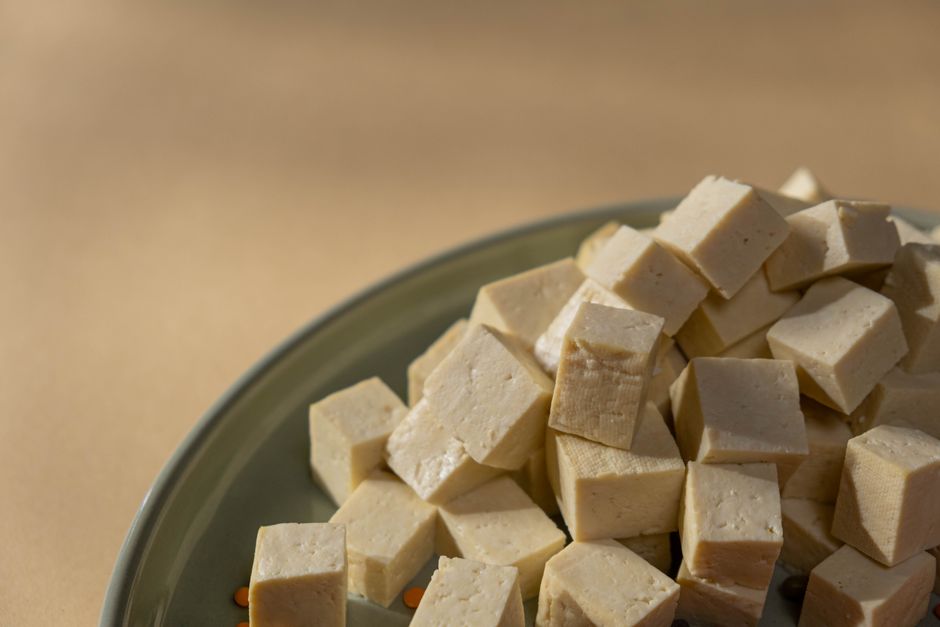
Tofu and Edamame
Protein per 100g firm tofu: approximately 8-10 g
Protein per cup edamame (shelled): approximately 17 g
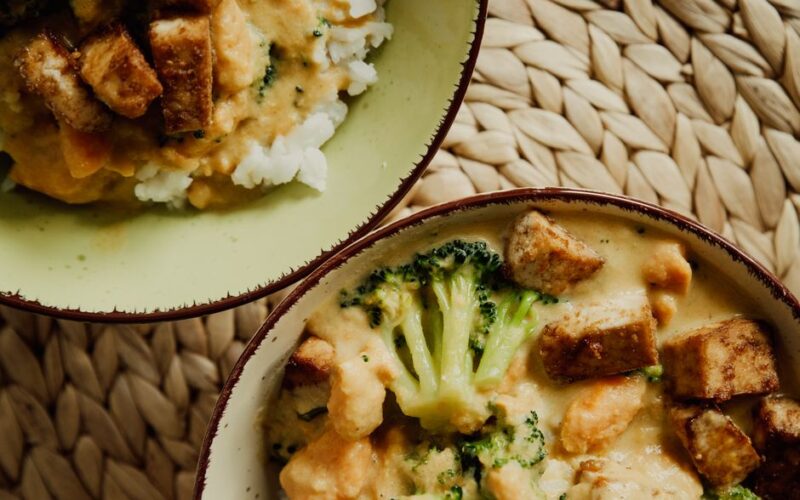
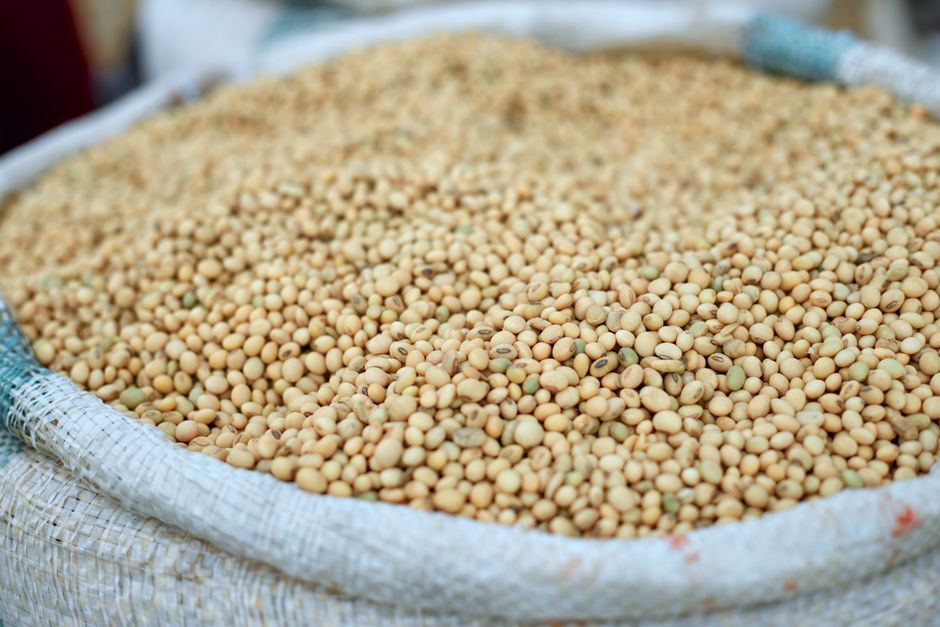
Soy-based foods are the closest plant proteins to a complete amino acid profile. Soy contains all nine essential amino acids in reasonable quantities and has a PDCAAS near 1.0, on par with meat. Research from Nutrients (2021) suggests that soy protein isolate can support muscle hypertrophy similarly to whey when total intake is matched and training is progressive.
Firm tofu works well in stir-fries, scrambles, or baked as a high-protein snack. Edamame is one of the easiest portable protein sources available to plant-based lifters.
Best use: anchor protein in lunch and dinner, especially for vegetarian protein muscle building goals.
Tempeh
Protein per 100g: approximately 19-20 g
Tempeh edges out tofu in raw protein density and is also fermented, which may improve digestibility and gut health. It has a firm texture that holds up well in cooking and delivers a modest amount of leucine relative to other plant proteins. The fermentation process breaks down some of the phytic acid that reduces mineral absorption.
Best use: primary protein at any meal. Slice and pan-fry with a marinade, crumble into grain bowls, or cube into curries.
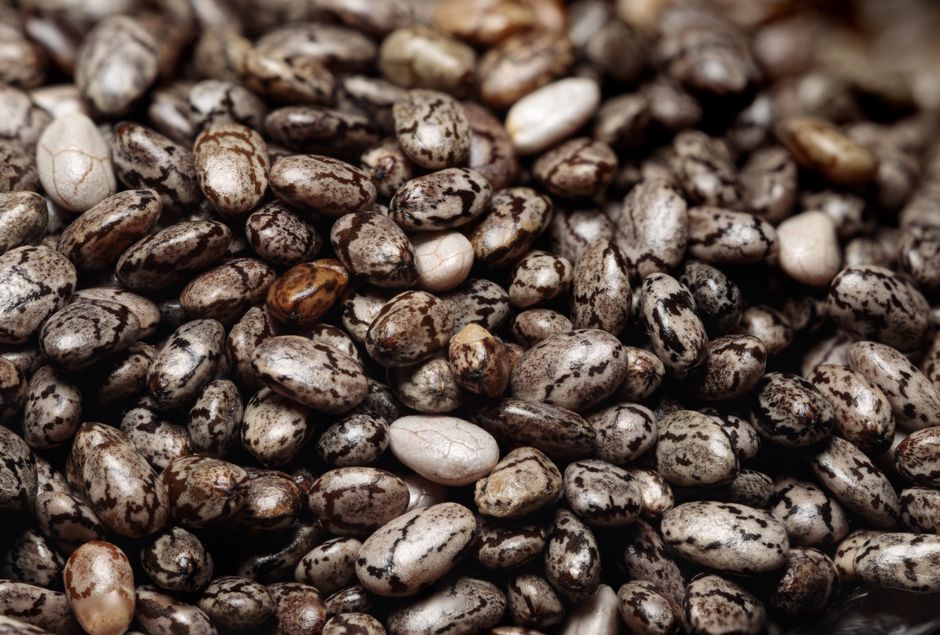
Hemp Seeds, Pumpkin Seeds, and Chia Seeds
Protein per 3 tablespoons hemp seeds: approximately 10 g
Protein per ounce pumpkin seeds: approximately 9 g
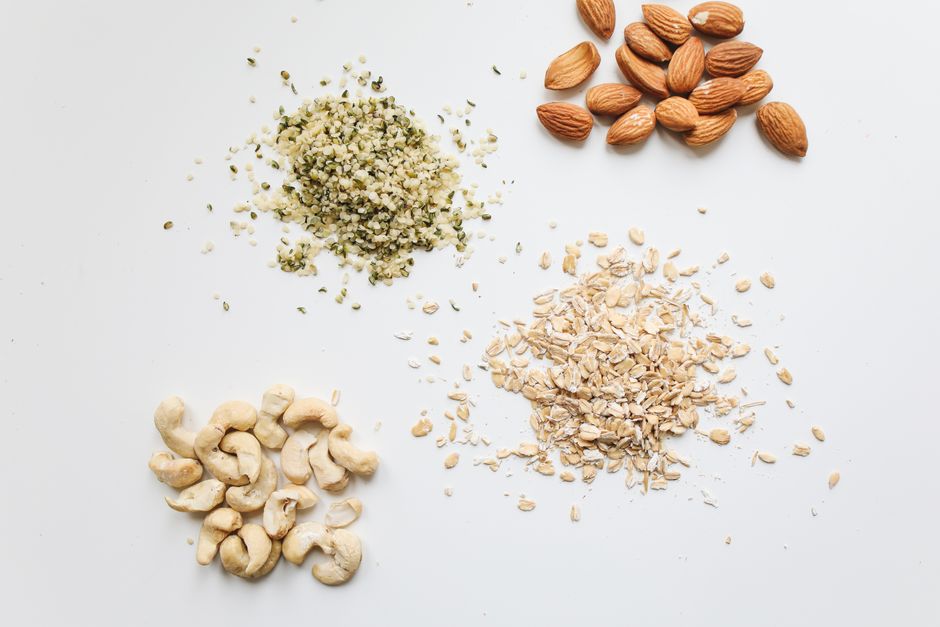
Seeds punch above their weight for a small volume of food. Hemp seeds are close to a complete amino acid profile and are particularly useful as a topping on oatmeal, yogurt, or salads. Pumpkin seeds are notably higher in leucine than most seeds, making them a smart pairing with legumes. Chia seeds contribute about 5 g per two tablespoons and add fiber and omega-3s.
Best use: protein top-ups throughout the day rather than a primary source.
Whole Grains
Protein per cooked cup quinoa: approximately 8 g
Protein per cooked cup oats: approximately 6 g
Whole grains are not thought of primarily as protein sources, but they contribute meaningfully when eaten in volume. Quinoa is technically a seed and provides all essential amino acids at relatively modest levels. Oats are a practical base for a high-protein breakfast when combined with hemp seeds, Greek yogurt, or a protein powder.
Best use: complementary protein in the context of a full meal, not a standalone muscle-building source.
Combinations That Fill the Amino Acid Gaps
The practical strategy for vegetarian protein muscle building is pairing sources so that where one is low, another is higher. A few reliable combinations:
- Rice and lentils: classic for a reason. Rice adds methionine where legumes are low.
- Tempeh and quinoa bowl: near-complete on its own, easy to batch-prep.
- Edamame with pumpkin seeds: high leucine relative to other plant combos.
- Oats with hemp seeds and soy milk: a functional morning option for training days.
You do not need to hit all amino acids in one meal. Spreading intake across the day, with roughly 25-40 g of protein per meal, gives your muscles repeated signals for repair and growth, according to position statements from the International Society of Sports Nutrition (ISSN).
For timing guidance around your sessions, the article on what to eat after a workout for muscle repair applies directly to plant-based eaters as well.
When a Plant Protein Powder Makes Practical Sense
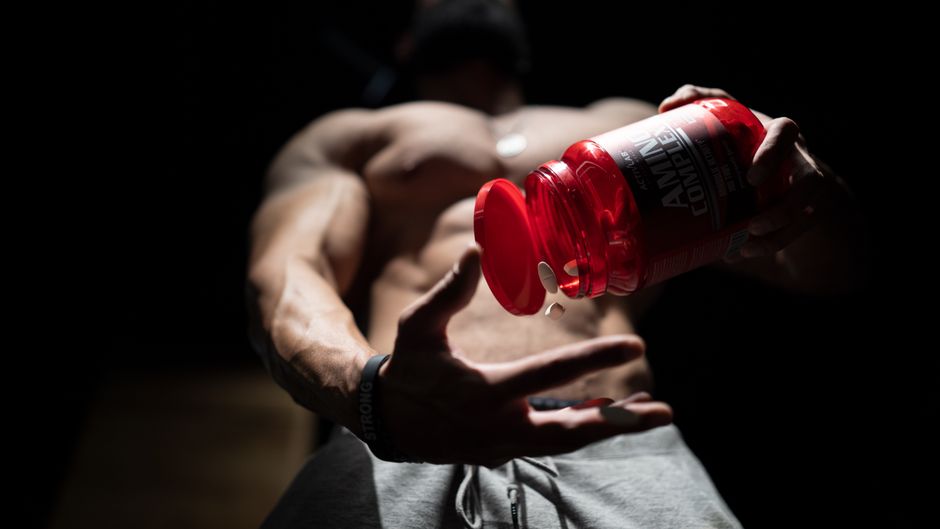
If your schedule makes it hard to hit 1.4-2.0 g of protein per kilogram of body weight (the range supported by research for active adults building muscle), a plant-based protein powder can close the gap without a full extra meal.
Pea protein and brown rice protein blended together score well on the DIAAS scale and have been shown in studies to support muscle mass comparably to whey in resistance-trained individuals. Look for powders with minimal additives and at least 20 g of protein per serving.
A powder is not required. If your food-first approach consistently hits your target, skip it. But it is a legitimate tool, not a shortcut.
A Simple Daily Framework for Plant-Based Muscle Building
Here is a practical structure for a training day:
- Breakfast: oats with hemp seeds, soy milk, and berries (approx. 25-30 g protein with additions)
- Lunch: tempeh grain bowl with quinoa and greens (approx. 35 g protein)
- Snack: edamame or pumpkin seeds (approx. 9-15 g protein)
- Dinner: lentil curry with brown rice and a side of tofu (approx. 30-35 g protein)
Total protein: roughly 100-115 g for a 70 kg person, which sits comfortably in the evidence-supported range for muscle building.
If you are new to home training and want a solid starting point for the workout side of the equation, beginner bodyweight progressions complement this eating approach well.
One Action Worth Taking Today
Choose one vegetarian protein source from this comparison that you are not currently eating regularly, add it to your next grocery run, and build one meal around it this week. Small, consistent upgrades to your food pattern are what drive real progress over time.
For more practical, evidence-informed guidance on nutrition, movement, and sustainable healthy habits, consider signing up for the Clean Body Mentor newsletter.
This article is for general educational and informational purposes only and is not a substitute for medical advice, diagnosis, or treatment. Health needs vary by individual. Consult a qualified healthcare professional before making significant changes to your diet, exercise routine, supplements, medication, or treatment plan, especially if you have a medical condition, are pregnant or breastfeeding, take medication, or have concerns about your symptoms.
Sources
- van Vliet S, Burd NA, van Loon LJC. “The Skeletal Muscle Anabolic Response to Plant- versus Animal-Based Protein Consumption.” Journal of Nutrition, 2015. (NIH PubMed)
- Gorissen SHM et al. “Protein content and amino acid composition of commercially available plant-based protein isolates.” Amino Acids, 2018. (NIH PubMed)
- Messina M et al. “No Difference Between the Effects of Supplementing With Soy Protein Versus Animal Protein on Gains in Muscle Mass and Strength in Response to Resistance Exercise.” International Journal of Sport Nutrition and Exercise Metabolism, 2018.
- Stokes T et al. “Recent Perspectives Regarding the Role of Dietary Protein for the Promotion of Muscle Hypertrophy with Resistance Exercise Training.” Nutrients, 2018. (MDPI)
- International Society of Sports Nutrition Position Stand: protein and exercise. Journal of the International Society of Sports Nutrition, 2017.