

You finish a solid strength session, feel good about putting in the work, and then… grab whatever is easiest on the way to the next thing. Sound familiar? That post-workout window is actually one of the more useful opportunities your body gives you to support muscle repair, and most people treat it as an afterthought.
This guide breaks down what your body needs after strength training, how timing fits in, and what practical nutrition after strength training looks like on a real, busy schedule.

Why Your Muscles Need Support After Strength Training
Strength training creates small structural disruptions in your muscle fibers. That is not a problem; it is the point. Your body responds to that stress by rebuilding those fibers a little stronger, provided it has the materials to do so.
Two main things happen post-workout that your nutrition can directly influence:
- Muscle protein synthesis (MPS) rises. Your muscles become more receptive to amino acids for several hours after training. Research published in the Journal of the International Society of Sports Nutrition consistently identifies protein as the central dietary factor in supporting this process.
- Glycogen stores are partially depleted. Carbohydrates replenish muscle glycogen, which fuels your next session and also supports the hormonal environment for recovery.
Hydration matters too. Even modest fluid loss during training can slow the repair process and leave you feeling more fatigued than necessary.
The Core Nutrients: Protein, Carbs, and Fluid
Protein: Your Muscles’ Primary Building Material
Post-workout protein is the most well-supported piece of nutrition after strength training. The goal is to give your body a meaningful dose of amino acids, particularly leucine, which acts as a trigger for muscle protein synthesis.
Practical target: aim for roughly 20 to 40 grams of protein in your recovery meal, depending on your body size and training intensity. This range aligns with guidance from the International Society of Sports Nutrition’s Position Stand on Protein and Exercise (Stokes et al., 2018).
Good sources include:
- Eggs (about 6 grams each)
- Greek yogurt (15 to 20 grams per cup)
- Canned tuna or salmon (25 grams per 3-oz serving)
- Chicken breast or lean ground turkey
- Cottage cheese
- Edamame or firm tofu for plant-based options
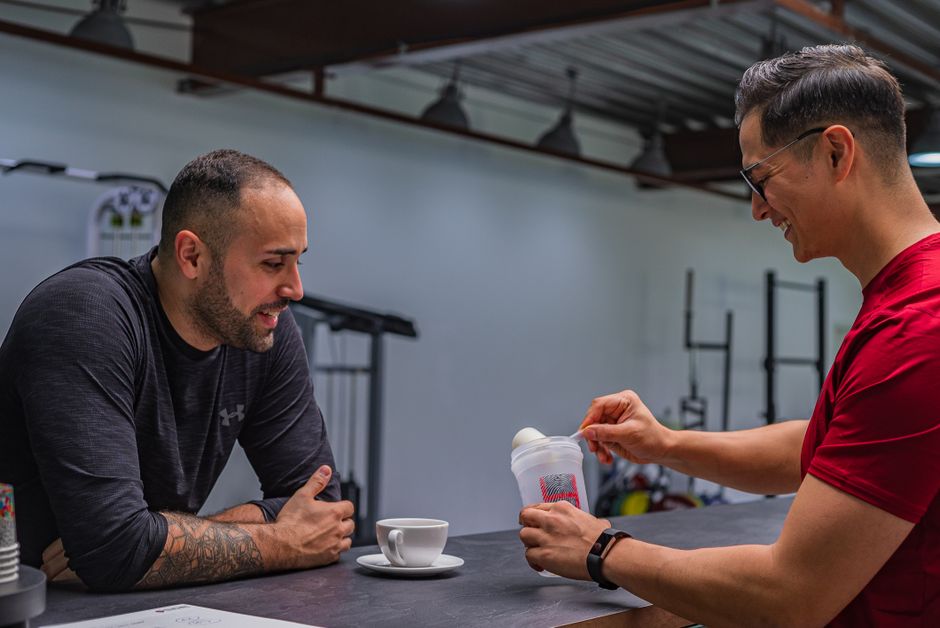
- A protein shake when food is not practical
If you want a deeper look at how different protein sources compare for muscle building, the guide on Protein Quality and Muscle Building: Comparing Plant, Animal, and Combination Sources for Home Strength Training is worth reading next.
Carbohydrates: Refuel and Signal Recovery
Carbohydrates often get downplayed in strength-training nutrition conversations, but they serve two useful roles post-workout: they replenish muscle glycogen and they stimulate an insulin response that helps shuttle amino acids into muscle tissue.
You do not need a large carbohydrate load after moderate strength training, especially if your session was under 60 minutes. A moderate portion, roughly 30 to 60 grams from whole-food sources, is a reasonable starting point.
Good choices:
- Cooked rice, oats, or quinoa
- Sweet potato or regular potato
- Whole grain bread or a wrap
- Fruit (banana, berries, or an apple are convenient)
Fluid and Electrolytes
Rehydrating after training is often overlooked. A simple approach is to drink 16 to 24 ounces of water in the first hour post-workout, then continue sipping through the rest of the day. If your session was intense or you sweated heavily, including a pinch of salt or a small amount of natural sodium (from food) can help with fluid retention and muscle function.

Does Timing Actually Matter?
The idea of a narrow 30-minute “anabolic window” has softened significantly in recent research. The current evidence, including a 2013 meta-analysis by Schoenfeld, Aragon, and Krieger in the Journal of the International Society of Sports Nutrition, suggests that total daily protein intake matters more than hitting a precise minute-by-minute window.
That said, eating within one to two hours after training is still practical and sensible, especially if you trained fasted or it has been more than three to four hours since your last meal. For related perspective, the article on Should You Eat Before or After Your Morning Workout? covers how pre-workout choices affect what you need afterward.
The bottom line: do not stress about the exact clock, but do not skip the recovery meal entirely.

Realistic Post-Workout Meals and Snacks
Here are some practical combinations that work for busy schedules without requiring cooking from scratch every time.
Quick options (under 10 minutes):
- Greek yogurt with a banana and a small handful of granola
- Cottage cheese with berries and a slice of whole grain toast
- Protein shake blended with milk or a milk alternative, a frozen banana, and a spoonful of nut butter
- Hard-boiled eggs (prepped ahead) with fruit and crackers
Meal-style options (for when you have more time):
- Scrambled eggs with roasted sweet potato and sauteed greens
- Grilled chicken with rice and steamed broccoli
- Tuna or salmon with quinoa and sliced cucumber
- Tofu stir-fry over brown rice with edamame
Meal prepping even a few of these ingredients over the weekend can make post-workout nutrition effortless during the week. If grocery planning feels like a barrier, the guide on Grocery Shopping for Balanced Nutrition on a Budget offers a practical starting system.

On Rest Days: Recovery Nutrition Continues
Post-workout nutrition does not end the day you train. Your muscles continue repairing for 24 to 48 hours after a strength session, which means rest-day eating still supports that process. Maintaining consistent protein intake on recovery days, rather than reducing it significantly, is a sensible approach supported by sports nutrition research.
For more on eating strategically when you are not training, Rest Day Meals That Support Recovery Without Sabotaging Your Progress goes deeper into that specific angle.

One Small Step to Start
If post-workout nutrition feels like one more thing to manage, start with just one habit: keep a protein-rich snack ready before your next training session. That could be Greek yogurt in the fridge, a protein shake ingredient pre-measured, or hard-boiled eggs from a Sunday batch. Choose whichever option fits your routine most naturally, and practice it consistently rather than aiming for perfection.
When that becomes easy, layer in a carbohydrate source. Progress compounds when the steps stay small.
For broader support with your training, the beginner-friendly guide on Strength Training for Beginners at Home is a good companion to this article if you are still building your routine.
This article is for general educational and informational purposes only and is not a substitute for medical advice, diagnosis, or treatment. Health needs vary by individual. Consult a qualified healthcare professional before making significant changes to your diet, exercise routine, supplements, medication, or treatment plan, especially if you have a medical condition, are pregnant or breastfeeding, take medication, or have concerns about your symptoms.
Sources
- Stokes, T., et al. (2018). “Recent Perspectives Regarding the Role of Dietary Protein for the Promotion of Muscle Hypertrophy with Resistance Exercise Training.” Nutrients. National Institutes of Health, PubMed.
- Schoenfeld, B.J., Aragon, A.A., and Krieger, J.W. (2013). “The effect of protein timing on muscle strength and hypertrophy: a meta-analysis.” Journal of the International Society of Sports Nutrition.
- International Society of Sports Nutrition Position Stand: Protein and Exercise. Available via the ISSN (www.jissn.com).