

If you have ever abandoned a workout program after two weeks because it felt too rigid, or skipped exercise entirely because you did not feel like going to the gym, you are not alone. The all-or-nothing framing around fitness leaves a lot of people stuck between following a plan perfectly or doing nothing at all.
There is a third path worth exploring: understanding when intuitive movement vs structured exercise each serves you, and how combining both can build real, lasting fitness without the guilt spiral.

What Intuitive Movement Actually Means
Intuitive movement is body-led physical activity. Rather than following a predetermined plan, you move based on what feels good, energizing, or genuinely enjoyable on a given day. This includes walking, dancing around your kitchen, stretching on the floor, shooting hoops, gardening, or playing with your kids.
The concept draws from research on autonomous motivation. When people feel in control of their activity choices, they are more likely to stay physically active over time. A review published in the journal Psychology of Sport and Exercise found that autonomy-supportive environments significantly improved long-term exercise adherence compared to externally controlled programs.
Intuitive movement also tends to reduce the psychological cost of exercise. Instead of pushing through a session you dread, you show up for movement that feels meaningful or pleasant. That lowers the barrier to entry on low-energy days.
Outdoor movement, including walking and unstructured activity, has well-documented effects on mood and stress relief, which makes it a strong complement to mental well-being, not just physical fitness.
Where intuitive movement shines:
- Building a sustainable daily movement habit from scratch
- Recovery from burnout or overtraining
- Reconnecting with your body after injury, postpartum changes, or long sedentary periods
- Mental well-being and emotional regulation
- Reducing exercise avoidance rooted in negative gym experiences
Where it falls short:
Body-led movement alone rarely delivers progressive overload, the mechanism by which muscles grow stronger over time. If your goal includes measurable fat loss, building lean muscle, or improving specific performance markers, following only your mood will likely leave gaps.

What Structured Exercise Actually Delivers
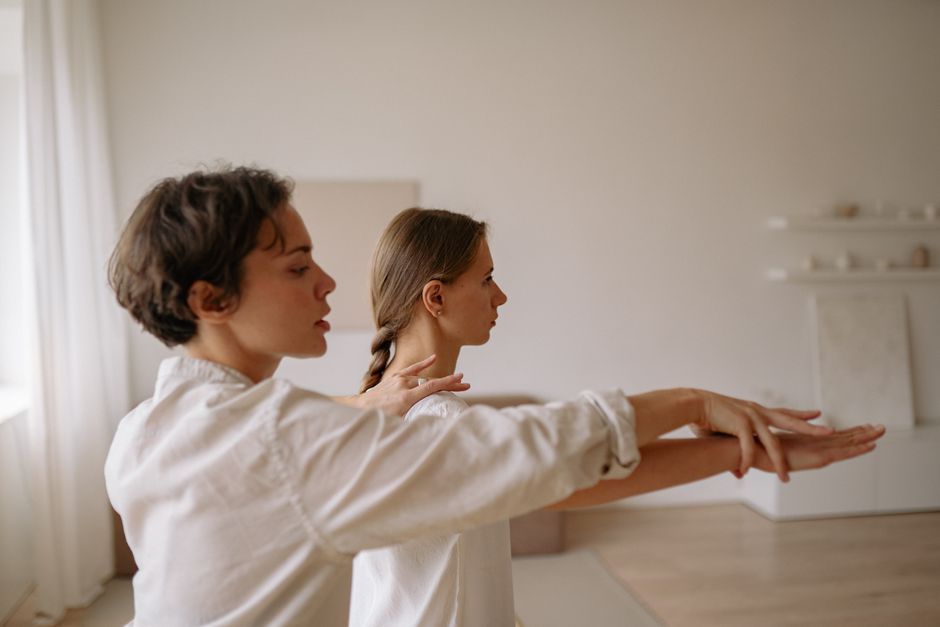
Structured exercise means following a program with planned frequency, intensity, sets, reps, or progressions. Think home strength training three times a week, a beginner running plan, or a progressive stretching routine designed to improve posture.
The evidence for structured training is strong. The U.S. Department of Health and Human Services Physical Activity Guidelines for Americans recommend at least 150 minutes of moderate-intensity aerobic activity weekly, plus muscle-strengthening activities on two or more days. Structured programs are the most reliable way to meet and track those targets.
Progressive overload, gradually increasing resistance or volume over time, is the foundation of muscle and strength development. You cannot replicate that reliably through spontaneous movement alone. Tools like resistance bands or dumbbells make structured home training accessible without a gym, and beginner programs can fit into 20-minute sessions.
For readers working toward fat loss or body composition changes, structured training in a modest calorie deficit is the combination that research consistently supports, without extreme restriction.
Where structured exercise shines:
- Building measurable strength, muscle, and endurance
- Supporting sustainable weight management and body composition goals
- Reducing injury risk through deliberate skill and capacity building
- Giving beginners a clear starting point so they are not paralyzed by choice
- Providing accountability and a sense of progress
Where it falls short:
Rigid programs can feel like homework. When adherence becomes an all-or-nothing identity test, missing a session can trigger enough guilt to derail the entire routine. Overtraining is also a real risk when people push intensity without building in adequate recovery. Rest days are not wasted days; they are when adaptation actually happens.
Side-by-Side: Which Approach Fits Your Situation
| Your situation | Better starting point |
|---|---|
| You have not exercised in months and feel overwhelmed | Intuitive movement first |
| You want to build lean muscle or lose fat progressively | Structured training |
| You are recovering from burnout or overtraining | Intuitive movement |
| You are a beginner who needs clear direction | Structured program |
| You want to improve mood, reduce stress, and stay active daily | Intuitive movement |
| You have a specific goal and a timeline | Structured training |
| You struggle with exercise consistency long-term | Blend of both |
Neither approach is universally superior. The best choice depends on where you are right now, what you are trying to achieve, and what you can realistically sustain.
How to Blend Both Without Perfectionism
The most practical strategy for most adults is a flexible hybrid. Here is one realistic structure:
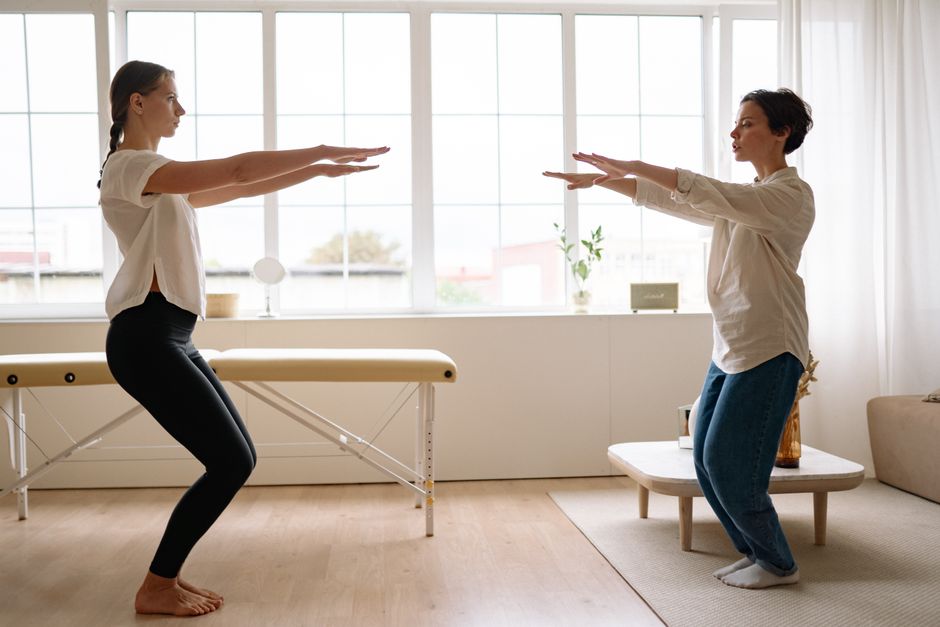
Two to three days a week: Follow a simple structured program. For beginners, a resistance band workout at home is an accessible entry point that builds real muscle without gym equipment. Commit to completing the session even when motivation is low, because consistency over time is what produces results.
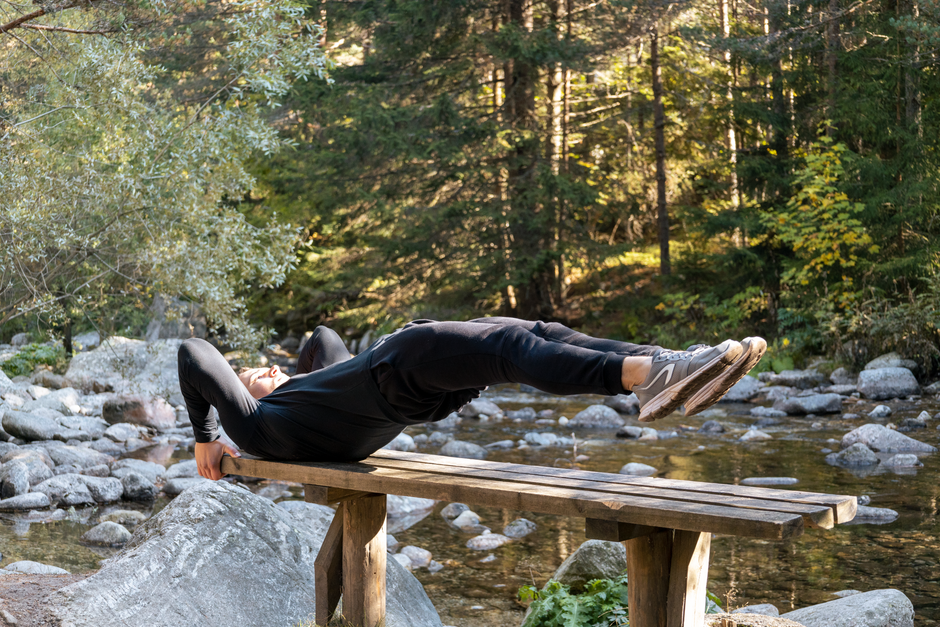
Every other day: Move intuitively. Walk after dinner, stretch while watching television, dance, play outside with your kids. This keeps your body active without the psychological weight of a formal session. Building a simple daily walking habit is one of the most underrated investments you can make in your long-term fitness.
When life gets hard: Default to intuitive movement rather than doing nothing. A ten-minute walk still counts. Skipping the structured session without shame, then returning to the plan the next scheduled day, preserves the habit far better than guilt-driven abandonment.
This blend respects both the science of progressive adaptation and the psychology of sustainable habits. You get measurable progress from your structured days and genuine enjoyment, recovery, and mental well-being from your intuitive days.
A Note on Body Confidence
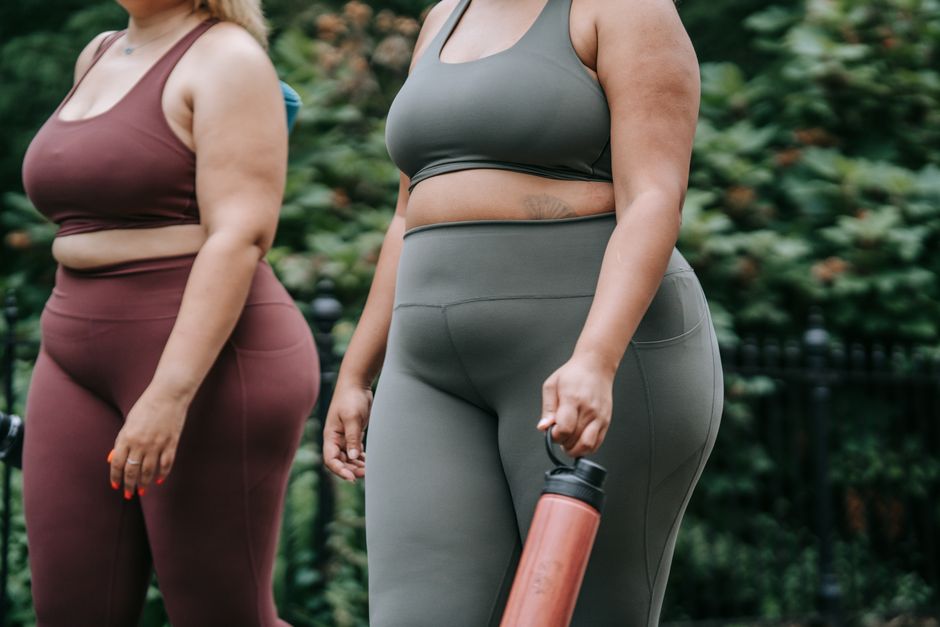
Body confidence tends to grow from both approaches together. Intuitive movement helps you associate physical activity with pleasure and agency rather than punishment or obligation. Structured training builds the tangible strength and capacity that often shifts how you feel in your body, independent of appearance.
Research published by the American Psychological Association suggests that exercise improves body image largely through the sense of physical competence and mastery it produces, not just through changes in weight or shape. Both intuitive movement and structured training contribute to that sense of mastery in different ways.
If you approach mindful eating vs. intuitive eating with a similar mindset, applying flexibility alongside intention, you will recognize the same principle at work: sustainable well-being comes from blending awareness with structure, not choosing one extreme.
Your Next Step
Choose one small, concrete action this week. If you have been avoiding all exercise, start with three twenty-minute intuitive movement sessions. If you already move daily but feel stuck, add one structured strength session using a beginner program. Consistency with something you can actually stick to will always outperform a perfect plan you abandon.
For more practical, evidence-informed movement guidance, explore the Clean Body Mentor library or sign up for the weekly newsletter, where we share realistic strategies for building fitness around real life.
This article is for general educational and informational purposes only and is not a substitute for medical advice, diagnosis, or treatment. Health needs vary by individual. Consult a qualified healthcare professional before making significant changes to your diet, exercise routine, supplements, medication, or treatment plan, especially if you have a medical condition, are pregnant or breastfeeding, take medication, or have concerns about your symptoms.
Sources
- U.S. Department of Health and Human Services. Physical Activity Guidelines for Americans, 2nd Edition. health.gov/paguidelines
- Teixeira, P. J., et al. “Exercise, physical activity, and self-determination theory: A systematic review.” International Journal of Behavioral Nutrition and Physical Activity, 2012.
- American Psychological Association. Research on exercise and body image. apa.org
- Standage, M., et al. Review in Psychology of Sport and Exercise on autonomous motivation and long-term adherence.