


When stress builds up and your mood dips, the instinct is often to look for a structured solution: a new workout program, a meditation app, or a supplement. But research suggests that one of the most effective mood-supporting tools is already outside your door. Outdoor activity for mental wellness is not about clocking miles or burning calories. It is about giving your nervous system the combination of fresh air, natural light, gentle movement, and sensory engagement that it genuinely responds to.
This article breaks down specific outdoor habits, explains why each one may help, and offers practical entry points for different schedules, climates, and fitness levels.

Quick Takeaways
- Sunlight exposure, contact with nature, and physical movement each independently support mood and stress reduction.
- Unstructured outdoor time, including gardening, wandering, and casual play, carries mental health benefits similar to formal exercise.
- Even short, consistent outdoor sessions may lower cortisol, improve sleep onset, and reduce symptoms of mild anxiety.
- When symptoms are persistent or severe, outdoor activity supports but does not replace professional mental-health care.
Why Outdoor Activity Affects Mental Well-Being
Your brain does not process outdoor environments the same way it processes indoor spaces. Exposure to natural settings, including parks, gardens, tree-lined streets, and bodies of water, engages what researchers call restorative attention. This is the effortless, low-demand awareness that allows the prefrontal cortex (the decision-making, stress-processing part of your brain) to recover from cognitive fatigue.
At the same time, natural light exposure early in the day helps regulate your circadian rhythm, which directly influences serotonin production and sleep quality. Movement of almost any kind also triggers endorphin release and lowers cortisol, the primary stress hormone. Combine these three elements outdoors, and the cumulative effect on emotional health is meaningful.
Research published in environmental psychology and preventive medicine journals consistently finds that people who spend regular time in natural or semi-natural outdoor settings report lower perceived stress, better mood, and higher life satisfaction compared to those who spend the same amount of time exercising indoors.
6 Outdoor Activities That Support Mental Wellness
1. Walking, With or Without a Destination
A purposeful walk is one of the most well-studied forms of outdoor activity for mental wellness. Even a 20-minute walk in a green environment can measurably reduce cortisol and self-reported anxiety. The rhythmic, bilateral nature of walking may also support emotional processing, which is one reason some therapists incorporate walk-and-talk sessions into their practice.
You do not need a scenic trail. A neighborhood sidewalk lined with trees, a local park, or even a tree-dotted school yard works. If you are also interested in body composition benefits, Walking for Weight Loss: A Realistic Approach to Fat Loss Through Daily Movement covers how to structure walks for both physical and mental goals. For those building from scratch, Beginner Walking Routines for Different Fitness Levels: From Short Daily Walks to Longer Distance Goals offers a gentle, progressive starting point.
2. Gardening and Soil Contact
Gardening is one of the most underrated outdoor activity options for mental wellness, and the science behind it is more interesting than most people expect. Contact with soil exposes you to Mycobacterium vaccae, a naturally occurring bacterium that preliminary research suggests may stimulate serotonin production in the brain. While this research is still early-stage, the broader benefits of gardening, including purposeful movement, sensory engagement, time in sunlight, and the reward of tending something living, are well supported.
Gardening also encourages what psychologists call “soft fascination”: gentle, absorbing attention that reduces mental rumination. Whether you have a backyard plot or a few containers on a balcony, tending plants offers a form of mindful movement that does not feel like exercise.
3. Unstructured Outdoor Time and Free Wandering
Not all outdoor time needs a goal. Research in attention restoration theory suggests that unstructured time in nature, where you are not navigating a route, tracking steps, or completing a task, allows the most complete mental recovery from stress and sustained cognitive work.
This might look like sitting in a park without your phone, wandering a neighborhood without a route in mind, or watching water move. If you find it difficult to step away from screens, Digital Wellness and Screen Time: Protecting Your Sleep, Focus, and Mental Health in a Connected World offers practical strategies for creating tech-free time.
4. Outdoor Movement Breaks During the Workday
Short outdoor breaks during a workday carry disproportionate mental health benefits. Even a five-minute walk outside between meetings can reset focus and reduce tension. This is especially relevant for people working from home or in sedentary office roles.
Movement Breaks for Deep Focus: How to Use Stretching and Walking to Reclaim Energy and Concentration at Work shows how to build these micro-habits into a workday schedule without disrupting productivity. Taking these breaks outdoors, even briefly, adds the mood-support layer that indoor movement alone does not provide.
5. Outdoor Play and Social Movement
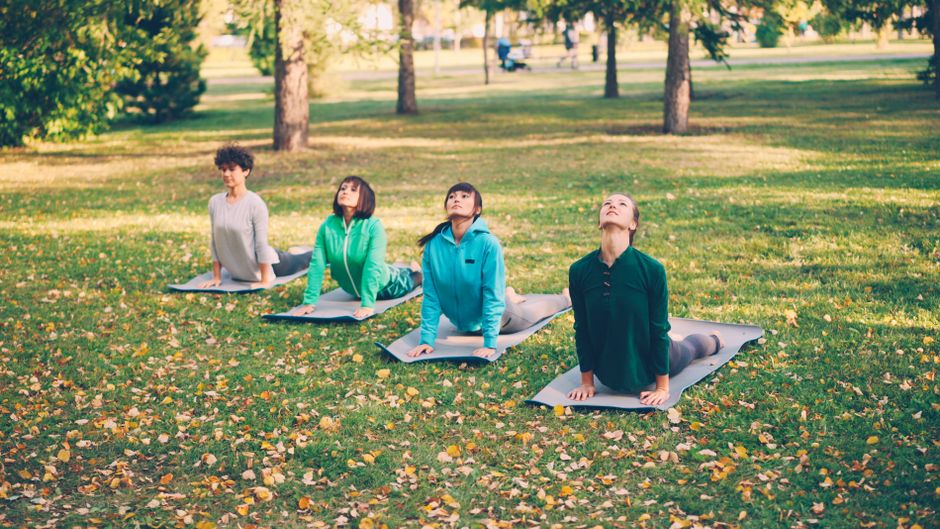
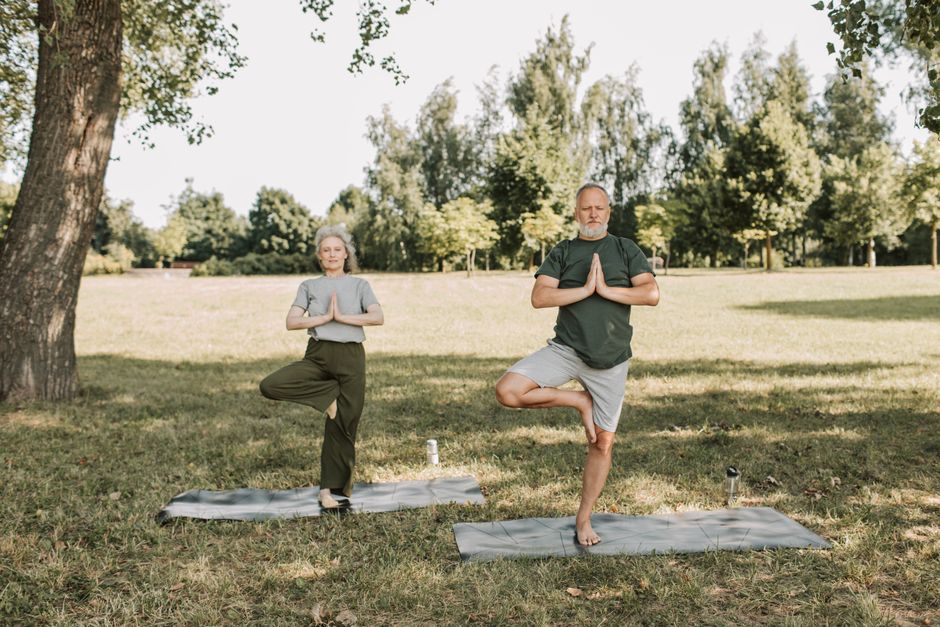
Group outdoor activity adds a social dimension that compounds the mental health benefit. Playing recreational sports, doing yoga in a park, cycling with a friend, or kicking a ball around with your kids all combine physical movement, social connection, sunlight, and mild unpredictability, which is exactly the kind of stimulation that helps regulate mood without taxing the body.
Social connection is a documented protective factor for both anxiety and depression, so pairing it with outdoor movement creates a layered benefit that neither element achieves as effectively on its own.
6. Mindful Nature Observation
Birdwatching, nature photography, and slow walks focused on noticing textures, sounds, or colors are low-intensity forms of outdoor activity that deliver real mental wellness benefits. These practices encourage sensory grounding, which activates the parasympathetic nervous system (the rest-and-digest state) and counteracts the hyperarousal that chronic stress creates.
For readers who also use breathwork or meditation, Breathwork vs. Meditation for Stress Relief: Which Practice Fits Your Life and Goals offers a helpful comparison that pairs well with mindful outdoor observation.
Common Mistakes to Avoid
- Turning every walk into a performance. Tracking pace, calories, and distance constantly shifts the focus from restorative engagement to achievement pressure. Leave metrics for training days.
- Only going outside when it is convenient. Mild weather discomfort, light rain, or cold air rarely prevents outdoor activity. Layering up and going anyway usually improves mood faster than waiting for ideal conditions.
- Expecting immediate results. A single outdoor session may lift mood acutely, but the deeper benefits accumulate over weeks of consistent practice.
- Using outdoor time as a substitute for professional support. Outdoor activity is a meaningful complement to mental health care, not a replacement. If you are experiencing persistent low mood, anxiety, or other mental health concerns, working with a licensed mental-health professional remains important.

Supporting Your Outdoor Practice From the Inside
What you do off the trail also shapes how well outdoor activity supports your mood. Adequate hydration influences cognitive function and emotional regulation. Hydration Timing for Mental Clarity and Mood: When and How Much Water Actually Affects Your Brain explores how water intake timing intersects with mental performance. Similarly, mood is partly a product of gut health. Gut Health and Mood: How Digestive Wellness Affects Your Mental Well-Being connects the dots between what you eat and how you feel outdoors and off.
Frequently Asked Questions
How much outdoor time do I need to notice a mood improvement?
Research suggests that as little as 20 to 30 minutes of outdoor activity in a natural or semi-natural setting several times per week may produce measurable mood benefits. Consistency matters more than duration.
Does outdoor walking count if I live in a city with limited green space?
Yes. Studies show that even urban outdoor environments with trees, water features, or parks provide restorative benefits compared to fully indoor settings. Seek out pockets of greenery when possible, but any outdoor time is beneficial.
What if I live somewhere with long winters or extreme heat?
Outdoor time does not disappear in challenging climates; it adapts. In cold weather, dressing in layers and aiming for the warmest part of the day works well. In extreme heat, early morning or evening outings reduce risk. Even brief outdoor exposure in difficult conditions carries some benefit.
Can outdoor activity help with anxiety specifically?
Research suggests it may support mild to moderate anxiety symptoms by lowering cortisol and activating the parasympathetic nervous system. It is not a substitute for therapy or medication when those are clinically indicated. If anxiety significantly affects daily functioning, please consult a qualified mental-health professional.
Is it better to exercise outdoors or indoors for mental health?
Both have value, and outdoor exercise appears to offer additional mood benefits beyond what the physical activity alone provides, likely due to nature exposure, natural light, and reduced environmental monotony. Combining both based on your schedule and preferences is a practical approach.

Your Next Step
Choose one outdoor activity from this list that genuinely sounds appealing to you, not the one that feels most productive or impressive, and commit to doing it for 15 to 20 minutes at least three times this week. That small, consistent practice is more likely to build into a lasting habit than an ambitious plan that fades after a few days.
If you want to build complementary habits alongside your outdoor movement, explore the Clean Body Mentor guides on stress, movement, and whole-person wellness, or subscribe to the weekly newsletter for practical, encouraging guidance delivered to your inbox.
This article is for general educational and informational purposes only and is not a substitute for medical advice, diagnosis, or treatment. Health needs vary by individual. Consult a qualified healthcare professional before making significant changes to your diet, exercise routine, supplements, medication, or treatment plan, especially if you have a medical condition, are pregnant or breastfeeding, take medication, or have concerns about your symptoms.