


Walking is one of the most accessible forms of physical activity available. You do not need equipment, a membership, or a specific body type to start. Yet for many people, the question is not whether walking is good for them, it is where to begin without overdoing it or losing motivation after a week.
This guide lays out practical walking routines for beginners at several fitness levels, from complete newcomers taking their first 10-minute stroll to people ready to work toward 5K distances or longer weekend walks. You will find sample weekly schedules, realistic pacing guidance, tips for staying consistent across seasons, and a few common mistakes to sidestep. Pick the level that honestly matches where you are right now, not where you wish you were.

Why Walking Deserves a Spot in Your Weekly Routine
Research published through major public health institutions consistently links regular moderate-intensity walking to meaningful benefits: improved cardiovascular health, better blood sugar regulation, lower stress levels, and improved mood. The CDC recommends 150 minutes of moderate-intensity aerobic activity per week for adults, and brisk walking counts.
Beyond the physical benefits, walking can anchor your day emotionally. It gives you time away from screens, a chance to decompress after work, or a shared habit you can build with a partner or child. If you are also working toward fat loss or a leaner body composition, pairing walking with balanced eating is a realistic, sustainable approach. You can read more about that combination in this detailed guide on Walking for Weight Loss: A Realistic Approach to Fat Loss Through Daily Movement.
The most important thing is starting at the right level, then building gradually.
Quick Takeaways Before You Lace Up
- Choose a level that feels manageable, not impressive.
- Consistency over a week matters more than one heroic long walk.
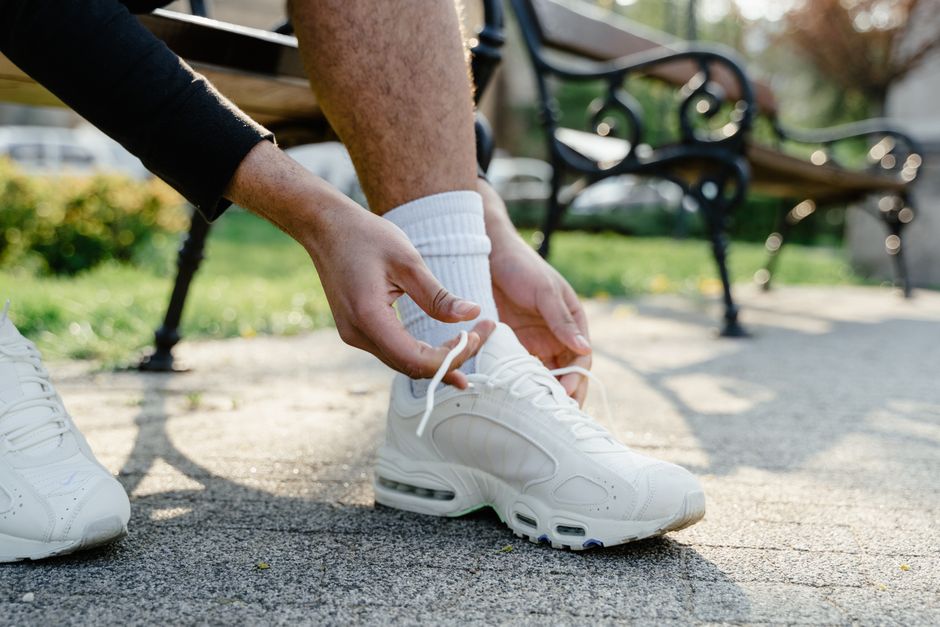
- Comfortable, supportive footwear makes a real difference.
- Rest days are productive days, not wasted ones.
- Progress is not linear; a slower week is not a setback.
Level 1: Complete Beginner (Little to No Regular Activity)
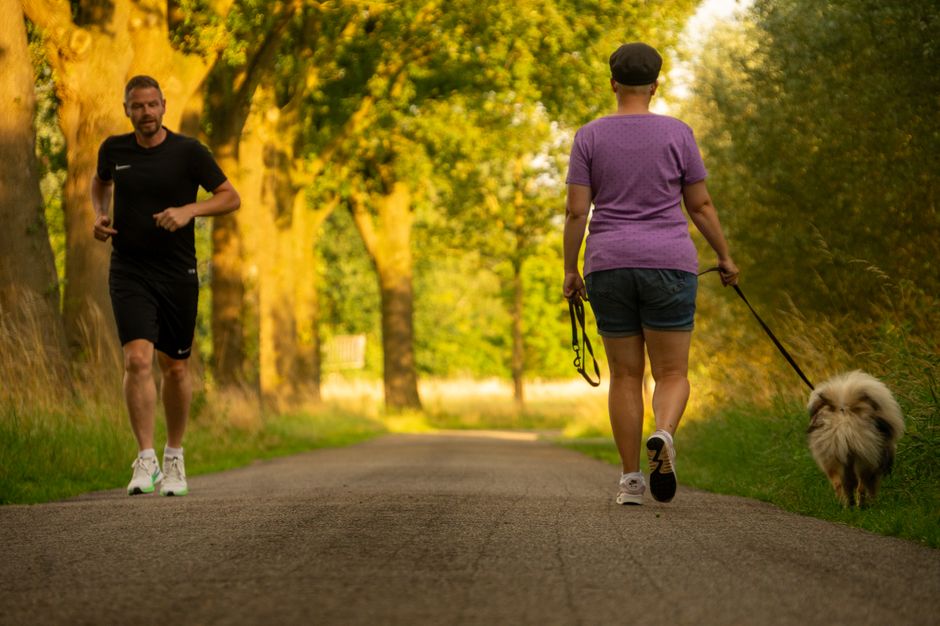
If you have been mostly sedentary or are returning after a long break, starting small is not a compromise. It is smart strategy. Jumping into 45-minute walks when your body is not conditioned can cause joint soreness, shin splints, or fatigue that makes you want to quit.
Sample Week for Level 1
- Monday: 10-minute easy walk at a comfortable pace
- Tuesday: Rest or gentle stretching
- Wednesday: 10-minute easy walk
- Thursday: Rest
- Friday: 12-minute walk, slightly brisker
- Saturday: Rest or light movement (gardening, casual strolling)
- Sunday: Rest
Total walking time: roughly 32 minutes
The goal here is building the habit, not accumulating mileage. Walk at a pace where you can hold a full conversation without gasping. This is sometimes called the “talk test” and it is a reliable low-tech way to stay in an appropriate aerobic zone.
Each week, aim to add 2 to 5 minutes to one or two of your walks. After four weeks at this level, you may be ready to move to Level 2.
Footwear note: Worn-out sneakers with little cushioning can contribute to foot and knee discomfort. You do not need expensive shoes, but a pair with adequate arch support and a firm heel counter helps your body absorb impact more comfortably.
Level 2: Building Consistency (Occasional Activity, Some Baseline Fitness)
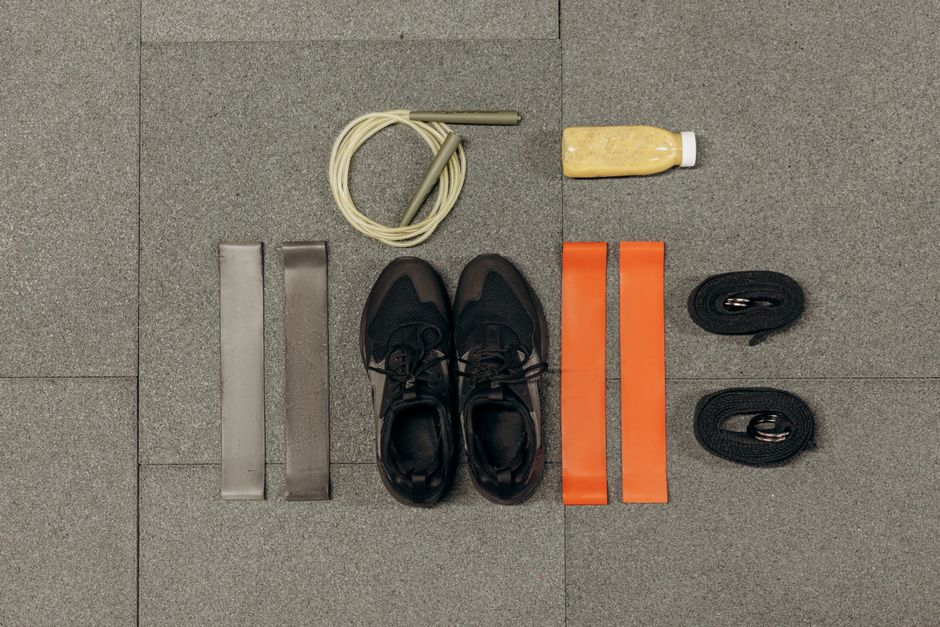
You move around regularly, maybe you walk the dog, take the stairs, or do occasional light activity, but you do not have a structured walking routine yet. Level 2 introduces a more deliberate schedule and begins to incorporate slightly longer durations.
Sample Week for Level 2
- Monday: 20-minute brisk walk
- Tuesday: Rest or gentle mobility work
- Wednesday: 20-minute walk, aim to cover slightly more ground than Monday
- Thursday: 15-minute easy recovery walk or rest
- Friday: 25-minute brisk walk
- Saturday: 30-minute relaxed walk (can be social or nature-based)
- Sunday: Rest
Total walking time: roughly 110 minutes
At this level, pace matters a bit more. Brisk walking means you are breathing noticeably but still able to speak in short sentences. Your heart rate is elevated but comfortable. If you have a fitness tracker, a heart rate of roughly 50 to 70 percent of your estimated maximum is a reasonable target zone, though the talk test works just as well.
Consistency across all five walking days is more valuable than making each walk longer. After three to four weeks, start replacing one of your shorter walks with a 30 to 35-minute outing.
If desk work is a big part of your day, pairing this walking routine with some intentional stretching may help your hips and lower back feel better. The guide on Stretching and Mobility Routines for Desk Workers offers a practical starting framework.

Level 3: Intermediate Progression (Walking Regularly, Ready for More Structure)
You walk several times a week but want to increase your distance, improve your cardiovascular fitness, or work toward a specific goal like a 5K walk or a 60-minute continuous walk.
Sample Week for Level 3
- Monday: 35-minute brisk walk
- Tuesday: Active recovery (light stretching, yoga, or a 15-minute easy stroll)
- Wednesday: 40-minute walk with two 5-minute intervals at a faster pace
- Thursday: Rest
- Friday: 35-minute brisk walk
- Saturday: 50-minute long walk at a comfortable, sustainable pace
- Sunday: Rest or light movement
Total walking time: roughly 175 minutes (not counting Tuesday light movement)
The Wednesday interval structure, where you alternate between your normal brisk pace and a slightly faster effort, is a simple way to add variety and begin improving your cardiovascular response without running. You do not need a track or a timer app. Simply walk faster for a block or a minute, return to your comfortable pace, and repeat.
For those who want to eventually use walking as part of a broader fat-loss or fitness strategy, this is a good level to review the Building a Sustainable Walking Plan for Fat Loss and Fitness Confidence guide, which covers how to structure walking alongside nutrition and recovery.
Adding Distance Over Time
A useful rule borrowed from running training: do not increase your total weekly walking distance by more than 10 percent from one week to the next. This gives your joints, tendons, and muscles time to adapt. Cartilage and connective tissue adapt more slowly than cardiovascular fitness, so going by feel alone can lead to overuse issues.

Level 4: Distance-Focused Walking (Building Toward Longer Outings)
You are walking regularly and want to work toward a specific milestone: a charity walk, a long hike, a daily 10,000-step target, or simply covering four to five miles without fatigue.
Sample Week for Level 4
- Monday: 40-minute brisk walk
- Tuesday: 20-minute easy recovery walk
- Wednesday: 50-minute walk with 10 minutes of faster-paced walking in the middle
- Thursday: Rest or active recovery (foam rolling, gentle stretching)
- Friday: 40-minute brisk walk
- Saturday: 60 to 75-minute long walk at a conversation-friendly pace
- Sunday: Rest
Total walking time: roughly 230 to 245 minutes
At this level, how you fuel and recover matters more. A small, balanced snack before longer walks, adequate hydration, and a few minutes of post-walk stretching can meaningfully affect how your legs and feet feel the next morning. For ideas on pairing movement with stable energy levels, the article on Eating for Stable Energy: Nutrient Combinations That Keep You Full and Focused All Day is worth reading alongside this plan.

Adapting Your Walks for Different Seasons and Life Circumstances
Cold and Winter Weather
Cold air is not a reason to stop walking, but it does require a few adjustments. Layer clothing so you can remove a layer once your body warms up. Cover your ears and hands if temperatures drop significantly. Walk on well-lit, salted paths if icy conditions are possible. Morning sunlight exposure during winter walks can also support vitamin D levels; if you live in a northern region with limited sun, the article on Vitamin D and Energy Levels: What the Research Shows About Sunlight, Supplements, and Seasonal Wellness explains what the research actually shows.
Hot and Humid Weather
Shift walks to early morning or evening when temperatures are lower. Wear light-colored, breathable clothing. Carry water or plan your route near water fountains. Do not push your usual pace in high heat; your cardiovascular system is working harder just to regulate your temperature.
Rainy Days and Indoor Alternatives
A light rain is not a health risk and many people find it invigorating. If weather is truly miserable, indoor alternatives include mall walking, a treadmill at a community center, or stair climbing in your building. The goal is movement continuity, not outdoor experience specifically.
Busy Life Phases
Parenting, travel, and work stress can disrupt any routine. Rather than skipping walks entirely during hectic periods, aim for shorter ones. A 10-minute walk during a lunch break or after dinner is genuinely meaningful. Consistent short walks protect the habit even when life makes longer ones impossible. You can find encouragement and realistic examples of habit-building under pressure in the article How Three Readers Built Sustainable Healthy Habits Without Perfectionism.

Common Mistakes to Avoid
- Starting too fast: Enthusiasm is great, but starting at a pace or duration that leaves you sore for three days is counterproductive. The first week or two should feel slightly too easy.
- Ignoring rest days: Rest is when your body adapts and repairs. Skipping all rest days is one of the most common reasons beginners hit a plateau or get injured. Recovery Days and Active Rest explains this clearly.
- Only measuring steps: Step counts are motivating but imperfect. Time spent walking and perceived effort often give you a better overall picture of your progress.
- Skipping warm-up: A slow two-minute easy stroll before your brisk walk gives your muscles and joints time to prepare. This matters more when walking in cold weather or first thing in the morning.
- Comparing yourself to others: Your 20-minute walk is not inferior to someone else’s 5-mile run. It is the right amount for where you are right now.

Safety Notes and When to Consult a Professional
Walking is generally safe for most adults, including those with mild joint concerns or weight-related health issues. That said, some situations call for a conversation with a qualified healthcare professional before increasing your activity level:
- You experience chest pain, pressure, or shortness of breath during or after walking.
- You have a cardiovascular condition, recent surgery, or a musculoskeletal injury.
- You have diabetes and are adjusting your activity significantly (blood sugar responses can shift).
- You are pregnant or recently postpartum.
- You have pain in your knees, hips, or feet that worsens during or after walking.
For most healthy adults, the practical guidance here is appropriate. When in doubt, a brief check-in with your doctor before starting a new routine is always reasonable.

Frequently Asked Questions
How many days a week should a complete beginner walk?
Three to four days per week is a solid starting point. This gives your body time to recover between sessions while building a reliable habit. You can add a fifth day after a few weeks when the routine feels comfortable.
Is walking enough exercise on its own?
Walking provides real cardiovascular, metabolic, and mental health benefits. For many people it is a meaningful cornerstone of an active lifestyle. Over time you may want to add some strength training to support bone density and muscle maintenance, especially as you age. Guides like Strength Training for Beginners at Home can help you add that layer without overwhelm.
What is a good pace for a beginner?
A pace where you can speak in complete sentences but would not want to sing is a reliable guide. That typically falls around 2.5 to 3.5 miles per hour, but exact speed matters less than consistent effort.
How do I stay motivated when walking feels boring?
Variety helps. Try different routes, walk with a friend or family member, listen to a podcast or playlist you save specifically for walks, or set a small milestone to work toward. Purpose-driven goals, like working toward a charity 5K or exploring a new park, tend to sustain motivation better than abstract fitness targets.
Should I stretch before or after walking?
Gentle movement before walking (like slow walking and leg swings) warms the body up better than static stretching on cold muscles. Save longer static stretches for after your walk, when muscles are warm and more pliable. Even five minutes of post-walk stretching can help with flexibility and reduce next-day stiffness.
This article is for general educational and informational purposes only and is not a substitute for medical advice, diagnosis, or treatment. Health needs vary by individual. Consult a qualified healthcare professional before making significant changes to your diet, exercise routine, supplements, medication, or treatment plan, especially if you have a medical condition, are pregnant or breastfeeding, take medication, or have concerns about your symptoms.

Start Small, Stay Consistent, Keep Going
The best walking routine is the one you will actually do. If that means 10 minutes three times a week right now, that is exactly right. Over weeks and months, those minutes accumulate into a habit that can meaningfully change your energy, mood, and physical health.
Choose one level from this guide that honestly reflects where you are today, block out your walk times in your schedule, and commit to one week before evaluating how it feels. That is the only next step that matters right now.
If you want ongoing practical guidance for building a healthier lifestyle, browse the Clean Body Mentor library or sign up for the weekly newsletter. There is always a next step waiting, and it is always one you can take.