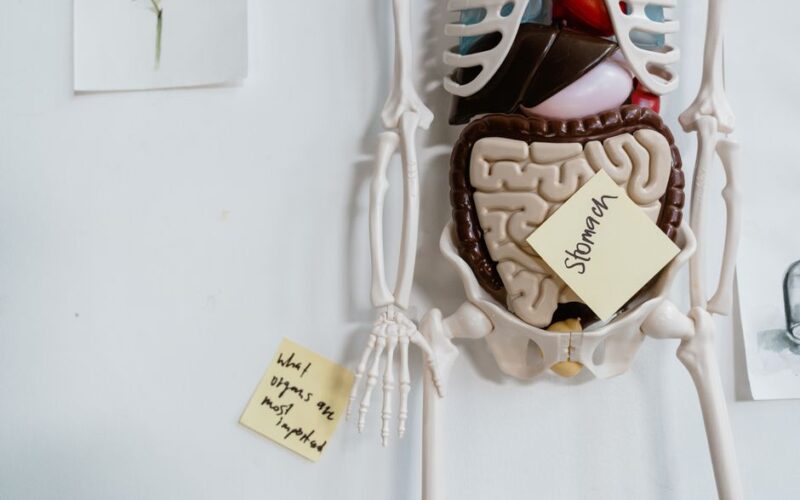

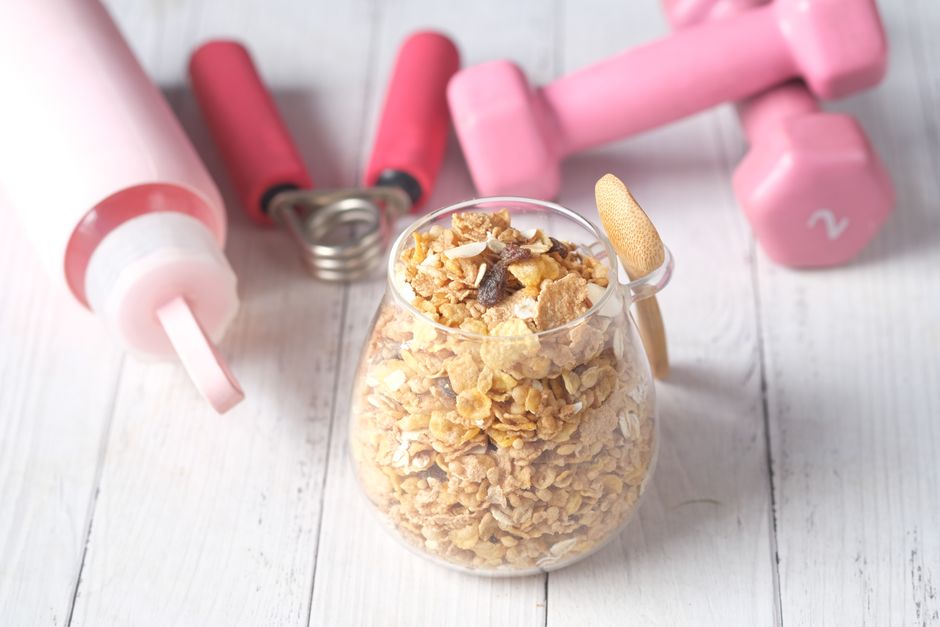
If your stomach starts growling at 10 a.m. even though you ate breakfast two hours ago, the problem probably is not breakfast itself. More often, the meal lacked enough protein or fat to trigger real, lasting satiety. A bowl of cereal, a slice of toast, or a fruit-only smoothie can spike your blood sugar quickly and then leave you searching for snacks before your second meeting of the day.
This guide explains exactly how much protein a satisfying breakfast needs, which foods deliver it most affordably, and how to put together quick high-protein breakfasts whether you have five minutes or thirty. The goal is a practical, flexible approach to a high-protein breakfast for weight loss that fits real schedules and real budgets.
Why Protein at Breakfast Changes the Whole Morning
Protein is the most satiating macronutrient. Research suggests it reduces levels of ghrelin, a hormone that drives hunger, while increasing hormones that signal fullness. When you front-load protein early in the day, you tend to eat less overall, which can support a calorie deficit without forcing yourself to white-knuckle cravings.
Carbohydrates are not the enemy here. The issue is proportion. A breakfast dominated by refined carbs and low in protein digests quickly, causing an energy spike and then a drop. Adding meaningful protein slows digestion, softens the blood sugar curve, and keeps you focused.
For a deeper look at why the timing of protein matters beyond the morning, see Protein Timing and Hunger: When You Eat Protein Matters as Much as How Much.

How Much Protein Do You Actually Need at Breakfast?
A common target is 25 to 35 grams of protein per meal for most adults, though your individual needs vary based on body weight, activity level, age, and health goals. Many people eat only 10 to 15 grams at breakfast and wonder why they feel hungry mid-morning.
For context, 30 grams of protein at breakfast might look like:
- Three large eggs plus a half cup of cottage cheese
- A cup of Greek yogurt (2% or higher fat) with a scoop of protein powder stirred in
- Two eggs scrambled with three ounces of smoked salmon
- A tofu scramble made with half a block of firm tofu plus two tablespoons of hemp seeds
If your current breakfast is not hitting that range, you are likely experiencing exactly what the intro described. The Breakfast Protein Mistake: Why You Might Still Feel Hungry (And How to Fix It) breaks down the most common gaps in detail.

The Best Affordable Protein Sources for Breakfast
High-protein eating does not require expensive protein powders or elaborate grocery lists. These everyday ingredients offer solid protein per dollar:
Eggs
One large egg provides about 6 grams of protein and a range of micronutrients. Buying a dozen at a time keeps cost low. Scrambled, hard-boiled in advance, or made into a simple frittata, eggs are one of the most versatile breakfast proteins available.
Greek Yogurt and Cottage Cheese
A single cup of plain Greek yogurt delivers roughly 17 to 20 grams of protein. Cottage cheese is often even higher per cup. Both pair well with fruit, seeds, or a drizzle of nut butter, and both can be prepped in seconds.
Canned Fish
Sardines or tuna on whole-grain toast is a legitimate, filling breakfast. Canned salmon works beautifully in egg scrambles. These options are cost-effective and provide protein alongside healthy fats.
Legumes
Black beans or lentils in a breakfast burrito or savory bowl give you protein and fiber together, a particularly effective satiety combination. If legumes feel unusual for breakfast, try them layered with eggs and salsa for a satisfying wrap.
Hemp and Chia Seeds
These are easy protein boosters. Two tablespoons of hemp seeds add about 6 grams of protein and blend into smoothies, yogurt, or oatmeal without changing the flavor. For smoothie-building ideas, Building a Sustainable Smoothie Practice: From Weekly Prep to Daily Convenience has a helpful framework.

How to Build a Satisfying High-Protein Breakfast
A reliable formula helps on busy mornings when decision fatigue sets in early. Think in three layers:
- A protein anchor (eggs, Greek yogurt, cottage cheese, tofu, smoked salmon)
- A fiber source (vegetables, fruit, whole grains, or legumes)
- A healthy fat (avocado, nut butter, olive oil, seeds)
This combination takes longer to digest than carbs alone, keeps blood sugar more stable, and gives the meal staying power. You do not need to count every gram obsessively. Practicing mindful eating without calorie counting can help you tune in to genuine fullness cues over time.
Five-Minute Options
- Cottage cheese bowl: Half a cup of cottage cheese, frozen berries microwaved for 60 seconds, a tablespoon of almond butter, and a sprinkle of hemp seeds.
- Hard-boiled eggs plus Greek yogurt: Prep eggs the night before. Grab two eggs, a small container of plain Greek yogurt, and a piece of fruit. Eat at your desk if needed.
- Protein smoothie: Blend a cup of Greek yogurt or a scoop of plain protein powder with frozen spinach, a banana, and water or milk. See Smoothie Mistakes That Sabotage Your Energy and Satiety to make sure your blend is actually balanced.
Thirty-Minute Options
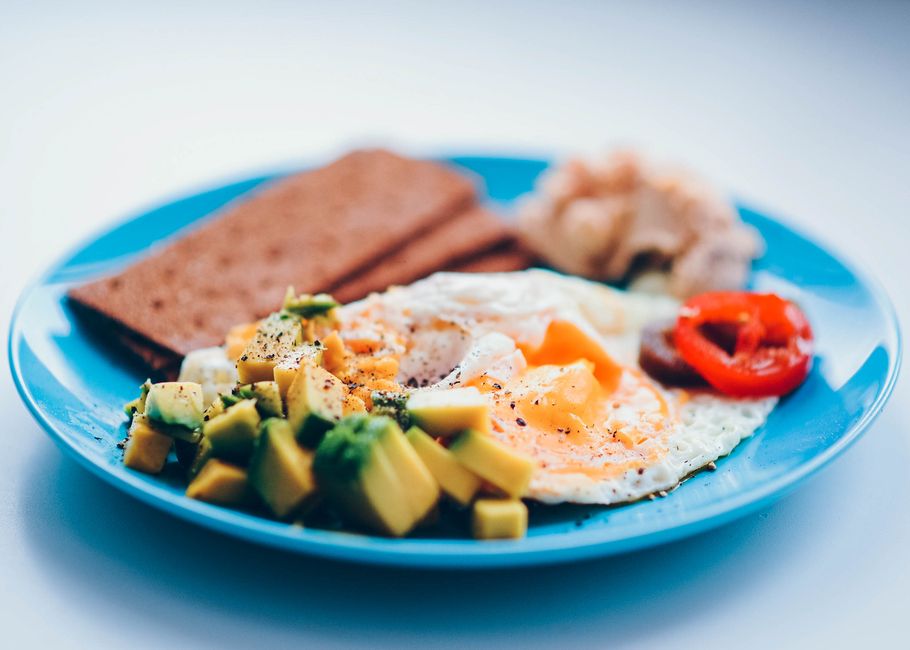
- Veggie egg scramble: Three eggs scrambled with diced peppers, spinach, and onions in olive oil. Serve with whole-grain toast and avocado slices.
- Smoked salmon and egg plate: Two poached or soft-boiled eggs alongside two to three ounces of smoked salmon, sliced cucumber, and a slice of rye bread.
- Savory oat bowl: Cook rolled oats in broth, top with a fried egg, a spoonful of tahini, and sliced scallions for a protein-boosted, fiber-rich meal.
For a broader collection of ideas across different schedules and preferences, High-Protein Breakfast Ideas for Steady Energy and Satiety is a useful companion resource.

Common Mistakes That Undercut Your Breakfast Protein
- Relying on protein bars as a full breakfast. Many bars contain 10 to 12 grams of protein alongside a significant sugar load. They work better as a snack. For help choosing snacks wisely, check out Protein and Satiety in Snacks: Why Some High-Protein Choices Keep You Fuller Longer.
- Treating flavored yogurt as a high-protein food. Many flavored varieties contain as little as 5 to 8 grams of protein and added sugar. Plain Greek yogurt or plain skyr gives you far more protein per serving.
- Skipping fat entirely. Low-fat breakfasts sometimes leave people less satisfied. A small amount of healthy fat, like avocado or nut butter, works with protein to extend satiety.
- Assuming a big breakfast means complicated prep. Batch-cooking eggs or portioning out yogurt and seeds on Sunday takes less than 20 minutes and sets you up for the whole week. Meal Prep for Two Weeks Without Burnout has a practical system for this.
Frequently Asked Questions
How much protein is actually enough for breakfast to prevent mid-morning hunger?
For most adults, aiming for 25 to 35 grams at breakfast tends to produce meaningful satiety. If you are currently eating far less than this, even increasing to 20 grams is a useful first step.
Can a protein smoothie replace a whole breakfast?
Yes, if it is balanced. A smoothie built with Greek yogurt or protein powder, a fiber source like spinach or oats, and a healthy fat like nut butter can be just as satisfying as a solid meal. Skipping fat and fiber in a smoothie is where most people run into trouble.
Is a high-protein breakfast helpful for weight loss even if I am not working out?
Research suggests it can support weight management by reducing overall daily calorie intake through improved satiety, independent of exercise. Combining it with regular movement tends to produce better results over time.
What if I am not hungry in the morning?
Skipping breakfast is not inherently harmful if you are not hungry. However, if you tend to overeat later in the day, experimenting with a small, protein-rich first meal may help redistribute your appetite more evenly.
Are plant-based options realistic for hitting 25 to 30 grams of protein at breakfast?
Absolutely. Tofu scrambles, hemp seeds, edamame, tempeh, or a combination of legumes and seeds can reach this target. It takes a little more planning than reaching for eggs, but it is very doable with a few go-to recipes.
Your Next Step
Choose one breakfast from this guide that fits your schedule this week and try it for three to five mornings in a row. Notice whether your hunger patterns shift. Consistency with a simple approach will carry you further than occasional perfect meals.
If you want to keep building toward more stable energy throughout the day, Eating for Stable Energy: Nutrient Combinations That Keep You Full and Focused All Day is a natural next read. You are also welcome to join the Clean Body Mentor newsletter for practical weekly guidance delivered straight to your inbox.
This article is for general educational and informational purposes only and is not a substitute for medical advice, diagnosis, or treatment. Health needs vary by individual. Consult a qualified healthcare professional before making significant changes to your diet, exercise routine, supplements, medication, or treatment plan, especially if you have a medical condition, are pregnant or breastfeeding, take medication, or have concerns about your symptoms.