


You’ve heard the advice a hundred times: eat more protein at breakfast. So you started adding eggs, Greek yogurt, or a protein shake to your morning routine. Good move. But if you’re still reaching for snacks by 10 a.m., staring at the clock until lunch, or feeling that familiar hollow ache two hours after eating, something is still missing.
The good news is that it isn’t about eating more food or trying harder. It’s about understanding what actually keeps you full and how your body processes a morning meal. A high-protein breakfast is a powerful starting point, but protein alone is only one piece of the satiety puzzle.
This article explains why that gap in hunger occurs, what nutrients and meal structures work alongside protein to produce lasting fullness, and exactly how to build five adaptable breakfast formulas that you can make work for your schedule, preferences, and budget.

Quick Takeaways
- Protein supports fullness by influencing appetite-regulating hormones, but it works best when combined with fiber and healthy fats.
- Many high-protein breakfasts are low in fiber and dietary fat, which shortens the fullness window.
- Meal structure, eating pace, and total calorie adequacy also affect how long you stay satisfied.
- Five breakfast formulas below cover different preferences, from savory to sweet, fast to leisurely.
- Small, consistent changes tend to outperform complex overhauls.
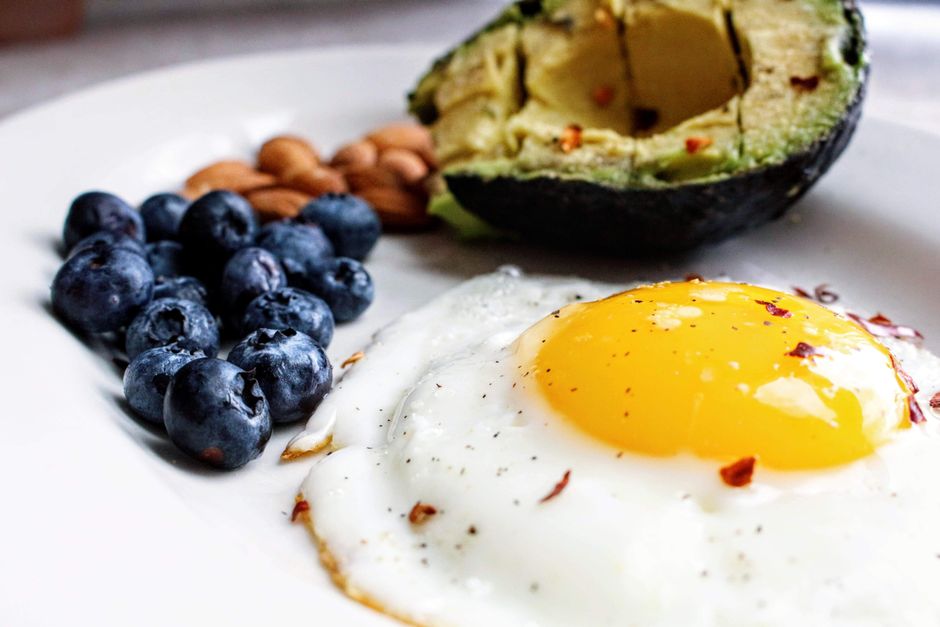
Why Protein Matters at Breakfast (And Why It’s Not the Whole Story)
Protein genuinely earns its reputation. It stimulates the release of satiety hormones like peptide YY and GLP-1 while reducing levels of ghrelin, the hormone most associated with hunger signaling. Research also suggests that protein has a higher thermic effect than carbohydrates or fat, meaning your body uses more energy to digest it. These mechanisms make a high-protein breakfast a meaningful tool for managing hunger and supporting body composition goals.
But here’s where many people get stuck: the typical protein-forward breakfast misses fiber almost entirely.
Consider a common morning meal: two scrambled eggs and a cup of coffee. That gives you roughly 12 to 14 grams of protein, minimal fiber, and moderate fat. Or a single-serve Greek yogurt cup with a drizzle of honey: around 15 grams of protein, less than 1 gram of fiber, and very little fat. These meals can leave you hungry faster than you’d expect, not because the protein failed, but because nothing else is working with it.
Fiber slows digestion, adds physical volume to your meal, and feeds beneficial gut bacteria that may play a role in appetite regulation. Healthy fats slow gastric emptying, meaning food stays in your stomach longer. When you’re missing both, even a solid protein source gets processed and cleared relatively quickly.
For a broader look at how nutrient combinations affect energy and fullness throughout the day, Eating for Stable Energy: Nutrient Combinations That Keep You Full and Focused All Day offers a helpful companion read.

The Three-Part Satiety Formula
Before diving into specific breakfasts, it helps to understand the simple framework that makes them work.
Protein: The Foundation
Aim for 20 to 35 grams of protein at breakfast, depending on your total daily needs and body size. Research suggests this range is where appetite-suppressing hormone responses tend to be most meaningful. Good sources include eggs, Greek yogurt, cottage cheese, tofu, tempeh, smoked salmon, lean poultry, legumes, and quality protein powders when whole-food options aren’t accessible.
Fiber: The Slow-Down Agent
Aim for at least 5 to 8 grams of fiber at breakfast. Soluble fiber in particular, found in oats, chia seeds, flaxseed, legumes, and fruit like berries and apples, forms a gel in your digestive tract that slows the absorption of nutrients and extends the feeling of fullness. Insoluble fiber from vegetables and whole grains adds bulk and supports digestive comfort.
Digestive Health and Whole-Person Wellness: What You Should Know About Gut Function covers how fiber and gut health connect in more detail if you want to explore that angle further.
Healthy Fats: The Staying Power
Including a moderate amount of healthy fat, roughly 10 to 20 grams, helps slow gastric emptying and makes meals feel more satisfying. Avocado, nuts and nut butter, seeds, whole eggs, extra-virgin olive oil, and full-fat dairy all contribute here. The goal isn’t to add fat for its own sake, but to include it as a functional part of a balanced meal.
When all three components are present, they reinforce each other. Protein anchors the hormone response, fiber extends digestion time, and fat rounds out satiety signals. The result is a morning meal that genuinely carries you through to lunch.
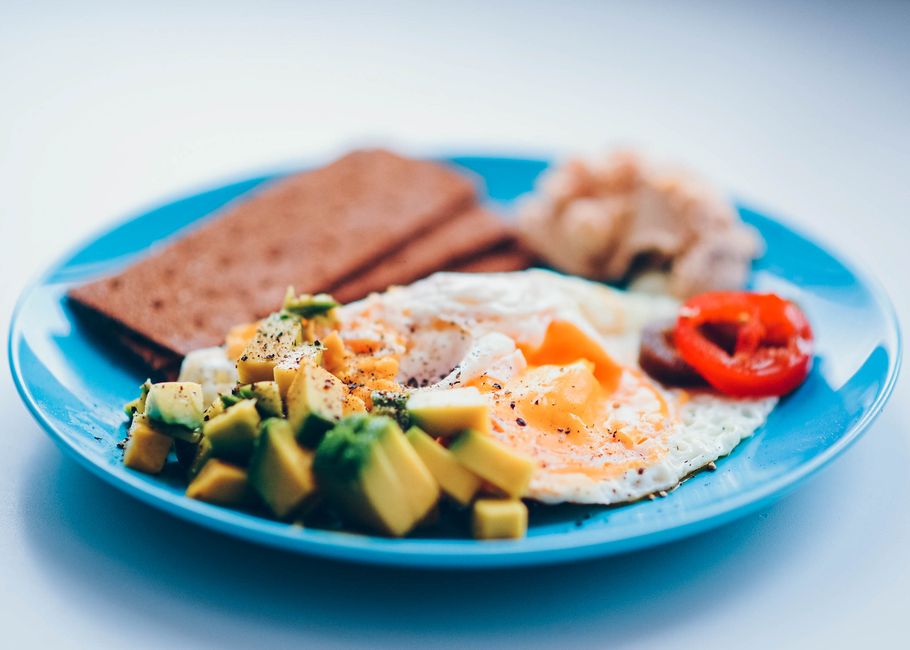
5 Breakfast Formulas That Actually Work
These formulas are adaptable. Swap proteins, choose different vegetables, or adjust portions to match your calorie needs. Each one follows the three-part satiety framework.
Formula 1: The Savory Egg Bowl
Base ingredients: 2 to 3 whole eggs scrambled or poached, 1/2 cup cooked black beans or lentils, a large handful of spinach or sauteed kale, 1/4 avocado, and a sprinkle of hemp seeds.
Why it works: Whole eggs provide protein and fat together. Beans add substantial fiber and extra plant-based protein. Leafy greens contribute micronutrients and insoluble fiber. Avocado covers your healthy fat portion. Hemp seeds add a small fiber and omega-3 boost.
Approximate nutrition: 28 to 35g protein, 10 to 12g fiber, 18 to 22g fat.
Time required: 10 to 12 minutes. Prep the beans ahead on a Sunday to cut this to 6 minutes on busy mornings. Meal Prep for Beginners: Simple Systems to Save Time and Build Healthier Eating Habits has practical strategies if batch cooking is new to you.
Formula 2: The High-Protein Overnight Oats
Base ingredients: 1/2 cup rolled oats, 3/4 cup plain Greek yogurt (full-fat or 2%), 1 tablespoon chia seeds, 1/2 cup mixed berries, 1 tablespoon almond butter, and a small drizzle of honey if desired.
Why it works: Oats provide beta-glucan, a soluble fiber with solid evidence behind its role in satiety and cholesterol management. Greek yogurt supplies protein and probiotics. Chia seeds add omega-3 fatty acids, fiber, and some plant-based protein. Berries contribute antioxidants and natural sweetness with modest fiber. Almond butter supplies healthy fat and a small protein boost.
Approximate nutrition: 24 to 30g protein, 9 to 11g fiber, 16 to 20g fat.
Time required: 5 minutes the night before, zero effort in the morning. This formula is ideal for busy parents or anyone who struggles to cook before work.
Formula 3: The Savory Cottage Cheese Toast
Base ingredients: 2 slices whole-grain or sprouted bread, 3/4 cup low-fat or full-fat cottage cheese, sliced cherry tomatoes, cucumber, a few olives, and a drizzle of olive oil with red pepper flakes.
Why it works: Cottage cheese is one of the most protein-dense dairy foods by volume and tends to digest more slowly than whey-based sources. Whole-grain bread contributes fiber that refined white bread cannot. Vegetables add volume, micronutrients, and insoluble fiber. Olive oil and olives provide heart-supportive monounsaturated fat.
Approximate nutrition: 26 to 32g protein, 6 to 8g fiber, 14 to 18g fat.
Time required: 5 minutes. No cooking required.
Formula 4: The High-Protein Smoothie (Done Right)
Most smoothies fail the satiety test because they skip fat and fiber. This version is built differently.
Base ingredients: 1 scoop of a quality protein powder (whey, pea, or hemp, targeting 20 to 25g protein), 1 cup unsweetened almond or oat milk, 1/2 frozen banana, 1/2 cup frozen spinach, 1 tablespoon ground flaxseed, 1 tablespoon almond butter or a small handful of walnuts, and 1/2 cup frozen mixed berries.
Why it works: Protein powder provides the protein foundation when whole foods aren’t convenient. Ground flaxseed adds soluble and insoluble fiber plus omega-3s. Nut butter or walnuts supply healthy fat. Spinach contributes micronutrients without changing flavor noticeably. Frozen fruit adds fiber and natural sweetness without added sugar overload.
Approximate nutrition: 28 to 34g protein, 8 to 10g fiber, 14 to 18g fat.
Time required: 4 to 5 minutes.
For more ideas in this format, Smoothie Bowls vs. Blended Smoothies: Which Is Better for Your Goals and Lifestyle explores how the format affects satiety and nutrition delivery.
Formula 5: The Tofu Scramble for Plant-Based Mornings
Base ingredients: 3/4 cup firm tofu crumbled and pan-cooked with turmeric, garlic, and nutritional yeast, 1/2 cup cooked quinoa or a slice of whole-grain toast, 1/2 cup sauteed bell peppers and mushrooms, 1/4 avocado, and a handful of cherry tomatoes.
Why it works: Tofu provides complete plant-based protein. Quinoa adds both protein and fiber as a complementary source. Vegetables supply insoluble fiber and volume. Nutritional yeast contributes B vitamins, a small protein boost, and a savory umami flavor. Avocado rounds out the healthy fat requirement.
Approximate nutrition: 22 to 28g protein, 8 to 12g fiber, 14 to 18g fat.
Time required: 12 to 15 minutes. Prep the tofu and vegetables in batches to speed up weekday mornings.

Common Mistakes That Undermine a High-Protein Breakfast
Relying on protein bars or shakes as a complete meal. Many bars are high in protein but low in fiber and fat, which means they satisfy for a shorter window. If convenience foods are necessary, pair them with a piece of fruit, a small handful of nuts, or a fiber-rich side.
Eating too fast. Satiety hormones take roughly 15 to 20 minutes to signal fullness to the brain. Rushing through breakfast, especially in liquid form, can make it easy to undereat or overeat without realizing it. Slowing down helps. Mindful Eating Without Restriction: How to Build a Calmer, More Intuitive Relationship with Food offers accessible strategies for eating with more awareness.
Going too low in total calories. If your breakfast is very low in calories overall, no amount of protein optimization will produce lasting fullness. Hunger is partly a simple energy signal. A breakfast in the range of 400 to 550 calories is a reasonable starting point for most adults, though individual needs vary.
Skipping carbohydrates entirely. Low-carbohydrate breakfasts can work well for some people, but eliminating carbs often means losing fiber sources. If you prefer lower-carb eating, prioritize high-fiber vegetables and seeds over refined carbs rather than cutting carbohydrates altogether.
Drinking coffee and calling it breakfast. Coffee can temporarily suppress appetite, which sometimes masks hunger rather than resolving it. The hunger tends to return sharply, often leading to less intentional food choices later in the morning.
For more ideas on keeping hunger managed between meals when breakfast doesn’t hold you until lunch, High-Protein Snacks and Light Meals for Sustained Energy Between Meals: Real Options Beyond Bars and Shakes is worth bookmarking.

When to Talk to a Professional
Persistent, disproportionate hunger despite eating adequate meals can sometimes signal something worth investigating with a qualified healthcare professional or registered dietitian. Thyroid function, blood sugar regulation, sleep quality, stress hormones, and several other factors can influence appetite beyond breakfast composition. If adjusting your meal structure doesn’t improve your hunger patterns over a few weeks, it’s reasonable to bring it up with your provider.
If cost or access is a concern when building more nutrient-dense breakfasts, Grocery Shopping for Balanced Nutrition on a Budget: Practical Strategies to Buy Whole Foods Without Waste has practical guidance for doing this without overspending.

Frequently Asked Questions
How much protein is actually enough at breakfast?
Research suggests that somewhere between 20 and 35 grams of protein at breakfast produces the most meaningful impact on satiety hormones and hunger management for most adults. Going above that threshold doesn’t appear to add proportional benefit at a single sitting. Your total daily protein needs, body size, activity level, and health goals all influence what’s right for you specifically.
Is it better to eat breakfast or skip it if I’m not hungry in the morning?
There is no universal rule. Some people genuinely function well eating later in the day, while others feel better with an early morning meal. The more important factor is the quality of what you eat and whether your overall daily nutrition supports your energy, hunger, and health goals. If skipping breakfast causes you to overeat later or feel unwell, a light, balanced option may serve you better than nothing.
Can I build a satisfying high-protein breakfast on a plant-based diet?
Yes, and Formula 5 above is one example. Legumes, tofu, tempeh, edamame, hemp seeds, nutritional yeast, and quality plant-based protein powders all contribute meaningfully to protein intake. Pairing complementary plant proteins throughout the day (though not necessarily at every meal) helps cover essential amino acid needs.
Why does my protein shake not keep me full even though it has 30 grams of protein?
Liquid meals digest faster than solid meals, even with equivalent protein content. Adding fiber (ground flaxseed, chia seeds) and fat (nut butter, avocado) to your shake, as shown in Formula 4, can extend fullness significantly. Eating your shake more slowly and pairing it with something solid may also help.
Does it matter when I eat breakfast relative to waking up?
For most people, eating within one to two hours of waking supports stable blood sugar and prevents excessive hunger later in the morning. However, individual responses vary, and some people prefer to wait longer. Pay attention to how different timing patterns affect your energy, focus, and hunger throughout the day and adjust from there.

A Realistic Next Step
You don’t need to overhaul your entire morning routine this week. Choose one of the five formulas above that genuinely appeals to you, and try it for five to seven mornings. Notice how your hunger, energy, and focus feel compared to your current breakfast. That observation is more useful than any rule.
If you want to build on this foundation, High-Protein Breakfast Ideas for Steady Energy and Satiety offers a broader catalog of options, and you’re welcome to join the Clean Body Mentor newsletter for practical weekly guidance delivered to your inbox.
Progress doesn’t have to be dramatic to be real. One better breakfast is a genuine step forward.
This article is for general educational and informational purposes only and is not a substitute for medical advice, diagnosis, or treatment. Health needs vary by individual. Consult a qualified healthcare professional before making significant changes to your diet, exercise routine, supplements, medication, or treatment plan, especially if you have a medical condition, are pregnant or breastfeeding, take medication, or have concerns about your symptoms.