
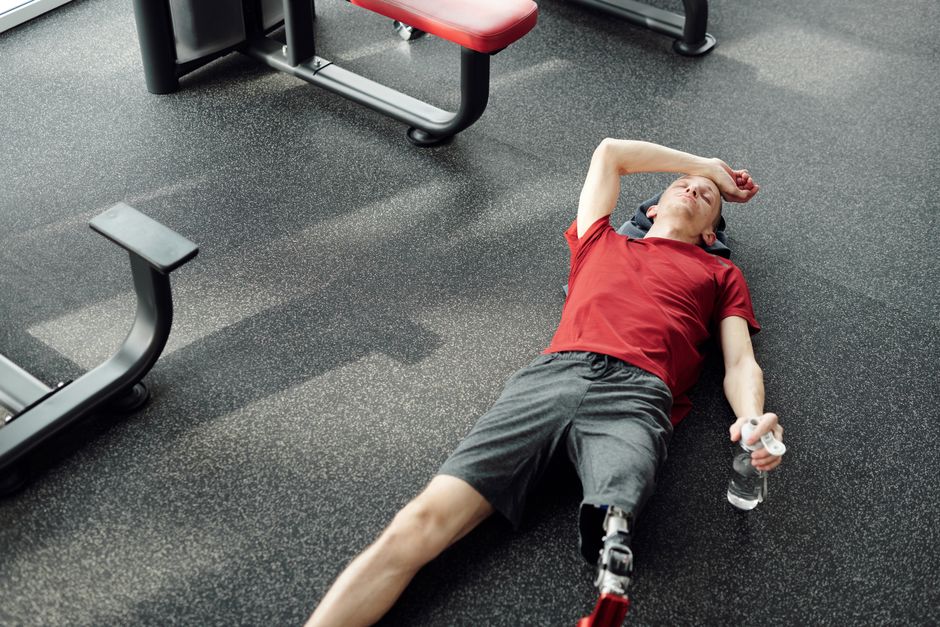
You finish a hard training week feeling proud, then wake up Sunday with a scratchy throat, fatigue, and that dull, heavy feeling that means a cold is settling in. Sound familiar? If you have ever wondered whether your workouts are somehow making you more susceptible to illness, the answer, in certain conditions, is yes.
This is not a reason to skip the gym. It is a reason to train smarter, because overtraining illness recovery is a real physiological process, and understanding it will help you get fitter, not just more tired.
The “Open Window” After Hard Exercise
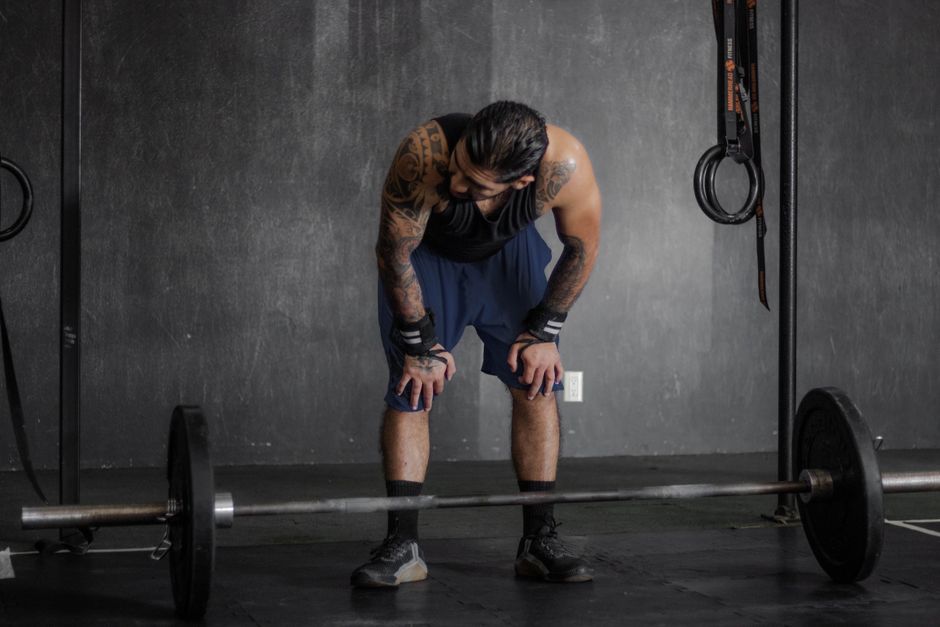
Immunologists use the phrase “open window” to describe a period of reduced immune defense that follows a single bout of intense or prolonged exercise. Research published in journals indexed by PubMed, including work summarized by the British Journal of Sports Medicine, shows that strenuous exercise temporarily suppresses natural killer cell activity, secretory immunoglobulin A (sIgA) in the airways, and neutrophil function. In plain language: the cells your body uses to fight off viruses and bacteria take a short break right after you push hard.
This window typically lasts between three and 72 hours depending on intensity and duration. During that time, pathogens you encounter at a crowded gym, in a locker room, or on public transit have an easier path in. That sniffling coworker you sat next to on Monday might not be the whole story. The hour-long high-intensity session you powered through that morning may have lowered your first line of defense.
For a single tough workout followed by adequate recovery, the window closes and immune function rebounds. Problems emerge when the window never fully closes because the next hard effort starts before the last one is resolved.
What Overtraining Actually Does to Your Body
Overtraining syndrome is a recognized clinical condition, not a motivational buzzword. The European College of Sport Science and the American College of Sports Medicine released a joint consensus statement describing it as a state of accumulated training stress that leads to long-term performance decrements and systemic symptoms, including persistent fatigue, mood disturbances, hormonal disruption (particularly elevated cortisol and suppressed testosterone), and, critically, chronic immune suppression.
In overtraining, your body is in a prolonged stress response. Cortisol stays elevated. Cortisol directly inhibits T-lymphocyte activity, reduces antibody production, and promotes inflammation without completing the repair cycle that inflammation is supposed to trigger. The result is that you are both more vulnerable to infections and slower to recover from minor tissue damage.
This matters because many people mistake early signs of overtraining for laziness: heavy legs, unusual soreness, poor sleep, irritability, and getting sick every few weeks. If those symptoms sound familiar, the answer is rarely “push harder.” It is almost always “recover better.”

Why Rest Days Are Not Wasted Days
Here is the opinion part, stated plainly: rest days are not passive. They are the days your fitness actually improves.
Muscle protein synthesis, the process that rebuilds and thickens muscle fibers after training stress, peaks 24 to 48 hours after a strength session, not during it. Your aerobic adaptations, including increased mitochondrial density and improved cardiac stroke volume, also occur in the repair phase. If you layer another intense session on top of incomplete repair, you interrupt that process. You get the breakdown without the building.
Sleep is also central to this cycle. Growth hormone, which supports both muscle repair and immune function, is released primarily during deep sleep stages. Chronic overtraining disrupts sleep architecture, which then further impairs recovery, creating a cycle that is easier to slide into than it is to climb out of.
For practical guidance on structuring your week, the Active Rest Recovery vs. Complete Rest Days: What Type of Movement Is Right for Your Goals guide covers how to decide between a full rest day and a lighter active recovery session depending on where you are in your training cycle.

Signs You Need to Dial Back Intensity
You do not need a lab test to recognize the early warning signs of overtraining illness. Watch for:
- Resting heart rate that is consistently 5 to 10 beats per minute higher than your baseline
- Workouts that feel harder at the same effort level as two weeks ago
- Persistent muscle soreness that does not resolve within 48 to 72 hours
- More frequent colds, sore throats, or upper respiratory infections
- Sleep that feels unrefreshing even when the hours are adequate
- Mood changes: irritability, low motivation, or unusual anxiety around training
Experiencing two or three of these together is a meaningful signal. If these symptoms persist for weeks despite rest, speaking with a qualified healthcare professional is the right move, because some of them overlap with conditions like anemia, thyroid dysfunction, or other issues that deserve proper evaluation.

Building a Week That Actually Makes You Fitter
Effective periodization, meaning planned variation in training intensity and volume, is one of the most well-supported principles in exercise science. The general guidance from sports science research suggests that intermediate-level exercisers benefit from two to three full recovery or active-rest days per week, with hard efforts spread so that two intense sessions do not fall back to back.
If you are new to consistent training, Recovery Days and Active Rest: Why Your Body Needs Breaks as Much as It Needs Workouts is a helpful starting point for understanding how to structure a beginner-friendly week.
Nutrition also plays a direct role in overtraining illness recovery. Carbohydrates consumed during and after intense exercise have been shown to blunt cortisol elevation and support immune cell function. Protein supports tissue repair. A calorie deficit that is too aggressive while training hard is one of the fastest ways to suppress immune function further. If you are managing weight and fitness at the same time, eating enough to support recovery is not optional.
For energy-focused eating that supports recovery without overeating, the Eating for Sustained Energy Without the Afternoon Crash: Macro Combinations That Actually Work guide offers practical meal-structure ideas.
The Takeaway
Getting sick after a hard week of workouts is your body being honest with you. It is not weakness, and it is not random bad luck. It is a physiological response to accumulated stress that has outpaced recovery. Overtraining illness recovery is not just about resting when you are already sick. It is about building rest in before illness becomes the message.
Choose one concrete step from this article and apply it this week: add a genuine rest day, shift an intense session to an easier walk or light stretching, or focus on getting one more hour of sleep tonight. Small, consistent adjustments accumulate into real fitness gains over months. That is how sustainable progress actually works.
For more practical, evidence-informed movement and recovery guidance, explore the Clean Body Mentor weekly newsletter.
This article is for general educational and informational purposes only and is not a substitute for medical advice, diagnosis, or treatment. Health needs vary by individual. Consult a qualified healthcare professional before making significant changes to your diet, exercise routine, supplements, medication, or treatment plan, especially if you have a medical condition, are pregnant or breastfeeding, take medication, or have concerns about your symptoms.
Sources
- Nieman, D.C. and Wentz, L.M. (2019). “The compelling link between physical activity and the body’s defense system.” Journal of Sport and Health Science, 8(3), 201-217. Available via PubMed.
- Meeusen, R., et al. (2013). “Prevention, Diagnosis and Treatment of the Overtraining Syndrome: Joint Consensus Statement of the European College of Sport Science and the American College of Sports Medicine.” Medicine and Science in Sports and Exercise, 45(1), 186-205.
- Gleeson, M. (2007). “Immune function in sport and exercise.” Journal of Applied Physiology, 103(2), 693-699. Available via PubMed.