

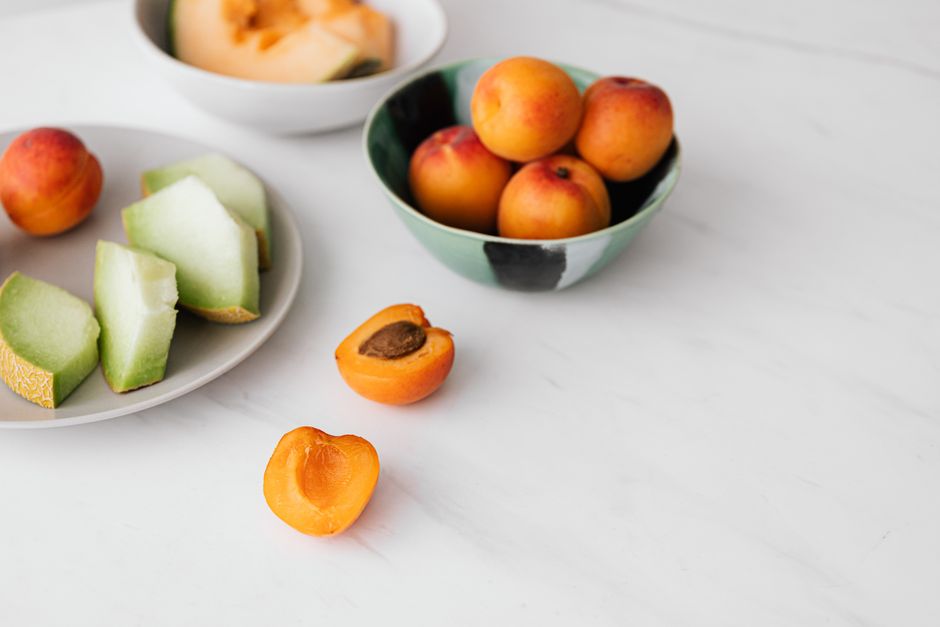
You made it through winter. But now that the days are longer and the weather is warming, you might notice something odd: your stomach still feels heavy, slow, or vaguely off. You are not eating dramatically differently, yet digestion feels like it is dragging.
This is more common than most people realize, and it is not a sign that something is seriously wrong. Seasonal transitions ask your body to shift gears, and your gut often needs a little time and the right inputs to catch up. The good news is that the produce arriving at markets right now is almost perfectly designed to help.
This article walks you through why digestion tends to slow during the winter-to-spring transition and shows you, step by step, how to use spring’s best vegetables and herbs to support your gut gently and sustainably.
Why Digestion Sometimes Stalls During Seasonal Transitions
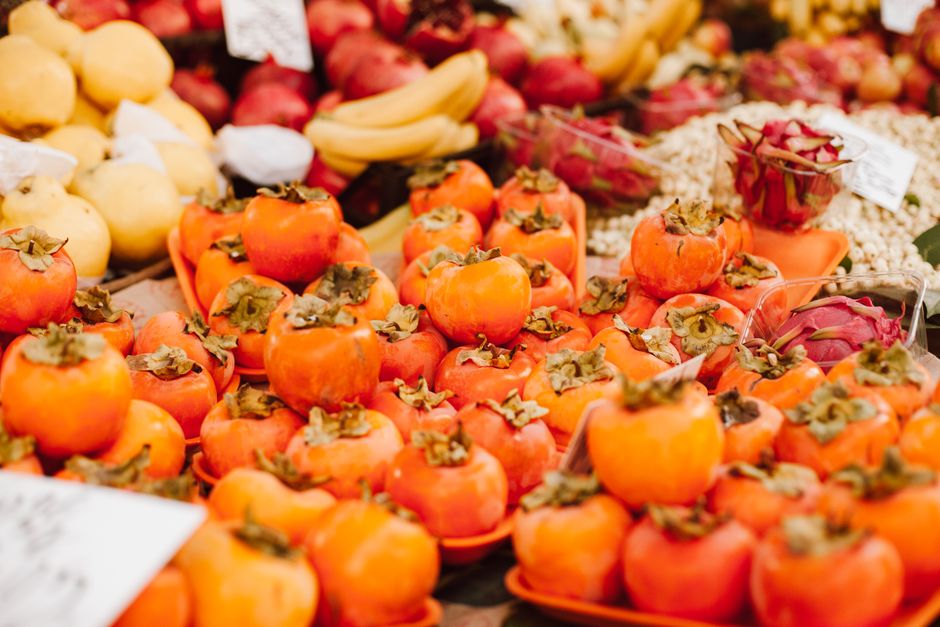
Winter eating tends to be heavier by nature. Soups, stews, roasted root vegetables, and heartier grains are comforting and genuinely warming, but they also tend to be lower in raw fiber and water content compared to the produce that peaks in warmer months.
Research published through the National Institutes of Health notes that dietary fiber intake directly influences gut motility, meaning the speed at which food moves through your digestive tract. When fiber intake dips over several months, your gut bacteria composition can shift, and bowel rhythm may slow.
On top of that, many people move less in winter. Reduced physical activity compounds slower digestion because movement itself stimulates the muscular contractions that push food through the intestines. If you want to understand more about how movement and digestion interact, Stretching for Digestion: How Post-Meal Movement Supports Nutrient Absorption and Comfort offers practical starting points.
Spring also brings a natural shift in appetite. You may start craving lighter foods before you actually change what you are buying or cooking, which creates a short gap where your gut is ready for the transition but your plate has not caught up yet.
How Seasonal Eating for Digestion Actually Works
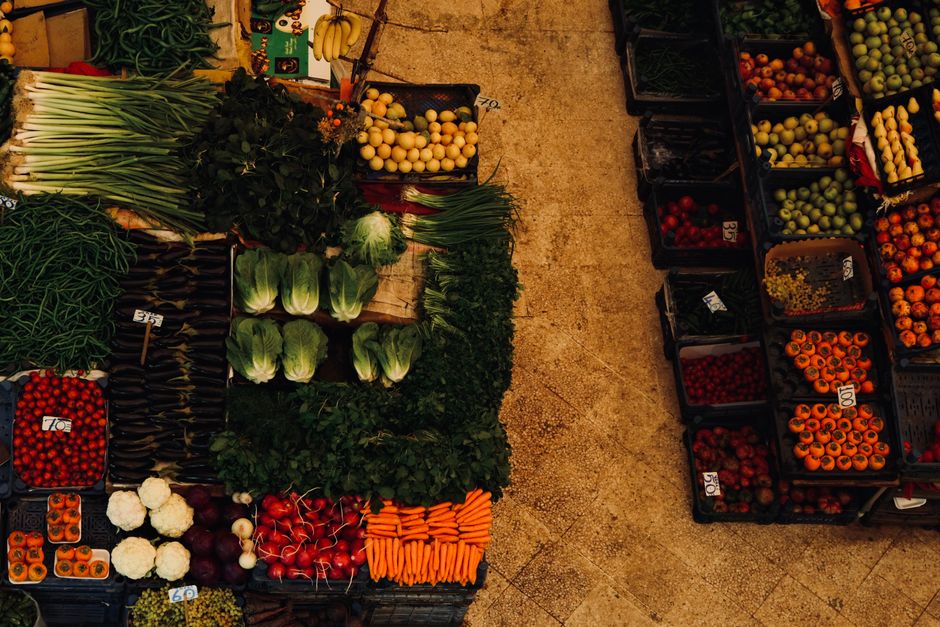
Seasonal eating for digestion is not about eliminating foods or following a spring cleanse protocol. It is simply about gradually introducing fresher, higher-water, and higher-fiber produce that your gut can use to reestablish a more comfortable rhythm.
For a broader look at how this shifts across all four seasons, How Your Digestion Changes With the Seasons and What to Eat to Feel Better covers the full picture. The winter-to-spring shift specifically tends to be the transition where people feel the most noticeable contrast, partly because the change in available produce is so dramatic.
Here is how to put it into practice.
Step 1: Lead With Asparagus
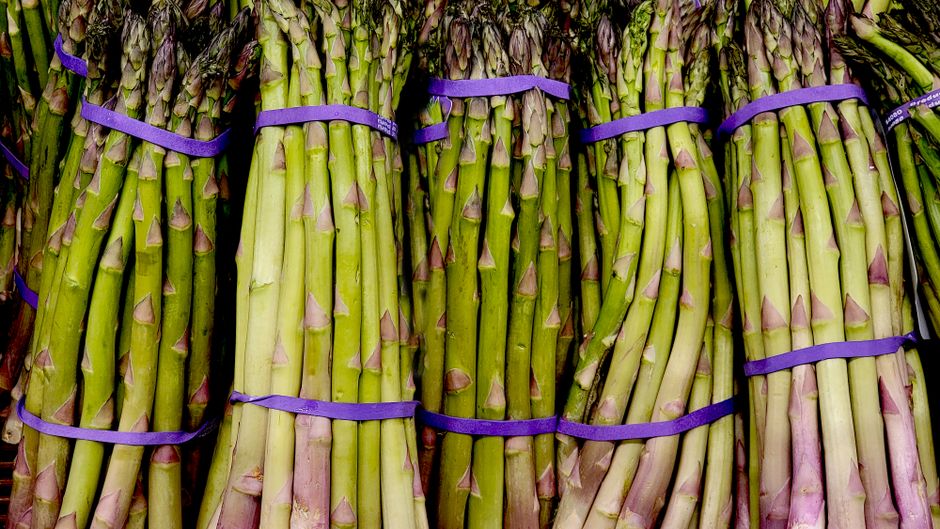
Asparagus is one of the first spring vegetables to arrive, and it is genuinely useful for digestion. It contains inulin, a prebiotic fiber that feeds beneficial gut bacteria rather than being digested by the stomach itself. The USDA’s FoodData Central database confirms that asparagus also provides meaningful amounts of folate and vitamin K.
How to use it: Roast spears lightly with olive oil and lemon, or slice thinly and toss raw into salads. Aim for a serving two or three times a week as the season starts rather than overhauling every meal at once. Starting gradually helps your gut adjust without causing temporary bloating, which can happen when fiber intake rises too quickly.
Step 2: Add Fresh Peas and Their Fiber
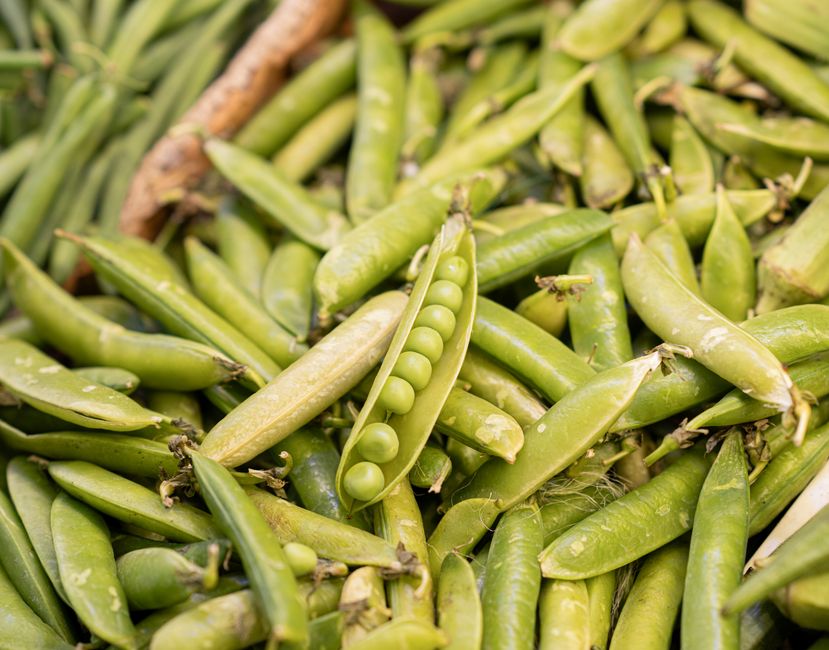
Fresh peas, including snap peas and shelled green peas, carry both soluble and insoluble fiber. Soluble fiber absorbs water and softens stool. Insoluble fiber adds bulk and helps push material through the colon. Together they support the motility that slows during winter.
Fresh or frozen peas work equally well nutritionally. Toss them into grain bowls, stir them into soups at the end of cooking to keep them bright, or eat snap peas raw with hummus as an afternoon snack. For ideas on how to build a full, satisfying midday meal around vegetables, Vegetable-Forward Lunches That Keep You Full Until Dinner Without Extra Protein Powder is worth reading alongside this guide.
Step 3: Build Meals Around Leafy Spring Greens
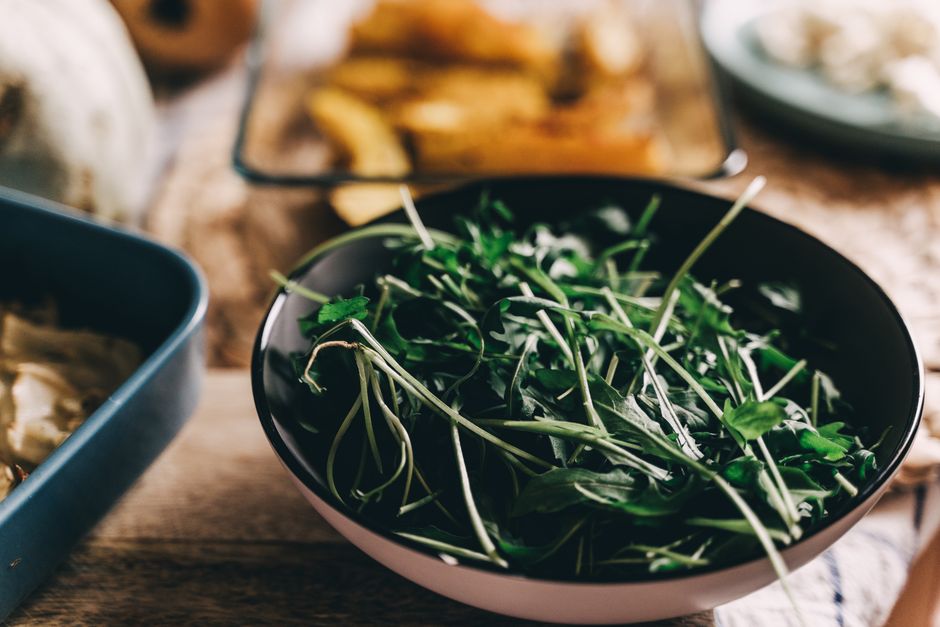
Spring spinach, arugula, watercress, and baby lettuces are significantly higher in water content than roasted winter vegetables. Hydration matters for digestion because stool that retains moisture moves more easily. The CDC recommends adequate fluid intake as a first-line strategy for preventing constipation, and eating water-rich foods contributes to overall fluid status.
Practical approach: Swap one warm, heavier side dish per day for a simple green salad dressed with olive oil and an acid like lemon juice or apple cider vinegar. The acid in dressings also stimulates stomach acid production, which supports early-stage digestion before food even reaches the intestines.
If you are curious how the nutrient profile of spring greens compares to winter roots you have been eating, Seasonal Produce Nutrition: Why Winter Root Vegetables and Spring Greens Deliver Different Nutrients and Cost Less breaks this down clearly.
Step 4: Use Fresh Herbs as Functional Flavor
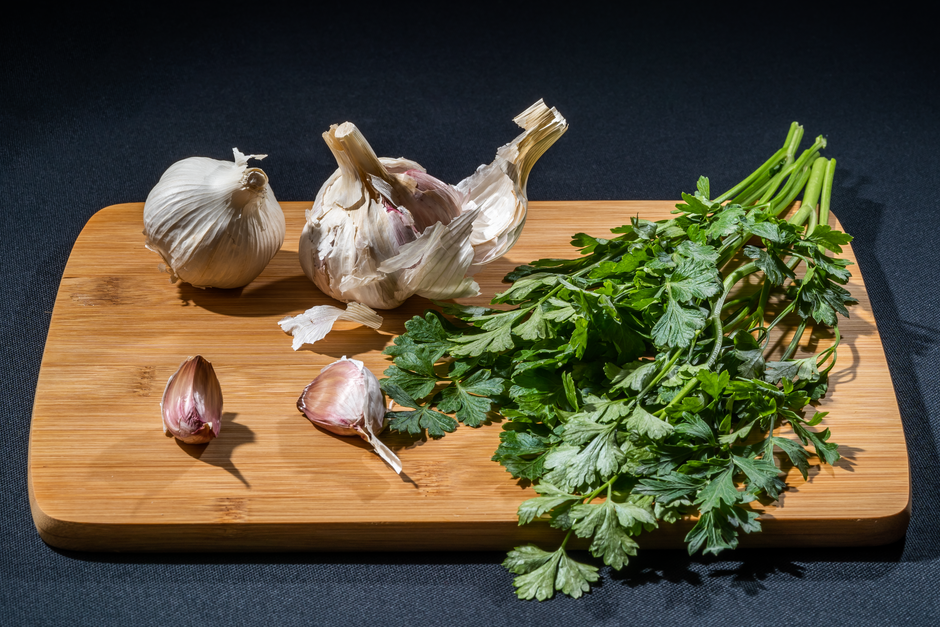
Fresh mint, parsley, fennel fronds, and dill are more than garnishes. Mint has a long history of use for digestive comfort, and a review in the Journal of Clinical Gastroenterology noted that peppermint oil preparations may help with symptoms of functional gut discomfort (though whole herb and concentrated oil doses are not equivalent). Fennel, used as seeds or fresh fronds, has traditionally been associated with reducing gas and bloating.
Add fresh herbs generously to spring salads, stir them into yogurt dips, or steep fresh mint leaves in hot water for a simple after-meal tea. If you enjoy herbal teas for digestive support, Herbal Tea for Digestion and Recovery: A Tasting Guide to Blends That Actually Work After Meals and Workouts gives you a wider set of options to explore.

Step 5: Pay Attention to Eating Pace and Meal Order
Producing is only part of the picture. How you eat matters too. Research suggests that eating quickly and under stress slows digestive transit because the nervous system’s stress response diverts blood flow away from the gut. Digestive Sluggishness vs. Nervous System Stress: Why Your Gut Slows When You Rush and What to Do About It explains this connection in more depth.
A simple, practical shift: start meals with a small salad or raw vegetable before the heavier components of your plate. This primes stomach acid, adds fiber early, and naturally slows your eating pace.

What to Expect as You Shift
Most people notice some change in digestive comfort within one to two weeks of consistently increasing spring produce intake. You may also notice shifts in energy and appetite as your gut bacteria adjust to more prebiotic fiber. Some mild gas or bloating in the first week is normal and typically settles.
If you find budget is a concern, seasonal produce in spring is often among the most affordable of the year. How to Eat Seasonally on a Budget Without Farmers Market Trips offers straightforward strategies for keeping costs low while shifting toward seasonal eating.
Start with one change. Add asparagus this week, then peas, then build from there. Gradual, consistent steps support your gut far better than an abrupt overhaul.
This article is for general educational and informational purposes only and is not a substitute for medical advice, diagnosis, or treatment. Health needs vary by individual. Consult a qualified healthcare professional before making significant changes to your diet, exercise routine, supplements, medication, or treatment plan, especially if you have a medical condition, are pregnant or breastfeeding, take medication, or have concerns about your symptoms.
Sources
- NIH National Library of Medicine: dietary fiber and gut motility research (PubMed)
- USDA FoodData Central: asparagus nutritional profile (fdc.nal.usda.gov)
- Centers for Disease Control and Prevention: fluid intake and constipation prevention
- Cappello G, et al. “Peppermint oil (Mintoil) in the treatment of irritable bowel syndrome.” Journal of Clinical Gastroenterology, 2007