
You probably notice that your appetite shifts as the weather changes. You crave warm soups in January and lighter salads in July without anyone telling you to. That instinct is not random. Your digestive system responds to temperature, daylight length, and the natural rhythm of food availability in ways that researchers are beginning to understand more clearly.
Seasonal eating for digestion is not a rigid protocol. It is more of a framework for paying attention to what your body is already signaling and then feeding it accordingly. Here is how digestion actually shifts across the four seasons, and which everyday foods may help you feel more comfortable in each one.

Why Seasons Affect Your Gut in the First Place
Your digestive tract is sensitive to temperature and circadian rhythms. Research published in Cell Host and Microbe (2016) found that the composition of the gut microbiome shifts in a rhythmic, time-dependent pattern influenced by environmental cues, including light exposure and meal timing. A follow-up human study by the same group suggested that disruptions to these rhythms, like those experienced during seasonal transitions, can affect microbial diversity and digestive function.
Separately, core body temperature drops slightly in winter, which can slow gastric motility. In summer, heat stress redirects blood flow toward the skin for cooling, which may temporarily reduce the digestive tract’s efficiency. Neither of these shifts is a disorder. They are adaptations. But knowing about them helps you work with your body rather than against it.
If you find your digestion feeling heavier or slower depending on the time of year, you are not imagining it. Why Your Digestion Feels Sluggish in Winter and How to Eat Seasonally to Restart It explores the winter side of this in detail.
Winter: When Digestion Slows Down
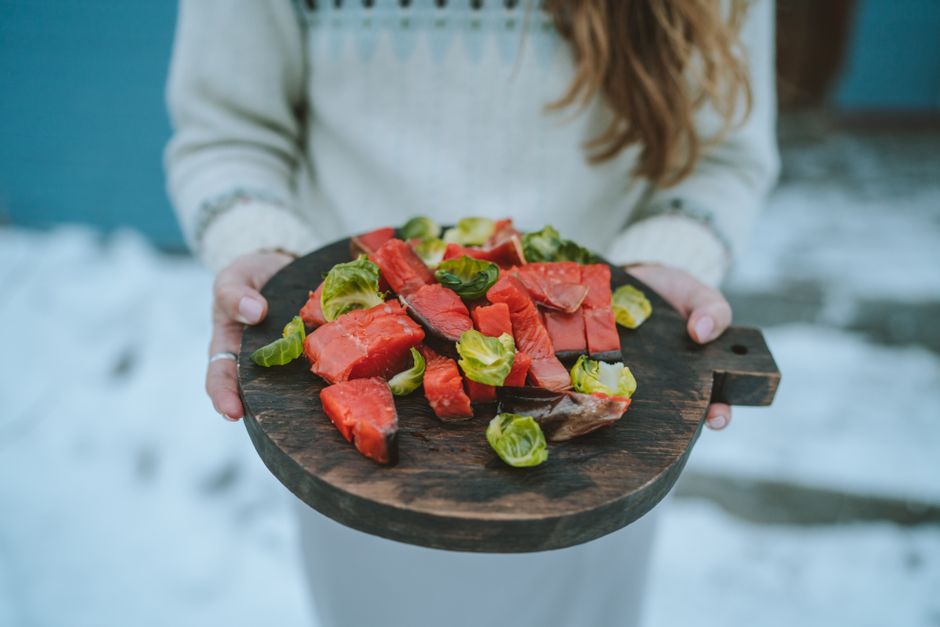
In winter, your digestive system tends to move more slowly. Reduced daylight decreases serotonin signaling (about 90 percent of the body’s serotonin is produced in the gut, according to the American Psychological Association), which can reduce gut motility and contribute to constipation or a general sense of heaviness.
What tends to help:
- Cooked root vegetables. Carrots, parsnips, sweet potatoes, and beets are easier to digest than raw vegetables in the cold months. Roasting or steaming breaks down their cell walls, reducing the digestive workload.
- Warming spices. Ginger and turmeric have well-documented anti-inflammatory properties (NIH National Center for Complementary and Integrative Health notes ginger’s use for nausea and motility support). Add them to soups, teas, or grain bowls.
- Soluble fiber from oats and legumes. Soluble fiber feeds beneficial gut bacteria and supports softer, more regular stools without the gas that high-insoluble-fiber foods can cause when motility is sluggish.
- Warm liquids. Herbal teas, broths, and warm water with lemon can stimulate gentle peristalsis. For more on herbal options, see Herbal Tea for Digestion and Recovery: A Tasting Guide to Blends That Actually Work After Meals and Workouts.
Why Your Winter Digestion Feels Slower and Five Foods That Actually Lighten It offers additional winter-specific strategies if you want to go deeper.
Spring: A Natural Reset Period
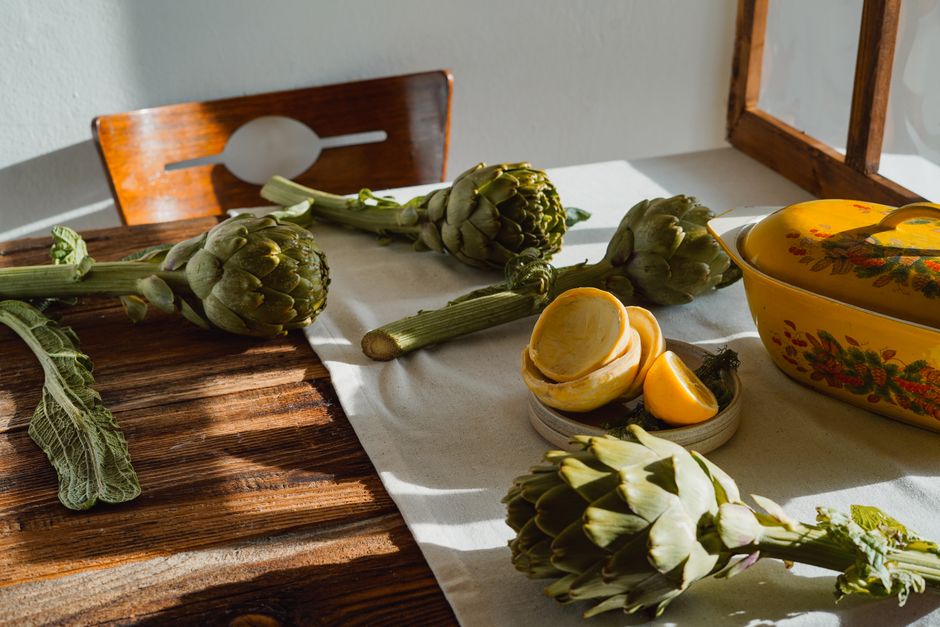
As daylight increases and temperatures rise, gut motility tends to pick back up. Many people notice they feel less bloated and more energetic in April and May. Spring is a practical time to gradually reintroduce lighter, higher-fiber foods that may have felt uncomfortable during winter.
What tends to help:
- Bitter greens. Arugula, dandelion greens, and radicchio stimulate bile production, which supports fat digestion. Bitter foods have a long history of use as digestive tonics, and animal research suggests bile flow increases with bitter taste receptor activation.
- Fermented foods. As seasonal variety returns, adding small amounts of plain yogurt, kefir, or kimchi can support microbial diversity. Go gradually if your gut is transitioning from a lower-fiber winter diet.
- Asparagus and peas. These spring staples contain prebiotic inulin and fructooligosaccharides, which feed beneficial bacteria. The USDA FoodData Central confirms both are excellent sources of folate and vitamin C, which support overall cellular and gut lining health.
- Lighter proteins. Shifting from heavy winter stews toward eggs, fish, or plant-based proteins like lentils can reduce digestive heaviness as your system wakes up.
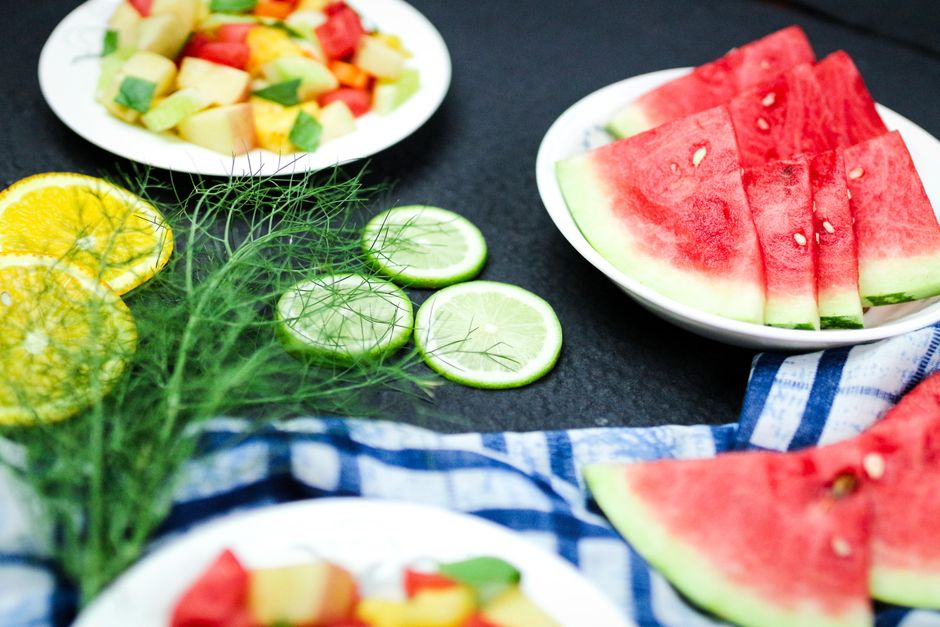
Summer: When Digestive Sensitivity Peaks
Summer can feel like the season when your digestion is most reactive. Heat can irritate the gut lining and speed up motility to the point of loose stools, especially if you are consuming a lot of raw produce or cold drinks in rapid succession.
What tends to help:
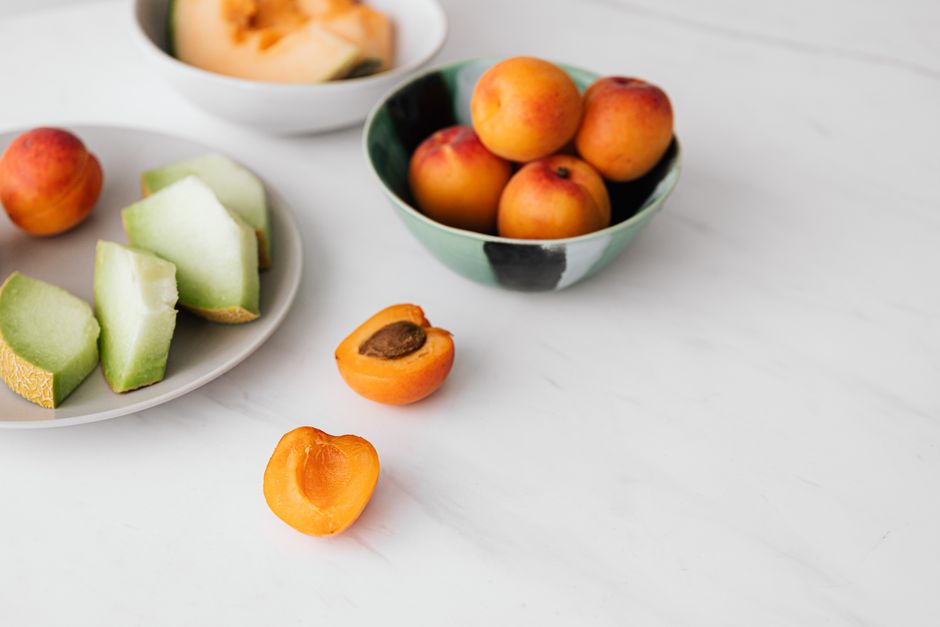
- Cooling, high-water-content foods. Cucumber, zucchini, watermelon, and peaches provide hydration and are gentle on an already-active digestive tract. Staying well-hydrated supports gut function, as dehydration is a common contributor to both constipation and cramping (Harvard T.H. Chan School of Public Health).
- Room-temperature meals. Ice-cold foods may cause temporary gastric spasms in heat-sensitive individuals. Eating at room temperature or slightly warm tends to be gentler.
- Smaller, more frequent meals. In high heat, large meals divert circulation away from temperature regulation. Smaller portions spread across the day keep digestion moving without overwhelming it.
- Probiotic-rich foods. Plain kefir, miso, and unsweetened yogurt may help regulate summer gut reactivity. Research suggests probiotics can support stool consistency during heat stress, though individual responses vary.
If your digestion often feels heavy after dinner regardless of season, Why Your Digestion Feels Heavy After Dinner and How Eating Vegetables First Changes Everything offers a simple, practical shift that works year-round.
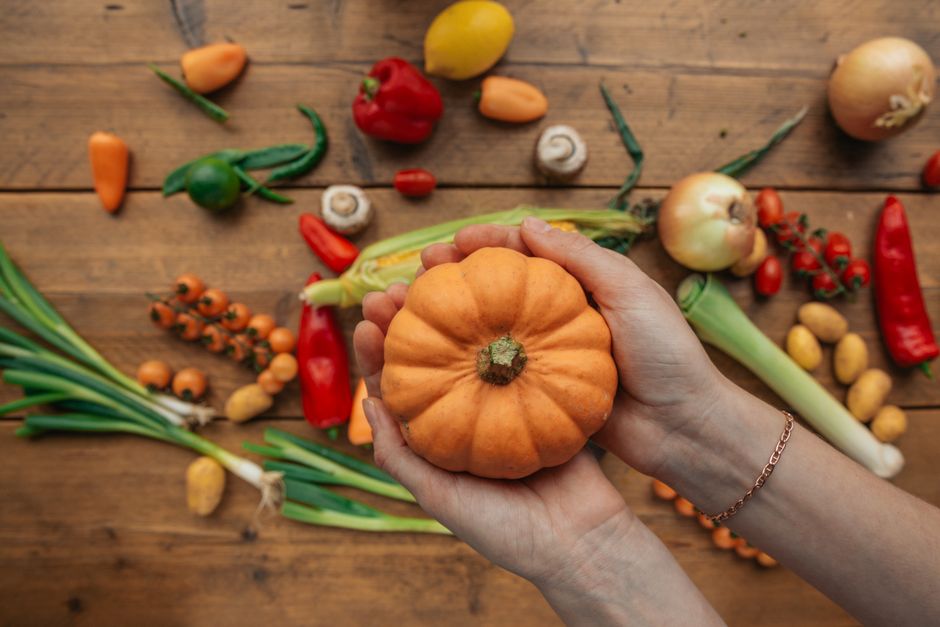
Fall: Preparing Your Gut for the Cold
Fall is the ideal season to build digestive resilience before winter slows things down. Foods harvested in autumn naturally bridge summer lightness and winter warmth.
What tends to help:
- Winter squash and pumpkin. Rich in beta-carotene and soluble fiber, these are gentle and filling. They are among the most gut-friendly foods of the year because of their soft texture and moderate fermentability.
- Apples and pears. Both contain pectin, a soluble fiber that feeds gut bacteria and supports healthy transit time. Research published in Anaerobe (2010) found pectin fermentation increased short-chain fatty acid production, which nourishes the colon lining.
- Warming whole grains. Switching from summer salads to brown rice, millet, or farro gives your gut the prebiotic starch it needs to maintain microbial diversity heading into winter.
- Gradual reduction in raw foods. As temperatures drop, your digestion will work better with cooked preparations. A slow transition avoids the bloat that can come from suddenly eating heavy foods after a summer of lighter meals.
If seasonal eating feels expensive, How to Eat Seasonally on a Budget Without Farmers Market Trips shows how to shop for in-season produce affordably.
One Practical Step to Take This Week
You do not need to overhaul your entire diet. Pick one food that naturally belongs to your current season and add it to a meal you already eat. Add roasted carrots to dinner if it is winter. Stir some kefir into a smoothie if it is spring. Swap a cold lunch for a room-temperature grain bowl if it is summer. Start one small change and notice how your body responds over a week or two.
For broader guidance on building consistent, balanced eating habits, consider exploring the Clean Body Mentor newsletter for practical weekly wellness ideas delivered without rules or pressure.
This article is for general educational and informational purposes only and is not a substitute for medical advice, diagnosis, or treatment. Health needs vary by individual. Consult a qualified healthcare professional before making significant changes to your diet, exercise routine, supplements, medication, or treatment plan, especially if you have a medical condition, are pregnant or breastfeeding, take medication, or have concerns about your symptoms.
Sources
- Thaiss, C.A., et al. (2016). Transkingdom Control of Microbiota Diurnal Oscillations Promotes Metabolic Homeostasis. Cell. (Cell Press)
- American Psychological Association. The Gut-Brain Connection. apa.org
- NIH National Center for Complementary and Integrative Health. Ginger. nccih.nih.gov
- USDA FoodData Central. fdc.nal.usda.gov
- Harvard T.H. Chan School of Public Health. The Nutrition Source: Water. hsph.harvard.edu
- Dongowski, G., et al. (2010). Pectin fermentation and short-chain fatty acid production. Anaerobe.