

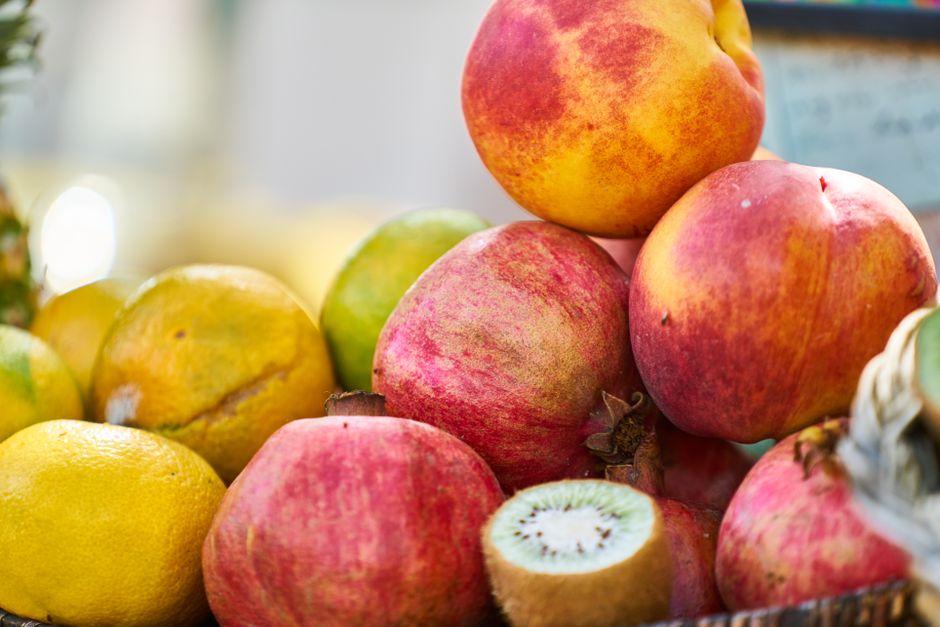
You are eating roughly the same way you always do, yet somewhere around January your stomach feels heavier, your energy dips after meals, and the usual rhythm your gut runs on just feels… off. You are not imagining it.
Winter creates a genuine set of conditions that can slow digestive function: less movement, reduced water intake, shorter daylight affecting hormones, and a natural pull toward dense comfort foods. The good news is that seasonal eating for digestion does not require a restrictive overhaul. It means choosing and pairing foods that match what your body actually needs when the temperature drops.

Why Winter Shifts How Your Gut Feels
Your digestive system is sensitive to more than what you put on your plate. Colder temperatures reduce physical activity, which directly affects how quickly food moves through your gut. Research published in journals tracking gastrointestinal motility consistently links reduced physical movement to slower intestinal transit time (National Institute of Diabetes and Digestive and Kidney Diseases, NIDDK).
Beyond movement, shorter daylight hours affect melatonin and cortisol rhythms, which in turn influence gut motility. Your body also tends to run slightly warmer internally to compensate for cold, directing energy away from digestion toward thermoregulation. And most people drink less water in winter, reducing the fluid that keeps stool moving comfortably.
If you have ever noticed that five unexpected reasons your digestion slows in winter go well beyond just eating more, that article is worth reading alongside this one.
The result is a pattern many people recognize: heavier meals sitting longer, bloating after dinner, lower appetite in the morning, and an afternoon slump that feels thicker than it does in summer.
What Seasonal Eating for Digestion Actually Means
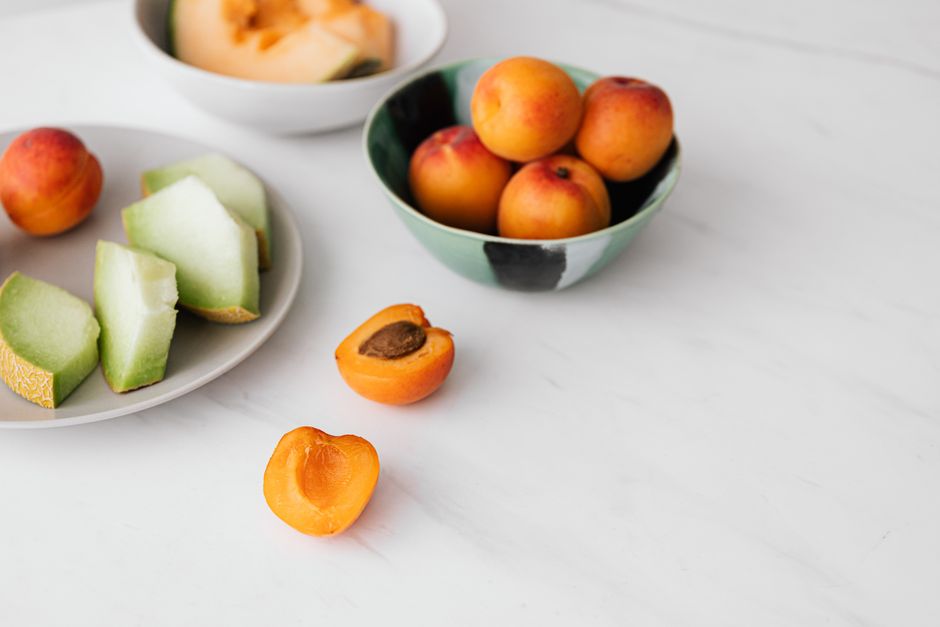
Seasonal eating does not mean buying only from a farmers market or eliminating any food group. It means leaning into what winter produces naturally, because those foods tend to be cheaper, fresher where you live, and genuinely useful for your gut during this season.
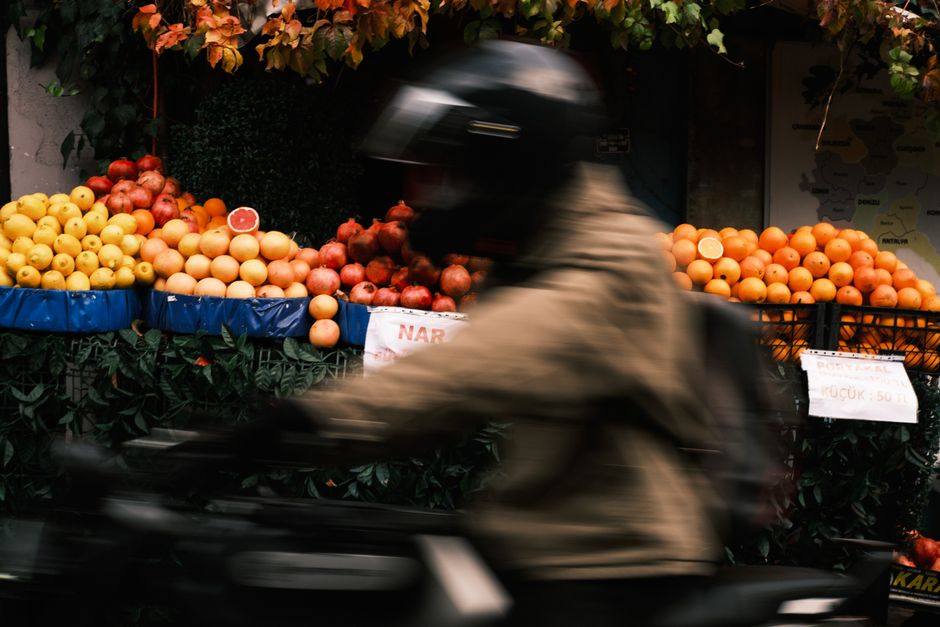
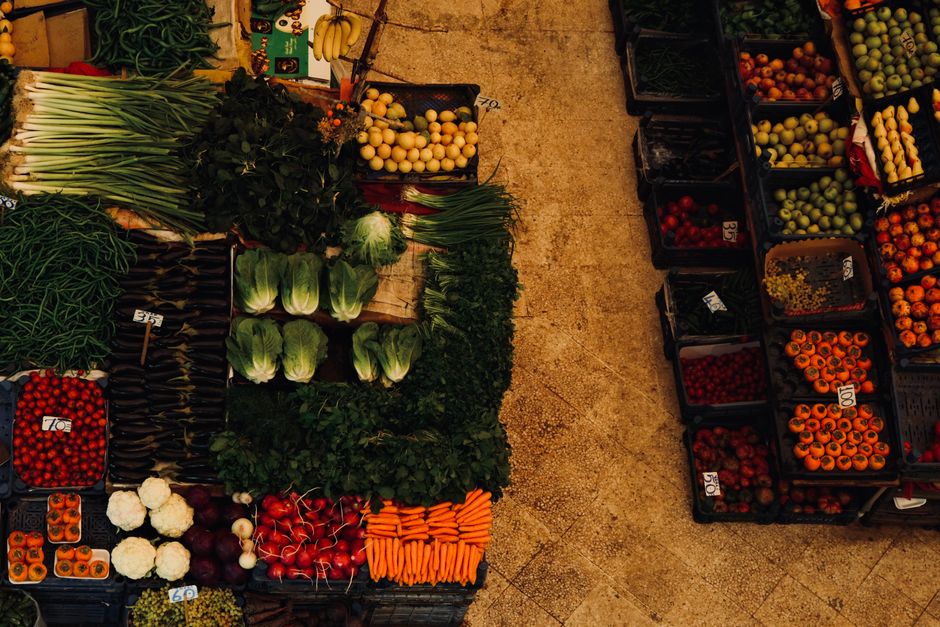
Winter’s standout produce includes root vegetables (carrots, parsnips, beets, sweet potatoes), dark leafy greens (kale, chard, Brussels sprouts), citrus fruits, winter squash, and alliums like onions and garlic. These are not just affordable. Seasonal produce nutrition research shows that winter root vegetables and dark greens deliver concentrated fiber, vitamins, and plant compounds that summer produce does not replicate.
Fiber from root vegetables is primarily soluble fiber, which feeds beneficial gut bacteria and softens stool without the urgency that high-insoluble-fiber foods sometimes cause. That is a meaningful distinction in winter when your gut is already moving more slowly.
How to Pair Winter Foods to Support Digestion
Choosing the right foods is a start, but how you pair and time them matters too. Here is a practical framework:
1. Anchor meals with a cooked root vegetable or squash
Raw vegetables are excellent in summer, but cooked roots are easier for your gut to break down when motility is slower. Roasted sweet potato, steamed parsnips, or a simple beet side dish give you fiber and warmth without taxing digestion the way raw fiber sometimes does in cold weather.
2. Add a fermented food daily
Fermented foods like plain yogurt, kefir, sauerkraut, or kimchi introduce live cultures that may support a balanced gut microbiome, according to research from Stanford published in Cell (2021). One or two tablespoons of sauerkraut with dinner or a small serving of yogurt at breakfast is enough to make this a sustainable habit.
3. Use warm liquids strategically
Warm water, herbal teas, and broth are not just comforting. Warmth may support gastric motility and make digestion feel smoother. If you find yourself drinking less water in winter, herbal teas are an easy workaround. Herbal teas for digestion and recovery covers several evidence-informed blends worth trying after meals.
4. Pair protein with bitter greens
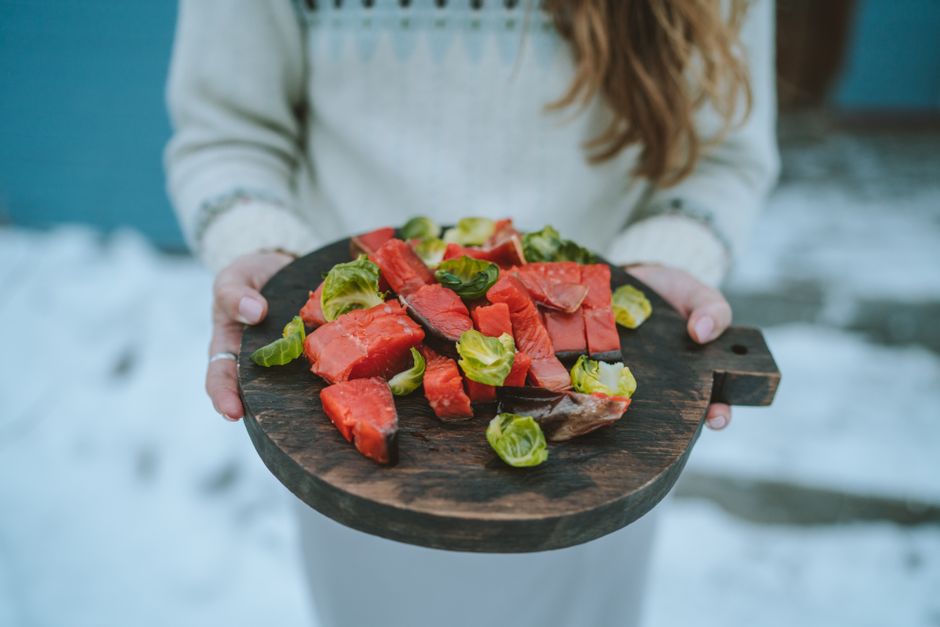
Bitter greens like kale, arugula, and radicchio stimulate bile production, which helps break down fats, especially from denser winter proteins like dark-meat poultry, legume stews, or fatty fish. A simple side salad of bitter greens dressed with lemon juice costs almost nothing and serves a functional purpose.
5. Slow down at meals
Winter meals tend to be eaten quickly, often while cold, tired, or distracted. Eating more slowly gives your stomach time to signal satiety and begin enzyme release before you are halfway through a bowl of stew. Mindful eating without rules is a helpful guide if eating pace is something you want to work on without turning it into a rigid practice.

A Simple Winter Day of Seasonal Eating
You do not need a meal plan. A rough day of winter seasonal eating might look like:
- Morning: Oatmeal with a spoonful of plain yogurt, sliced orange, and a mug of ginger or fennel tea.
- Midday: Lentil soup with a slice of whole grain bread and a small bitter green salad.
- Afternoon: A handful of walnuts or a small piece of cheese with a warm herbal tea.
- Evening: Baked salmon or white beans over roasted root vegetables, finished with a small serving of fermented vegetables on the side.
This pattern is high in soluble fiber, includes fermented foods, keeps warm liquids consistent, and naturally includes bitter greens. It does not require restriction, calorie counting, or any food being off limits.
For ideas on making seasonal eating work within a budget, this guide to eating seasonally without farmers market trips offers realistic grocery strategies.
Movement Is Part of the Picture
Even five to ten minutes of walking after your largest meal meaningfully supports gut motility. The American College of Gastroenterology notes that physical activity is one of the most accessible tools for preventing constipation and sluggish digestion. You do not need a gym. A short post-dinner walk or a few gentle stretches can help food move more comfortably. Stretching for digestion after meals has a practical routine you can do at home.
One Step Forward
Choose one change from this article that feels genuinely doable this week. Adding a fermented food at dinner, swapping raw vegetables for roasted roots, or making herbal tea a post-meal habit are all small enough to stick without willpower required. Consistent small actions tend to produce more lasting results than dramatic seasonal resets.
If you want more practical weekly guidance on nutrition, movement, and whole-person wellness, consider joining the Clean Body Mentor newsletter.
This article is for general educational and informational purposes only and is not a substitute for medical advice, diagnosis, or treatment. Health needs vary by individual. Consult a qualified healthcare professional before making significant changes to your diet, exercise routine, supplements, medication, or treatment plan, especially if you have a medical condition, are pregnant or breastfeeding, take medication, or have concerns about your symptoms.
Sources
- National Institute of Diabetes and Digestive and Kidney Diseases (NIDDK). Constipation. U.S. Department of Health and Human Services. https://www.niddk.nih.gov/health-information/digestive-diseases/constipation
- Wastyk HC, et al. Gut-microbiota-targeted diets modulate human immune status. Cell. 2021;184(16):4137-4153. https://doi.org/10.1016/j.cell.2021.06.019
- American College of Gastroenterology. Physical activity and digestive health. ACG Patient Education resources.
- USDA Agricultural Research Service. Seasonal availability of produce and nutrient content. Referenced via USDA AMS resources.