

You eat roughly the same foods year-round, yet every winter you notice the same pattern: more bloating, heavier meals sitting longer, constipation that did not bother you in summer, and an afternoon energy slump that no amount of tea quite fixes. It does not feel dramatic enough to call a doctor, but it is persistent enough to be annoying.
Winter digestion problems are real, and several of their causes are not the ones most people suspect. Cold temperatures, reduced daylight, and subtle behavioral shifts create a cascade of physiological changes that quietly reshape how your gut processes food. Understanding those shifts makes the fixes obvious and, more importantly, sustainable.
Here are five of the less-discussed reasons your digestion slows during winter, along with specific adjustments you can make right now.

1. Reduced Physical Activity Slows Gut Motility
Your intestines depend partly on body movement to keep food moving through them. This relationship is well-documented: even a short walk after a meal can meaningfully accelerate gastric emptying and reduce blood sugar spikes, according to research published in Sports Medicine (2022). In winter, daily step counts tend to drop significantly as cold weather discourages outdoor walks, commutes, and casual movement.
The result is slower gut motility, meaning food spends more time in your colon. That extra transit time allows more water to be absorbed from stool, which contributes to constipation and bloating.
What to try: A 10-to-15 minute walk after your largest meal, even indoors, can make a real difference. Walking for Digestion: How Post-Meal Movement Supports Gut Health and Blood Sugar explains the mechanics in detail. If getting outside feels like a barrier, Five Mobility Drills That Reverse Sitting Stiffness Without Special Equipment offers a practical indoor alternative.
2. Dehydration Is Sneakier in Cold Weather
People feel thirsty less often in winter. Cold air suppresses the thirst response, and because you are not visibly sweating, it is easy to assume you are adequately hydrated. In fact, cold weather increases respiratory water loss (you can see your breath for a reason) and heating systems dry out indoor air significantly.
Digestion depends on water at every stage, from saliva production to stomach acid dilution to stool formation. When you are mildly dehydrated, your colon pulls extra water from waste material to compensate, and that produces harder, slower-moving stools.
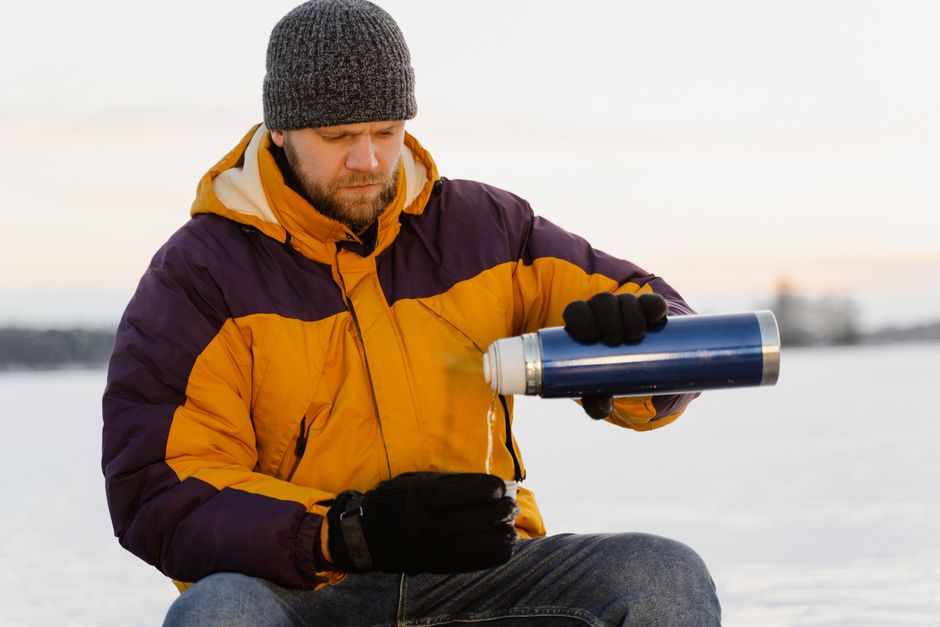
What to try: Warm fluids count. Herbal teas, broths, and warm water with lemon all contribute to your daily intake. If you want to experiment with herbal options specifically for digestion, Herbal Tea Blends for Better Sleep, Energy, and Digestion: A Practical Tasting Guide and Brewing Tips covers ginger, fennel, and peppermint options that may ease sluggishness. Aim to sip consistently throughout the day rather than catching up in large amounts.

3. Lower Vitamin D Levels Affect Gut Microbiome Diversity
Vitamin D receptors exist throughout your gastrointestinal tract, and emerging research suggests that adequate vitamin D levels may help regulate gut barrier function and support a more diverse microbiome. A 2019 review in Nutrients found associations between vitamin D insufficiency and altered gut microbiota composition, though the exact mechanisms are still being studied.
In winter, most people at latitudes above 35 degrees north (roughly the latitude of Atlanta or Los Angeles) produce little to no vitamin D from sunlight between November and March, according to the National Institutes of Health Office of Dietary Supplements. Lower microbiome diversity is linked to slower digestion, more gas production, and increased sensitivity to certain foods.
What to try: Talk with your healthcare provider about testing your vitamin D levels before starting any supplement. Meanwhile, fatty fish, fortified dairy, and egg yolks provide modest dietary sources. For a broader look at the sunlight-supplement tradeoff in winter, see Vitamin D and Winter Energy: What Research Shows About Sunlight, Supplements, and Seasonal Fatigue.
4. Heavier, Lower-Fiber Seasonal Eating Disrupts Gut Balance
Winter food culture shifts toward comfort: stews, casseroles, bread, and rich holiday dishes. These meals tend to be higher in refined carbohydrates and saturated fats and lower in the raw or lightly cooked vegetables that supply fermentable fiber to your gut bacteria. Fermentable fiber (found in vegetables, legumes, whole grains, and fruit) is the primary fuel source for the beneficial bacteria that regulate motility and produce short-chain fatty acids that support colon health.
This dietary shift can reduce microbial diversity within a matter of days, as demonstrated in a landmark 2015 study in Nature showing that dietary fiber changes rapidly alter gut microbiome composition.
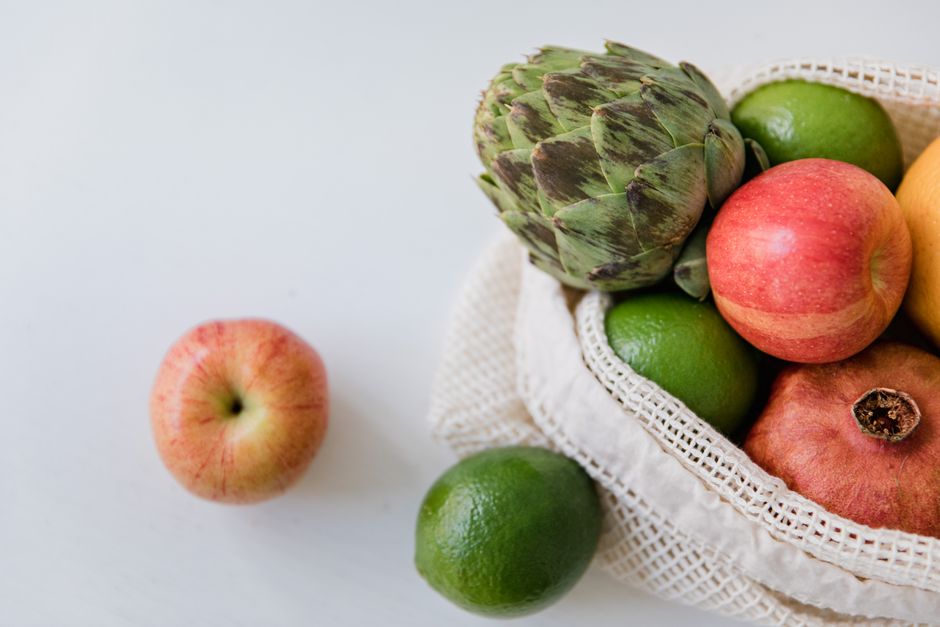
What to try: You do not need to abandon warm, comforting food. Adding beans to soups, roasting root vegetables instead of using cream-based sauces, and keeping a bowl of fruit accessible for snacking can meaningfully increase your fiber intake without changing the cozy character of your meals. Digestion-Friendly Meal Combinations: Foods That Work Together for Energy and Comfort offers practical pairing ideas that fit this approach.

5. Seasonal Mood Changes Alter the Gut-Brain Axis
The connection between your emotional state and your digestive function runs both ways through the vagus nerve and the enteric nervous system, sometimes called the gut-brain axis. Seasonal affective changes, including lower mood, higher stress, and disrupted sleep, are common in winter and can directly suppress digestive motility and alter stomach acid secretion.
Research published in Alimentary Pharmacology and Therapeutics has documented that psychological stress slows gastric emptying and increases gut sensitivity. Even subclinical winter mood dips (those that do not qualify as seasonal affective disorder) can contribute to bloating, irregular bowel habits, and reduced appetite at some meals followed by stronger cravings later.
What to try: Stress-reduction practices, consistent sleep timing, and outdoor light exposure in the morning all interact with the gut-brain axis positively. For a closer look at the research connecting your emotional state and digestive health, Gut Health and Mood: The Surprising Link Between Digestion and Mental Well-Being goes deeper on the mechanisms.

A Practical Winter Digestion Reset
None of these five factors requires an extreme intervention. The pattern they share is that small, consistent behavioral shifts in winter create cumulative effects on your gut that feel mysterious because no single cause is obvious.
Choose one adjustment from the list above and practice it consistently for two weeks before adding another. Adding a post-meal walk, switching to warm herbal teas, or including one extra serving of vegetables at dinner each day are all realistic starting points.
If your winter digestion problems include significant pain, blood in stool, unexplained weight loss, or symptoms that worsen despite lifestyle changes, those are good reasons to speak with a qualified healthcare professional rather than adjusting your diet independently.
This article is for general educational and informational purposes only and is not a substitute for medical advice, diagnosis, or treatment. Health needs vary by individual. Consult a qualified healthcare professional before making significant changes to your diet, exercise routine, supplements, medication, or treatment plan, especially if you have a medical condition, are pregnant or breastfeeding, take medication, or have concerns about your symptoms.
Sources
- Gong J, et al. “The effect of acute exercise on gastrointestinal function.” Sports Medicine, 2022.
- Bibbo S, et al. “The role of diet on gut microbiota composition.” Nutrients, 2016.
- NIH Office of Dietary Supplements. Vitamin D Fact Sheet for Health Professionals. ods.od.nih.gov
- Sonnenburg JL, et al. “Diet-induced alterations in gut microflora contribute to lethal pulmonary damage in TBI.” Nature, 2015 (dietary fiber and microbiome composition data referenced from associated fiber-microbiome research in Nature, 2015).
- Konturek PC, et al. “Stress and the gut: Pathophysiology, clinical consequences, diagnostic approach and treatment options.” Journal of Physiology and Pharmacology, 2011.