
You have probably stared at a wall of herbal tea boxes at the grocery store and wondered which ones actually do anything. The claims on the packaging range from vague to dramatic, and it is hard to know what is marketing and what is genuinely supported by research.
The honest answer is that herbal tea is not medicine. But several well-studied herbs do offer real, measurable support for calming your nervous system, easing digestion, or sharpening afternoon focus when caffeine is not a good fit. The key is knowing which blend to reach for, when to drink it, and how to brew it properly so you are actually extracting the compounds that matter.
This guide covers the most practical herbal teas for three common wellness goals: better sleep, digestive comfort, and sustained energy without caffeine overload.
For Sleep: Chamomile, Passionflower, and Lemon Balm
What the Evidence Shows
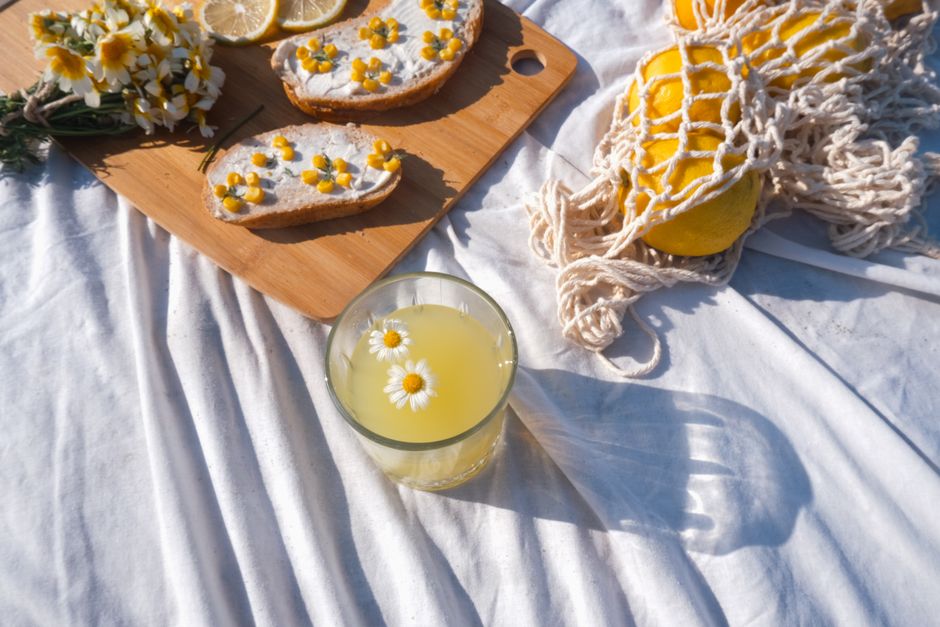
Chamomile is the most studied herbal tea for sleep and relaxation. A 2017 randomized controlled trial published in Phytomedicine found that chamomile extract improved sleep quality in elderly adults compared to a placebo. Researchers attribute this partly to apigenin, a flavonoid that binds to GABA receptors in the brain, the same receptors that promote calm and drowsiness.
Passionflower has emerging evidence as a mild anxiolytic. A small clinical trial published in Phytotherapy Research found that a cup of passionflower tea improved sleep quality scores compared to placebo. It is particularly worth trying if your sleep disruption is tied to racing thoughts rather than physical restlessness.
Lemon balm, often blended with chamomile or valerian, may help reduce anxiety and improve mood, according to a review from the Mediterranean Journal of Nutrition and Metabolism. On its own it has a pleasant mild citrus flavor; combined with chamomile it makes a well-rounded pre-sleep cup.
How to Brew for Best Results
Use boiling or near-boiling water (90 to 100 degrees C / 195 to 212 degrees F). Cover your mug with a small plate or lid while steeping. This traps volatile aromatic compounds that would otherwise escape with the steam. Steep chamomile for 5 to 7 minutes, passionflower for 8 to 10 minutes, and lemon balm for 5 minutes. Drink 30 to 60 minutes before bed.
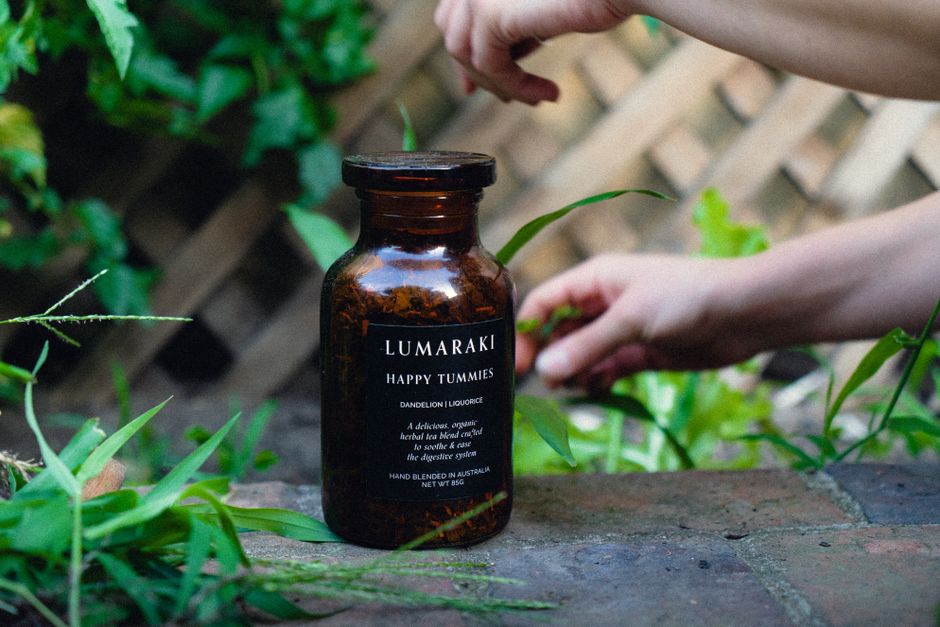
If you want a ready-made blend, look for products that list actual herb quantities on the label rather than proprietary blends where you cannot confirm dosage.
If sleep quality is something you are actively working on, pairing an evening herbal tea ritual with meal timing habits that protect your rest can reinforce the wind-down process from multiple angles.
For Digestion: Peppermint, Ginger, and Fennel
What the Evidence Shows
Peppermint tea is one of the more evidence-backed options for digestive discomfort. The menthol in peppermint relaxes smooth muscle in the gastrointestinal tract. Research published by the Cochrane Collaboration supports peppermint oil for irritable bowel syndrome symptoms; while tea provides a lower dose than encapsulated oil, many people find it reliably reduces bloating and post-meal cramping. Note: if you have acid reflux, peppermint may worsen symptoms by relaxing the lower esophageal sphincter, so check with a healthcare provider.
Ginger is a well-studied herb for nausea and gastric motility. Research published in the British Journal of Anesthesia and other peer-reviewed sources demonstrates ginger’s antiemetic properties. It also appears to speed gastric emptying, which can help with that heavy, uncomfortable feeling after a large meal.
Fennel seed tea is less commonly discussed but has traditional use and some supporting evidence for reducing gas and bloating. Its mild licorice flavor makes it more palatable than some digestive herbs.
If bloating is a consistent issue, the guide on digestive bloating after meals explores eating patterns that can reduce discomfort alongside dietary shifts.
How to Brew for Best Results
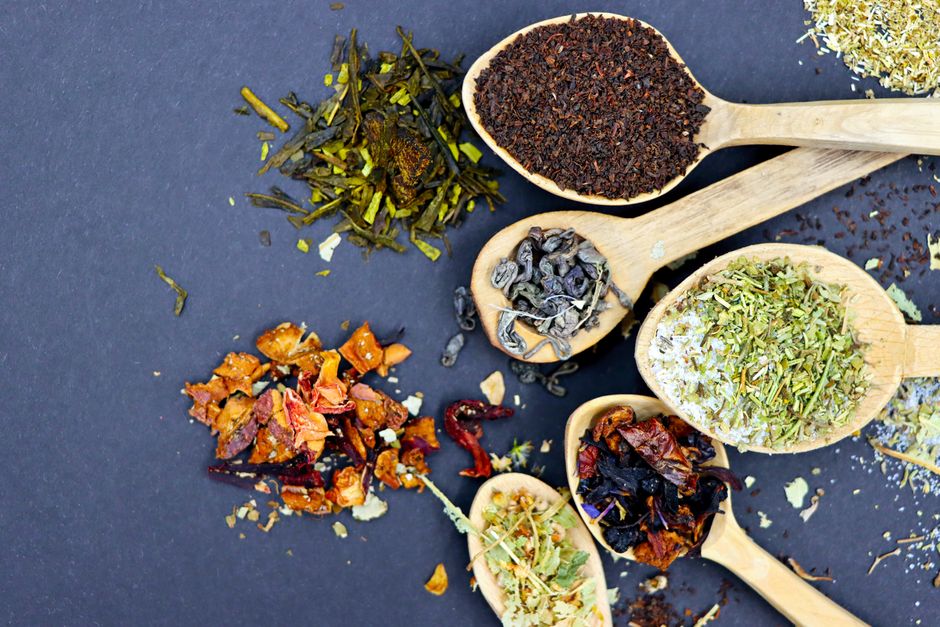
For peppermint, steep dried leaves for 5 to 7 minutes in boiling water. For ginger, use fresh sliced root (about 5 to 6 thin slices per cup) and simmer gently for 10 minutes. Dried ginger powder works, but fresh root produces a more potent cup. For fennel, lightly crush whole seeds before steeping to release more of the volatile oils, and steep for 7 to 10 minutes.
Drink digestive teas 15 to 30 minutes after a meal rather than during it. Drinking large fluids with food can dilute digestive enzymes for some people, though individual responses vary. For a deeper look at how what you pair on your plate affects digestion, digestion-friendly meal combinations is worth reading alongside this guide.
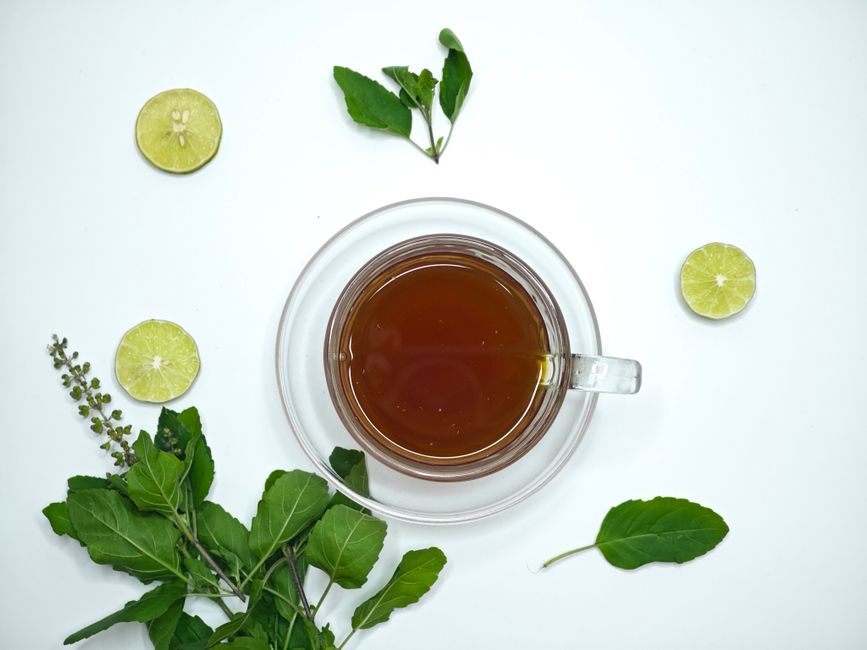
For Energy and Focus: Peppermint, Ginger, and Tulsi (Holy Basil)
What the Evidence Shows
Herbal teas do not deliver caffeine, but they can support alertness and mental clarity through other mechanisms. Peppermint aroma alone has been shown in research published in the International Journal of Neuroscience to improve memory and increase alertness. A cup of peppermint tea mid-afternoon serves double duty: it may ease any post-lunch digestive discomfort and refresh your focus at the same time.
Tulsi (holy basil) is an adaptogenic herb with early-stage clinical evidence suggesting it may reduce stress and support cognitive function. Research is still emerging, so treat this as a promising option rather than a confirmed effect. Its flavor is herbaceous and slightly spicy, and it blends well with lemon or ginger.
Ginger tea in the afternoon also offers a mild energizing quality without caffeine, making it a worthwhile pick when you want to avoid disrupting your sleep. For context on why caffeine timing matters more than most people realize, the guide on caffeine and sleep quality explains the timing window to protect your rest.
How to Brew for Best Results
For an afternoon focus blend, combine peppermint and fresh ginger with a slice of lemon. Steep covered for 6 to 8 minutes. Tulsi tea benefits from a slightly longer steep of 8 to 10 minutes and pairs well with a small amount of raw honey if you prefer a touch of sweetness. Drink this type of blend between noon and 4 p.m. for the best effect without interfering with sleep.
Blending Tips and a Few Practical Notes
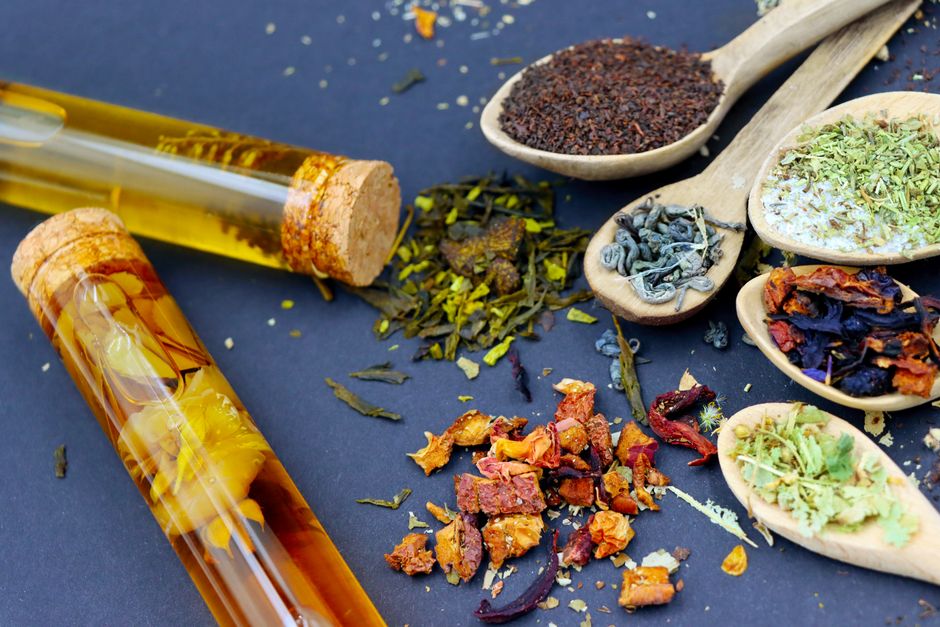
- Quality matters more than brand. Look for loose-leaf or whole dried herbs when possible. Older tea bags lose potency as volatile compounds degrade over time.
- Cover while steeping. This step is small but consistently makes a noticeable flavor and potency difference.
- Rotate your teas. Using the same blend daily for weeks can sometimes reduce its effect. Rotating among two or three options gives your system variety.
- Herbal teas and medications can interact. Chamomile and valerian may interact with sedative medications. Ginger can affect blood thinners. If you take any prescription medication, check with your pharmacist or a qualified healthcare professional before making herbal teas a daily habit.
For a broader look at iced and cold-brew herbal options that work well for hydration across all seasons, the guide on iced tea, herbal blends, and cold-brew recipes offers practical cost comparisons and preparation methods.
A Simple Place to Start
Choose one herbal tea from this guide that matches your most pressing wellness goal right now. Try it consistently for two weeks at the right time of day, brewed the way described here, and notice what changes. Small, consistent habits tend to compound in ways that dramatic wellness overhauls rarely do.
If you want more practical, evidence-informed guidance like this, consider signing up for the Clean Body Mentor newsletter for weekly tips on nutrition, sleep, digestion, and whole-person wellness.
This article is for general educational and informational purposes only and is not a substitute for medical advice, diagnosis, or treatment. Health needs vary by individual. Consult a qualified healthcare professional before making significant changes to your diet, supplements, medication, or treatment plan, especially if you have a medical condition, are pregnant or breastfeeding, take medication, or have concerns about your symptoms.
Sources
- Hieu, T.H. et al. (2019). Therapeutic efficacy and safety of chamomile for state anxiety, generalized anxiety disorder, insomnia, and sleep quality: a systematic review and meta-analysis. Phytotherapy Research. Named organization: NIH PubMed index.
- Ngan, A. and Conduit, R. (2011). A double-blind, placebo-controlled investigation of the effects of Passiflora incarnata on subjective sleep quality. Phytotherapy Research.
- Kennedy, D.O. et al. (2014). Attenuation of laboratory-induced stress in humans after acute administration of Melissa officinalis. Mediterranean Journal of Nutrition and Metabolism (cited via published review).
- Hawrelak, J.A. and Myers, S.P. Peppermint oil for IBS. Cochrane Database of Systematic Reviews. Cochrane Collaboration.
- Giacosa, A. et al. (2015). Can nausea and vomiting be treated with ginger extract? European Review for Medical and Pharmacological Sciences. Published data indexed in PubMed.
- Moss, M. et al. (2008). Aromas of rosemary and lavender essential oils differentially affect cognition and mood in healthy adults. International Journal of Neuroscience.