
You have probably spent time thinking about what to eat for better health. But when you eat, especially in the hours before bed, can shape your night just as powerfully as the food itself. If you have ever gone to bed after a heavy late dinner and woken up feeling puffy, restless, or oddly exhausted, your meal timing may deserve a closer look.
This guide breaks down the research on meal timing and sleep, explains which eating habits tend to help or hurt your rest, and gives you realistic, non-restrictive steps you can apply right away.
Why Meal Timing Influences Sleep Quality
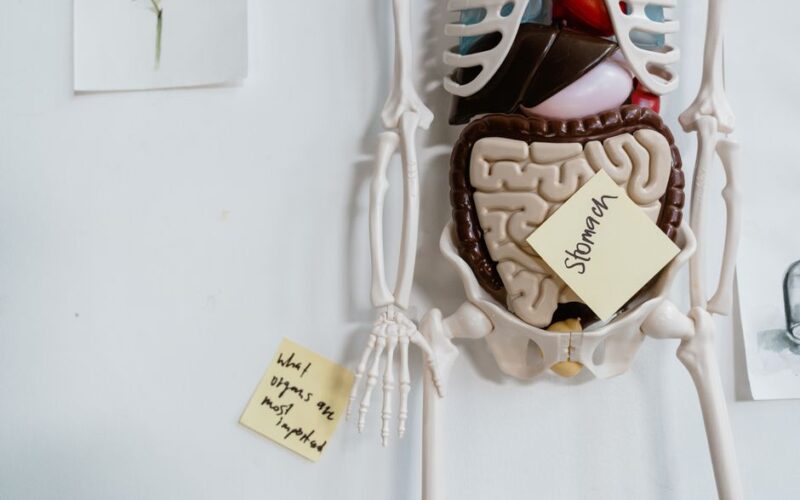
Your body runs on a roughly 24-hour internal clock called the circadian rhythm. This system controls not only when you feel sleepy but also when your digestive organs are most active. Research suggests that your gut, liver, and stomach slow down significantly in the evening as your body prepares for rest. Eating a large meal late in the evening asks your digestive system to stay active at a time when it is winding down, which can interfere with both sleep onset and sleep depth.
Additionally, meal timing affects your core body temperature. Digestion raises internal temperature, and a slight drop in core temperature is one of the signals your brain uses to trigger sleep. A heavy dinner close to bedtime can delay that temperature drop and push back when you feel naturally drowsy.
For a deeper look at how digestive timing affects your overall energy, Digestive Comfort and Meal Timing: How to Eat for Better Digestion and Sustained Energy is a helpful companion read.
The Ideal Dinner Window
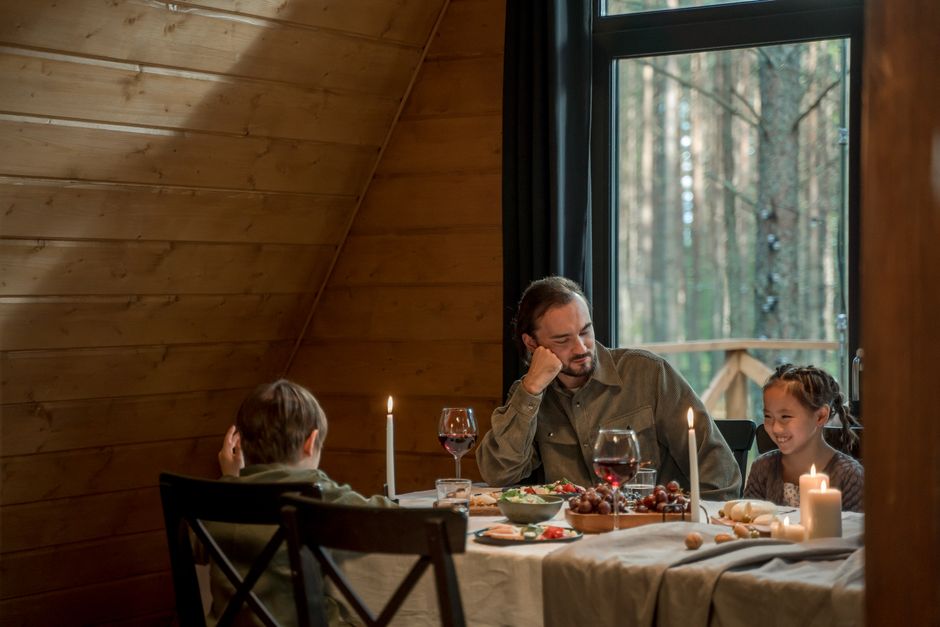
Most sleep researchers and registered dietitians suggest finishing your evening meal at least two to three hours before your intended bedtime. This window gives your body enough time to move food out of the stomach, reduce acid reflux risk, and begin the temperature drop associated with sleep onset.
This does not mean you need to eat dinner at 5 PM every night. If you go to bed at 11 PM, eating at 7:30 or 8 PM is still within a reasonable range. The goal is consistency rather than rigid early cutoffs. When your meal timing aligns with your natural sleep schedule most nights, your circadian rhythm gets a clearer cue that the day is winding down.
What Happens When You Eat Right Before Bed
Late eating, meaning a full meal within 60 to 90 minutes of bedtime, is associated with longer sleep onset, more frequent nighttime awakenings, and lighter overall sleep. Gastric acid production rises during digestion, and lying down can push that acid upward, which may explain why people who eat late often report reflux or uncomfortable fullness at night. Research also links frequent late eating to disruptions in melatonin, the hormone that regulates your sleep-wake cycle.
Screens are another evening disruptor worth addressing alongside meal timing. Digital Wellness and Screen Time: Protecting Your Sleep, Focus, and Mental Health in a Connected World explains how to manage both at once.

How Macronutrients at Dinner Affect Your Sleep
What you put on your evening plate matters too, and it works in conversation with when you eat it.
Protein and Evening Meals
Moderate protein at dinner supports sleep in a couple of ways. Protein from foods like chicken, fish, eggs, Greek yogurt, tofu, and legumes provides tryptophan, an amino acid your body uses to produce serotonin and eventually melatonin. Research suggests that pairing tryptophan-rich protein with a moderate amount of complex carbohydrates may help tryptophan cross the blood-brain barrier more effectively.
For a closer look at how your evening protein choices affect overnight recovery, Protein at Dinner and Sleep Quality: How Your Evening Meal Affects Rest and Recovery goes deeper on this topic.
Carbohydrates, Blood Sugar, and Nighttime Rest
Simple, refined carbohydrates eaten in large amounts close to bedtime, think chips, sugary desserts, or white bread, can cause a blood sugar spike followed by a dip during the night. That dip may trigger cortisol release, which can pull you out of deep sleep in the early morning hours. Choosing complex carbohydrates at dinner (sweet potato, brown rice, oats, or lentils) provides steadier energy and may support more consistent sleep architecture.
Fats and Portion Size
High-fat meals take the longest to digest. A large, fatty dinner eaten close to bed asks more of your digestive system and tends to keep your core temperature elevated longer. That is not a reason to avoid healthy fats at dinner entirely, but portion size matters. A moderate dinner with balanced macros will generally serve your sleep better than an oversized one, regardless of its ingredient quality.
For context on blood sugar stability throughout the day, Energy Crashes and Blood Sugar Stability: Which Meals and Snacks Keep You Level All Day covers the full picture.
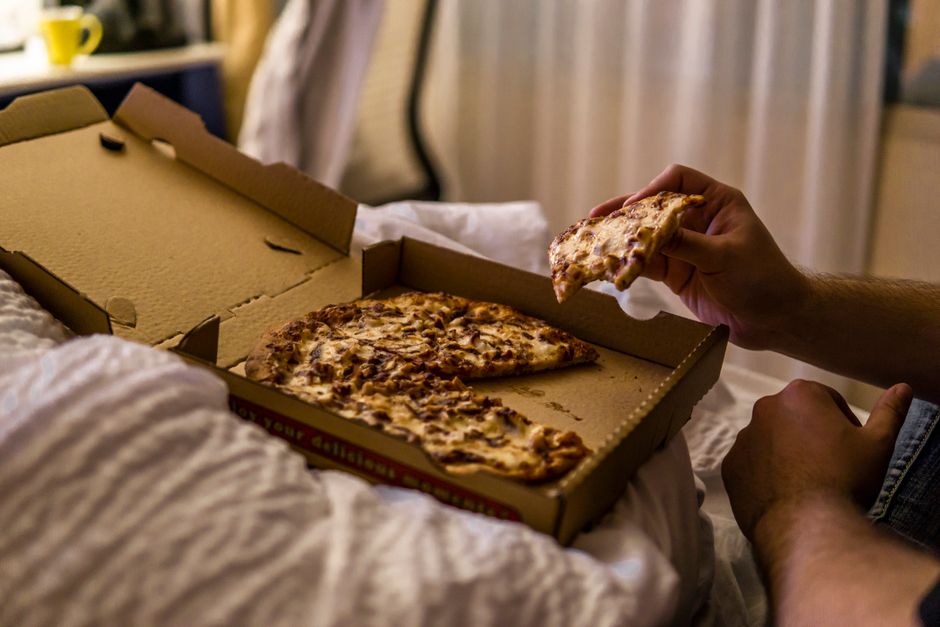
Smart Late-Night Snacking (When You Genuinely Need It)
Sometimes life means a later dinner or a long gap between your last meal and bedtime. In those cases, a small, sleep-supportive snack can help more than it hurts. The key is keeping it light and choosing foods that do not require heavy digestion.
Snack options that tend to support sleep rather than disrupt it:
- A small bowl of oatmeal with a drizzle of honey
- A few whole grain crackers with nut butter
- Half a banana with a small handful of almonds
- A small cup of plain Greek yogurt
- Tart cherry juice (a natural source of melatonin, though evidence remains preliminary)
Avoid heavy, greasy, spicy, or very sugary options late at night. These are more likely to cause digestive discomfort or blood sugar fluctuations that fragment your sleep.
For more guidance on snack timing across the day, Snack Timing for Sustained Energy: When to Eat Between Meals Without Afternoon Crashes has practical suggestions.

Caffeine Timing Is Part of the Picture
Meal timing for better sleep is not only about food. Caffeine consumed in the afternoon or evening can delay sleep onset significantly, and its effects last longer than most people realize. The half-life of caffeine is roughly five to six hours, meaning half of a 3 PM coffee is still active in your system at 8 or 9 PM.
For a complete view of how your beverage timing interacts with sleep, Caffeine and Sleep Quality: When You Drink Coffee Matters More Than How Much is worth reading alongside this guide.

Common Mistakes That Undermine Sleep-Friendly Eating
- Skipping dinner to eat lighter: Going to bed too hungry can also disrupt sleep. Low blood sugar at night triggers stress hormones that interrupt deep sleep stages.
- Assuming healthy food equals no timing impact: Even a nutritious meal can delay sleep if eaten too close to bedtime due to the digestive work involved.
- Eating on an irregular schedule: Inconsistent meal timing confuses your circadian rhythm over time. Even shifting dinner by two hours on weekends can affect your weeknight sleep.
- Forgetting alcohol: Alcohol may feel like it helps you fall asleep, but it disrupts REM sleep significantly and tends to increase nighttime awakenings in the second half of the night.
Frequently Asked Questions
How many hours before bed should I stop eating for better sleep?
Most evidence suggests finishing a full meal two to three hours before bed gives your digestive system enough time to do its work without interfering with sleep onset. A small, light snack within that window is generally fine if you are genuinely hungry.
Does eating late really cause weight gain, or is it just about sleep?
Late eating can affect both. It may disrupt sleep, which in turn affects hunger hormones like leptin and ghrelin the next day, potentially increasing appetite. Research on late eating and body composition is ongoing, but the sleep disruption piece is well-supported.
Are there foods that specifically help you sleep better?
Foods containing tryptophan (turkey, eggs, dairy, tofu, nuts), magnesium (leafy greens, seeds, legumes), and complex carbohydrates may support sleep. Tart cherry juice shows some early promise for melatonin support, though the evidence is still emerging. No single food is a guaranteed sleep remedy.
What if I work late shifts and cannot eat dinner earlier?
Circadian health guidance applies differently to shift workers. If you work evenings or nights, the priority becomes consistency within your own schedule rather than matching a conventional dinner hour. A registered dietitian familiar with shift work can help you adapt these principles to your specific needs.
Can a large breakfast or lunch affect my sleep at night?
Generally, daytime meals have less direct impact on nighttime sleep than evening eating does. However, if a very large midday meal causes an energy crash, it may affect your activity levels and evening hunger timing, which can ripple into your sleep indirectly.
This article is for general educational and informational purposes only and is not a substitute for medical advice, diagnosis, or treatment. Health needs vary by individual. Consult a qualified healthcare professional before making significant changes to your diet, exercise routine, supplements, medication, or treatment plan, especially if you have a medical condition, are pregnant or breastfeeding, take medication, or have concerns about your symptoms.

One Realistic Step to Start Tonight
You do not need to overhaul your entire eating schedule to start sleeping better. Pick one change from this guide and practice it consistently for one to two weeks before adding another. Finishing dinner thirty minutes earlier than usual, swapping a heavy late snack for something lighter, or simply being more consistent with your dinner hour are all genuinely useful starting points.
If you want to build a broader eating routine that supports your energy across the whole day, explore Mindful Eating Without Calorie Counting: Building Awareness and Balance at Every Meal for a balanced, pressure-free approach. And if you would like practical wellness guidance delivered each week, the Clean Body Mentor newsletter is a good place to keep the momentum going.