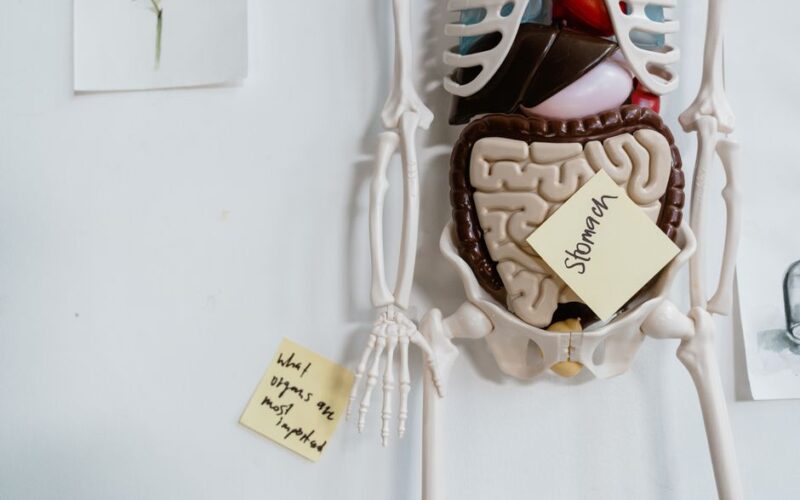


It starts innocently. You finish a tough meeting, scroll past upsetting news, or hit the wall at 3 p.m., and suddenly the kitchen is calling. Within minutes you are standing in front of the fridge, not entirely sure how you got there. Sound familiar?
Stress eating and physical hunger can feel nearly identical in the moment, which makes responding wisely harder than it sounds. This guide will walk you through practical ways to recognize the emotional eating vs. physical hunger difference, pause without judgment, and choose a response that actually serves you. No shame, no rigid rules, just better body awareness.

Why This Distinction Matters (and Why It Is Hard to Make)
Food is never purely fuel. It is also comfort, celebration, community, and habit. Using food to soothe difficult emotions is a deeply human response, not a personal failure. Research suggests that chronic stress raises cortisol, which can increase appetite and drive cravings for calorie-dense foods. That means your body is genuinely reacting to stress, even when no physical hunger exists.
The problem is not the occasional stress snack. It becomes an issue when eating is your only tool for managing difficult emotions, or when the pattern leaves you feeling disconnected from your body, stuck in a cycle of regret, or struggling to manage your weight sustainably. Building awareness is the first step toward changing that pattern.
For a broader look at the emotional side of this topic, Emotional Eating vs. Physical Hunger: How to Tell the Difference and Respond With Compassion offers a helpful companion perspective.

How to Recognize Physical Hunger
Physical hunger develops gradually and sends clear body-based signals. Learning to notice these cues is the foundation of eating with awareness.
Signs Your Body Genuinely Needs Food
- Timing: It usually appears several hours after your last meal.
- Gradual onset: The sensation builds slowly rather than arriving suddenly.
- Physical location: You may feel an empty, hollow, or growling sensation in your stomach.
- Flexibility: Physical hunger is fairly open to any food, not just a specific craving.
- Subsides after eating: Once you eat an appropriate amount, the sensation eases and you feel satisfied.
If you regularly skip meals or eat very little protein, hunger signals can become harder to read. Protein Timing and Hunger: When You Eat Protein Matters as Much as How Much explains how meal composition shapes those signals throughout the day.

How to Recognize Stress or Emotional Eating
Emotional hunger is driven by your nervous system and emotional state, not by your stomach. It tends to share these patterns:
Signs Your Hunger May Be Emotional
- Sudden onset: The urge arrives quickly, often right after a stressful event or emotion.
- Specific cravings: You want a particular food (usually something salty, sweet, or crunchy) rather than any food at all.
- Located in the chest or throat: The urge feels more like anxiety or restlessness than an empty stomach.
- Urgency without physical cause: You feel like you must eat right now, even though you ate recently.
- Followed by guilt: Emotional eating often leaves a feeling of regret or disconnection, while physical hunger leaves satisfaction.
Neither experience makes you a bad person. Both deserve a thoughtful, compassionate response.

A Practical Pause Practice: The Body Check-In
The most useful tool for telling emotional eating from physical hunger is a short, intentional pause before reaching for food. This does not mean forbidding yourself to eat. It simply creates a small space between the impulse and the action.
Step 1: Stop and Breathe First
When you notice an urge to eat, pause for 30 to 60 seconds. Take three slow, deliberate breaths. This activates your parasympathetic nervous system and helps dial down the urgency slightly. If breathwork is new to you, Breathwork vs. Meditation for Stress Relief: Which Practice Fits Your Life and Goals is a practical starting point.
Step 2: Ask Yourself Three Questions
- When did I last eat? If it was two or more hours ago and you had a balanced meal, physical hunger is plausible. If it was 30 minutes ago, something else is likely happening.
- Where do I feel this? Stomach sensations point toward physical hunger. Chest tightness, throat tension, or a mental craving suggests an emotional trigger.
- What emotion is present right now? Stress, boredom, loneliness, frustration, and anxiety are common triggers for emotional eating. Simply naming an emotion often reduces its intensity.
Step 3: Decide Without Judgment
After the check-in, you choose. If you are genuinely hungry, eat something nourishing and satisfying. If the urge seems emotional, you have options beyond eating (more on those below) and also the option to eat something small if that is what supports you right now. Progress over perfection always applies here.
Mindful Eating Without Calorie Counting: Building Awareness and Balance at Every Meal offers a deeper look at how to make food decisions from a place of awareness rather than rigid rules.

Compassionate Strategies When Hunger Is Emotional
When you identify that stress is driving the urge, having a short list of alternatives can help you meet the real need rather than masking it with food.
- Name and sit with the feeling: Set a two-minute timer and simply acknowledge what you are feeling. Often the urgency decreases on its own.
- Move your body: A five-minute walk, a few stretches, or even standing up and shaking out your arms can shift your nervous system state. Movement Breaks for Deep Focus: How to Use Stretching and Walking to Reclaim Energy and Concentration at Work has beginner-friendly ideas.
- Connect with someone: Text or call a friend. Social connection addresses one of the most common emotional triggers for stress eating.
- Hydrate first: Sometimes mild dehydration mimics hunger. Drink a glass of water and wait five minutes before deciding. Hydration Timing for Mental Clarity and Mood covers how fluid intake affects both mood and appetite cues.
- Journal one sentence: Writing down the emotion and its trigger takes it out of your body and onto paper, reducing its grip.
None of these strategies is about denying yourself food forever. They are about expanding your toolkit so food is one response among many, not the only one available.

Common Mistakes to Avoid
Labeling yourself as having no willpower. Stress eating is a nervous system response, not a character flaw. Self-criticism tends to make emotional eating worse, not better.
Using restriction as a solution. Skipping meals or cutting calories sharply after an emotional eating episode increases hunger, amplifies stress, and often leads to another cycle. Balanced, satisfying meals are part of the solution. For ideas on building meals that support steady hunger signals, Eating for Stable Energy: Nutrient Combinations That Keep You Full and Focused All Day is a helpful guide.
Expecting perfection immediately. Body awareness is a skill. It builds gradually through practice, not overnight.

When to Seek Professional Support
If emotional eating is frequent, feels out of control, is linked to binge episodes, or is connected to significant distress about your body or food, please reach out to a licensed mental-health professional, a registered dietitian who specializes in intuitive eating, or both. These patterns deserve compassionate, specialized support, not willpower alone.

Frequently Asked Questions
Q: Can I ever eat emotionally and still be healthy?
Yes. Occasionally eating for comfort is a normal part of a balanced relationship with food. The concern arises when it is your only coping tool or when it causes significant distress.
Q: Does stress eating always involve overeating?
No. Some people eat less under stress. The pattern varies by individual. What matters most is awareness of why and how you are eating, not the quantity alone.
Q: What if I genuinely cannot tell the difference?
Start with the body check-in practice consistently for one to two weeks. Many people find that pausing and asking questions gradually improves their ability to distinguish the two. A registered dietitian can also help you build this skill.
Q: Will fixing emotional eating help with weight management?
Building awareness around eating cues often supports sustainable, gradual fat loss because you are responding to real hunger rather than frequent stress-driven eating. It is one piece of a larger picture that includes nutrition, sleep, movement, and stress management.
Q: How do I stop feeling guilty after stress eating?
Start by reminding yourself that one episode does not define your health. Acknowledge what happened without judgment, identify the trigger if you can, and return to your regular eating pattern at the next meal. Guilt rarely improves behavior; curiosity does.
Your next step: Choose one strategy from this article, perhaps the body check-in, a three-breath pause, or keeping a glass of water nearby, and practice it consistently for one week. Small, repeated actions build real change over time. When you are ready to go deeper, Mindful Eating Without Restriction: How to Build a Calmer, More Intuitive Relationship with Food is a natural next read. You can also subscribe to the Clean Body Mentor newsletter for practical, weekly wellness guidance delivered without pressure or judgment.
This article is for general educational and informational purposes only and is not a substitute for medical advice, diagnosis, or treatment. Health needs vary by individual. Consult a qualified healthcare professional before making significant changes to your diet, exercise routine, supplements, medication, or treatment plan, especially if you have a medical condition, are pregnant or breastfeeding, take medication, or have concerns about your symptoms.