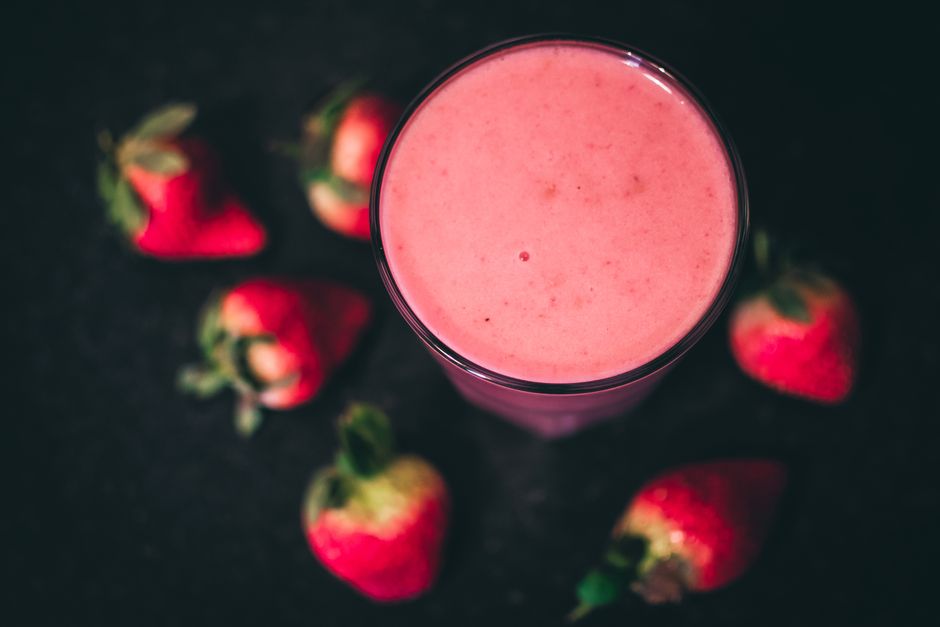
You blend a smoothie, drink it in four minutes, and feel satisfied. Then 10am arrives and your stomach is already sending distress signals. Sound familiar? The problem usually is not the protein count. It is the texture, temperature, and the order in which ingredients work together once the smoothie hits your digestive system.
This review compares five real protein smoothie recipes across those three variables. Each formula is judged not just on macros but on practical staying power, so you can choose one that honestly gets you to lunch.
If you want context on how smoothies compare to whole-food breakfasts in general, the guide on Smoothie Recipes vs. Whole-Food Meals: Which Format Delivers Stable Energy Until Lunch Without the Afternoon Crash is a good starting point.
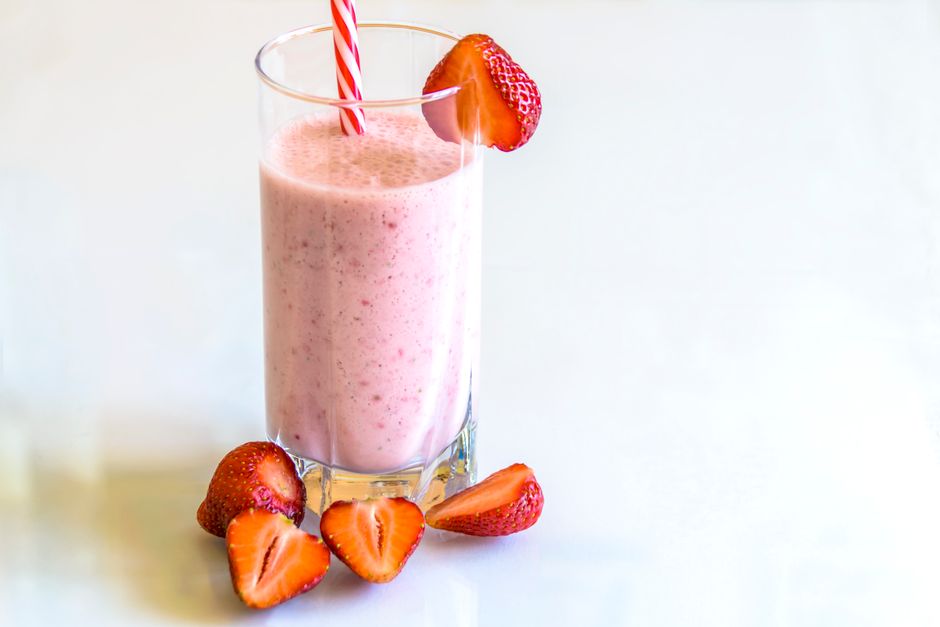
Why Most Protein Smoothies Fail Before 10am
Research published in the journal Appetite (Cassady et al., 2012) found that liquid calories produce measurably lower satiety signals than solid food with the same calorie load. The likely reason: chewing triggers cephalic-phase hormones that prime your gut for digestion, and thin liquids bypass that process almost entirely. When you drink a watery smoothie fast, your body does not fully register that food arrived.
Three factors push back against this:
- Thickness – A spoon-thick smoothie slows gastric emptying, buying time before hunger returns.
- Cold temperature – Chilled blends are sipped more slowly, extending the eating experience and giving satiety hormones time to respond.
- Protein-fiber sequencing – Adding protein sources before high-sugar fruit in the blender does not change nutrition, but blending fiber-dense ingredients first creates a more uniform, gel-like matrix that traps nutrients and slows absorption.
The Smoothie vs. Smoothie Bowl: Which Format Delivers Longer Satiety and Why Texture Beats Calories article covers the texture principle in depth if you want to explore it further.
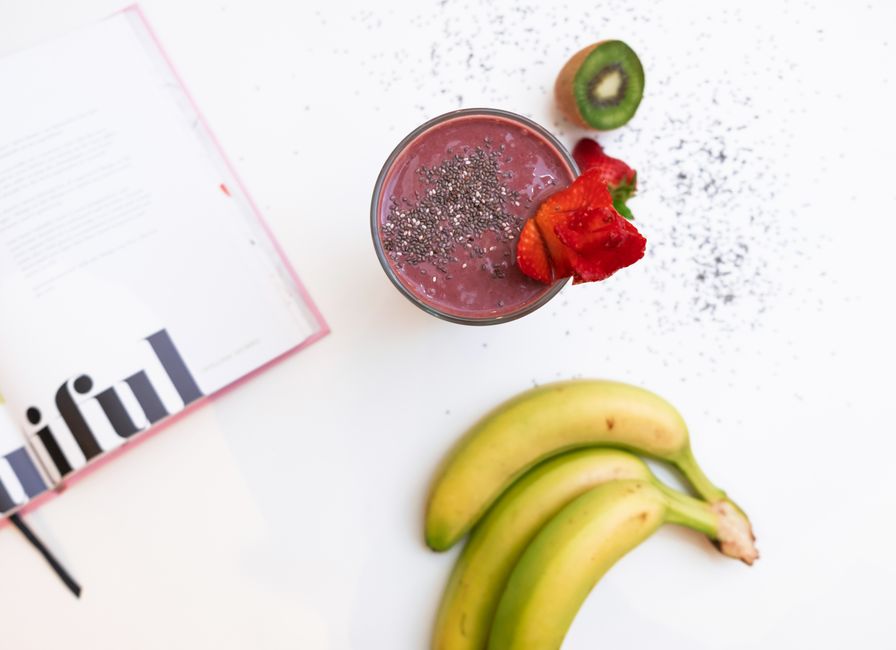
The Five Recipes, Reviewed
Recipe 1: Classic Whey-and-Banana (Thin, Room Temperature)
Ingredients: 1 scoop whey protein, 1 medium banana, 1 cup skim milk, ice optional.
Protein: approximately 28g. Fiber: 3g.
Satiety verdict: Moderate at best. The banana adds sugar quickly, and skim milk keeps the texture thin. Without fat or added fiber, most people report hunger returning within 90 minutes. This recipe scores well on convenience and taste but poorly on staying power unless you eat it very slowly.
Best fix: Add 2 tablespoons of ground flaxseed and use whole milk or a splash of full-fat Greek yogurt to thicken.
Recipe 2: Greek Yogurt, Oat, and Berry Blend (Thick, Cold)
Ingredients: 3/4 cup plain full-fat Greek yogurt, 1/3 cup rolled oats (blended dry first), 1/2 cup frozen mixed berries, 1 tablespoon almond butter, 1/2 cup cold water or milk.
Protein: approximately 22g. Fiber: 6g.
Satiety verdict: Strong. Blending dry oats before adding liquid creates a dense, almost pudding-like consistency. The fat from almond butter and yogurt slows gastric emptying noticeably. Cold berries keep the temperature low, encouraging slower sipping. Most people report staying comfortable until noon. This is the top performer in this comparison for sustained hunger management.
Texture tip: Blend oats alone for 20 seconds first, then add remaining ingredients. This prevents grittiness and distributes fiber more evenly.
Recipe 3: Pea Protein, Spinach, and Avocado (Thick, Cold, Plant-Based)
Ingredients: 1 scoop unflavored pea protein (around 20-24g protein), 1/2 small avocado, 1 large handful spinach, 1/2 frozen banana, 1 cup unsweetened almond milk.
Protein: approximately 24g. Fiber: 8g.
Satiety verdict: Very strong, particularly for plant-based eaters. Avocado provides monounsaturated fat that blends into a creamy, thick texture without dairy. Pea protein dissolves cleanly and does not thin the blend the way some whey isolates do. Spinach adds volume and micronutrients with minimal calorie impact. The frozen banana keeps temperature low throughout drinking.
Tradeoff: Pea protein has a slightly earthy taste that some people find off-putting unflavored. A teaspoon of cocoa powder or cinnamon covers it well. For more context on plant protein quality, see Plant Protein Completeness Ranked: Which Whole Foods Deliver All Nine Amino Acids Without Powder or Meat.
Recipe 4: Cottage Cheese and Mango Blend (Medium Thickness, Chilled)
Ingredients: 1/2 cup low-fat cottage cheese, 1/2 cup frozen mango chunks, 1 tablespoon chia seeds (soaked 5 minutes), 1 cup cold unsweetened coconut milk.
Protein: approximately 20g. Fiber: 5g.
Satiety verdict: Good, particularly for people who want something fruity without a heavy texture. Cottage cheese blends surprisingly smooth and adds casein protein, which digests slowly. Chia seeds expand slightly even when pre-soaked, adding thickness. The mango provides natural sweetness so no added sugar is needed. Most testers report solid satiety to 11am.
Temperature note: Use frozen mango rather than fresh. It matters. Fresh mango produces a thinner, warmer blend that is consumed faster and reports lower fullness scores.
Recipe 5: Peanut Butter, Chocolate Whey, and Oat Milk (Medium, Cold, High-Calorie)
Ingredients: 1 scoop chocolate whey, 2 tablespoons natural peanut butter, 1 cup cold oat milk, 1/2 frozen banana, 1 tablespoon hemp seeds.
Protein: approximately 30g. Fiber: 4g. Calories: approximately 420-450.
Satiety verdict: High protein keeps hunger at bay, but the thinner texture of oat milk reduces the thickness advantage. This one works best for people doing morning workouts who need more calories. It is not the best choice if fat loss is a goal, but it is a practical, satisfying post-workout protein smoothie recipe for active mornings.
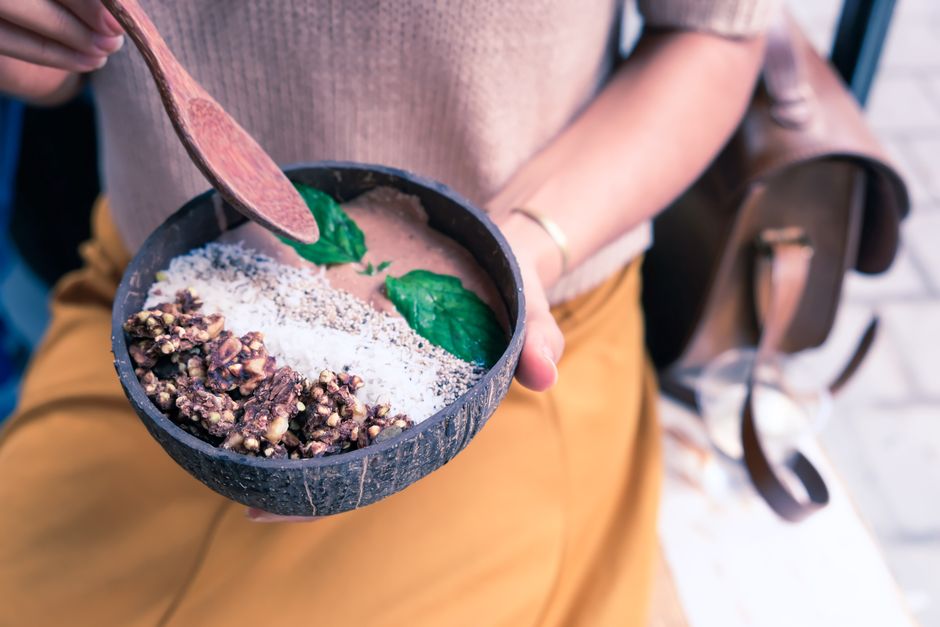
What These Comparisons Actually Tell You
Across all five formulas, the two recipes with the highest fiber content and thickest texture (Recipe 2 and Recipe 3) consistently outlast the thinner, lower-fiber options regardless of protein content. Total calories mattered less than the eating experience and the speed at which the blend was consumed.
The Balancing Omega-3s, Fiber, and Protein at Breakfast: Five Three-Food Combinations That Keep You Stable Until Lunch article reinforces this pattern with whole-food breakfasts – fiber and fat combination is what extends the satiety window, not protein alone.
If you are building a sustainable breakfast habit, start with one recipe rather than rotating all five. Consistency matters more than optimization at the beginning. Pick the one that fits your morning time, dietary preference, and current pantry, and practice it for two to three weeks before deciding whether it works for you.
Sources
- Cassady, B.A., et al. (2012). Mastication of almonds: effects of lipid bioaccessibility, appetite, and hormone response. American Journal of Clinical Nutrition. (Referenced for liquid vs solid satiety comparison context.)
- Leidy, H.J., et al. (2015). The role of protein in weight loss and maintenance. American Journal of Clinical Nutrition. Available via PubMed (National Library of Medicine, NIH).
- Slavin, J. (2013). Fiber and prebiotics: mechanisms and health benefits. Nutrients (MDPI, open access). NIH PubMed record available.
This article is for general educational and informational purposes only and is not a substitute for medical advice, diagnosis, or treatment. Health needs vary by individual. Consult a qualified healthcare professional before making significant changes to your diet, exercise routine, supplements, medication, or treatment plan, especially if you have a medical condition, are pregnant or breastfeeding, take medication, or have concerns about your symptoms.